
Adjustable Bed vs Hospital Bed: Which?


Leg Massager for Circulation

Compression Socks

Slow Cooker Crock Pot
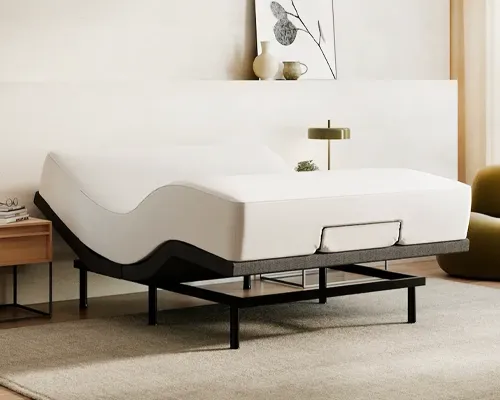
An Adjustable Bed vs Hospital Bed comparison matters when a senior needs more than a flat sleeping surface. Both can raise the head and change the sleeping position, but they are designed for different needs.
An adjustable bed is usually built around everyday comfort and sleep. A hospital bed is designed around patient care, transfers, positioning, and caregiver access. Some hospital beds also adjust in height, while many adjustable home beds focus mainly on head and leg positioning.
Quick Comparison
For most seniors who simply want easier positioning and a more comfortable sleeping setup, an adjustable bed may be the more natural choice.
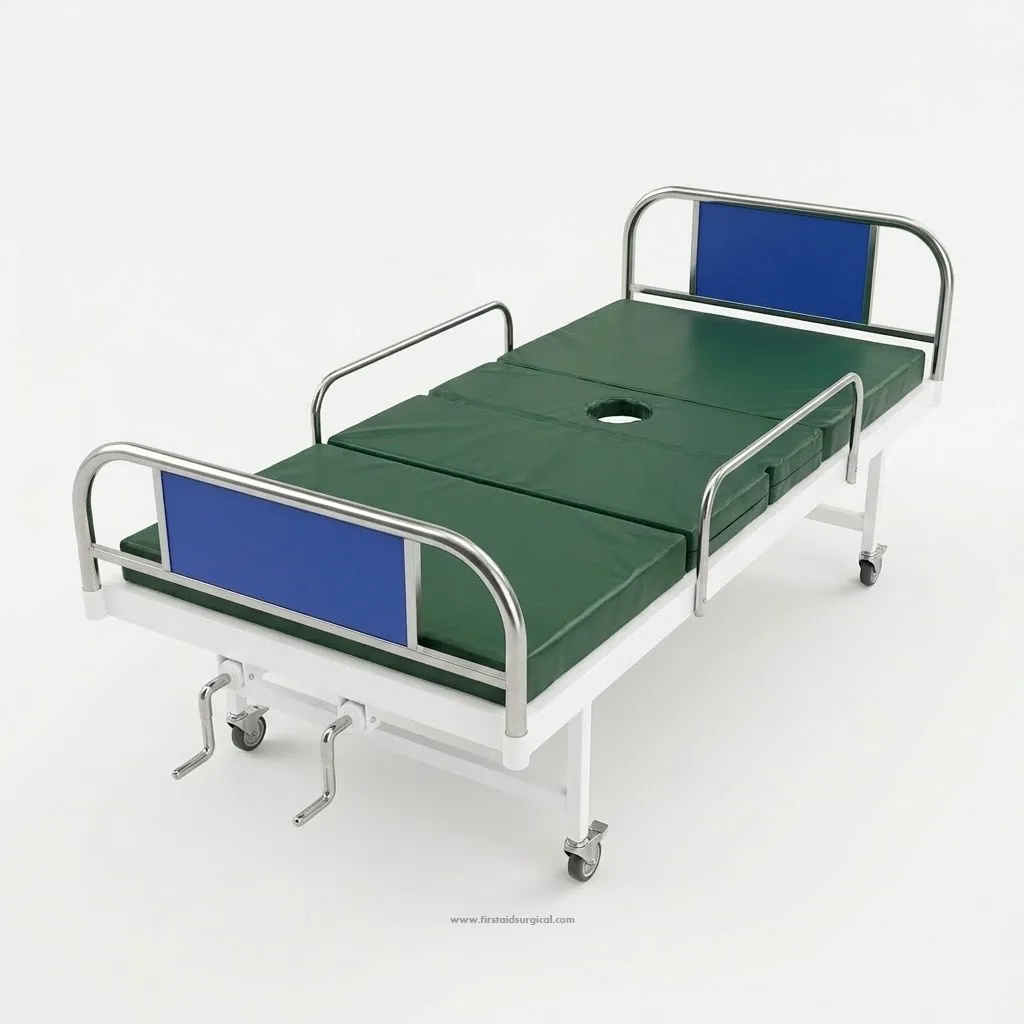
A hospital bed makes more sense when the person needs care-related features such as adjustable bed height, side rails, specialized mattresses, or easier caregiver access. Hospital beds are specifically designed for people receiving health care and can include features intended to support both patients and caregivers.
The key difference is simple: adjustable beds focus mainly on personal comfort, while hospital beds focus more on care and accessibility.
Adjustable Bed vs Hospital Bed At a Glance
The two beds can look similar at first, but their purposes are quite different.
| Feature | Adjustable Bed | Hospital Bed |
|---|---|---|
| Main purpose | Comfort and positioning | Patient care and positioning |
| Head adjustment | Usually yes | Usually yes |
| Foot adjustment | Usually yes | Usually yes |
| Height adjustment | Model dependent | Common on many models |
| Side rails | Usually limited or optional | Common on many models |
| Caregiver access | Moderate | Strong |
| Home-style appearance | Usually higher | Usually lower |
| Specialized mattress options | Model dependent | Many options |
| Best suited for | Everyday home use | Care or mobility needs |
Hospital beds can provide height adjustment along with head and foot positioning, and some models include side rails and other care-oriented features.
Adjustable Bed: Comfort-Focused Home Use
An adjustable bed is designed to make a normal bedroom more flexible. It can let the user raise the upper body or legs instead of staying completely flat.
For seniors who mainly want a different sleeping or resting position, this simpler purpose can be appealing.
Ease of Use
Many adjustable beds use a handheld remote. The user can select different positions without manually lifting the mattress.
This can be useful for someone who wants to change position while reading, watching TV, resting, or getting ready for sleep.
The main thing to check is the control system. A remote with clear buttons may be easier for some users than a complicated control panel.
Key Strengths
- Designed for everyday home use
- Can provide multiple resting positions
- Usually fits a bedroom setting well
- May feel more like a normal residential bed
- Can be useful for reading or relaxing in bed
Potential Drawbacks
- Features vary greatly between models
- Some models may not provide full-height adjustment
- Side-rail options may be limited
- Not designed primarily for clinical care
- A heavier base can make moving the bed difficult
An adjustable bed can be a good fit when the main goal is positioning and comfort rather than extensive bedside care.
Hospital Bed: Care-Focused Design
A hospital bed is built with patient care in mind. Depending on the model, it can provide head, foot, and overall height adjustment, along with side rails and other accessories.
This design can make a major difference when another person needs to help with transfers, repositioning, or daily care.
Ease of Use
Hospital beds often have controls that allow the bed position to be changed without manually moving the mattress.
Height adjustment is especially useful for caregivers. A VA design resource notes that providing home care in a bed that is not height-adjustable can create awkward working positions during care tasks.
For the user, however, more controls can also mean more things to learn.
Key Strengths
- Designed around patient care
- Height adjustment is available on many models
- Side rails may provide additional support
- Many accessory options are available
- Can make caregiver tasks easier
- Specialized mattress systems are available
Potential Drawbacks
- Can look more clinical than a standard bedroom bed
- Usually takes more planning to set up
- More features can mean more complexity
- Size and weight can make movement harder
- Specialized mattresses and accessories can increase cost
A hospital bed is therefore less about creating a luxury bedroom and more about making care and positioning practical.
Which Is Easier for Seniors to Use?
Ease of use depends on what the senior actually needs.
An adjustable bed may feel simpler for someone who only wants to raise the head or legs. Its familiar bedroom design can also make it less intimidating.
A hospital bed can be easier when the user needs frequent position changes or assistance from a caregiver. Height adjustment can help with transfers and care tasks. Some hospital beds are specifically designed to reduce repositioning and handling demands.
The simpler bed is not always the easier bed. The right choice depends on whether the main challenge is comfort or care.
For seniors with limited dexterity, check the remote or hand control before buying. Large, clearly marked controls can make everyday operation easier.
Performance Comparison
The most important performance difference is not how high the mattress can rise. It is what the bed allows the user and caregiver to do.
An adjustable bed is strong at everyday positioning. It can change the angle of the sleeping surface and provide different positions for resting.
A hospital bed generally provides a wider range of care-oriented positioning. Some models can change overall bed height, and certain advanced designs can support sitting, transfers, or other mobility tasks.
Hospital beds can also work with specialized support surfaces. Hospital mattress systems may include pressure-redistribution and moisture-management features, depending on the mattress.
For ordinary sleep and relaxation, those extra features may not be necessary.
Comfort, Accessibility, and Senior-Friendly Design
Comfort is more than mattress softness. The way a person gets into bed, changes position, and gets out again also matters.
An adjustable bed may offer a more familiar bedroom experience. It can also be easier to blend into a home’s existing furniture.
A hospital bed has a more functional design. Height adjustment can help bring the bed to a useful level for transfers and caregiving. Side rails and assist devices may also be available, depending on the model.
For a senior who lives independently, an adjustable bed may provide enough flexibility. For someone who receives regular bedside assistance, hospital-bed features can become more important.
Features Comparison
The biggest feature differences become clear when the beds are viewed from a care perspective.
| Feature | Adjustable Bed | Hospital Bed |
|---|---|---|
| Head positioning | Common | Common |
| Leg positioning | Common | Common |
| Overall height | Varies by model | Common on many models |
| Side rails | Optional or limited | Common on many models |
| Care accessories | Limited | Wide range available |
| Specialized surfaces | Model dependent | More common |
| Caregiver positioning | Limited | Stronger |
Hospital-bed accessories can include different rail configurations, trapezes, over-bed tables, and specialized mattresses.
Price, Maintenance, and Long-Term Value
Price varies widely for both categories, so a fixed price comparison would be misleading without choosing specific models.
An adjustable bed may have fewer care-related accessories and can be a straightforward choice when the goal is everyday positioning.
A hospital bed can require additional equipment. The frame, mattress, rails, accessories, delivery, installation, and service can all affect the total cost.
Maintenance also depends on complexity. A basic adjustable system may have fewer components to manage. A hospital bed with multiple powered functions and accessories can require more attention.
For long-term value, think about the features you will actually use. Paying for clinical features that are never needed may not provide much practical value.
Who Should Choose an Adjustable Bed?
Choose an adjustable bed if:
- The main goal is better sleeping or resting positions.
- The user wants a home-style bedroom appearance.
- The senior can get in and out of bed without extensive caregiver assistance.
- Head and leg positioning are the main requirements.
- A simpler everyday setup is preferred.
- Hospital-style accessories are not needed.
Who Should Choose a Hospital Bed?
Choose a hospital bed if:
- The senior needs regular bedside care.
- Caregivers need better access to the person in bed.
- Overall bed-height adjustment is important.
- Side rails or other bed accessories may be needed.
- Transfers and repositioning are frequent concerns.
- A specialized mattress or support surface may be required.
For people with significant mobility or care needs, the appropriate bed and accessories should be selected with professional guidance rather than by appearance alone. VA guidance for home-use hospital beds emphasizes evaluating the user’s and caregiver’s functional abilities and ensuring proper installation and training.
Adjustable Bed vs Hospital Bed — Final Verdict
There is no single bed that fits every senior.
Best for everyday comfort: Adjustable bed
Best for care-focused use: Hospital bed
Best for caregiver access: Hospital bed
Best for a home-style bedroom: Adjustable bed
Best when height adjustment is important: Hospital bed
The deciding question is simple: Is the bed mainly for sleeping and comfort, or does it need to support ongoing care?
Scoring Summary
A simple category comparison helps show where each design is most useful.
| Category | Adjustable Bed | Hospital Bed |
|---|---|---|
| Ease of everyday use | Strong | Strong |
| Senior-friendly positioning | Strong | Strong |
| Caregiver access | Moderate | Strong |
| Comfort-focused use | Strong | Moderate |
| Care-focused features | Limited | Strong |
| Long-term practicality | Depends on needs | Depends on needs |
These are category-level comparisons, not laboratory scores. Individual models can differ considerably.
How We Evaluate Products
This comparison focuses on practical factors that can affect daily use.
We look at:
- Ease of operation
- Position adjustment
- Accessibility
- Caregiver access
- Comfort
- Safety-related design
- Maintenance
- Setup
- Long-term practicality
- Overall value
We do not treat marketing claims as proof of performance. Features should be checked against the specifications of the exact model being considered.
Senior-Specific Buying Considerations
Before choosing either type of bed, check the details that will affect daily use.
Physical Effort
Consider how much effort is needed to get into bed, change position, and get out.
Controls
Check whether the buttons are easy to identify and use. A complicated remote may be frustrating for someone who wants simple controls.
Setup
Check doorway clearance, bedroom space, electrical requirements, and delivery arrangements.
Maintenance
Consider how easy it will be to clean the frame, mattress, remote, and other components.
Care Needs
If another person regularly helps with transfers or personal care, bed height and caregiver access may matter more than appearance.
Safety
Follow the manufacturer’s instructions for rails, controls, mattress compatibility, and electrical components. Hospital-bed rails and accessories should be used appropriately because the bed is part of a larger care setup.
Common Buying Mistakes
Avoid these mistakes when comparing the two:
- Choosing only by mattress comfort
- Ignoring bed height
- Buying clinical features that are not needed
- Forgetting caregiver access
- Not checking bedroom space
- Ignoring mattress compatibility
- Overlooking replacement parts and accessories
- Choosing a bed without considering who will operate it
Safety
A hospital bed or powered adjustable bed contains electrical and moving components. Keep cords positioned safely and follow the manufacturer’s setup instructions.
For hospital beds, proper installation and user training are particularly important. VA guidance states that qualified personnel should ensure home equipment is safely installed and that users and caregivers receive instruction on proper use.
If the bed is being considered because of a significant mobility, transfer, or medical-care need, discuss the appropriate equipment with a qualified healthcare or rehabilitation professional.
Frequently Asked Questions
Is an adjustable bed the same as a hospital bed?
No. Both can change the sleeping position, but an adjustable bed is generally designed around home comfort, while a hospital bed is designed around patient care and accessibility.
Can a hospital bed be used at home?
Yes. Hospital beds can be used in home-care settings, but the appropriate model, mattress, accessories, installation, and training depend on the user’s needs.
Is an adjustable bed better for sleeping?
It can be a good choice when the main goal is adjustable positioning and everyday comfort. The best setup depends on the individual’s preferences and needs.
Do hospital beds have adjustable height?
Many hospital beds do. Height adjustment is one of the important differences between many hospital beds and basic home adjustable beds.
Which bed is better for caregivers?
A hospital bed may be more practical when caregivers regularly need to provide bedside assistance because many models allow height adjustment and support care-related accessories.
Conclusion
The choice between an adjustable bed and a hospital bed comes down to purpose. An adjustable bed is generally centered on comfortable positioning in a home bedroom, while a hospital bed adds features intended to support patient care, transfers, positioning, and caregivers.
For a senior who mainly wants a more flexible sleeping surface, an adjustable bed may be enough. When regular care or mobility assistance is involved, a hospital bed may provide more of the features that matter. The most important step is to match the bed to the person’s actual daily needs rather than choosing based on appearance or the number of features alone.
