
Sock Aid vs Dressing Stick: Which Is Best?


Toilet Safety Rails

Adult Coloring Book

Orthopedic Sandals
Choosing between a sock aid vs dressing stick is a common task for older adults. Getting dressed should not cause daily pain. It should not make you fear a slip or fall. But stiff joints make morning tasks very hard. Both of these tools help seniors dress with ease. They stop you from bending too far down toward the floor. They keep your hips safe.
You may wonder if you need just one tool or both. A smart choice depends on where your body feels stiff. Some people just cannot reach their toes. Other folks cannot reach their shoulders. This guide helps you pick the exact right tool for your daily routine. We will look at how each one works.
Quick Comparison
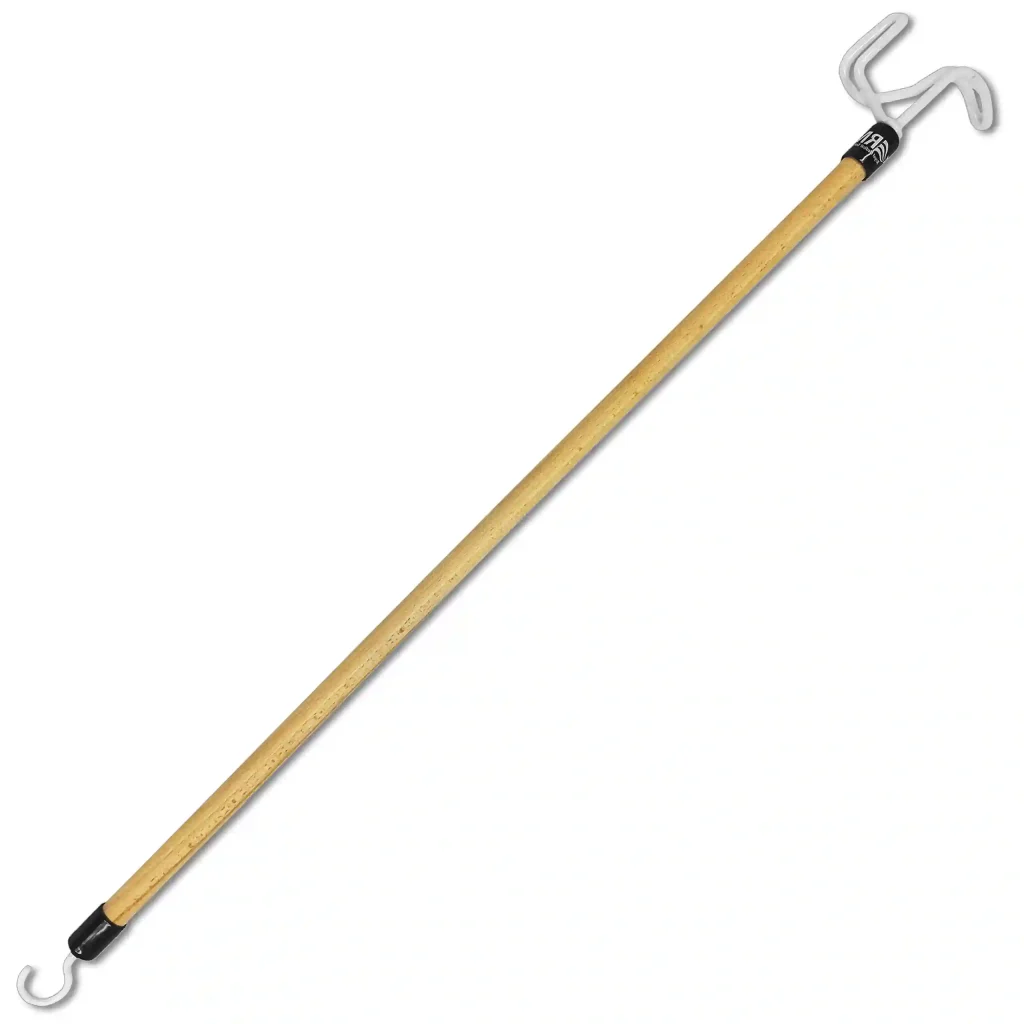
A sock aid is a tool made just for putting on socks. It holds the sock wide open. Then you slide your foot right in. A dressing stick is a long rod with hooks on the ends. It helps you pull up loose pants or slide off tight shirts.
If you only struggle with your feet, pick a sock aid. If you need help with pants, coats, and zippers, pick a dressing stick. Many seniors find they truly need both tools. They do not do the same job. They work best as a team.
Sock Aid vs Dressing Stick At A Glance
Here is a quick look at how these two tools match up. See what each one does best for you.
| Feature | Sock Aid | Dressing Stick |
| Main Job | Putting on your socks | Pulling up your clothes |
| Back Bending | None is needed | Very little is needed |
| Grip Effort | Needs a strong pinch | Needs a basic hand grasp |
Sock Aid Review For Senior Daily Needs
The sock aid solves one huge daily problem. It makes putting on socks safe and simple. It is a must-have for safe foot care.
Ease of Use
Using it is a very simple process. First, you pull your sock over the flexible plastic tube. Second, you drop the tube to the floor. Third, you hold onto the long pull cords. Finally, you slide your foot in and pull the soft cords up. It is very easy to learn. Most folks master it on the first try.
Key Strengths
- Stops you from bending down to the floor.
- Keeps your new hip joint safe from twisting.
- Soft cloth covers hold the sock very tight.
- Long cord pulls stop bad lower back strain.
- Keeps your body balance safe while seated.
Potential Drawbacks
- Does not work well for heavy support socks.
- Takes two hands to load the sock on the tube.
- Cannot help with your daily pants or shirts.
- Can warp if you leave it near a hot heater.
Dressing Stick Review For Senior Uses
This handy tool acts like an extra long arm. It is a wooden or plastic stick. It features a push-pull metal hook on one end.
Ease of Use
You use the smart hook to grab loose cloth. You can catch the belt loop of your heavy pants. Then you simply pull them up to your knees. You can also use it to push a coat off your stiff shoulder. It takes a little bit of practice to catch the cloth just right. But it soon becomes a quick daily habit.
Key Strengths
- Pulls up slacks and skirts with great ease.
- Pushes off thick jackets and tight sweaters.
- Hooks easily grab tiny zippers and belt loops.
- Works for many different parts of getting dressed.
- Helps you reach things dropped on the bedroom rug.
Potential Drawbacks
- Metal hooks can snag thin or delicate cloth.
- Does not hold a sock wide open for your foot.
- Needs some arm strength to lift heavy winter clothes.
- Can be too long to pack in a small travel bag.
Which Is Easier for Seniors to Use?
Ease of use changes based on your own body limits. Let us look at what each tool demands from you. This helps you find a safe match.
“The best daily tool fits your natural movement. It should never force you to strain or stretch.”
The sock aid takes some hand strength at first. You must stretch the sock over the wide plastic tube. But once it is set, you just pull the soft cords. It is very easy on your sore shoulders.
The dressing stick requires good shoulder movement. You have to reach out and hook your clothes. If you have very bad shoulders, the dressing stick might feel hard to lift. But if your hands are weak, the thick stick might be easy to grip.
Performance Comparison
How well do they do their main jobs? Both tools work great when used the right way. Let us compare their daily home use.
The sock aid works perfectly for basic cotton socks. It does one exact job. It does that job very well. It rarely fails the user.
The dressing stick is a multi-purpose tool. It performs well for pants, shirts, and skirts. It can even help you put on loose slip-on shoes. But it is very poor at putting on socks. It cannot stretch the sock open for your toes at all.
Comfort, Accessibility, and Senior-Friendly Design
Good tools should feel good in your bare hands. Let us compare how they feel and function. We want tools that prevent new joint pain.
The sock aid often features thick foam grips. These grips rest at the exact end of the long cords. This foam is soft on painful, stiff hands. The plastic tube bends lightly to fit your heel. This is very smart senior design.
The dressing stick is a rigid, solid long shaft. You should look for one with a thick foam handle cover. Thin bare wooden sticks can be hard to hold if you have stiff hand joints. A thicker soft handle means you do not have to squeeze as hard.
Features Comparison
Here is a breakdown of the key parts of each tool. This basic table shows what product parts to check.
| Part to Check | Sock Aid | Dressing Stick |
| Handle Type | Foam grips on soft cords | Bare wood or thick soft foam |
| Base Material | Bendable molded white plastic | Hard wood or solid metal rod |
| Average Size | 30-inch cords are very normal | 24 to 28 inches in full length |
Price, Maintenance, and Long-Term Value
Both of these helpful aids are very cheap to buy. They offer great value for the low daily cost. You get daily help for the price of a cheap lunch.
A basic sock puller costs around ten to fifteen dollars. A standard dressing stick costs about the exact same amount. They do not need fresh batteries. They do not need expensive fix parts.
You just wipe them clean with a simple damp cloth. The plastic on a sock aid can crack over years of hard use. But both tools will last a very long time in your closet.
Who Should Choose a Sock Aid?
This specific tool is best for foot and back struggles. It solves a very distinct morning problem.
- Choose it if you recently had major hip surgery.
- Choose it if bending causes you severe back pain.
- Choose it if you only need help reaching your bare feet.
- Choose it if you wear standard cotton socks every single day.
- Choose it if a doctor told you not to bend past your waist.
Who Should Choose a Dressing Stick?
This long rod helps with the rest of your daily wardrobe. It is a great helper for your upper and lower body.
- Choose it if you cannot reach your feet to pull up pants.
- Choose it if you struggle to take off tight winter jackets.
- Choose it if you need help hooking tiny zippers on dresses.
- Choose it if you have very limited bending motion in your spine.
- Choose it if you have strong shoulders but a bad lower back.
Sock Aid vs Dressing Stick Final Verdict
It is time to make a smart home choice. Here is the simple truth about these two helpful tools. They serve different exact needs.
Best for foot care: Sock Aid.
Best for general clothes: Dressing Stick.
Best overall value: Buying both tools in a joint dressing kit.
Since they do completely different daily jobs, they do not replace each other. If you cannot bend your back or hips, you will likely need both to get fully dressed safely. They are cheap enough to own both types.
Scoring Summary
Here is how they rank in basic home use. Both tools score very high for their unique jobs. They both boost your daily safety.
| Category | Sock Aid | Dressing Stick |
| Ease of Use | 9/10 | 8/10 |
| Senior Comfort | 9/10 | 7/10 |
| Does Its Job Well | 10/10 | 8/10 |
| Easy to Clean | 9/10 | 10/10 |
| Daily Value | 10/10 | 10/10 |
How We Evaluate Products
We look at tools based on real senior home needs. We focus on safety and simple daily use. We want tools that keep you safe at home.
Our review checks how much arm strength is truly needed. We look closely at handle grip size and total item weight. We also check if the tool stops bad bending habits. We grade tools on how well they prevent risky falls in the bedroom.
Senior-Specific Buying Considerations
Keep these small details in mind before you buy. Small hardware changes make a huge difference in daily comfort.
- Grip Size: Make sure the handle is thick enough for stiff hands to hold easily.
- Cord Length: Sock puller cords must let you sit up completely straight.
- Hook Style: Dressing stick hooks should be smooth metal, not sharp plastic.
- Item Weight: The stick must be very light so your arm does not get tired holding it.
- Cloth Cover: Some sock tools have a terry cloth cover to grab the sock better.
Common Buying Mistakes
Avoid these common errors when you go shopping online. A bad choice can make getting dressed harder than before.
- Buying a stick that is far too short for your tall body height.
- Getting a hard plastic sock aid if you have very wide, swollen feet.
- Picking a thin wooden stick that makes your hand cramp up.
- Thinking one single tool will solve every dressing problem you have.
- Ignoring cord length on the sock puller and having to lean over anyway.
- Buying cheap tools with sharp edges that can snag nice clothes.
Safety
Using these tools right keeps you safe. Keep these easy safety rules in mind every single morning.
Always sit down in a sturdy chair with armrests when you get dressed. Never use these tools while standing up on one foot. A good chair keeps you stable.
Check your tools often for cracked plastic or sharp edges so you do not cut fragile skin. If you feel sudden sharp joint pain, stop right away. Ask a physical therapist to show you the best safe way to move.
Conclusion
The final choice between a sock aid and a dressing stick comes down to your clothing needs. The sock aid is the absolute best tool to reach your feet safely. The dressing stick takes care of your pants, shirts, and jackets.
Both tools help you stay safe and dress on your own time. If bending causes you bad pain, these cheap tools are worth every single penny. You may find that keeping both tools in your bedroom closet is the smartest move of all. Getting a kit with both tools gives you full daily peace of mind.
