
Transfer Board vs Transfer Belt: Which Aid Is Best?


Easy Grip Kitchen Utensils

Weighted Blanket

Shiatsu Neck Massager
When picking between a transfer board vs transfer belt, safety is the main goal. Both tools help older adults move safely inside the home. They lower the daily risk of bad falls. They also protect caregivers from sharp back pain. Choosing the right mobility tool keeps everyone safe.
However, these two helpful tools do very different jobs. A board helps a seated person slide slowly across an open gap. A belt helps a caregiver hold someone who can stand up. Picking the wrong tool makes daily moving much harder than it should be. It can lead to painful falls. It can cause a deep fear of moving. The right choice brings pure peace of mind to the whole family.
Quick Comparison
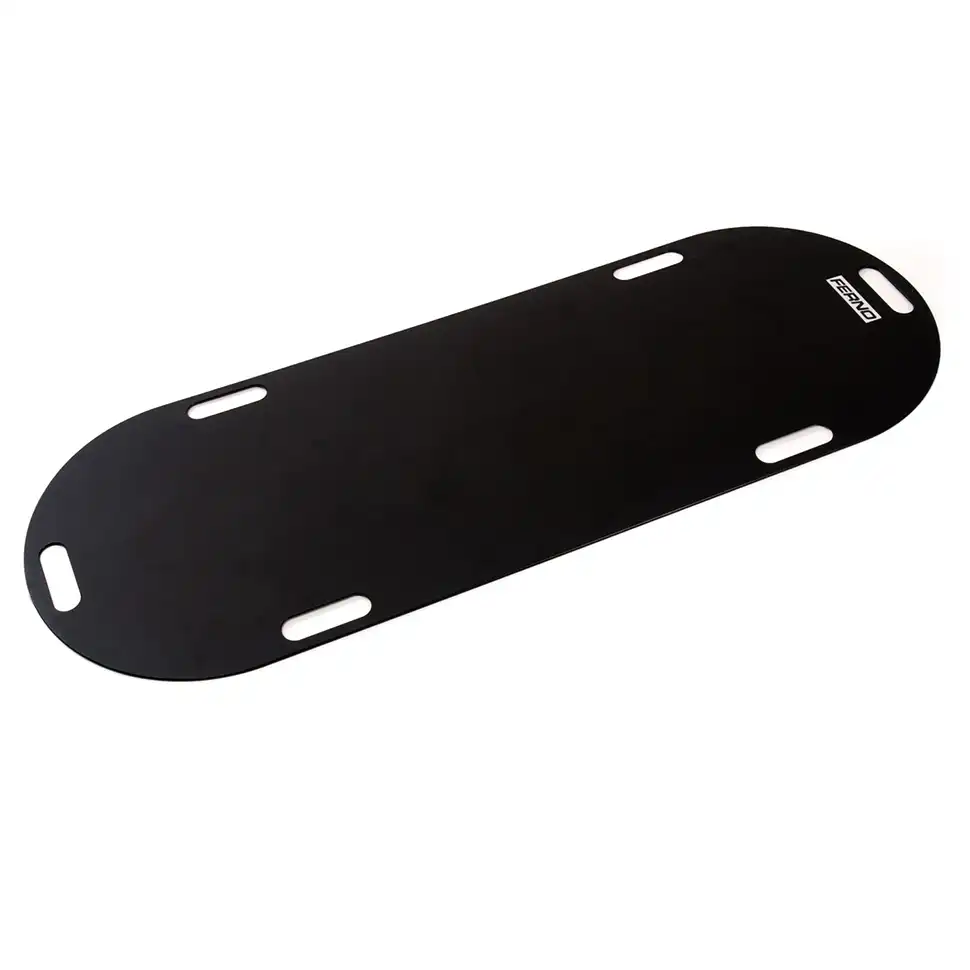
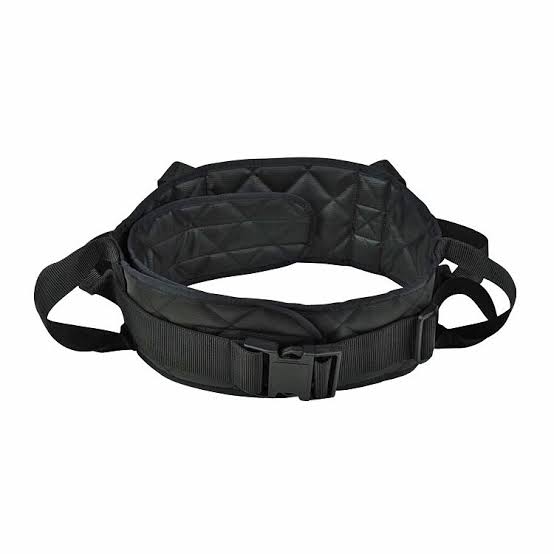
A transfer board is best for seniors who cannot put any weight on their legs. It bridges the empty gap between a bed and a wheelchair. A transfer belt is best for seniors who can stand up but feel a bit wobbly.
If you can put weight on your feet safely, a belt is usually the best choice. It helps you keep your daily muscle strength. If you must stay seated all day, a board is the clear winner. Neither tool is perfect for every single person. You must match the tool to the senior.
Transfer Board vs Transfer Belt At A Glance
Here is a quick look at how these two mobility aids compare. This simple table shows their main uses and basic physical needs.
| Feature | Transfer Board | Transfer Belt |
| Best For | Seated sliding moves | Standing up or walking |
| Leg Strength | None needed at all | Partial to full strength |
| Arm Strength | High strength needed | Low strength needed |
Transfer Boards: Practical Daily Use
Transfer boards bridge the gap between two flat spots. They help seniors move safely without standing up on their feet.
Ease of Use
A board is fairly easy to use with some practice. You place one flat end under the seated user. You place the other end on the target seat. The user then slides slowly across the smooth board. The wheelchair armrest must be removed first to make room. Some modern boards have a special sliding disc. This disc moves directly with the person. It stops the skin from rubbing hard against the flat board. This is a very nice upgrade for tender senior skin.
Key Strengths
- Great for seniors with zero leg strength.
- Reduces very heavy lifting for the caregiver.
- Allows some strong users to move all alone.
- Works very well for moving into a car seat.
- Helps move someone safely from bed to chair.
- Stops harsh back strain for the busy helper.
Potential Drawbacks
- Requires very strong arms to push across.
- Can cause painful skin rubbing on bare skin.
- Needs two seats at the exact same height.
- Can slip if the user moves too fast.
- Can feel very stiff and cold on bare legs.
Transfer Belts: Practical Daily Use
Transfer belts wrap snugly right around a senior’s waist. They give helpers a very safe place to grab and hold.
Ease of Use
Belts are very simple to put on someone. You just buckle the thick strap around their waist. Caregivers grip the belt tightly to guide the senior. This stops you from pulling on weak arms or loose clothing. It protects fragile senior joints from bad pulls. You can adjust the thick strap to fit very snugly. You can quickly take it off when they sit down safely. The strong loops give you a great firm grip. This stops your own hands from cramping up badly.
Key Strengths
- Helps steady older adults while they walk.
- Makes standing up from a deep chair safer.
- Prevents helpers from pulling on weak arms.
- Folds up small to fit into a daily bag.
- Costs very little money to buy online today.
- Helps guide someone slowly down the stairs.
Potential Drawbacks
- Requires the user to bear their own weight.
- Can ride up the chest if not buckled tightly.
- Not safe for seniors with sore stomach issues.
- Plastic buckles can break over a long time.
- Can feel tight and warm during summer days.
Which Is Easier for Seniors to Use?
The ease of use depends completely on your own physical strength. Here is exactly how they compare for normal daily tasks.
For seniors with strong arms but weak legs, the board is much easier. They can push their own body across the open gap safely. It gives them a strong sense of daily freedom. They do not have to wait for someone to lift them up.
For seniors who can walk but feel a bit unsteady, the belt is easier. It provides a warm feeling of total physical security. Caregivers also find belts easier for quick daily trips to the bathroom. You just click it on and walk together safely.
Daily Performance Comparison
Performance comes down to the exact type of move you need to make. Let us look at how they handle common daily tasks.
| Transfer Type | Best Tool Choice | Why It Works So Well |
| Bed to Wheelchair | Transfer Board | Bridges the open space |
| Sit to Stand Up | Transfer Belt | Gives firm upward pull |
| Walking Down Hall | Transfer Belt | Stops sudden bad falls |
Comfort, Accessibility, and Senior-Friendly Design
Comfort matters a great deal when moving every single day. A poorly made tool can cause sharp pain or bad skin tears.
Transfer boards are made of smooth wood or hard plastic. Wood can be very stiff, but it slides very well. Plastic boards are lighter and much easier to wipe clean. Some fancy boards even have a sliding seat to stop skin rubs. This protects fragile senior skin nicely.
Transfer belts are often made of soft cotton or tough nylon. Nylon is very strong but can feel a bit rough. Cotton is much softer on fragile senior skin. Belts with thick padded handles are much more comfortable for the helper. They stop the strong strap from hurting the helper’s tired hands.
“Picking the right mobility aid is about matching the exact tool to the person, not just buying what is cheap.”
Key Features Comparison
Small physical details make a very big difference in daily use. Here is exactly what to look for in each mobility tool.
| Feature Focus | Transfer Board | Transfer Belt |
| Material Type | Wood or hard plastic | Soft cotton or nylon |
| Grip Options | Cut out side handles | Sewn loop hand holds |
| Weight Limits | Up to 300 or 400 lbs | Safely holds 300+ lbs |
Price, Maintenance, and Long-Term Value
Both tools are very cheap to buy online or in local stores. They offer great long-term value for the daily safety they bring.
Transfer boards usually cost between forty and eighty dollars. They easily last for many long years of heavy use. You just wipe them clean with mild soap and warm water. You should check wooden boards nicely for sharp splinters over time. Some wooden boards have a clear gloss finish. This finish stops the hard wood from rotting or cracking.
Transfer belts are even cheaper to buy today. Most cost between fifteen and thirty dollars. You can throw soft cotton belts right into your home washing machine. Both items have zero upkeep costs over time. Buying a high-quality model is a very smart long-term choice. A good nylon belt will not tear or rip easily under heavy weight.
Who Should Choose a Transfer Board?
A sliding board is not the right choice for every single person. It works best in a few exact daily home situations.
- Choose a board if the user cannot stand up at all.
- Choose a board if both seats are at the exact same height.
- Choose a board for safely sliding into a car seat.
- Choose a board if the user has very strong upper arms.
- Choose a board if the wheelchair arms come off easily.
- Choose a board for moving onto a shower chair safely.
Who Should Choose a Transfer Belt?
A gait belt is a wonderful everyday tool for many older adults. It fits a very wide range of simple daily mobility needs.
- Choose a belt if the older adult can stand up alone.
- Choose a belt if they just need a little balance help.
- Choose a belt to protect the helper from bad back pain.
- Choose a belt for safely walking short distances daily.
- Choose a belt to help someone off the bathroom toilet.
- Choose a belt if the senior needs physical therapy help.
Final Verdict
Making the final choice depends completely on daily leg strength. Here is the final easy breakdown for smart family buyers.
- Best for most seniors who can stand: Transfer Belt.
- Best for full-time wheelchair users: Transfer Board.
- Best overall daily value: Transfer Belt.
- Best for caregiver safety: It depends on the task.
If a senior cannot put any weight on their feet safely, buy the board. If they just need a steady hand while walking, buy the belt. Both tools make daily life much safer when used right.
Quick Scoring Summary
Here is a fast look at how these helpful tools score. These simple scores reflect general daily senior home use.
| Category Rated | Transfer Board | Transfer Belt |
| Ease of Setup | 7 out of 10 | 9 out of 10 |
| Senior Comfort | 7 out of 10 | 8 out of 10 |
| Caregiver Help | 8 out of 10 | 9 out of 10 |
| Daily Value | 9 out of 10 | 9 out of 10 |
How We Evaluate Products
We look at new products closely through the eyes of older adults. We focus strongly on real daily home needs.
We closely compare ease of use, daily safety, and physical effort. We carefully check how easy these tools are to wash and clean. We look at long-term daily value and exact store price. We also read product spec sheets to find safe weight limits. We want to ensure the tool does exactly what it promises without extra stress.
Senior-Specific Buying Considerations
You must check a few important details before you finally buy. Think deeply about these practical daily points.
Daily Physical Effort
Can the senior easily help with the move? If they cannot help at all, you might need a big mechanical lift instead.
Safe Material Choice
Does the senior have very thin or fragile skin? If yes, look for a soft cotton belt. You can also pick a board with a very smooth, slick finish.
User Weight Capacity
Always check the printed weight limit on the box. Make sure the tool can safely hold the exact weight of the user.
Caregiver Back Strength
A belt needs the caregiver to hold the person firmly steady. The caregiver must be strong enough to do this without back pain.
Common Buying Mistakes
Many busy families buy the wrong item in a fast rush. Avoid these very common daily shopping traps.
- Buying a sliding board when the senior has zero arm strength.
- Buying a cheap belt without side handles for heavy users.
- Ignoring the printed weight limit on the product box.
- Buying a thin plastic board that bends too much in use.
- Using a tight belt on someone with recent stomach cuts.
- Forgetting to take off the wheelchair arm rests first.
Important Safety Rules
Safety is always the very biggest concern at home. Follow these basic rules to avoid very bad physical falls.
Never use a flat transfer board on a soft bed that sinks deeply. The hard board can tip over fast. Always make sure the heavy wheelchair brakes are locked tightly.
For walking belts, always fasten the front buckle very snugly. A loose belt can slide right up to the bare chest quickly. This can cause very bad breathing issues. Never ever pull up on a senior’s weak arms. Always pull firmly on the heavy belt handles instead. If you have deep health worries, it could be worth discussing with a healthcare professional first.
Conclusion
Choosing quickly between a transfer board vs transfer belt comes down to plain leg strength. If the user can stand up and bear weight, a belt is the right choice. It helps them walk nicely and balance very safely.
If the user must stay seated all day, a board is the safest option. It bridges open gaps very smoothly and safely. Always think about the total strength of both the senior and the helper before you finally buy. This simple step ensures a very safe and happy home for everyone.