
Oral vs Ear Thermometer for Seniors

Electric Heating Pad

Motion Sensor Night Lights

Lightweight Aluminum Walker
Oral vs Ear Thermometer is a useful comparison for seniors who want a simple way to check their body temperature at home. Both types can help detect a fever, but they work in different ways.
An oral thermometer goes under the tongue. An ear thermometer uses an infrared sensor inside the ear. The right choice depends on comfort, ease of use, and how well the person can follow the instructions.
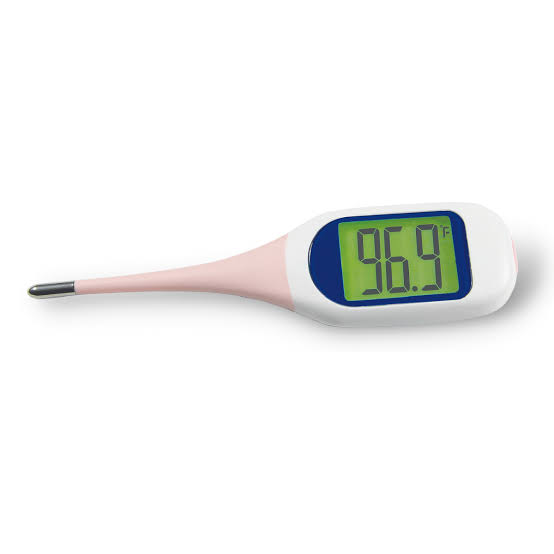
Quick Comparison
An ear thermometer may be the better choice for speed and convenience, especially for seniors who find it hard to keep a thermometer under the tongue. An oral thermometer may suit those who prefer a familiar method and can hold it in the correct position.
Neither option is always more accurate. Proper use matters with both types. Earwax and poor placement can affect ear readings, while eating, drinking, or incorrect placement can affect oral readings.
Oral vs Ear Thermometer At a Glance
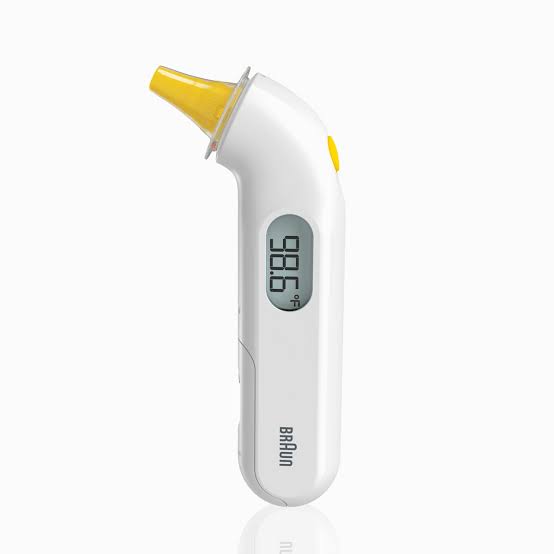
Both options are useful for home temperature checks. Here are the main differences to consider before choosing one.
| Feature | Oral Thermometer | Ear Thermometer |
|---|---|---|
| How it works | Measures temperature under the tongue | Uses infrared to measure heat inside the ear |
| Ease of use | Requires keeping the mouth closed | Requires correct placement in the ear |
| Speed | Usually takes longer | Often gives a reading within seconds |
| Physical effort | Requires holding the mouth closed | Requires positioning the device correctly |
| Cleaning | Clean the probe after use | Clean the sensor as directed |
| Common concern | Recent food or drinks may affect readings | Earwax or poor positioning may affect readings |
| Best suited for | People comfortable with oral measurements | People who prefer quick ear measurements |
Oral Thermometer Review for Seniors
A digital oral thermometer is a common choice for checking body temperature at home. It is often simple to operate and does not require a special ear sensor.
Ease of Use
Most digital oral thermometers have a small display and a start button. The user places the tip under the tongue and keeps the mouth closed until the device signals that the reading is ready.
This method may work well for seniors who can hold the thermometer steady and follow the steps without help.
However, it may be less convenient for someone who has trouble keeping their mouth closed or holding the device in place.
Key Strengths
- Familiar and straightforward measurement method.
- Many models are inexpensive.
- No ear canal positioning is needed.
- A basic model may be enough for everyday home use.
- The reading is easy to record for future reference.
Potential Drawbacks
- The user must keep the thermometer in the correct position.
- Eating or drinking shortly before measurement may affect the result.
- It may be difficult for someone who cannot comfortably keep their mouth closed.
- The probe needs proper cleaning after each use.
Ear Thermometer Review for Seniors
An ear thermometer, also called a tympanic thermometer, uses infrared technology to measure temperature inside the ear canal. It is designed to provide a quick reading without placing a device under the tongue.
Ease of Use
An ear thermometer can be convenient for someone who wants a fast result. Many models have a simple button and a digital display.
The main challenge is positioning. The sensor must point correctly into the ear canal, following the manufacturer’s instructions. A poorly positioned device may give an inaccurate reading.
Some seniors may find this easy to manage. Others may prefer help from a caregiver.
Key Strengths
- Often provides a reading within seconds.
- Does not require keeping the mouth closed.
- May be convenient for frequent temperature checks.
- Can be useful when oral measurement is uncomfortable.
- Some models have large displays or memory features.
Potential Drawbacks
- Earwax can affect the reading.
- Correct positioning takes care and practice.
- Some models require disposable probe covers.
- Ear discomfort or certain ear conditions may make this method less suitable.
- The initial cost may be higher than that of a basic oral thermometer.
Which Thermometer Is Easier for Seniors to Use?
Ease of use depends on the person’s needs and abilities. A simple device is often more useful than one with features the user does not need.
| User Need | Better Option to Consider |
|---|---|
| Prefers a familiar method | Oral thermometer |
| Wants a quick reading | Ear thermometer |
| Has difficulty keeping the mouth closed | Ear thermometer, if suitable |
| Has significant earwax buildup | Oral thermometer, if suitable |
| Has difficulty positioning small devices | Depends on dexterity and caregiver support |
| Wants a basic, low-cost device | Oral thermometer |
An ear thermometer is not automatically easier for everyone. A senior with limited hand control may find it hard to position the sensor. Someone else may find holding a thermometer under the tongue uncomfortable.
The best choice is the one the person can use correctly and consistently.
Performance Comparison
Both types can provide useful temperature readings when used properly. Their performance depends on the device, measurement technique, and the person’s circumstances.
An oral thermometer measures temperature in the mouth. An ear thermometer measures infrared heat inside the ear canal. These readings can differ because they come from different body sites.
For reliable results:
- Follow the instructions for the exact model.
- Use the correct measurement position.
- Check the device’s battery when readings seem inconsistent.
- Repeat a reading if the result seems unexpected, following the device instructions.
- Tell a healthcare professional which measurement method you used.
Do not assume that a reading from one type will match a reading from the other.
Comfort, Accessibility, and Senior-Friendly Design
Comfort can make a real difference when someone needs to check their temperature often.
An oral thermometer may feel familiar, but the user must keep the tip under the tongue and the mouth closed. An ear thermometer avoids that step but requires careful placement in the ear.
Look for features that make daily use easier:
- Large display: Helpful for users who find small numbers hard to read.
- Clear buttons: Simple controls can reduce confusion.
- Audible signal: A completion sound can help the user know when to read the result.
- Easy cleaning: Check the manufacturer’s cleaning instructions.
- Memory function: Useful for tracking readings over time.
- Comfortable shape: The device should be easy to hold and position.
Not every senior needs extra assistance. Choose features based on the user’s actual needs rather than age alone.
Features Comparison
The most useful features are those that make temperature checks simple and reliable.
| Feature | Oral Thermometer | Ear Thermometer |
|---|---|---|
| Digital display | Common | Common |
| Memory | Available on some models | Available on some models |
| Measurement speed | Varies by model | Often very quick |
| Disposable covers | Usually not needed | Required by some models |
| Positioning assistance | Correct placement under tongue | Correct ear alignment |
| Multiple users | Requires cleaning between uses | Requires cleaning and covers as directed |
Features vary by model. Check the product manual before buying, especially if several family members will share the device.
Price, Maintenance, and Long-Term Value
A basic oral thermometer is often an affordable option. An ear thermometer may cost more, depending on its design and features.
The purchase price is only one part of the cost. Consider the supplies and care needed over time.
| Cost Factor | Oral Thermometer | Ear Thermometer |
|---|---|---|
| Initial cost | Often lower | Can be higher |
| Consumables | Usually minimal | Probe covers may be needed |
| Cleaning | Clean the probe as directed | Clean the sensor as directed |
| Batteries | Depends on model | Depends on model |
| Long-term value | Good for simple needs | Good for users who value speed |
A basic oral thermometer may offer better value if you only need occasional checks. An ear thermometer may be worth the extra cost if quick readings make daily care easier.
Who Should Choose an Oral Thermometer?
Consider an oral thermometer if:
- You prefer a familiar temperature-checking method.
- You want a simple device for home use.
- You can comfortably keep the thermometer under your tongue.
- You want to avoid ear sensor positioning.
- You prefer a low-cost option.
It can also suit caregivers who want a straightforward device for someone comfortable with oral measurements.
Who Should Choose an Ear Thermometer?
Consider an ear thermometer if:
- You want a quick temperature reading.
- You find oral measurement uncomfortable.
- You can position the sensor correctly.
- You want a convenient option for regular checks.
- You are comfortable following the device’s cleaning instructions.
If earwax buildup or an ear problem may affect measurement, ask a healthcare professional whether another method would be more suitable.
Oral vs Ear Thermometer — Final Verdict
The best option depends on what matters most to the user.
- Best for a basic home thermometer: Oral thermometer.
- Best for quick readings: Ear thermometer.
- Best for avoiding oral measurement: Ear thermometer, if suitable.
- Best value for simple needs: Often an oral thermometer.
- Best overall for seniors: Depends on comfort, technique, and individual needs.
An ear thermometer can make temperature checks quicker, but an oral thermometer may be just as practical for someone comfortable with the method.
Scoring Summary
These are general usability judgments, not laboratory test results. Actual performance varies by model and technique.
| Category | Oral Thermometer | Ear Thermometer |
|---|---|---|
| Ease of use | 8/10 | 8/10 |
| Senior-friendly design | 8/10 | 8/10 |
| Speed | 7/10 | 9/10 |
| Maintenance | 9/10 | 7/10 |
| Value | 9/10 | 8/10 |
The scores are illustrative comparisons, not verified product ratings. They should not be treated as evidence that one type is clinically more accurate than the other.
How We Evaluate Products
This comparison considers the practical needs of older adults and caregivers.
We focus on ease of use, comfort, measurement technique, maintenance, cost, and useful features. We also consider how each thermometer fits into everyday home care.
This is a general product-category comparison, not a hands-on test of specific models. Individual products may differ in accuracy, speed, display design, and ease of cleaning.
Senior-Specific Buying Considerations
Before choosing a thermometer, consider these factors.
Physical Effort
Can you hold the device steady? Can you comfortably keep your mouth closed or position the ear sensor?
Controls and Display
Choose a device with clear buttons, readable numbers, and a signal that is easy to notice.
Cleaning
Check how to clean the probe or sensor. If multiple people share the device, follow the instructions for preventing cross-contamination.
Setup
A simple device with clear instructions may be easier to use than one with complex settings.
Health Needs
If you need frequent temperature checks or have a medical condition that affects how you should monitor fever, ask your healthcare professional which method is appropriate.
Common Buying Mistakes
Avoid these mistakes when choosing between oral and ear thermometers.
- Choosing by price alone: A cheap device is not good value if it is hard to use correctly.
- Ignoring positioning: Poor placement can lead to misleading readings.
- Overlooking cleaning: Both types need proper care.
- Buying unnecessary features: Extra memory or multiple modes may not be useful to everyone.
- Comparing readings incorrectly: Oral and ear measurements can differ.
- Ignoring the manual: Different models may have different instructions and limitations.
Safety Considerations
A thermometer helps you monitor temperature, but the reading is only one part of assessing illness.
For oral measurements, follow the manufacturer’s instructions about eating, drinking, and waiting before taking a reading. For ear measurements, insert the device only as directed and never force it into the ear canal.
A reading of 100.4°F (38°C) or higher is commonly considered a fever for adults, but symptoms and individual circumstances also matter. Older adults may have serious infections without developing a high fever.
Seek medical advice when symptoms are concerning, even if the thermometer reading appears normal. Get urgent medical help for severe symptoms such as difficulty breathing, new confusion, or difficulty waking.
Frequently Asked Questions
Is an oral thermometer more accurate than an ear thermometer?
Not in every situation. Both can provide useful readings when used correctly. The device, technique, and measurement site can affect the result.
Which thermometer is faster?
Ear thermometers often provide results within seconds. Oral thermometers may take longer, depending on the model.
Can seniors use ear thermometers at home?
Yes. Many ear thermometers are suitable for adult home use. Correct positioning and following the manufacturer’s instructions are important.
Can earwax affect a temperature reading?
Yes. Earwax buildup can interfere with ear thermometer readings. Consider another suitable method or ask a healthcare professional for guidance.
Should I use both types to confirm a fever?
Usually, it is better to use one suitable method correctly and follow the device instructions. If a reading seems inconsistent with the person’s symptoms, repeat it as directed or seek medical advice rather than simply comparing readings from different sites.
Which thermometer is better for caregivers?
An ear thermometer may save time during routine checks. An oral thermometer may be easier for someone who prefers a familiar method. The best choice depends on the person’s comfort and ability to use the device correctly.
Conclusion
Oral and ear thermometers can both be useful for seniors. Oral models are often affordable and familiar, while ear models offer quick readings and avoid placing a thermometer under the tongue.
Choose the device that is comfortable, easy to operate, and suitable for the user’s needs. Above all, follow the manufacturer’s instructions and take concerning symptoms seriously, even when a temperature reading is not high.
