
Air Purifier vs Air Filter for Seniors


Memory Foam Seat Cushion

Compression Socks

Weighted Blanket
Air Purifier vs Air Filter is a useful comparison if you want cleaner air at home. Both can help remove airborne particles, but they work in different ways. An air purifier is a complete device, while an air filter is a part that traps particles as air passes through it.
For older adults, the right choice depends on the home, the existing heating or cooling system, and the type of air pollution you want to reduce. A portable purifier may suit one room, while an upgraded HVAC filter may help clean air moving through a whole-home system.
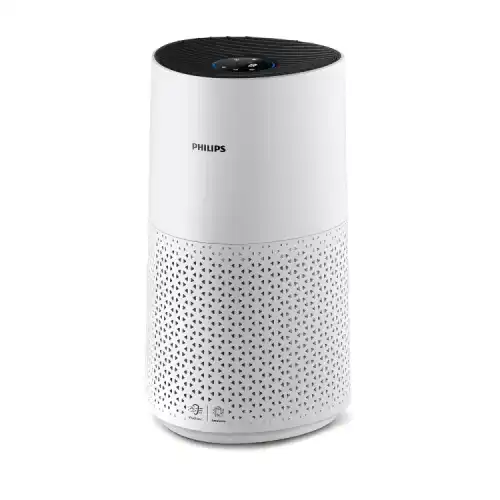
Quick Comparison
An air purifier is often the simpler choice for one room, especially if the home has no central HVAC system. It works as a standalone device and usually needs only a power outlet and routine filter changes.
An HVAC air filter may offer better value if you already have a compatible central air system. It fits into the existing equipment, so there is no separate appliance to place in the room. The main trade-off is that it only filters air when the system moves air through it.
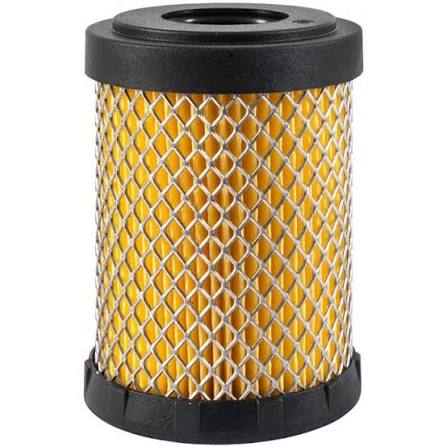
Air Purifier vs Air Filter at a Glance
These options can work together, but they serve different roles. Here is how they compare for everyday use.
| Feature | Air Purifier | Air Filter |
|---|---|---|
| What it is | A complete air-cleaning device | A filter used in an air-moving system or appliance |
| Best use | Cleaning air in a selected room | Filtering air through compatible equipment |
| Setup | Usually plug in and position | Install in the correct filter slot |
| Room coverage | Depends on clean air delivery rate (CADR) | Depends on the system and airflow |
| Noise | Fan noise may be noticeable | Usually no separate appliance noise |
| Maintenance | Clean the unit and replace filters | Inspect and replace the filter |
| Ongoing cost | Replacement filters and electricity | Replacement filters and system operating costs |
| Best fit | Homes needing extra room filtration | Homes with a compatible HVAC system |
Air Purifier Review for Seniors
A portable air purifier draws room air through one or more filters and sends the treated air back into the room. Some models use HEPA filters for particles and activated carbon for certain gases and odors.
Ease of Use
Most basic models need little setup. Place the unit on a stable surface, plug it in, and select a fan speed. A model with large buttons, clear labels, and simple controls may be easier for someone with limited dexterity or poor eyesight.
Before buying, check the unit’s weight and filter access. A purifier that is easy to switch on may still be awkward to lift or maintain.
Key Strengths
- Works without a central HVAC system.
- Can target a bedroom, living room, or another frequently used space.
- Some models offer HEPA filtration for airborne particles.
- Portable units can be moved when needed, provided their weight is manageable.
- Certain models include activated carbon filters for specific gases and odors.
Potential Drawbacks
- Requires floor or table space and access to an outlet.
- Fan noise may disturb sleep at higher speeds.
- Replacement filters can add to long-term costs.
- A unit designed for a small room may not clean a large open area well.
- Some models have small displays or complicated app controls.
Air Filter Review for Seniors
An air filter traps particles as air passes through it. In a home, this may be a replacement filter inside a furnace, central air conditioner, or HVAC system.
Ease of Use
Once correctly installed, an HVAC filter usually needs no daily interaction. This can be helpful for someone who prefers not to operate another appliance.
However, replacing it may require bending, reaching into a cabinet, or opening a filter compartment. A family member or maintenance professional may need to help if the filter is difficult to access.
Key Strengths
- Uses an existing HVAC system rather than requiring another appliance.
- Can filter air moving through the system to multiple rooms.
- Does not take up additional living space.
- Requires no separate purifier controls.
- May be an economical option when the system is already suitable.
Potential Drawbacks
- Works only when air passes through the filter.
- Does not necessarily provide enough filtration for every room.
- The wrong filter size can allow air to bypass the filter.
- A higher-rated filter may not suit every system.
- Installation and replacement may be difficult for some homeowners.
Which Is Easier for Seniors to Use?
The easier option depends on whether you prefer a separate device or an existing home system.
| Senior Need | Better Fit | Why |
|---|---|---|
| No central HVAC system | Air purifier | Works as a standalone device |
| Less daily interaction | HVAC air filter | No separate controls to operate |
| Cleaner air in one bedroom | Air purifier | Can be placed in the room |
| No extra floor space | HVAC air filter | Fits inside compatible equipment |
| Difficulty lifting or bending | Depends on access | Filter changes and purifier cleaning may both need help |
| Simple maintenance routine | Depends on the setup | Both require periodic filter replacement |
A purifier with simple controls may be easier for daily use. An HVAC filter may be easier for someone who does not want another appliance to manage.
Performance Comparison
Performance depends on the filter, airflow, room size, and how long the system runs.
A portable purifier should have a clean air delivery rate (CADR) suited to the room. Higher CADR generally means it can deliver filtered air more quickly. For an HVAC system, choose a filter with a suitable MERV rating, provided the equipment can handle it. The US Environmental Protection Agency advises using the highest-rated filter the system can accommodate.
| Performance Factor | Air Purifier | HVAC Air Filter |
|---|---|---|
| Room-level filtration | Can target a selected room | Depends on HVAC airflow and room distribution |
| Fine particle removal | Depends on the filter and CADR | Depends on filter rating and airflow |
| Operating time | Can run independently | Filters air while the system operates |
| Odor and gas removal | Requires a suitable gas filter, such as activated carbon | Most standard HVAC filters focus on particles |
| Whole-home coverage | Usually limited to its effective area | Can serve connected spaces through the HVAC system |
Neither option removes every indoor pollutant. Ventilation and controlling pollution sources remain important.
Comfort, Accessibility, and Senior-Friendly Design
Comfort matters if the equipment will run for hours each day.
For an air purifier, look for quiet low-speed operation, easy-to-read controls, stable placement, and accessible filters. Keep the unit clear of curtains and furniture so air can flow freely.
For an HVAC filter, check that the filter compartment is easy to reach and the replacement process is manageable. If changing it requires awkward lifting or bending, arrange help.
Older adults have different needs, so there is no single design that suits everyone. Choose the setup that fits the person’s home and abilities.
Features Comparison
Features are useful only when they solve a real problem. More settings do not always mean better filtration.
| Feature | Air Purifier | HVAC Air Filter |
|---|---|---|
| HEPA filtration | Available in many models | Not the usual rating system for standard HVAC filters |
| MERV rating | Usually not the main purifier rating | Commonly used for HVAC filters |
| Air quality display | Available on some models | Usually depends on separate equipment |
| Automatic operation | Available on some models | Depends on HVAC controls |
| Activated carbon | Available on some models | Not typical of standard particle filters |
| Smart controls | Available on some models | Depends on the home system |
Check the actual model specifications. Do not assume every purifier includes a HEPA filter or every HVAC system can accept a high-efficiency filter.
Price, Maintenance, and Long-Term Value
The purchase price is only one part of the cost. Replacement filters, electricity, and the effort needed to maintain the equipment also matter.
| Cost Factor | Air Purifier | HVAC Air Filter |
|---|---|---|
| Initial cost | Buy a complete device | Buy a compatible replacement filter |
| Replacement parts | Model-specific filters | Correct-size HVAC filters |
| Electricity | Uses power while running | Uses the existing HVAC system |
| Maintenance | Clean the unit and replace filters | Inspect and replace the filter |
| Long-term value | Useful for targeted room cleaning | Useful if an existing system meets your needs |
A replacement HVAC filter is often cheaper than buying a separate purifier. However, the better value depends on the current system, the size of the area, and the filtration you need.
Follow the manufacturer’s replacement schedule. Dirty filters can reduce performance, and higher-rated HVAC filters should only be used when compatible with the equipment.
Who Should Choose an Air Purifier?
An air purifier may be the better choice if:
- You want to clean the air in a bedroom or living room.
- Your home does not have central HVAC.
- You need additional filtration in a frequently used room.
- You prefer a standalone device with simple controls.
- You can manage its placement and routine filter changes.
Choose a model sized for the room, with a suitable CADR and a noise level that allows comfortable use.
Who Should Choose an Air Filter?
An HVAC air filter may be the better choice if:
- Your home already has a compatible central air system.
- You want to improve filtration without adding another appliance.
- You have limited space for a portable unit.
- The filter compartment is easy to access or someone can help with maintenance.
- Your existing system can accommodate the filter’s efficiency rating.
Check the size and rating before buying. A filter that does not fit correctly may let air pass around it instead of through it.
Air Purifier vs Air Filter — Final Verdict
The best option depends on your home’s setup rather than age alone.
- Best for one room: Air purifier.
- Best for homes without central HVAC: Air purifier.
- Best for using an existing central system: HVAC air filter.
- Best for avoiding another appliance: HVAC air filter.
- Best overall for most seniors: Neither is a universal winner. Choose based on room coverage, ease of maintenance, and system compatibility.
A portable purifier can provide targeted filtration. A compatible HVAC filter can improve filtration through an existing system. Some homes may benefit from using both.
Scoring Summary
Because these are different types of products, a single numerical score would be misleading. This practical summary compares their likely advantages instead.
| Category | Air Purifier | HVAC Air Filter |
|---|---|---|
| Ease of daily use | Strong | Strong once installed |
| Room-specific filtration | Strong | Depends on airflow |
| Space-saving design | Moderate | Strong |
| Simple setup | Usually strong | Depends on installation |
| Upfront cost | Higher | Usually lower |
| Maintenance access | Depends on model | Depends on system |
| Overall value | Strong for targeted needs | Strong with a compatible system |
These are qualitative assessments, not laboratory test results or scores from hands-on testing.
How We Evaluate Products
For this comparison, the main factors are practical use, filtration needs, setup, upkeep, accessibility, and long-term cost.
We distinguish between a standalone air-cleaning device and a filter installed in existing equipment. We also consider room coverage, filter compatibility, and whether the setup suits someone who wants minimal daily effort.
No personal testing is claimed. The recommendations are based on the differences between these product types and the available technical guidance.
Senior-Specific Buying Considerations
Before choosing either option, check the following points.
Physical Effort
Consider whether the unit needs lifting or whether filter replacement requires bending and reaching. Ask for help if maintenance is difficult.
Controls
Choose a purifier with clear labels and easy-to-use buttons. If the HVAC system already runs automatically, its filter may require less daily attention.
Maintenance
Check replacement filter costs and availability. A filter that is difficult to find or install may become a burden over time.
Room Coverage
Measure the room before choosing a purifier. For an HVAC filter, confirm that the system moves air through the areas you want to serve.
Filter Compatibility
For HVAC systems, check the correct dimensions and maximum supported filter rating. Consult an HVAC professional if you are unsure.
Noise and Comfort
If you plan to use a purifier in a bedroom, check its published noise ratings at the fan speeds you expect to use.
Common Buying Mistakes
Avoid these common errors when comparing an air purifier with an air filter.
- Comparing unlike products: A complete purifier and a replacement filter serve different roles.
- Ignoring room size: An undersized purifier may not provide enough filtered air.
- Choosing the highest filter rating automatically: HVAC compatibility matters.
- Forgetting replacement costs: Check filter prices before buying.
- Ignoring maintenance access: A device may be easy to operate but hard to clean.
- Expecting complete air purification: Neither option removes every indoor pollutant.
Safety Considerations
Choose filtration equipment carefully, especially if it will operate in a bedroom or another occupied room for long periods.
Avoid ozone generators marketed as air cleaners. The US EPA warns that ozone can irritate the lungs and that ozone-generating devices should not be used in occupied spaces.
Also remember that air filtration does not solve every air-quality problem. Moisture problems and mold require attention to their underlying causes. Ventilation and reducing pollution at its source remain important.
Frequently Asked Questions
Is an air purifier better than an air filter?
Not in every situation. A purifier is useful for targeted room cleaning, while an HVAC filter works with an existing air-moving system. The better choice depends on your home and needs.
Can an air filter clean the air in an entire house?
A central HVAC filter can filter air moving through the connected system. Its effectiveness depends on system operation, airflow, filter fit, and how air circulates through the home.
Do seniors need an air purifier?
Not necessarily. Some older adults may find one useful for room-specific filtration, but the decision depends on indoor air quality, personal needs, and the existing ventilation system.
Is a HEPA filter better than a standard air filter?
HEPA filtration is designed for highly efficient particle removal. Standard HVAC filters use ratings such as MERV. These ratings describe different filtration systems, so they should not be compared as if they were identical scales.
How often should an air filter be replaced?
Follow the product or HVAC manufacturer’s instructions. The right interval varies with the filter, system use, and amount of dust and other particles in the air.
Can an air purifier replace ventilation?
No. Air cleaning can supplement ventilation and pollution control, but it does not replace them.
Conclusion
Air Purifier vs Air Filter comes down to one key difference: a purifier is a complete device, while an air filter is a component used to trap particles in moving air.
Choose an air purifier if you want targeted filtration in a bedroom or living room. Choose an HVAC air filter if your home has a compatible central system and you want to improve its filtration without adding another appliance.
