
Massage Gun vs Foam Roller for Seniors


Large Display Clock with Date

Gardening Kneeler Bench

Digital Thermometer
When comparing a Massage Gun vs Foam Roller, the better choice depends on how you want to use it. A massage gun gives focused vibration from a handheld device. A foam roller uses body weight and rolling pressure.
For seniors, the biggest question is not which tool feels more powerful. It is which one feels easier, more comfortable, and simpler to control. Grip strength, balance, range of motion, and storage can all affect the choice.
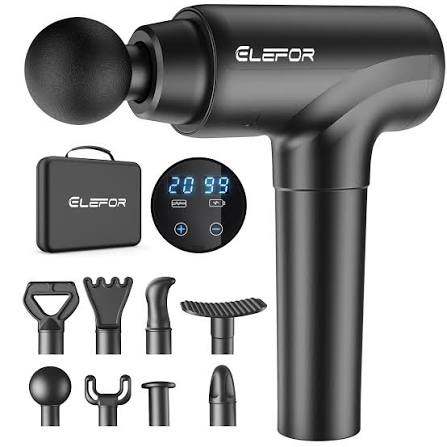
Quick Comparison
A foam roller may be the better choice for simple, low-tech use and larger muscle areas. It does not need charging, batteries, or complicated controls.
A massage gun may be easier for targeted areas because you can control where the device touches the body. However, holding it for several minutes may be tiring for some users.
The best option is the one you can use comfortably and control without extra strain.
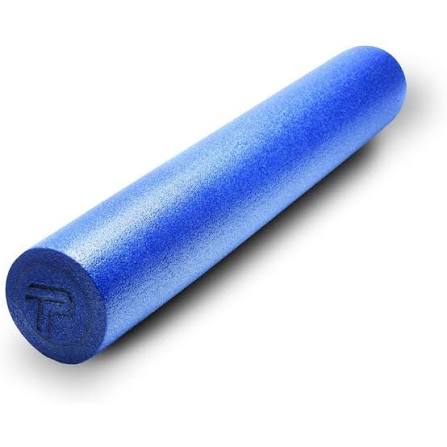
Massage Gun vs Foam Roller At a Glance
Both tools can be useful for muscle-focused self-care, but they work in very different ways. Here is the practical difference.
| Feature | Massage Gun | Foam Roller |
|---|---|---|
| Ease of use | Handheld and adjustable | Simple but needs body movement |
| Control | High control over the target area | Depends on body position |
| Physical effort | Usually low to moderate | Can require more effort |
| Portability | Easy for many models | Bulky but simple |
| Power | Powered vibration | Manual pressure |
| Setup | Minimal | Minimal |
| Maintenance | Charging and cleaning | Basic cleaning |
| Best feature | Targeted use | Broad muscle work |
Massage Gun Review for Senior Use
A massage gun can be appealing when targeted control matters. You hold the device and move it over the area you want to work on.
Ease of Use
The main advantage is control. You do not need to place your whole body over the tool. This may make a massage gun easier for someone who finds floor-based exercises uncomfortable.
Controls can vary by model. Some have simple buttons, while others offer several speeds or modes.
More settings are not always better.
A senior who wants simple operation may prefer a model with large, clear controls and a straightforward speed adjustment.
Key Strengths
- Easy to move around the body
- Allows focused application
- Does not require lying on the floor
- Usually easy to store
- Intensity can often be adjusted
- Useful when floor exercises are inconvenient
Potential Drawbacks
- Holding the device can cause hand or arm fatigue
- Charging is required for rechargeable models
- Some models can be noisy
- Too much pressure or intensity may be uncomfortable
- Multiple settings can make operation confusing
Foam Roller Review for Senior Use
A foam roller is much simpler. There are no buttons, batteries, charging cables, or electronic parts.
The trade-off is that using one often requires more body movement. You may need to sit, lie down, or support your body while rolling.
Ease of Use
A foam roller can be easy to understand because its basic action is simple: position the body and roll over the desired area.
But simple does not always mean easy.
Getting into the correct position may be difficult for someone with limited flexibility, balance, or floor mobility. A shorter or smaller roller may also feel easier to handle than a large roller.
Key Strengths
- No charging
- No complicated controls
- Simple construction
- Easy to clean
- Usually durable
- Can cover larger muscle areas
Potential Drawbacks
- Requires more body positioning
- May be difficult to use from the floor
- Can require balance and coordination
- Larger rollers need more storage space
- Pressure is controlled mainly through body position
Which Is Easier for Seniors to Use?
For many seniors, the answer depends on physical ability and preferred position.
A massage gun may be easier for someone who does not want to get down on the floor. It can be used while standing or sitting and gives direct control over the contact area.
A foam roller may be easier for someone who is comfortable with floor-based movement and wants a simple tool with no electronics.
If grip strength is limited, however, a massage gun may become tiring to hold. In that case, the weight, handle shape, and control layout matter.
Ease of use is about the whole movement, not just the number of buttons.
Performance Comparison
The two tools use different methods, so comparing them only by intensity can be misleading.
A massage gun uses rapid vibration from a powered motor. This allows focused application and quick changes in intensity.
A foam roller uses pressure created by your body weight. It can work across larger areas with a slow rolling movement.
For seniors, control may matter more than maximum intensity. A tool that feels manageable is more useful than one that is difficult to control.
Comfort, Accessibility, and Senior-Friendly Design
Comfort should be a major part of the decision.
A massage gun may suit users who prefer to remain seated or standing. The user can guide the device without placing body weight on it.
A foam roller can be comfortable for people who enjoy gentle rolling on a firm surface. However, getting onto and off the floor may be the harder part.
Consider:
- Handle comfort
- Device weight
- Balance
- Range of motion
- Floor mobility
- Storage space
- Noise
- Control simplicity
- Ability to stop quickly
Do not assume every older adult has the same needs. Fitness level and mobility can vary greatly.
Features Comparison
The useful features are quite different because one product is powered and the other is manual.
| Feature | Massage Gun | Foam Roller |
|---|---|---|
| Intensity control | Usually adjustable | Controlled by body weight |
| Power source | Battery or electricity | None |
| Attachments | Some models include several | Usually none |
| Portability | Generally convenient | Depends on size |
| Controls | Buttons or display | No controls |
| Cleaning | Wipe device and attachments | Wipe surface |
The simpler design of a foam roller can be a real advantage for someone who does not want another electronic device.
Price, Maintenance, and Long-Term Value
A foam roller usually has fewer ownership costs because there is no battery, charger, or electronic system.
A massage gun may cost more because it contains a motor, battery, controls, and other components. Long-term value depends on build quality, battery performance, warranty, and how often you use it.
Maintenance is also different.
A foam roller mainly needs basic cleaning and proper storage. A massage gun may need charging and cleaning around its attachments and handle.
For a buyer focused on simplicity, the foam roller has an obvious advantage.
Who Should Choose a Massage Gun?
Choose a massage gun if:
- You prefer targeted application.
- You do not want to use a floor-based tool.
- You want adjustable intensity.
- You prefer handheld control.
- You want something that can be used while sitting or standing.
- You are comfortable holding and operating a powered device.
Who Should Choose a Foam Roller?
Choose a foam roller if:
- You want a simple, non-electronic tool.
- You prefer broad muscle-area use.
- You are comfortable getting onto the floor.
- You do not want batteries or charging.
- You want minimal maintenance.
- You prefer a straightforward design.
Massage Gun vs Foam Roller — Final Verdict
Best for targeted control: Massage Gun
Best for simplicity: Foam Roller
Best for avoiding floor-based movement: Massage Gun
Best for low maintenance: Foam Roller
Best for adjustable intensity: Massage Gun
There is no universal winner. A massage gun may be the better fit for someone who values targeted control and wants to stay off the floor. A foam roller may make more sense for someone who wants a simple tool with no electronics.
Scoring Summary
The scores below are practical comparisons rather than laboratory measurements. They reflect senior usability factors such as controls, physical effort, and maintenance.
| Category | Massage Gun | Foam Roller |
|---|---|---|
| Ease of Use | 8/10 | 7/10 |
| Senior-Friendly Design | 8/10 | 7/10 |
| Performance Control | 9/10 | 7/10 |
| Maintenance | 7/10 | 9/10 |
| Value | 7/10 | 9/10 |
The result is close because the products solve the same general need in very different ways.
How We Evaluate These Products
This comparison focuses on practical factors that can affect everyday senior use.
The main areas include:
- Ease of operation
- Physical effort
- Comfort
- Accessibility
- Control
- Maintenance
- Portability
- Safety
- Long-term value
No hands-on testing is claimed here. Product features can also vary by model, so buyers should check the specifications of the exact product before purchasing.
Senior-Specific Buying Considerations
Physical Effort
Think about how much bending, reaching, gripping, or floor movement the tool requires.
Controls
A massage gun should have controls that are easy to understand. A foam roller has no controls, which removes one possible source of confusion.
Storage
A massage gun is often easier to place in a drawer or cabinet. A large foam roller may need more open storage space.
Setup
Both products require little setup. The bigger difference is how easy it is to get into a comfortable position.
Safety
Avoid using either tool with excessive pressure or intensity. If you have a medical condition, recent injury, significant pain, or another health concern, it is sensible to ask a healthcare professional whether this type of self-care is appropriate.
Common Buying Mistakes
Avoid these mistakes when choosing between the two:
- Choosing based only on price
- Ignoring the physical position needed to use the tool
- Buying a massage gun with controls that are unnecessarily complicated
- Choosing a large foam roller without considering storage
- Ignoring grip comfort
- Assuming stronger pressure is always better
Safety
Both products should be used gently and according to their instructions.
A massage gun should not be pressed aggressively against sensitive areas. A foam roller should also be used with controlled pressure rather than forcing painful movements.
If using either product causes unusual or significant pain, stop using it. For people with a medical condition or specific injury, professional guidance may be appropriate before adding these tools to a routine.
Senior-Friendly Buying Checklist
Before choosing, ask yourself:
- Can I hold the massage gun comfortably?
- Am I comfortable getting down to the floor?
- Which tool gives me better control?
- Do I want an electronic device?
- How much storage space do I have?
- Will I actually use the product regularly?
- Does the exact model have simple controls?
- Is the intensity appropriate for my comfort level?
Conclusion
The Massage Gun vs Foam Roller decision comes down to usability more than raw performance. A massage gun offers targeted control and may be easier for seniors who prefer to remain seated or standing.
A foam roller is simpler, requires no charging, and can offer good value for people who are comfortable with floor-based movement. The best choice is the one that fits your mobility, comfort, grip, space, and daily routine.
