
Wrist Brace vs Wrist Support: Which?


Electric Recliner Lift Chair

Arthritis Gloves

Raised Toilet Seat
Wrist Brace vs Wrist Support can be confusing because both products wrap around the wrist and may look very similar. The main difference is the level of support they provide. A brace is usually more structured, while a support is often softer and more flexible.
For seniors, the better choice depends on how much wrist support is needed. A flexible support may work well for light daily use, while a firmer brace may be more useful when extra wrist stability is important.
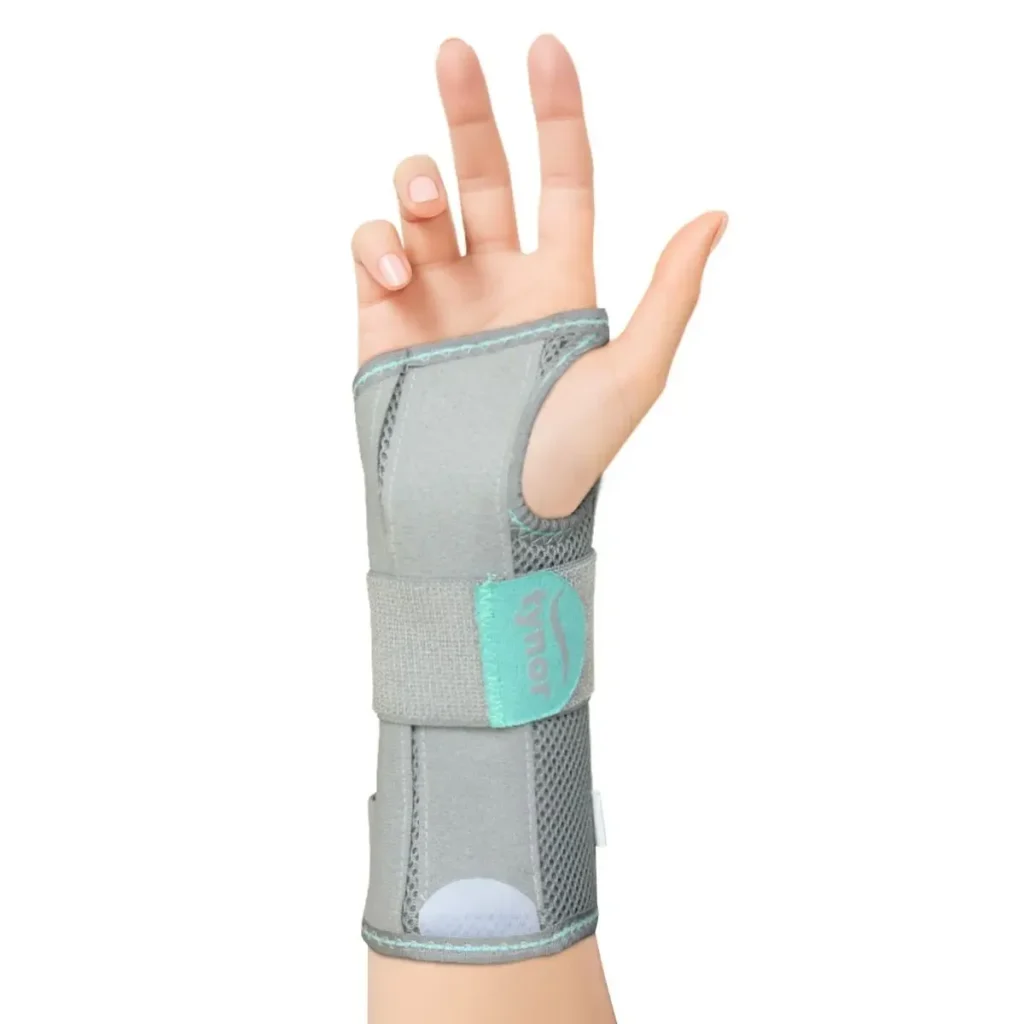
Quick Comparison
A wrist brace is usually better when stability is the main goal. It may limit wrist movement more than a soft support.
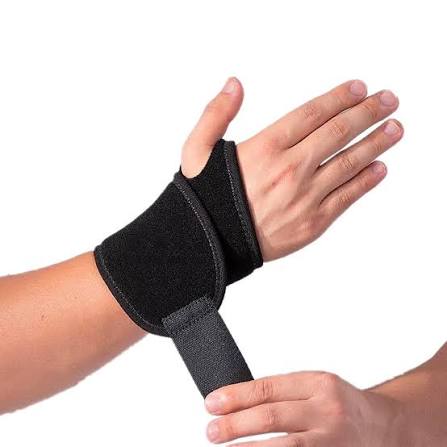
A wrist support is often better for comfort and everyday wear. It can allow more natural movement while still giving the wrist gentle compression and support.
The key choice is simple: more stability favors a brace, while more freedom of movement favors a support.
Wrist Brace vs Wrist Support At a Glance
The table below highlights the practical differences that matter most for everyday use.
| Feature | Wrist Brace | Wrist Support |
|---|---|---|
| Support level | Firmer | Light to moderate |
| Wrist movement | More restricted | More freedom |
| Structure | More rigid or structured | Usually soft and flexible |
| Everyday comfort | Can feel bulky | Often easier to wear |
| Dexterity | May limit some movement | Usually preserves movement |
| Best use | When stability matters | Light daily support |
| Putting on | May take more adjustment | Usually simple |
| Portability | Can be bulkier | Often compact |
Wrist Brace Review
A wrist brace is designed to provide more structure around the wrist. Many braces use firm panels, straps, or stays to help keep the wrist in a more stable position.
For seniors who want stronger support, this can be useful. However, the extra structure can also make a brace feel less comfortable during activities that require frequent hand and wrist movement.
Ease of Use
A wrist brace may require more adjustment than a simple support. Multiple straps can help create a secure fit, but they may also require more finger strength and dexterity.
For someone with limited hand strength, a brace with a simple fastening system may be easier to manage than one with several small straps.
Key Strengths
- Provides stronger wrist stability
- May reduce unwanted wrist movement
- Often has adjustable straps
- Can feel more secure during use
- Useful when firm support is preferred
Potential Drawbacks
- May feel bulkier than a soft support
- Can restrict natural wrist movement
- Multiple straps may be harder to adjust
- May be less comfortable for long periods
Wrist Support Review
A wrist support is generally softer and more flexible. It often wraps around the wrist and provides gentle compression without restricting movement as much as a structured brace.
This makes a support appealing for seniors who want something simple for everyday activities. It can also be easier to put on and remove.
Ease of Use
Most soft wrist supports have a straightforward fastening system. The flexible material can make them easier to position around the wrist.
This can be helpful for seniors who value simple adjustments and want to keep normal hand movement during daily tasks.
Key Strengths
- Lightweight and flexible
- Usually easy to put on
- Allows more natural movement
- Often comfortable for daily wear
- Easy to store and carry
Potential Drawbacks
- Provides less stability than many braces
- May not feel supportive enough for some users
- Soft materials can stretch over time
- Fit can vary between designs
Which Is Easier for Seniors to Use?
For many seniors, a wrist support is easier for everyday use because it is lighter and less restrictive.
A soft support may be easier for tasks such as typing, preparing food, reading, or doing light household activities. It can provide support without making the hand feel heavily restricted.
A wrist brace may be preferable when keeping the wrist more stable matters more than freedom of movement.
The easiest option is usually the one that provides enough support without creating unnecessary bulk or complexity.
If fastening small straps is difficult, look for a design with a large, easy-to-grip fastening tab.
Performance Comparison
The two products perform different jobs, so neither is automatically better in every situation.
A wrist brace focuses more on stability. Its structured design may help keep the wrist from moving as freely.
A wrist support focuses more on flexibility and light support. It can be useful when the wearer wants some compression or support while continuing normal activities.
For everyday tasks, a soft support may be more practical. When stability is the priority, a brace may have the advantage.
Comfort, Accessibility, and Senior-Friendly Design
Comfort is important because a wrist product may be worn for extended periods. A design that is too tight, bulky, or difficult to adjust may become frustrating.
A wrist support generally has an advantage in flexibility. Its softer construction may make it easier to wear under normal clothing and during light activities.
A brace can still be senior-friendly when it has:
- Wide fastening straps
- Simple adjustments
- Soft inner material
- A good fit
- Minimal unnecessary bulk
Seniors have different needs, so age alone should not determine the choice. Hand strength, dexterity, daily activities, and the amount of wrist stability desired all matter.
Features Comparison
The most useful features are those that make the product easier to wear and adjust.
| Feature | Wrist Brace | Wrist Support |
|---|---|---|
| Adjustability | Often high | Usually simple |
| Flexibility | Lower | Higher |
| Stability | Higher | Lower |
| Compression | Often available | Common |
| Movement | More limited | More natural |
| Strap complexity | Can be higher | Usually lower |
A simple design can be more useful than a product with many unnecessary features.
Price, Maintenance, and Long-Term Value
Price varies widely depending on the material, construction, brand, and design. A basic wrist support is often a simpler product, while a structured brace may cost more when it includes additional support components.
Maintenance is usually straightforward for both. Follow the product’s care instructions, especially when washing elastic or structured materials.
When comparing value, consider:
- How often it will be worn
- Whether the fit remains secure
- Ease of cleaning
- Durability of straps and fabric
- Replacement needs
- Comfort during regular use
The cheapest option is not always the best value. A product that is uncomfortable or difficult to adjust may simply remain unused.
Who Should Choose a Wrist Brace?
Choose a wrist brace if:
- Stronger wrist stability is important.
- You prefer a more structured design.
- You want to limit unnecessary wrist movement.
- A secure fit matters more than maximum flexibility.
- You are comfortable with a slightly bulkier design.
If the wrist problem involves significant pain, injury, weakness, or persistent symptoms, product selection alone may not address the underlying issue.
Who Should Choose a Wrist Support?
Choose a wrist support if:
- You want light everyday support.
- Freedom of movement is important.
- You prefer a lightweight design.
- You want something simple to put on and remove.
- You dislike bulky wrist products.
- You need support during ordinary daily activities.
A soft support can be a practical choice when gentle support is enough.
Wrist Brace vs Wrist Support — Final Verdict
The wrist brace is the better choice for stronger stability, while the wrist support is usually better for comfort, flexibility, and everyday use.
| Category | Better Choice |
|---|---|
| Stability | Wrist Brace |
| Everyday comfort | Wrist Support |
| Freedom of movement | Wrist Support |
| Structured support | Wrist Brace |
| Simple daily wear | Wrist Support |
| Stronger wrist restriction | Wrist Brace |
There is no universal winner. The right choice depends on whether the user values stability or freedom of movement more.
Scoring Summary
The scores below are general comparisons of typical product designs, not ratings of specific brands or models.
| Category | Wrist Brace | Wrist Support |
|---|---|---|
| Ease of Use | 8/10 | 9/10 |
| Senior-Friendly Design | 8/10 | 9/10 |
| Stability | 9/10 | 7/10 |
| Comfort | 8/10 | 9/10 |
| Flexibility | 7/10 | 9/10 |
| Value | 8/10 | 8/10 |
How We Evaluate Products
This comparison focuses on practical factors that can affect everyday senior use.
We consider:
- Ease of use
- Adjustability
- Comfort
- Stability
- Freedom of movement
- Accessibility
- Maintenance
- Safety
- Long-term practicality
- Overall value
These are general product-design considerations. They are not based on personal hands-on testing.
Senior-Specific Buying Considerations
Before choosing either product, check a few simple things.
Physical Effort
Look for a fastening system that does not require excessive gripping, pulling, or twisting.
Fit
The support should fit securely without feeling unnecessarily tight. Check the manufacturer’s sizing instructions before buying.
Dexterity
If small straps or buckles are difficult to manage, choose a simpler design with an easy fastening system.
Comfort
Check the material, seams, padding, and overall bulk. A product that feels uncomfortable may be difficult to use consistently.
Movement
Think about daily activities. If the wearer needs frequent wrist movement, a very rigid brace may feel restrictive.
Common Buying Mistakes
Avoid these common mistakes when choosing between a wrist brace and wrist support:
- Choosing the most rigid option automatically
- Ignoring the correct wrist size
- Buying a complicated fastening system
- Focusing only on price
- Overlooking comfort
- Assuming more support is always better
The best product is the one that matches the actual level of support needed.
Safety
A wrist brace or support should not be treated as a cure for a medical condition.
Stop using a product if it causes significant discomfort, unusual numbness, increased pain, or other concerning symptoms. If wrist pain is persistent, severe, follows an injury, or affects normal hand function, consider speaking with a healthcare professional.
A healthcare professional can also help determine whether restricting wrist movement is appropriate for a particular condition.
Frequently Asked Questions
Is a wrist brace stronger than a wrist support?
Usually, yes. A wrist brace generally has a more structured design and may restrict movement more than a soft wrist support.
Can a wrist support be used every day?
Many wrist supports are designed for everyday use, but comfort and fit are important. Follow the product’s care and wearing instructions.
Which is more comfortable, a wrist brace or support?
A soft wrist support is often more comfortable for everyday activities because it allows more movement and usually has less bulk.
Is a wrist brace better for limited hand strength?
Not always. A brace may provide more stability, but complicated straps can be harder to manage. Look for an easy fastening system if dexterity is a concern.
Does a wrist support restrict movement?
Usually less than a structured brace. The exact amount depends on the design and material.
Should I choose a wrist brace or support for wrist pain?
That depends on the reason for the pain and the level of support needed. Persistent or significant wrist pain is best discussed with a healthcare professional rather than relying only on a support product.
Conclusion
Wrist Brace vs Wrist Support comes down to a basic trade-off. A wrist brace offers more structure and stability, while a wrist support usually offers more comfort and freedom of movement.
For seniors who want simple everyday support, a flexible wrist support may be the easier choice. For those who need greater stability, a structured wrist brace may be more suitable. The best option is the one that fits comfortably, is easy to adjust, and matches the user’s actual needs.
