
Walk-In Tub vs Walk-In Shower for Seniors


LED Clip Reading Light

Orthopedic Sandals

Compression Socks
Walk-In Tub vs Walk-In Shower is an important choice for seniors who want a safer and easier bathroom setup. Both can reduce the need to step over a tall bathtub wall, but they work in very different ways.
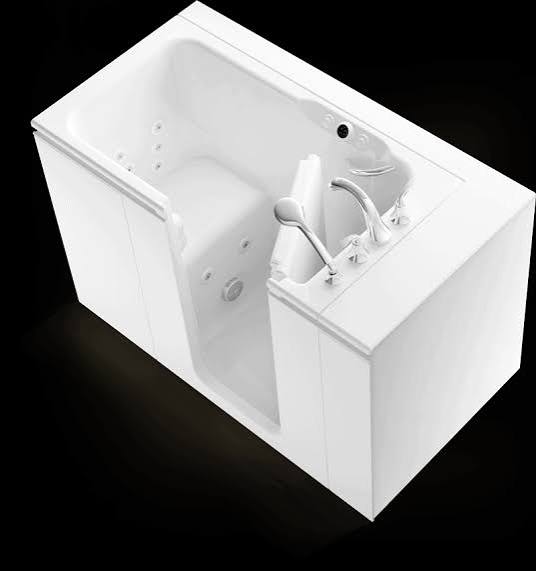
A walk-in tub is made for seated bathing and soaking. A walk-in shower is usually better for quick daily showers and can be fitted with a seat, grab bars, and a handheld showerhead.
Quick Comparison
A walk-in shower may suit most seniors who want simple daily bathing, easy entry, and faster use. A shower can also be designed with a seat and handheld showerhead.
A walk-in tub may be a better fit for someone who prefers soaking while seated. It can offer a built-in seat, low entry, and handrails, but filling and draining the tub adds extra time.
The right choice depends less on age and more on how the bathroom will be used every day.
Walk-In Tub vs Walk-In Shower At a Glance
Both options can improve bathroom access. The main difference is how you bathe and how much space and time the routine requires.
| Feature | Walk-In Tub | Walk-In Shower |
|---|---|---|
| Entry | Low step and door | Low or level entry |
| Bathing position | Mostly seated | Standing or seated |
| Soaking | Yes | No |
| Showering | Usually possible | Yes |
| Daily use | More involved | Usually quicker |
| Built-in seat | Common | Optional |
| Handheld shower | Common | Common |
| Drain time | Longer | Usually shorter |
| Cleaning | More surfaces | Usually simpler |
| Flexibility | Good for bathing | Very flexible |
Walk-In Tub for Senior-Friendly Bathing
A walk-in tub is designed around seated bathing. Many models use a low threshold, built-in seat, grab bars, and a watertight door. These features can make entering and exiting easier than stepping over a traditional tub wall.
Ease of Use
The main appeal is the ability to enter through a door and sit down inside the tub. A built-in seat can also reduce the need to lower yourself onto a low tub floor.
The trade-off is the bathing process. You need to enter, close the door, fill the tub, bathe, drain the water, and then exit. Some models use faster-draining systems, but the waiting period is still something to consider.
Key Strengths
- Low entry compared with a standard tub
- Built-in seating on many models
- Good choice for people who enjoy soaking
- Handrails can provide extra support
- Handheld shower options are available
- Some models include extra comfort features
Potential Drawbacks
- Filling and draining takes time
- Installation can be more involved
- A door seal needs proper care
- Large tubs may require more bathroom space
- Advanced features can increase the cost
- Getting out requires waiting until the tub is drained
Walk-In Shower for Simple Daily Use
A walk-in shower focuses on quick entry and everyday showering. A well-planned design can combine a low threshold with a seat, grab bars, handheld showerhead, easy-to-reach controls, and useful storage.
Ease of Use
A shower is often simpler for daily bathing because there is no need to fill a tub before use. You can step in, sit or stand, shower, and step out when finished.
A handheld showerhead can also make rinsing easier while seated. The controls should be placed where they can be reached without unnecessary stretching or movement.
Key Strengths
- Quick for everyday showers
- Easy to combine with a shower seat
- Flexible layout
- Handheld showerheads are widely available
- No bath water to fill or drain
- Easy access to controls and storage when designed well
Potential Drawbacks
- Does not provide a traditional soaking bath
- A poorly designed shower can still create fall risks
- Installation may require bathroom remodeling
- Some users may prefer the support of a built-in tub seat
- Water can spread outside the shower if drainage is poor
Which Is Easier for Seniors to Use?
For many seniors, the walk-in shower is easier for everyday use because the routine is shorter and simpler. There is no need to wait for a tub to fill or drain.
A walk-in tub can be easier for seniors who prefer to sit while bathing. Its built-in seat and low entry can reduce some physical effort. Many walk-in tubs also use handrails and accessible controls.
| Daily Need | Walk-In Tub | Walk-In Shower |
|---|---|---|
| Quick shower | Good | Excellent |
| Seated bathing | Excellent | Good with seat |
| Soaking | Excellent | Not available |
| Easy entry | Good | Good to excellent |
| Short routine | Fair | Excellent |
| Flexible bathing | Good | Excellent |
The important point is to look at the complete setup. A low-threshold shower with a seat and grab bars may be easier to use than a basic shower with a slippery floor.
Performance Comparison
Performance means something different for these two products.
A walk-in tub performs best when the goal is seated bathing and soaking. It can also include a handheld shower, so some models can perform both jobs.
A walk-in shower performs best when the goal is simple and frequent showering. It provides more freedom to choose the showerhead, seat, controls, storage, and layout.
| Performance Area | Walk-In Tub | Walk-In Shower |
|---|---|---|
| Daily showering | Good | Excellent |
| Soaking | Excellent | Not available |
| Seated washing | Excellent | Excellent with seat |
| Bathing flexibility | Good | Excellent |
| Quick access | Good | Excellent |
Comfort, Accessibility, and Senior-Friendly Design
Comfort depends heavily on the design rather than the product name.
A walk-in tub gives you a dedicated seat and surrounds you with water during a bath. This can be appealing to someone who enjoys a longer bathing routine.
A walk-in shower can be customized around the user’s routine. A seat, handheld showerhead, grab bars, reachable controls, and good lighting can all make the space easier to use.
A safe bathroom is not just about the tub or shower. The layout matters too.
For either option, think about where you will place towels, soap, shampoo, controls, and grab bars. Avoid making the user reach too far or twist unnecessarily.
Features Comparison
The useful features are not identical, so compare them based on how you plan to bathe.
| Feature | Walk-In Tub | Walk-In Shower |
|---|---|---|
| Built-in seat | Common | Optional |
| Grab bars | Common | Optional or integrated |
| Handheld shower | Common | Common |
| Low entry | Yes | Yes, depending on design |
| Soaking | Yes | No |
| Easy-access controls | Available | Available |
| Storage | Limited by tub layout | Highly flexible |
| Custom layout | Moderate | High |
Price, Maintenance, and Long-Term Value
There is no useful single price for either option because installation, bathroom layout, materials, accessories, plumbing, and labor can change the final cost.
A walk-in tub may have more components to consider, including the door, seal, drain system, seat, and optional water or air features. Some models also require specialized installation.
A walk-in shower can also become expensive when you add a custom base, wall system, seat, grab bars, glass, plumbing changes, and other remodeling work.
For long-term value, ask:
- How often will the bathroom be used?
- Is soaking important?
- Will a seat be needed?
- How easy are replacement parts to obtain?
- How much cleaning is required?
- Will the setup still work if mobility changes?
- Does the installation fit the home’s plumbing and layout?
The cheaper option upfront is not automatically the better value.
Who Should Choose a Walk-In Tub?
A walk-in tub may make sense if:
- You enjoy soaking baths.
- You prefer bathing while seated.
- A built-in seat is important.
- You want a tub with an accessible entry door.
- You value bath features more than speed.
- You are comfortable with the extra filling and draining time.
Who Should Choose a Walk-In Shower?
A walk-in shower may make more sense if:
- You mostly take showers.
- You want a faster daily routine.
- You want a flexible bathroom layout.
- You want to add a shower seat.
- You prefer a handheld showerhead.
- You want easier access to controls and storage.
- You do not need a soaking bath.
Walk-In Tub vs Walk-In Shower — Final Verdict
There is no universal winner.
Best for everyday showering: Walk-In Shower
Best for seated soaking: Walk-In Tub
Best for a simple daily routine: Walk-In Shower
Best for a dedicated bathing seat: Walk-In Tub
Best for flexible bathroom design: Walk-In Shower
The walk-in shower is often the simpler choice for seniors who mainly shower. The walk-in tub can make more sense for someone who values seated soaking and the features built around that experience.
Scoring Summary
Scores are useful only as a broad category guide. Individual models can differ significantly.
| Category | Walk-In Tub | Walk-In Shower |
|---|---|---|
| Ease of Use | 8/10 | 9/10 |
| Senior-Friendly Design | 9/10 | 9/10 |
| Daily Convenience | 7/10 | 9/10 |
| Bathing Comfort | 9/10 | 8/10 |
| Maintenance | 7/10 | 9/10 |
| Flexibility | 7/10 | 9/10 |
| Soaking Experience | 10/10 | 3/10 |
These scores are category-level comparisons, not ratings of every product in either category.
How We Evaluate These Bathing Options
We compare walk-in tubs and walk-in showers based on the factors that matter during normal use.
These include:
- Entry and exit
- Ease of bathing
- Seated use
- Comfort
- Control placement
- Cleaning
- Maintenance
- Bathroom space
- Installation needs
- Long-term practicality
- Safety features
The goal is to compare how each option fits different users rather than declare one product suitable for everyone.
Senior-Specific Buying Considerations
Physical Effort
Think about how much bending, stepping, sitting, standing, and reaching the user can comfortably manage.
Controls
Controls should be easy to reach and simple to understand. Avoid placing them where the user must stretch across a wet area.
Maintenance
Check how easy it is to clean the floor, walls, seat, drain, and other surfaces.
Storage
Keep soap, shampoo, towels, and other daily items within easy reach.
Setup
Measure the bathroom before choosing either option. Check door swing, plumbing, floor space, and available access for installation.
Safety
Look for a low entry, slip-resistant surfaces, suitable grab bars, stable seating, and good lighting. A professional installer can help determine the right placement for these features.
Common Buying Mistakes
Avoid these common mistakes when comparing a walk-in tub and walk-in shower:
- Choosing based only on the purchase price
- Forgetting to measure the bathroom
- Ignoring the user’s normal bathing routine
- Adding features that will rarely be used
- Forgetting cleaning and maintenance
- Placing controls or storage too far away
- Failing to consider future changes in mobility
- Overlooking installation and plumbing costs
Safety
Wet bathroom surfaces can increase the risk of slips and falls. A low entry alone does not make a bathroom safe.
For a walk-in tub, check the door operation, floor surface, seat height, handrails, and drainage system.
For a walk-in shower, consider the threshold, shower floor, seat, grab bars, handheld showerhead, lighting, and control position.
If the user has a medical or mobility condition that affects bathing safety, discuss the bathroom setup with an appropriate healthcare or occupational therapy professional before making major changes.
Frequently Asked Questions
Is a walk-in tub safer than a walk-in shower?
Neither is automatically safer for every person. A properly designed setup with suitable entry, seating, grab bars, and controls may be easier to use.
Which is easier to clean?
A walk-in shower is usually simpler to maintain because there is no large tub basin, door seal, or bath-water system to manage.
Can you shower in a walk-in tub?
Yes. Many walk-in tubs can include a handheld shower or shower package.
Does a walk-in tub take longer to use?
Usually, yes. The tub needs to fill before bathing and drain before the user can open the door and leave. Some models use faster-draining systems to reduce this waiting period.
Is a walk-in shower good for seniors?
It can be a very practical choice when designed with features such as a low threshold, seat, grab bars, handheld showerhead, reachable controls, and good lighting.
Which one is better for a small bathroom?
A walk-in shower often provides more layout flexibility, but the best choice depends on the bathroom’s existing dimensions, plumbing, and installation requirements.
Conclusion
A walk-in tub and a walk-in shower solve different bathing needs. The walk-in tub is a strong choice for seniors who enjoy seated soaking and want a dedicated bathing seat. The walk-in shower is often more practical for quick daily showers and offers more flexibility in layout and accessories.
Before choosing, focus on the user’s normal routine, physical effort, bathroom space, maintenance needs, and future accessibility. The best setup is the one that makes everyday bathing easier without adding features or complexity that the user does not need.
