
10 Best Medical Alert Systems 2026: Top Picks for Safety and Support


GPS Tracker for Elderly

Electric Kettle with Auto Shutoff

Automatic Pill Dispenser
Medical alert systems help people call for assistance after a fall, health emergency, or other urgent event. Most systems use a wearable button, such as a pendant or wristband, that connects to a response center, a caregiver, or emergency services. Some also offer fall detection, GPS location tracking, medication reminders, and activity checks.
We can choose from in-home systems that use a base unit and mobile systems that work through cellular networks. The most important factors are reliable emergency response, comfortable wearability, clear two-way communication, accurate location features, and a monthly cost that fits our budget. We tested and researched medical alert systems to find the options that provide dependable help without adding unnecessary complexity.
Best Medical Alert Systems 2026
We reviewed medical alert systems based on features, ease of use, response times, and overall value. Below, we list our top picks to help you compare reliable options for home and mobile use.
SecuLife Medical Alert Pendant
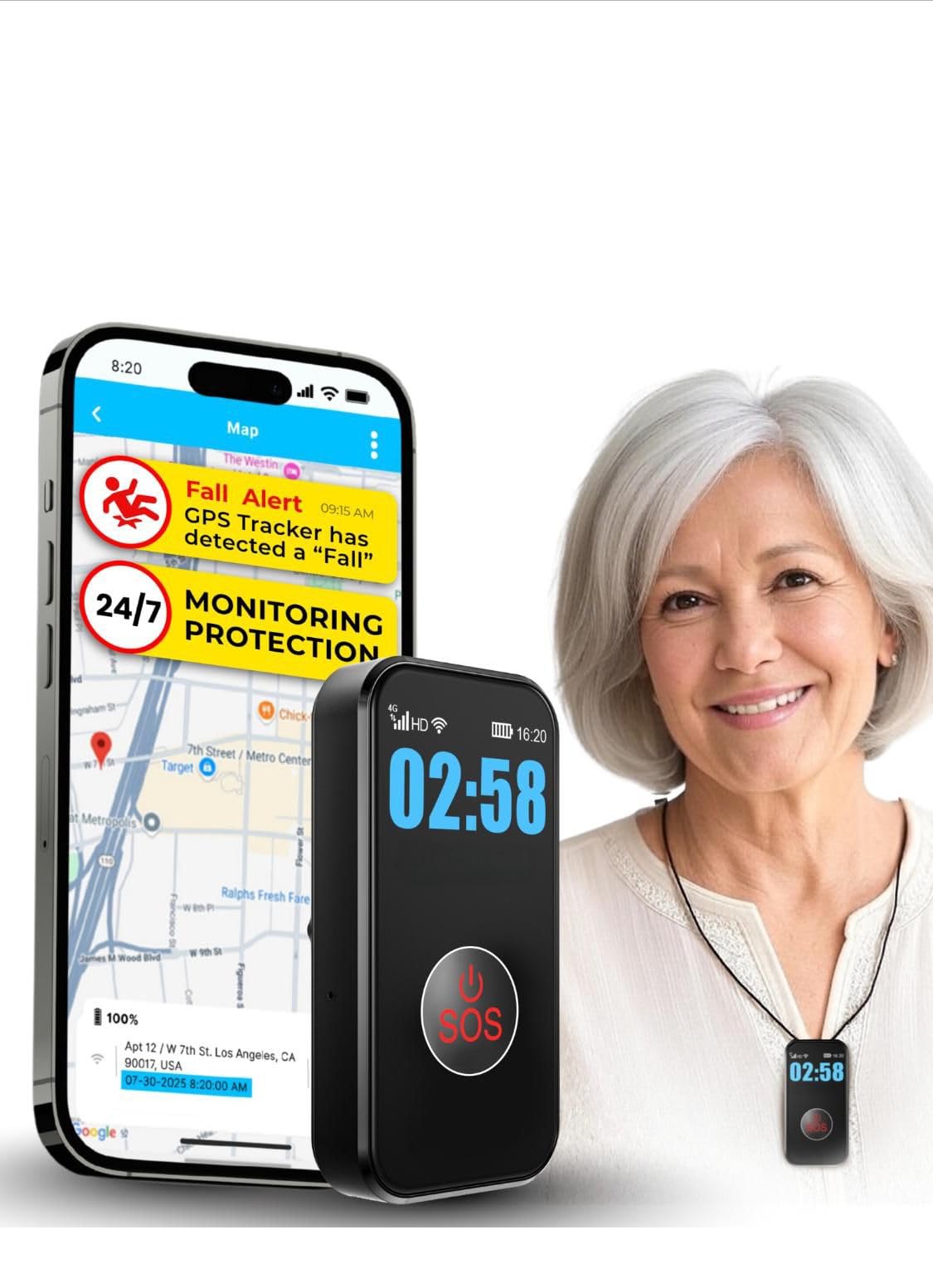
We recommend this pendant for families who want mobile SOS calling, location tracking, and fall alerts with direct contact to caregivers.
Pros
- Simple SOS button and two-way calling
- GPS tracking with geofence alerts
- Waterproof design with several days of battery life
Cons
- Requires a $20 monthly subscription
- Fall detection may not catch every fall
- Some users report activation or support problems
We found the pendant easy to set up and comfortable to wear. The large button works well for users who may have limited hand strength, while the display shows basic details such as battery and signal status.
The device calls preset contacts through a 4G LTE connection, so it does not rely on a home base station. We also like the hands-free calling feature, which lets caregivers call the pendant and speak with the wearer.
GPS tracking and geofence alerts add useful support for people who spend time outside the home. The waterproof build suits daily wear, including in the shower, but users must still charge it regularly. SecuLife lists up to six days of battery life under certain tracking settings.
The $20 monthly plan covers cellular service, fall alerts, tracking, voice calls, and customer support. We would test the fall detection and emergency contacts after setup, since automatic detection can miss some falls and several reviews mention activation concerns.
Nomo Smart Care Medical Alert System
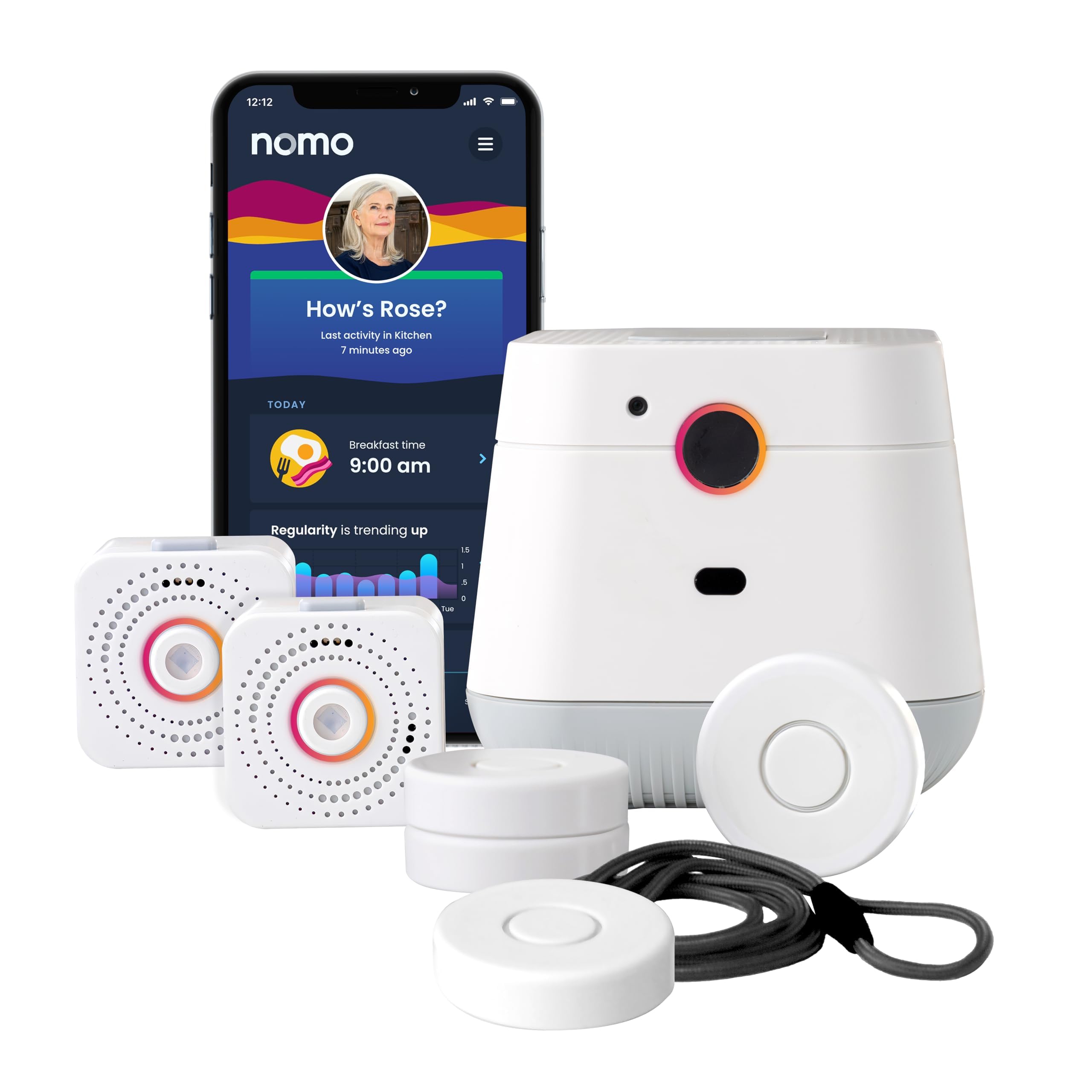
We recommend the Nomo Smart Care for in-home monitoring, caregiver alerts, and camera-free fall detection, but buyers should confirm their Wi-Fi coverage and understand that monitoring costs extra after the trial.
Pros
- Camera-free monitoring helps protect privacy.
- Motion sensing can show changes in daily routines.
- The Hub supports two-way voice communication.
Cons
- It requires a 2.4 GHz Wi-Fi connection.
- The app and monitoring service require a monthly fee after 60 days.
- Fall detection may not detect every fall.
We found setup straightforward: we plugged in the Hub and Satellites, connected them to home Wi-Fi, and placed the Smart Tags on key doors and items. The system does not need a landline, wiring, professional installation, or a long-term contract.
The Nomo app gives caregivers alerts about movement, tagged items, and possible falls. This makes it useful for families who want to check daily activity from another location. The system also includes a two-way voice feature through the Hub for emergency communication.
Fall detection remains the main concern. Some customer feedback reports reliable alerts, while another review says automatic fall detection did not work as expected. We would treat it as an added safety layer, not a replacement for calling for help directly.
The kit includes a 60-day trial of 24/7 monitoring with RapidSOS emergency response. After the trial, the service costs $19.99 per month. We also noticed that the wearable lanyard may arrive in a different color than expected, so buyers should check the included accessories when the kit arrives.
TurboSense Medical Alert System
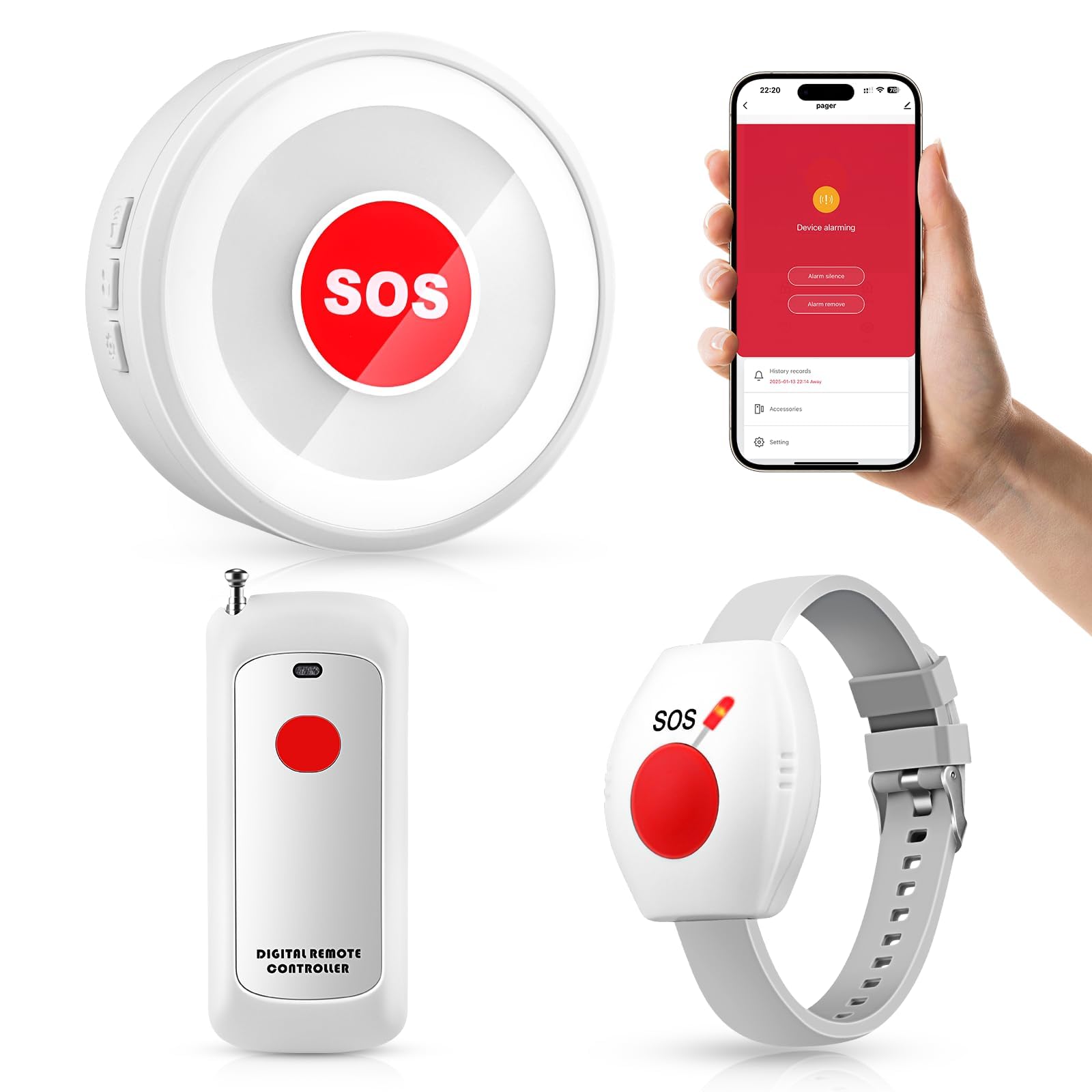
We recommend this affordable home alert system for families who need a simple caregiver call button without a monthly fee.
Pros
- No subscription or monthly monitoring cost
- Loud receiver with pendant and wrist button
- App alerts can notify connected family members
Cons
- Wi-Fi app features require a 2.4GHz network
- Setup may take some trial and error
- Some users report occasional false alarms
We found the TurboSense system easy to use after setup. Pressing the button activates the plug-in receiver, which makes a loud sound that should carry across a typical home. This makes it useful for bedrooms, bathrooms, and other areas where a caregiver may not be nearby.
The package includes a waterproof call button and a separate SOS watch button. We could wear one and keep the other near a bed or chair. The buttons provide a simple way to request help without handling a phone.
The system can also send app notifications through 2.4GHz Wi-Fi. However, the receiver still works as a local alarm without using the app, which gives families a useful backup. We would not treat it as a replacement for professional emergency monitoring, since alerts depend on someone nearby responding.
We liked the lack of monthly fees, but ringtone selection and setup may require patience. A few reported false alarms also suggest that families should test the system regularly after installation.
Bay Alarm Medical SOS Mobile GPS

We recommend this system for seniors who want a portable help button with GPS tracking, two-way calling, and caregiver app support without carrying a smartphone.
Pros
- Simple setup with several wearing options
- Portable design with 4G LTE service and GPS
- Battery can last several days between charges
Cons
- Requires an ongoing service subscription
- Fall detection costs extra and may not detect every fall
- Support depends on available cellular coverage
We found the setup fairly simple, with clear instructions and a charging dock included. The device works on its own, so users do not need to pair it with a phone. We could wear it on a lanyard or attach it to clothing with the belt clip.
Pressing the button connects the user with a trained operator through the built-in speaker. That direct connection makes the device useful outside the home, including during errands or appointments. GPS tracking can also help caregivers check the device’s location through the companion app.
The unit felt light enough for daily use, and its water-resistant design supports normal wear. Battery life may reach several days, although usage, charging habits, and network conditions affect the actual time.
The main drawback is the required subscription. Optional fall detection adds another cost, and it cannot replace pressing the help button in every emergency. Some customer feedback also mentions charging problems, limited customization, and battery alerts sent by email rather than text.
LogicMark Freedom Alert

We recommend the LogicMark Freedom Alert for people who want a simple, at-home alert device without a monthly service fee and already have a landline.
Pros
- Two-way voice communication through the pendant
- No monthly monitoring fee
- Includes a backup power option
Cons
- Requires a working landline
- Pendant may feel bulky to some users
- Works only within the home’s stated range
We found the setup straightforward once we connected the base unit to a landline. Pressing the pendant button starts a call, and the two-way speaker lets us speak with family members or emergency services without reaching the phone.
The pendant can stay around the neck or rest on its mount. Its reported range reaches up to 600 feet, but walls and the layout of a home can affect performance. We would test it from bedrooms, bathrooms, and outdoor areas before relying on it.
The rechargeable design helps reduce battery replacements, and the backup power can keep the system available during a short outage. However, this device does not provide mobile protection, GPS tracking, or automatic fall detection.
The Freedom Alert suits users who spend most of their time at home and maintain landline service. We would choose another system for anyone who needs coverage away from home or does not have a landline.
PRNBRH App-Controlled Medical Alert System
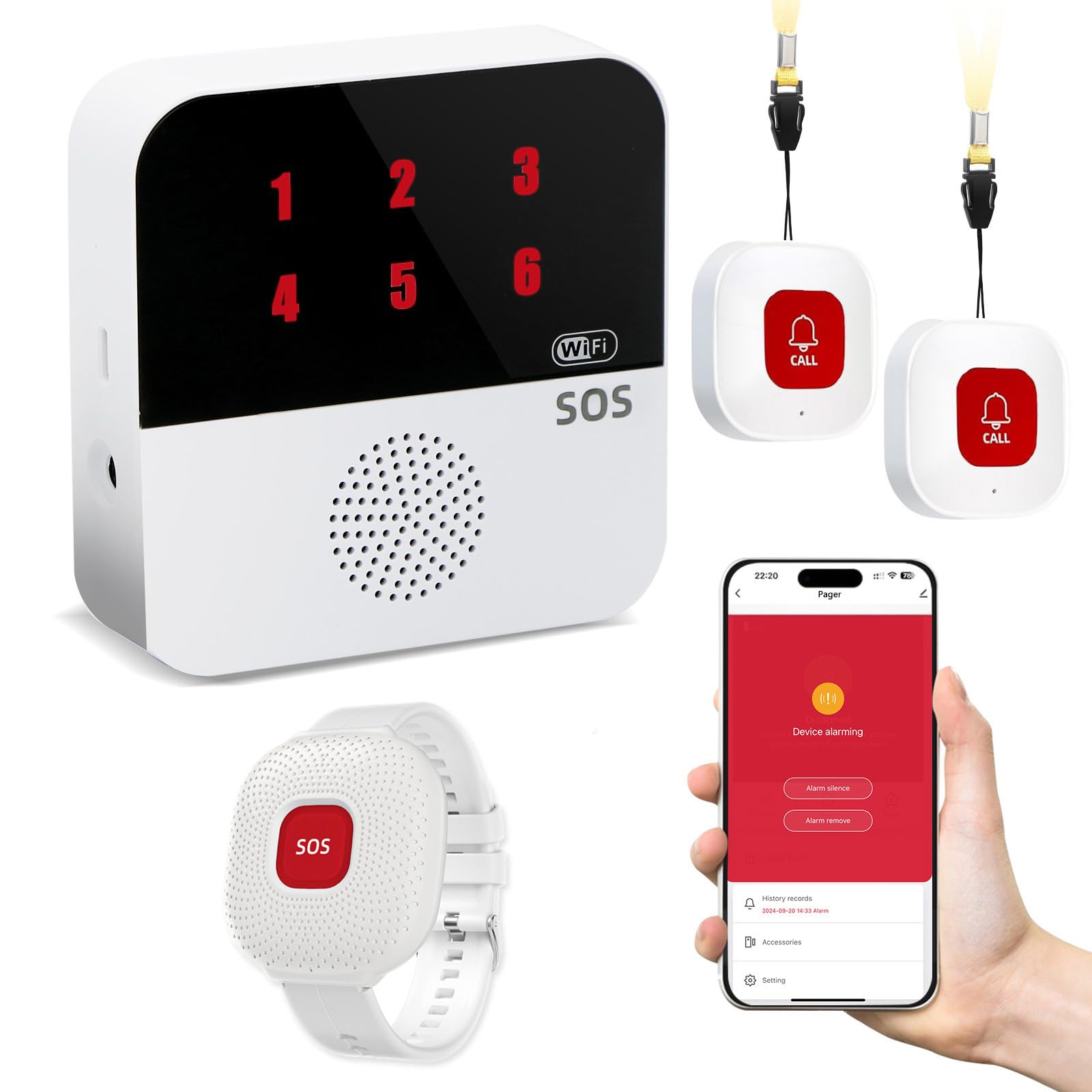
We recommend this system for families who want simple in-home alerts without a required monthly monitoring plan.
Pros
- Waterproof wrist button for shower use
- App alerts and pager backup
- Supports multiple caregivers
Cons
- Requires 2.4GHz Wi-Fi for app features
- SMS alerts require a subscription
- Does not provide professional emergency monitoring
We found setup fairly simple after connecting the receiver and buttons to Wi-Fi. The included two call buttons and wristband give users several ways to request help, while the receiver displays the alert number and sounds at up to 110 decibels.
The wrist remote is waterproof, but the necklace buttons are not listed as waterproof. We would keep those buttons away from sinks and showers. The wireless signal reaches up to 300 feet, though walls and the home layout can reduce that range.
App sharing lets several family members receive notifications through Tuya Smart or Smart Life. The pager can still work during an internet outage, but phone notifications depend on the Wi-Fi connection and app service.
This system works best for homes, clinics, and care settings where a caregiver stays nearby. We would not treat it as a replacement for a professionally monitored medical alert service or automatic fall detection.
Seculife SOS Wristband
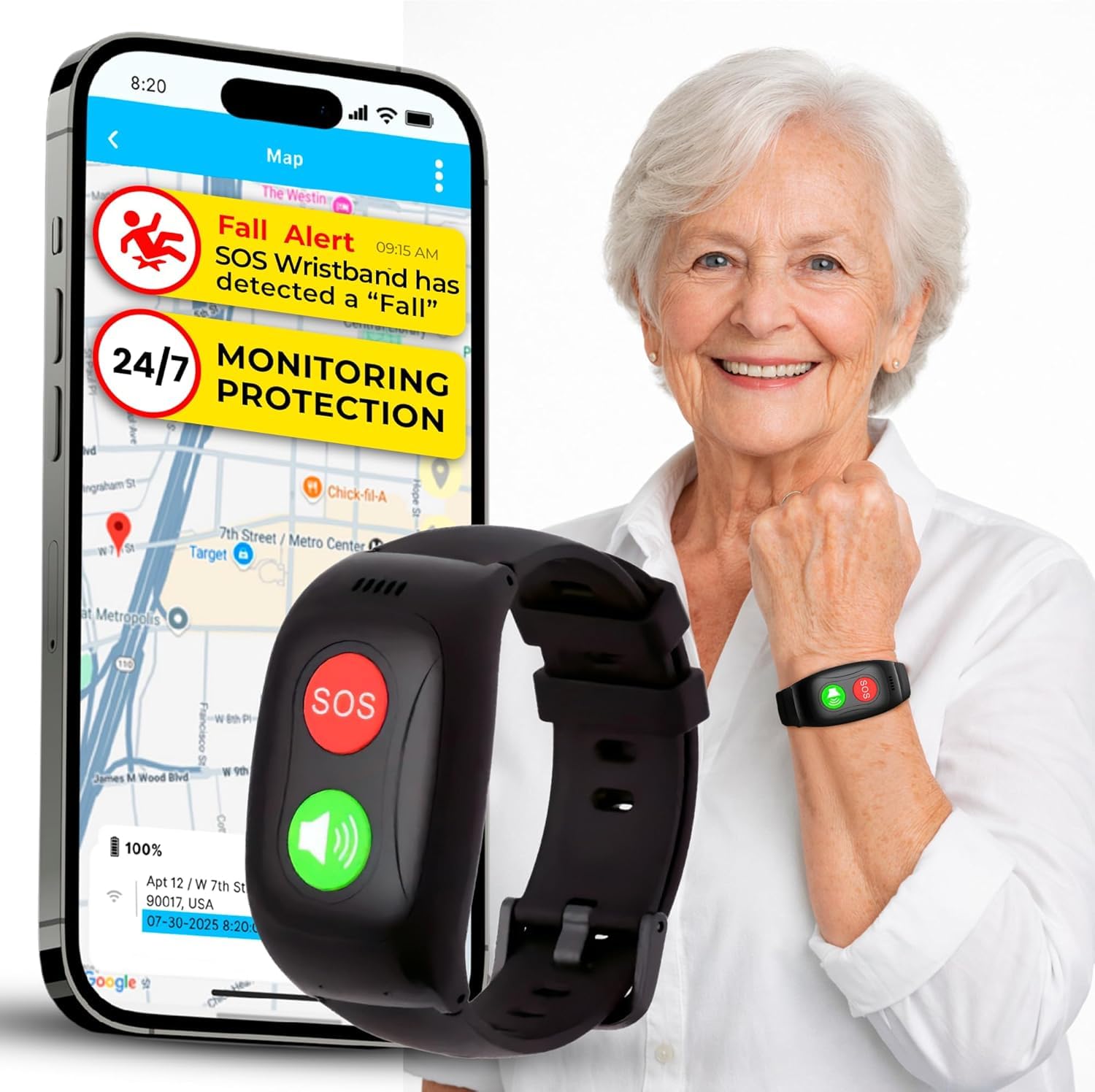
We recommend this bracelet for families who want GPS tracking and direct family alerts, but the subscription cost and mixed customer feedback deserve careful consideration.
Pros
- Simple, screen-free design with one-button SOS calling
- GPS tracking, geofencing, and two-way voice communication
- IP67 water resistance for rain, splashes, and handwashing
Cons
- Requires a $25 monthly subscription
- Battery life is listed at about one day
- Some buyers report setup and support problems
We found the bracelet easy to wear and straightforward to operate. Its screen-free design reduces distractions, while the SOS button gives the wearer a direct way to contact preset family members.
The Seculife also supports hands-free two-way calling, which helped us check in without requiring a separate phone. GPS tracking and geofence alerts add useful features for caregivers who need location updates.
The monthly plan includes fall alerts, live tracking, voice minutes, and customer support. However, the ongoing cost adds up, and the listed one-day battery life means we would need to charge it often.
Customer feedback is mixed, with some users praising setup and ease of use while others mention trouble reaching support or handling cancellations. We would test the device, alerts, and billing process during the return period before relying on it for emergencies.
Medical Guardian MGMini
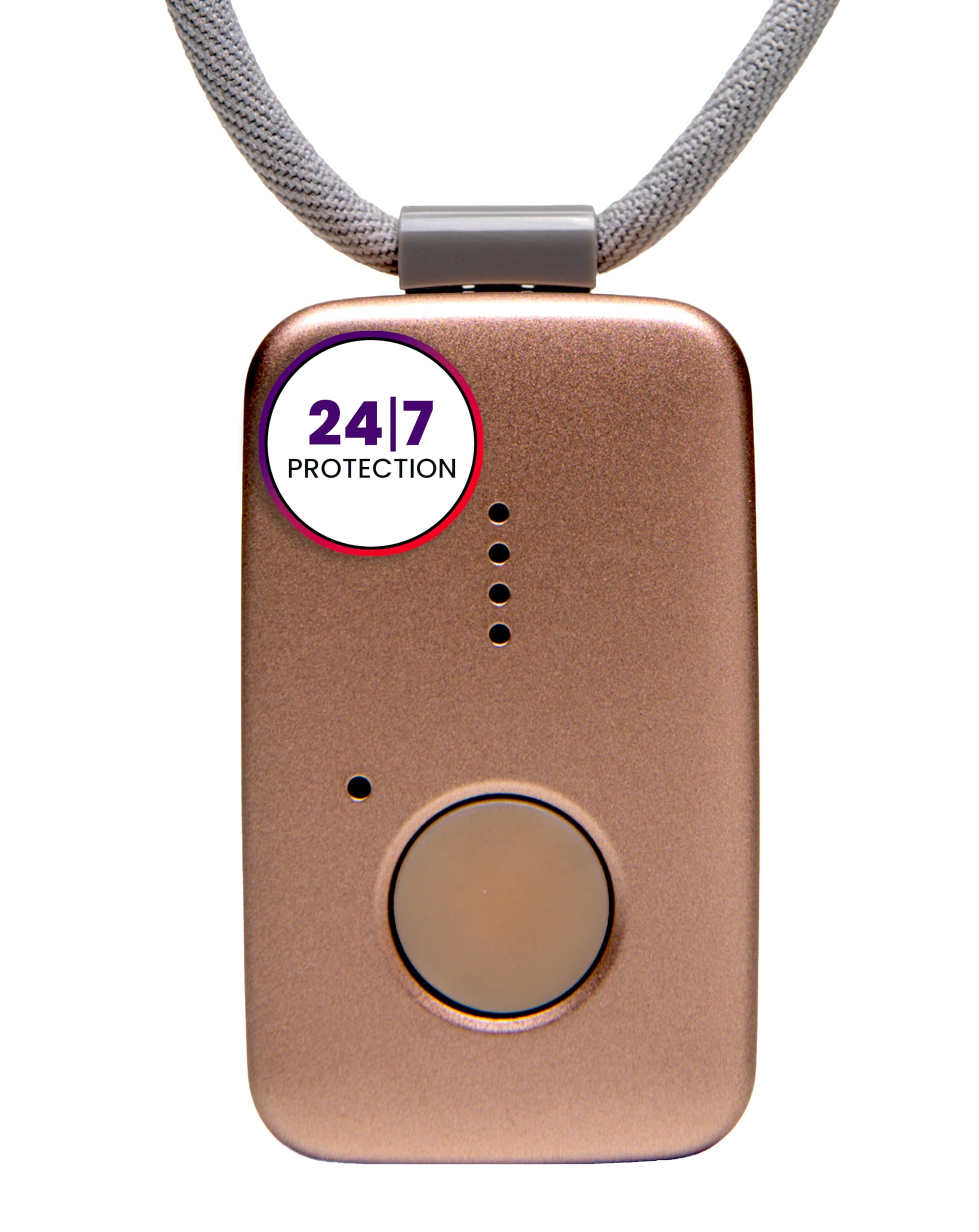
We recommend the MGMini for users who want portable emergency help and do not mind paying for a monitoring subscription.
Pros
- Compact design with a lanyard and belt clip
- Two-way communication with trained operators
- Works on AT&T and Verizon 4G LTE networks
Cons
- Requires a monthly monitoring plan
- Setup requires account activation before use
- Coverage may vary in areas with weak 4G service
The MGMini felt light enough for daily wear, and we could use the lanyard or clip based on our activity. Its emergency button connects us to Medical Guardian’s monitoring team through the built-in speaker.
We found the setup simple after activating the service by phone or online. The device also supports location assistance, step tracking, and Wi-Fi backup features through the company’s app or online portal.
The main drawback is the ongoing cost. Monitoring starts at $43.95 per month, while fall detection costs extra. We also would not rely on it without checking local 4G coverage, since some users report trouble in areas with limited service.
321 Alert Mini X2
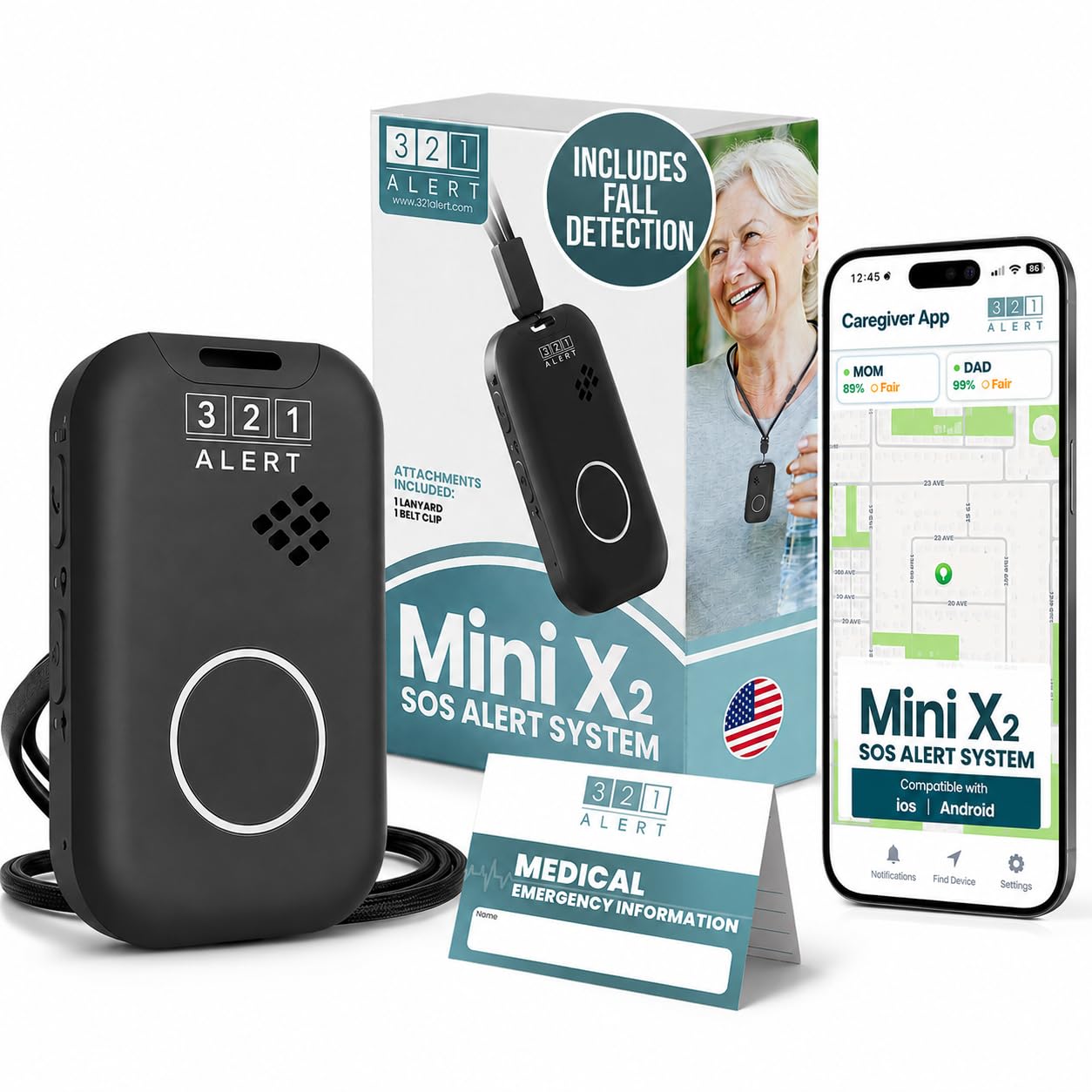
We recommend the 321 Alert Mini X2 for seniors who want mobile emergency support, fall detection, and GPS without staying near a home base.
Pros
- 24/7 monitoring with fall detection
- GPS and 4G LTE support outside the home
- Includes a charging dock with a bedside help button
Cons
- Fall detection may trigger by mistake
- Some setup steps may feel difficult for older users
- Service requires a monthly plan starting at $34.99
We found the Mini X2 simple to wear and easy to activate with its large SOS button. The included lanyard and belt clip give us useful ways to carry it, while the water-resistant design supports daily use in light rain or during showers.
The cellular connection lets us use the device away from home where compatible coverage exists. GPS can help share the wearer’s location, and the mobile app lets family members check device details, battery status, and alerts.
Setup went smoothly overall, and the monitoring team was helpful during testing. However, the fall detection can be sensitive, so we would expect occasional false alarms. Users may also need help completing the account setup and learning the device’s alert steps.
Battery life depends on use and enabled features. We would place the unit in its charging dock regularly, especially because the dock also includes a separate help button for bedside access.
ADT On-The-Go Medical Alert

We recommend this system for users who want one portable device with professional monitoring and GPS support, but buyers should review the monthly costs before ordering.
Pros
- Built-in GPS supports use at home and away.
- One-button access reaches ADT’s monitoring team.
- The rechargeable device needs no separate pendant or wristband.
Cons
- Monthly monitoring is required.
- Fall detection costs extra and may miss some falls.
- Setup may take assistance for some users.
When we tested the device’s design, we liked its simple all-in-one format. It includes a lanyard and charging cradle, so we did not need to manage a separate base station or wearable button. The small unit weighs about 1.76 ounces and feels easy to carry.
The SOS button connects users with ADT’s professional monitoring service through cellular coverage. Built-in GPS adds useful location support for trips outside the home, while the IP57 water resistance helps with everyday exposure to water.
Charging was straightforward with the included cradle. The battery lasts up to about 40 hours under typical conditions, so we would make charging part of a daily routine.
Automatic fall detection is available, but it adds a monthly fee and cannot identify every fall. We also noted that activation requires a phone call, and monitoring must remain active for the device to work.
Customer feedback is mixed. Several buyers praised the setup help and reliable operation, while another reported that the device stopped working and raised concerns about billing after cancellation. We recommend confirming cancellation terms and monitoring charges directly with ADT before purchasing.
Buying Guide
We should start by matching the system to the user’s daily routine, health needs, and living space. A home-based unit may suit someone who spends most of the day indoors, while a mobile system can help people who often leave home.
Key features to compare include:
- Connection type: Check whether the system uses a landline, cellular network, Wi-Fi, or a mix of connections.
- Call range: For home systems, confirm the distance between the help button and the base unit.
- Battery life: Review the expected battery life for pendants, wrist buttons, and mobile devices.
- Water resistance: Choose a button rated for use in the shower or bath, where falls often occur.
- Fall detection: Treat this as an added safety feature, not a replacement for pressing the help button.
- Response service: Check whether calls reach trained operators, family members, or both.
- Location tracking: Mobile users may benefit from GPS or other location tools.
- Caregiver access: Look for alerts, status updates, and account controls that authorized contacts can use.
| What to check | Why it matters |
|---|---|
| Monthly and equipment fees | Shows the full cost over time |
| Contract terms | Reveals cancellation rules and long-term commitments |
| Setup process | Helps us judge whether the user can install it easily |
| Test policy | Confirms how often we can test the system safely |
| Customer support | Shows how help is handled outside emergencies |
We should also review the privacy policy, emergency procedures, and service coverage. Before buying, we can test the button from different rooms and confirm that the user can hear and speak with the response operator.
Editor’s Choice
We chose Medical Guardian as our editor’s choice for 2026. Its product range covers in-home, mobile, and wearable systems, giving users several ways to request help. We also value its clear device options and professional monitoring service.
| Feature | Medical Guardian |
|---|---|
| Best for | Flexible coverage |
| Device types | In-home, mobile, and wearable |
| Monitoring | 24/7 professional support |
| Key benefit | Several plan and device choices |
Medical Guardian offers systems for people who spend most of their time at home and those who travel or remain active. Some devices include fall detection as an optional feature, but automatic detection may not identify every fall.
We recommend comparing the monthly plan, equipment fees, activation costs, and cancellation terms before enrolling. We should also check cellular coverage in the areas where the user lives and travels.
For the best fit, we should consider the user’s mobility, comfort with technology, home layout, and need for caregiver alerts. Testing the device and response process after setup can help confirm that the system works as expected.
Conclusion
We should choose a medical alert system based on the user’s health needs, daily routine, home layout, and budget. A simple in-home unit may suit someone who rarely travels, while a mobile device offers protection outside the home.
We should also check response options, fall detection, battery life, cellular coverage, caregiver tools, and monthly fees. Fall detection can add support, but it cannot identify every fall, so users should still press the help button when they can.
Before ordering, we should confirm the trial period, contract terms, equipment costs, and cancellation policy. Testing the device in the places where help may be needed can reveal coverage or setup problems early.
The best system is the one the user will wear, understand, and use without difficulty. Our choice should support quick access to help while fitting the user’s needs and spending limits.
FAQS
What is a medical alert system?
We use medical alert systems to connect a person with trained help after a fall, health emergency, or safety concern. Most systems include a wearable button and a monitoring service.
Do medical alert systems work outside the home?
Some systems use cellular networks and GPS, so we can use them away from home. We should check coverage, location tracking, and battery life before choosing a mobile model.
Can medical alert systems detect falls?
Many devices offer automatic fall detection, but no system detects every fall. We still need to press the help button whenever possible.
Do we need a landline?
Most newer systems work through cellular connections and do not require a landline. We should confirm network availability in the areas where the user spends time.
What does a medical alert system cost?
Costs often include equipment, monthly monitoring, and optional features such as fall detection or GPS. We should review activation fees, equipment charges, cancellation rules, and price increases.
What features should we compare?
- 24/7 professional monitoring
- Two-way voice communication
- Fall detection
- GPS location tracking
- Waterproof design
- Long battery life
- Caregiver notifications
- No long-term contract
Who should use one?
We may consider a medical alert system for older adults who live alone, have a fall risk, manage a chronic condition, or want faster access to emergency support. A doctor or caregiver can help us assess individual needs.
