
10 Best Medical Alert Systems for Caregivers: Top Picks for Peace of Mind


Lightweight Vacuum Cleaner

Non-Slip Bathroom Mat

Digital Blood Pressure Monitor
Medical alert systems help older adults and people with health conditions call for help after a fall, medical event, or other emergency. These systems may use a wearable pendant or wristband, a home base unit, a mobile connection, and trained emergency operators. Caregivers can also receive alerts, location updates, and other information that helps them respond when they cannot be nearby.
For caregivers, the best medical alert system balances fast emergency support, dependable coverage, simple operation, and useful caregiver alerts. We also look for fall detection, battery life, water resistance, GPS tracking, response times, monthly fees, and clear cancellation terms. The right features depend on whether the person needs protection mainly at home or while traveling outside.
We compared medical alert systems for their reliability, ease of use, caregiver tools, costs, and limits to identify the options that provide practical support in daily life and during emergencies.
Best Medical Alert Systems for Caregivers
We reviewed medical alert systems that help caregivers monitor loved ones and respond quickly during emergencies. Our list includes options with features such as fall detection, GPS tracking, two-way communication, and caregiver alerts.
TurboSense Caregiver Pager
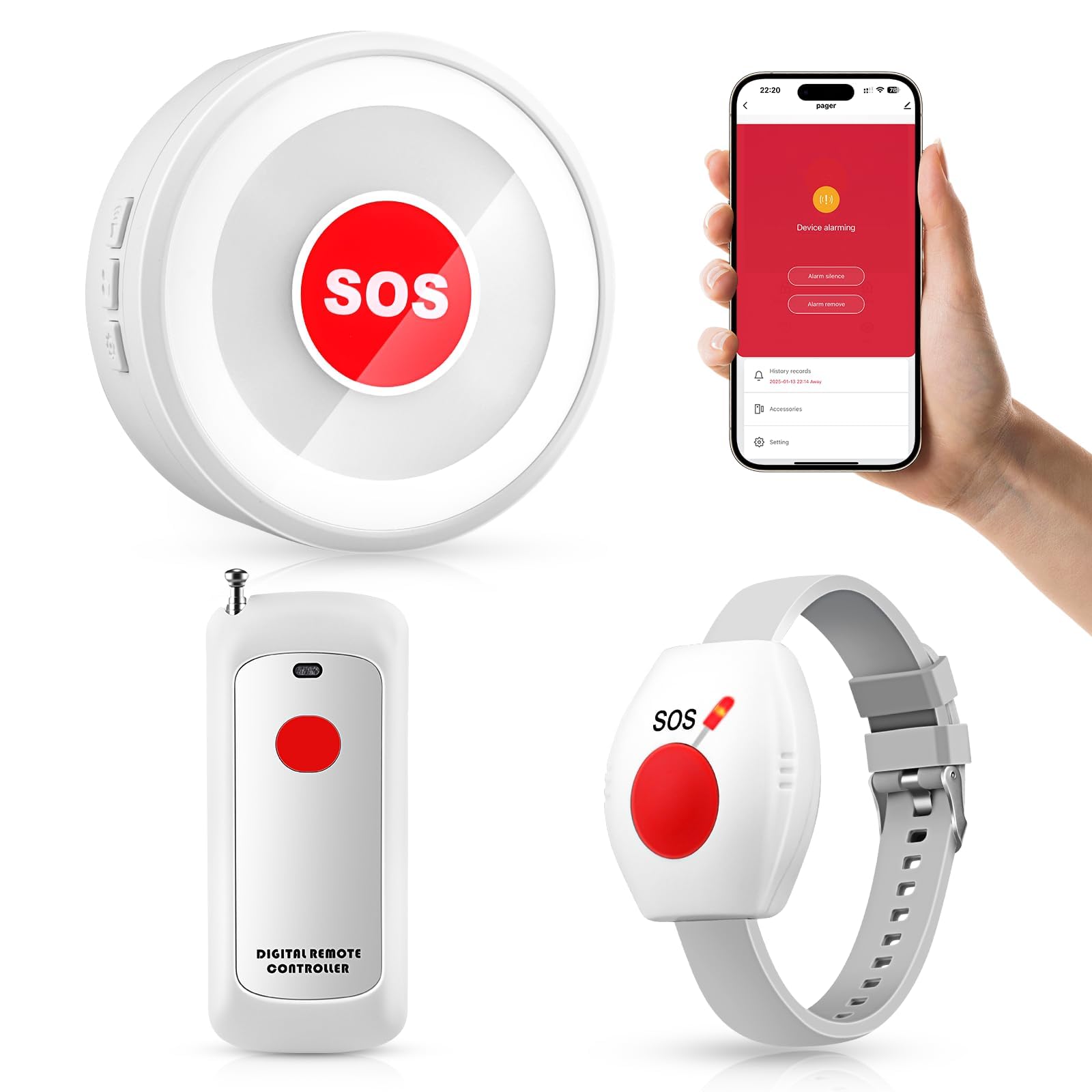
We recommend this system for caregivers who need a simple in-home alert without a required monthly subscription.
Pros
- Includes both a pendant and wrist button
- Loud receiver with several alert tones
- Can send alerts through its app over 2.4GHz Wi-Fi
Cons
- Setup may take some trial and error
- Some users reported false alarms
- It is designed for alerts inside the home, not emergency monitoring
We found the buttons easy to place near a bed, chair, or bathroom. The waterproof design also gives us more flexibility when the user moves between rooms. The wrist option works well for someone who may not want to wear a necklace.
The plug-in receiver produces a loud alert that we could hear from another room. This makes it useful when a caregiver stays nearby but cannot watch the user at all times. The system can also send app notifications when connected to compatible 2.4GHz Wi-Fi.
The no-fee design keeps ongoing costs low, but it does not connect the user to a professional emergency response center. We would use it for family or in-home caregiver support rather than as a replacement for a monitored medical alert service.
Most of the setup should be manageable, though choosing tones and connecting the app may require patience. We also noted reports of false alerts, so we would test the buttons and receiver before relying on the system.
Daytech Wireless Caregiver Pager

We recommend this system for basic in-home caregiver alerts because it offers simple buttons, multiple receivers, and dependable coverage around the house.
Pros
- Simple wrist and call-button controls
- Two plug-in receivers help cover several rooms
- Adjustable tones and volume
Cons
- Not a 911 or professional monitoring service
- The wearable and button must stay out of water
- Programming can take some trial and error
We found the Daytech system easy to use after pairing the watch and call button with the receivers. A caregiver can place the receivers in common areas, while the person needing help can wear the wrist pager or keep the button nearby.
The alert worked well across rooms and through doors during normal home use. The two receivers also helped us hear calls from different parts of the house, which can be useful in multilevel homes.
We liked the choice of 20 ringtones and adjustable volume. However, the setup controls felt less intuitive than the call buttons. The system also works as an in-home alert only, so it does not contact emergency services or provide outdoor monitoring.
The call button can handle splashes and mount near a bathroom, but the watch and button should come off before bathing or showering. We would choose this model for families who need a direct way to request help at home without paying for a monthly monitoring plan.
SecuLife Medical Alert Pendant
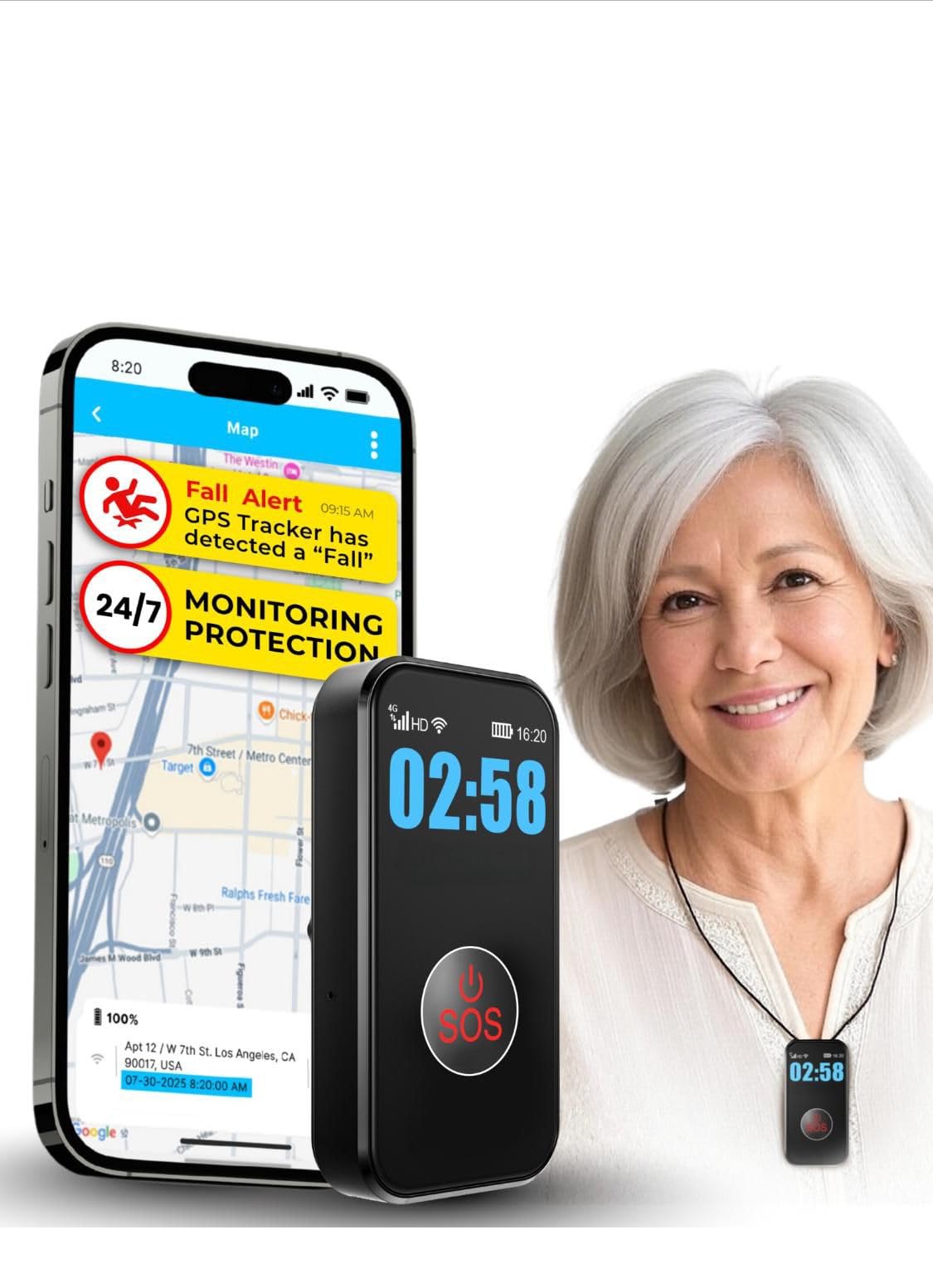
We recommend this pendant for caregivers who want direct family alerts, location tracking, and two-way calling without a call-center plan.
Pros
- Simple SOS button and hands-free calling
- GPS tracking with customizable safe zones
- Waterproof design with fall detection
Cons
- Requires a $20 monthly subscription
- Fall detection may not catch every fall
- Setup or activation may need support
We found the pendant easy to use, with a large SOS button and a clear display. The wearer can contact selected family members directly, while caregivers can call the device and speak through its built-in speakerphone.
GPS tracking adds useful support for people who may wander. Safe-zone alerts can notify caregivers when the wearer leaves or enters a chosen area, and location history helps us review recent movements.
The waterproof design allows continuous wear during showers and daily activities. Battery life lasts several days, but caregivers still need to maintain a regular charging routine.
This system does not provide a staffed emergency call center. It also requires a $20 monthly subscription, so buyers should include that ongoing cost in their budget. Overall, it suits families who want a mobile alert device that connects directly with trusted contacts.
Nomo Smart Care Medical Alert System
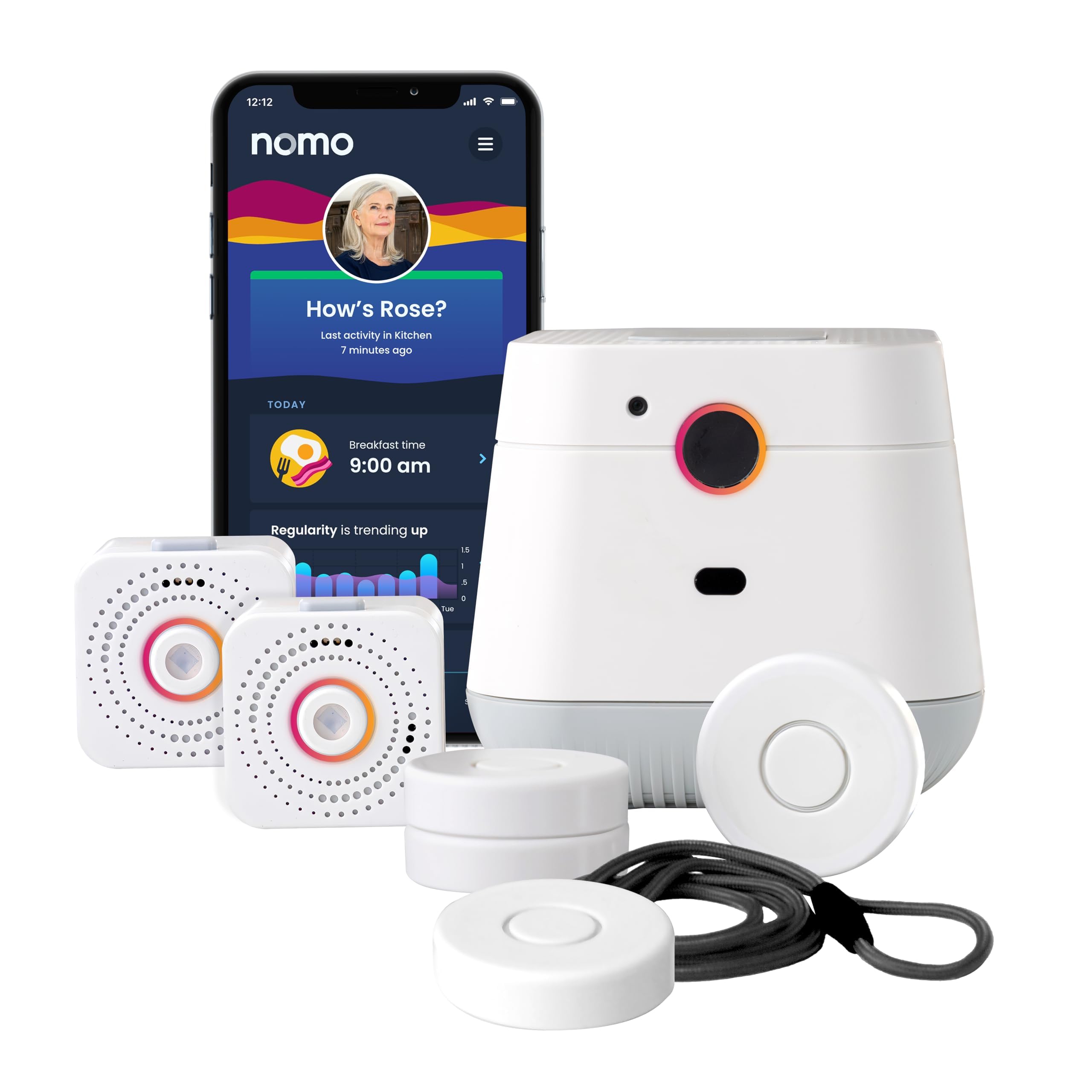
We recommend the Nomo Smart Care system for caregivers who want private, camera-free home monitoring with app alerts and two-way voice support.
Pros
- Camera-free monitoring helps protect privacy.
- Motion, sound, and Smart Tags track daily activity.
- Setup uses home Wi-Fi without wiring or professional installation.
Cons
- The system requires a 2.4 GHz Wi-Fi connection.
- Ongoing service costs $19.99 per month after the trial.
- Fall detection may not work reliably in every situation.
We found the setup straightforward. We plugged in the Hub and Satellites, connected them to Wi-Fi, and placed Smart Tags near important doors, cabinets, and medications. The system does not require a landline or a technician.
The Nomo app gives caregivers alerts about falls, unusual activity, and changes in daily routines. We also liked the two-way voice feature, which lets us speak through the Hub during an alert. This can help when a senior needs support but cannot reach a phone.
The system works best for in-home use because it depends on the Hub, Satellites, and Wi-Fi. Some customer feedback also raises concerns about inconsistent fall detection, so we would not treat it as a replacement for regular check-ins or other safety plans.
A 60-day app trial comes with the kit. After that period, 24/7 monitoring and RapidSOS emergency response cost $19.99 per month.
STECHRO Wireless Caregiver Pager

We recommend this simple pager for caregivers who need an affordable way to receive an alert from another room.
Pros
- Easy setup and large, responsive call button
- Adjustable volume with many alert sounds
- Portable receiver with a long wireless range
Cons
- It does not contact emergency services
- The call button may need regular battery checks
- One button and receiver may not suit larger homes
We found the setup quick and uncomplicated. After pairing the call button with the receiver, we could choose an alert sound and adjust the volume for different rooms. The button also worked well for users who may struggle with small controls.
The receiver is easy to move around the home, which helped us stay available while doing chores or resting in another room. Its loudest setting stood out, but the lower levels worked better at night or in quieter spaces.
The call button can be worn or placed near a bed, chair, or bathroom. Its water- and dust-resistant design adds some protection, though we would still avoid soaking it. This system sends an alert only to the receiver, so it works best when a caregiver remains nearby and can respond in person.
We also liked the range for homes with several rooms. Walls and building layout can affect performance, so we would test the signal before relying on it. The warranty provides added support, but caregivers should still check the batteries and test the pager regularly.
PILSAMAS WiFi Caregiver Pager
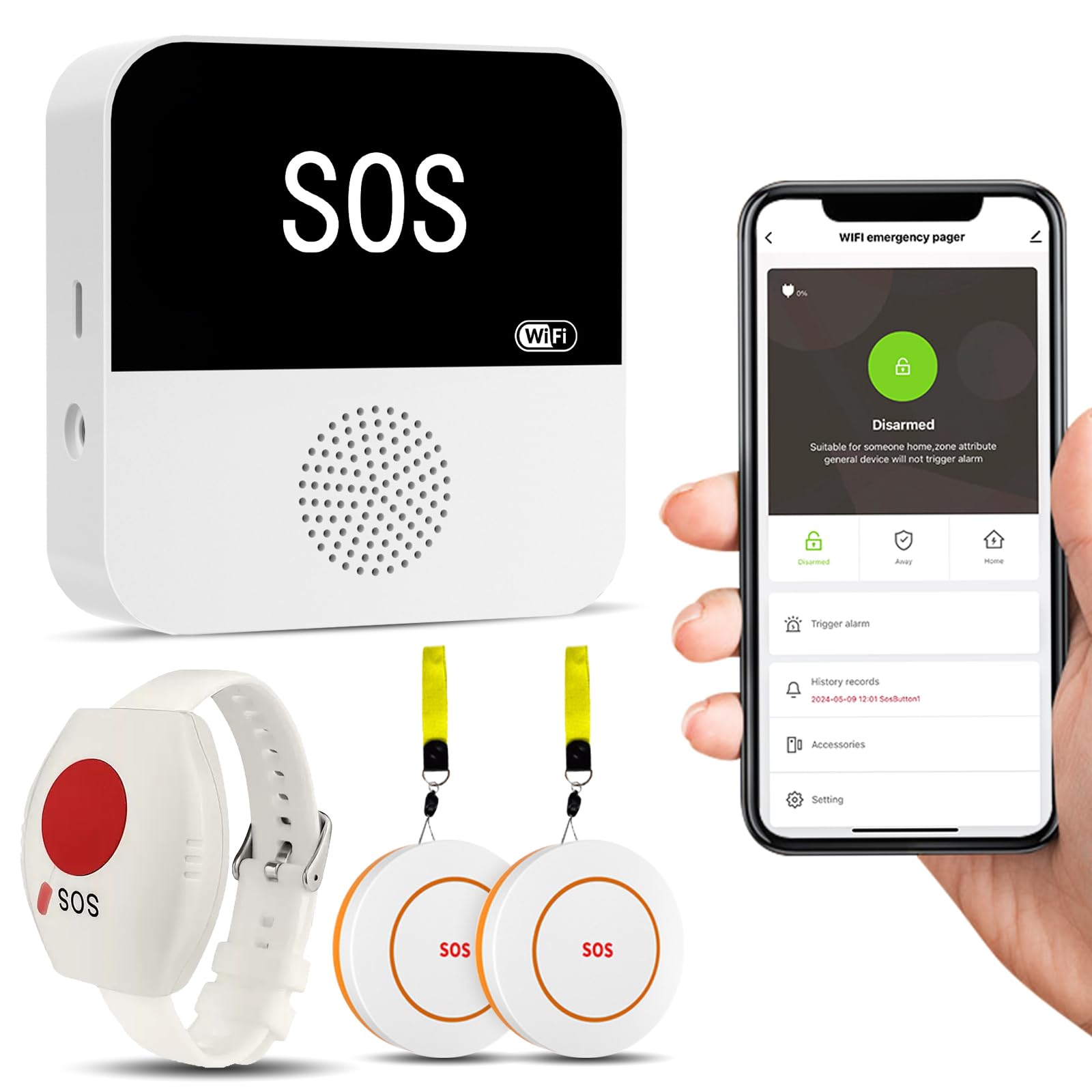
We recommend this system for caregivers who want local alerts and app access without a required monthly fee.
Pros
- Includes two call buttons and a wearable wristband
- Loud receiver with flashing light alerts
- App offers custom tones and shared notifications
Cons
- Setup requires a 2.4 GHz Wi-Fi network
- The wristband may trigger false alarms if bumped
- Text, phone, and email alerts require a subscription
We found the setup straightforward once we used a 2.4 GHz network. The buttons arrived paired, and we could place them near a bed, chair, or doorway. The receiver reached across rooms and stayed easy to hear.
The app lets us label each button, change the sound, and check battery or signal status. This helped us identify which person or room needed help. Family members can also receive app alerts, although some advanced notification options cost extra.
The wristband adds flexibility for someone who moves around the home. However, its sensitive button may activate when it rubs against clothing or furniture. We also found that the receiver needs a power connection, so caregivers should place it near an outlet and keep the included battery-powered buttons ready.
CallToU Caregiver Pager
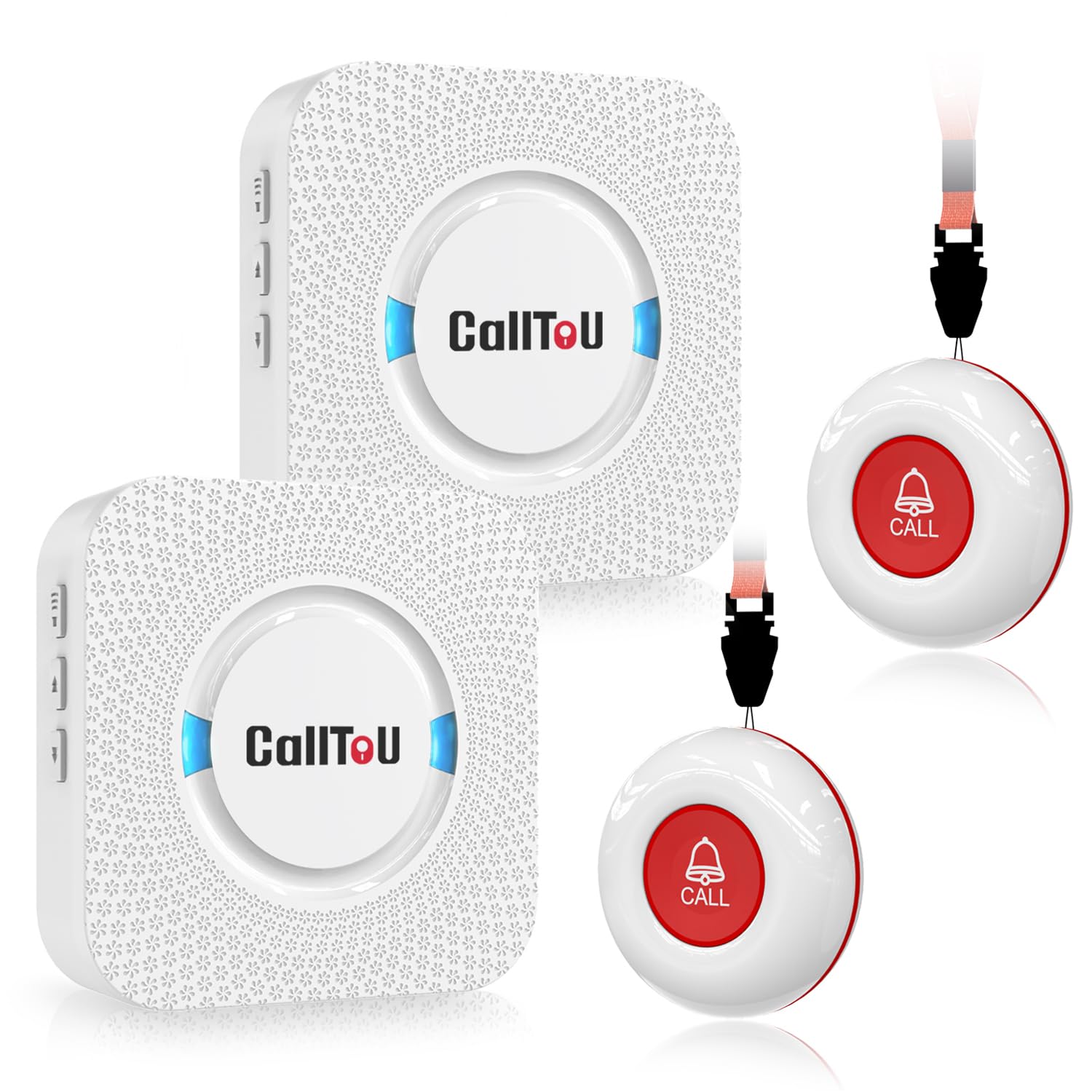
We recommend this pager for caregivers who need a simple, wireless way to receive alerts throughout the home.
Pros
- Two receivers and two call buttons support multiple rooms or users
- Loud, adjustable alerts with many tone choices
- Waterproof buttons work well near bathrooms and outdoors
Cons
- The receivers need nearby power outlets
- It does not detect falls automatically
- Small instruction text may be difficult to read
We found setup straightforward: plug in the receivers, pair the buttons, and choose a suitable ringtone and volume. The two receivers make it easier for us to stay reachable when moving between floors or rooms.
The call buttons can hang around the user’s neck or attach to a wall, bed, or chair. We liked having placement options, especially for someone who may struggle to reach a phone during an urgent moment.
The alert remained loud enough for large homes, and the reported range worked well across multiple rooms and floors. Still, thick walls and other obstacles may reduce performance, so we recommend testing it throughout the home.
This system requires the user to press the button, so it cannot sense a fall or contact emergency services. For basic in-home caregiver alerts without Wi-Fi or app setup, the CallToU Caregiver Pager offers a practical choice.
CallToU Caregiver Pager
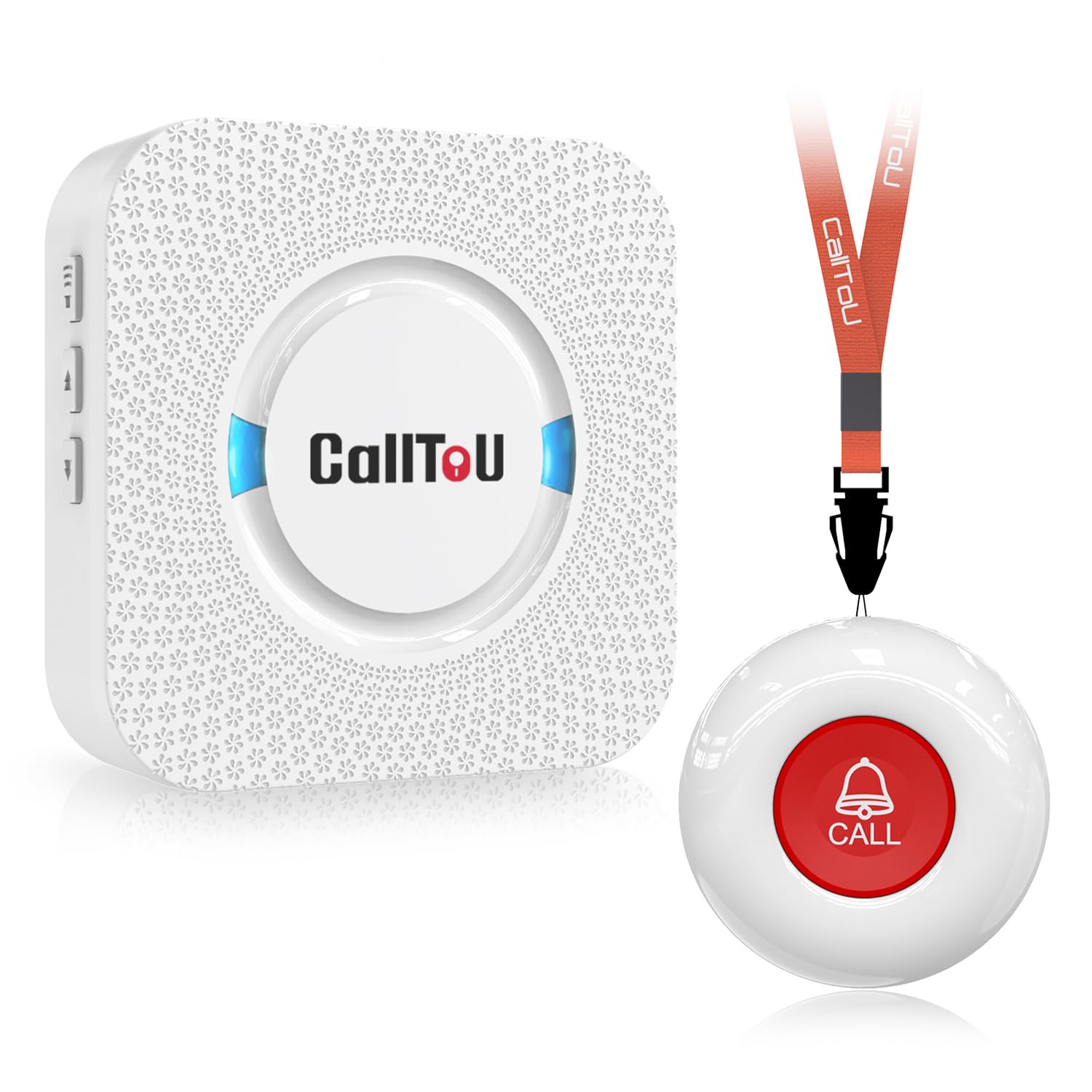
We recommend this simple pager for home caregivers who need a reliable way to receive alerts from another room.
Pros
- Simple setup with pre-paired parts
- Loud receiver with many tone choices
- Waterproof call button for flexible placement
Cons
- Receiver needs a nearby power outlet
- The wall-mounting hardware may be confusing
- It does not provide monitoring outside the home
We found the system easy to use because the call button and receiver required little setup. The caregiver can carry the receiver between rooms, while the user can wear the button on a neck strap or keep it near a bed or chair.
The alert came through clearly from different rooms, including through doors and walls. We also liked the adjustable volume and wide selection of ringtones, which helped us choose a sound that stood out from other household alarms.
The button’s water resistance makes it useful near a bathroom or outdoors in light rain. Still, this is a basic in-home alert system, not a professional medical alert service. It does not contact emergency responders or provide GPS tracking, so caregivers must remain within hearing or reach of the receiver.
MT EXESPR Caregiver Pager
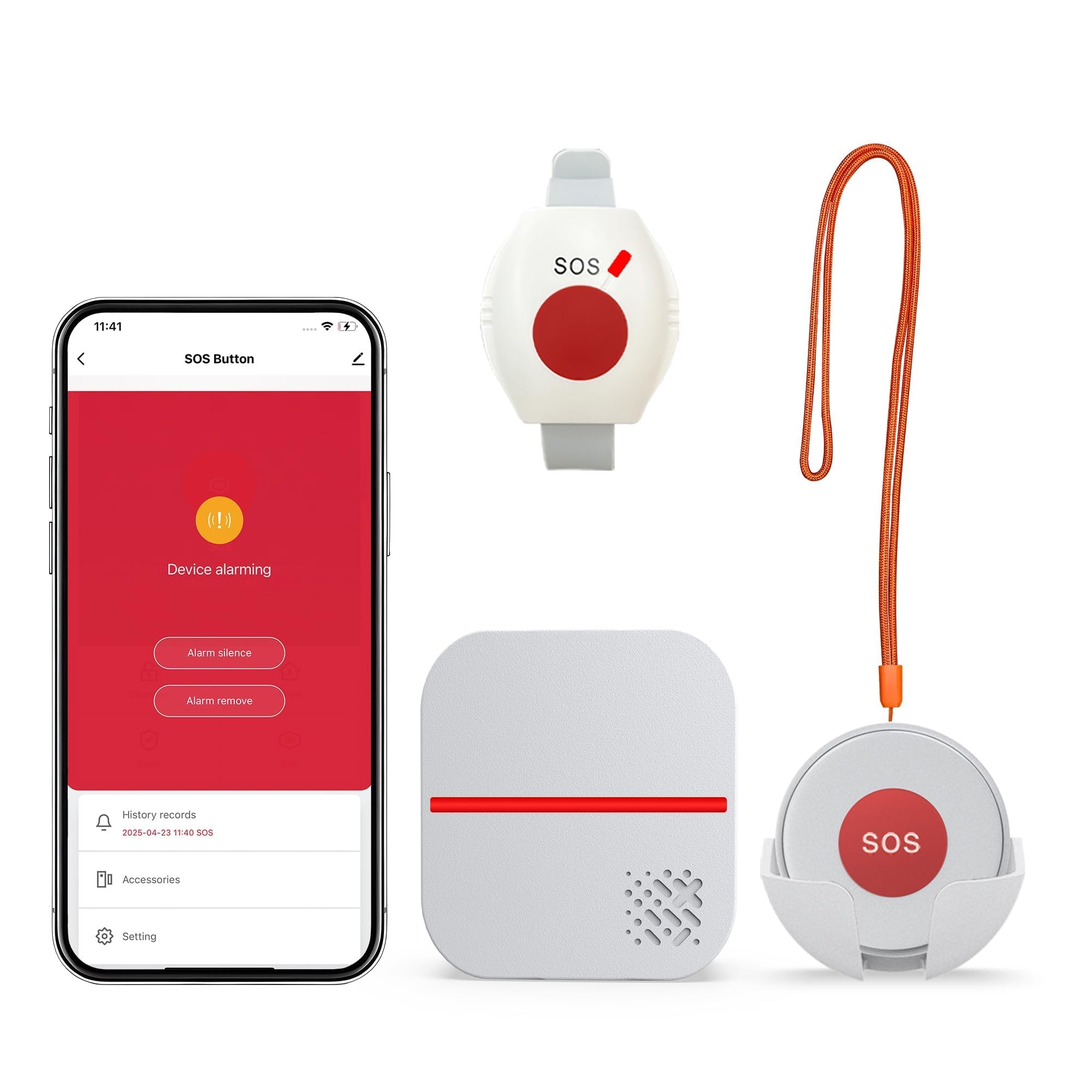
We recommend this system for households where caregivers need a simple alert button without a monthly alarm fee.
Pros
- No monthly fee for app-based alerts
- Waterproof pendant and wrist button
- Loud, adjustable receiver with flashing alerts
Cons
- Text and phone alerts require a separate subscription
- App notifications need 2.4GHz Wi-Fi
- It does not automatically detect falls
We found the setup simple: plug in the receiver, pair the buttons, and choose a ringtone and volume. The receiver provides four volume levels and flashes when someone presses a button, which helps caregivers notice alerts in noisy or dim areas.
The wearable button works as a necklace pendant or wrist device. Its water-resistant design suits bathroom use, but users must press it after a fall because it does not detect falls automatically.
The system uses a long-range radio signal, so it can work across much of a home. The app can notify connected caregivers through Wi-Fi, while text messages and phone calls cost extra. We would choose it for homes with nearby caregivers, but people who need 24/7 professional monitoring should consider another type of service.
PILSAMAS WiFi Caregiver Pager
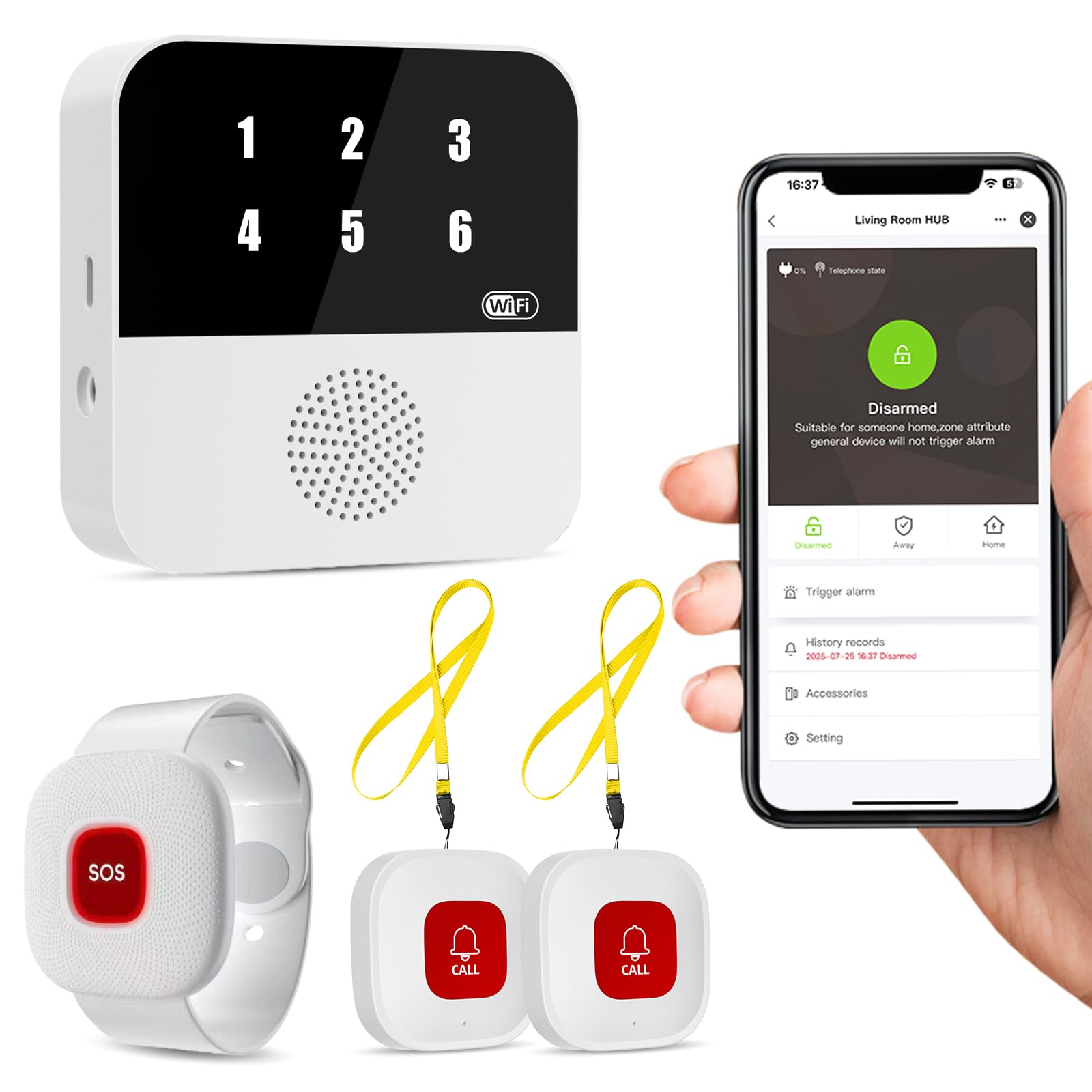
We recommend this system for caregivers who want local alerts and app notifications without a required monthly subscription.
Pros
- Clearly identifies which button sent the alert
- Waterproof buttons suit bathrooms and kitchens
- Supports multiple caregivers through the app
Cons
- Requires 2.4GHz Wi-Fi, not 5GHz
- Alerts may need to be paired again after unplugging the hub
- Some users report unreliable buttons or connections
We found the setup fairly simple because the buttons come pre-paired with the hub. The receiver shows a button number and sounds an alarm, which helps us identify where help is needed without checking each room.
The wristband and call buttons work well for common care areas. Their water resistance makes them useful near showers, sinks, and tubs. We would still test each button regularly, especially if someone depends on it during the night.
The app adds useful remote alerts and lets us label buttons by location or person. We like that the system does not require a standard subscription for app notifications, but text messages, calls, and emails may require an optional plan.
The main concern involves reliability after power changes. We found that unplugging the hub may require pairing the alarms again. Some customer reports also mention connection problems, so we would test the full system before relying on it for urgent situations.
Buying Guide
We should start by matching the system to the user’s daily needs, health risks, and living setup. Consider whether the user needs help mainly at home, outdoors, or in both settings. We should also check whether they can press a button, speak clearly, and wear the device comfortably.
| Feature | What we should check |
|---|---|
| Connection type | Cellular systems work outside the home, while landline or Wi-Fi systems may depend on local service. |
| Location tracking | GPS can help caregivers locate a user when the device supports outdoor use. |
| Fall detection | Automatic detection may help when the user cannot press the button, but it may not identify every fall. |
| Two-way voice | A clear speaker and microphone let users talk with responders through the device. |
| Caregiver access | Look for tools that let approved contacts receive alerts or check device status. |
| Battery life | Check how often the device needs charging and whether it sends low-battery notices. |
| Water resistance | A water-resistant device can support use in areas such as the bathroom, where falls may occur. |
We should review all costs, including equipment fees, monthly service charges, activation fees, and optional features. Contract terms, cancellation rules, response procedures, and customer support hours also deserve careful attention.
Comfort and ease of use matter for daily wear. We should choose a simple control layout, a secure fit, readable instructions, and charging steps that the user and caregiver can manage without added help.
Editor’s Choice
We choose Medical Guardian as our top pick for caregivers. Its plans include in-home and mobile systems, giving families options for people who spend time both at home and away from home.
The company offers features such as fall detection, GPS tracking, two-way communication, and caregiver alerts on select plans. We recommend checking each plan carefully because features, equipment fees, and monthly costs can vary.
| Best for | Why we recommend it |
|---|---|
| Caregivers who want flexible coverage | Home and mobile options |
| Families who need location tracking | GPS on eligible mobile devices |
| People who want fall detection | Available with select plans |
We also value the caregiver tools that help families stay informed. Depending on the plan, users may receive alerts through a mobile app or connect with trained response staff during an emergency.
Before choosing a system, we suggest reviewing the coverage range, battery life, response process, contract terms, and replacement fees. We should also confirm that the device fits the user’s daily routine and comfort level.
Conclusion
We should choose a medical alert system based on the user’s health needs, daily routine, and living situation. Key features include 24/7 monitoring, fall detection, GPS location tracking, two-way communication, and caregiver alerts.
We also need to check coverage, battery life, setup requirements, and monthly fees. A system that the user can wear and operate comfortably is more useful than one with features they will not use.
Before buying, we can review the cancellation policy, equipment costs, response times, and caregiver notification options. Comparing these details helps us select reliable support that fits the user’s needs and our caregiving responsibilities.
FAQs
What should caregivers look for in a medical alert system?
We recommend checking for 24/7 response support, fall detection, GPS location services, two-way communication, and reliable cellular coverage. We should also compare monthly fees, equipment costs, battery life, and cancellation policies.
Does fall detection replace pressing the help button?
No. Fall detection can identify some hard falls, but it may miss others or trigger a false alert. We should treat it as an extra safety feature, not a replacement for manually pressing the button.
Are medical alert systems covered by Medicare?
Original Medicare usually does not cover medical alert systems. Some Medicare Advantage plans, Medicaid programs, veterans’ benefits, or long-term care policies may help pay for them. We should check each plan’s current rules.
Can caregivers receive alerts on their phones?
Many systems let caregivers receive app notifications, text messages, or calls. We should confirm whether these features cost extra and whether the service shares the user’s location.
Do medical alert systems work outside the home?
Some systems use GPS and cellular networks for protection away from home. We should check coverage in the user’s regular locations and confirm whether the device needs charging each day.
What happens when the user presses the help button?
A trained response agent usually answers through the device and contacts the user’s chosen family member, caregiver, emergency service, or another contact based on the situation. We should keep contact details updated.
