
10 Best Medical Alert Systems for Small Spaces: Compact and Reliable Options


Portable Wheelchair

Electric Food Chopper

Electric Jar Opener
Medical alert systems can provide fast access to help after a fall, medical event, or other emergency. They usually include a wearable button, a base station, and access to trained operators who can contact emergency services or a chosen contact.
Small homes and apartments have different needs from larger houses. The best medical alert systems for small spaces offer reliable coverage without bulky equipment, complicated setup, or unnecessary smart-home features. We focus on signal range, wearable comfort, battery life, two-way voice quality, and whether the system works with or without a landline. We also consider fall detection, monthly fees, and cellular coverage.
We compared leading systems to find options that fit compact homes while still providing dependable access to help. Next, we’ll explain which models stood out and what to consider before buying.
Best Medical Alert Systems for Small Spaces
We selected the best medical alert systems for small spaces based on their size, ease of use, coverage, and key safety features. Our list includes options for apartments, compact homes, and other living areas where simple setup and reliable access to help matter most.
TurboSense No-Fee Caregiver Pager
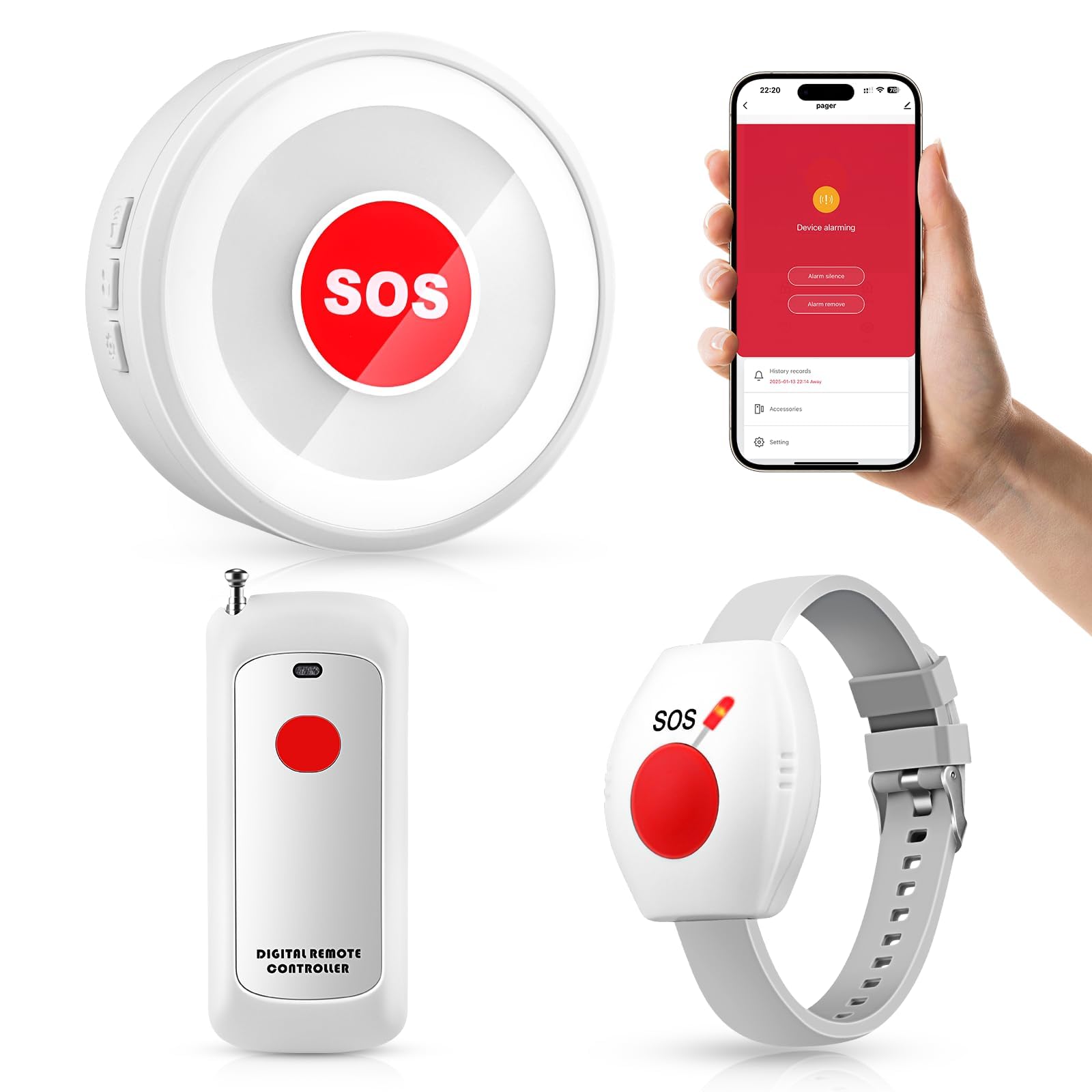
We recommend this system for small homes where a caregiver needs a simple indoor alert without a monthly service fee.
Pros
- Loud receiver works well across nearby rooms
- Includes pendant and wrist-worn alert options
- App alerts can notify connected family members
Cons
- Wi-Fi setup may take some trial and error
- Some users reported false alarms
- It does not replace monitored emergency response service
We found the receiver easy to place in a bedroom, hallway, or living room. Its loud alert made it useful in a small home, especially when the caregiver stayed in another room.
The pendant and wrist button gave us flexible wearing options. The waterproof button also suited areas near daily care needs, such as a bathroom or kitchen. The system can work without the app, which helps keep its main alert function simple.
App notifications add a useful option for family members who are not nearby. However, setup may require patience, and the Wi-Fi feature depends on a compatible 2.4GHz network. We also noted reports of false alerts, so we would test the system carefully after installation.
This product fits buyers who want a basic, low-cost indoor call button for nearby help. It does not connect the user to a professional monitoring center, so we would choose a monitored system for people who may need emergency assistance when no caregiver is close.
CallToU Wireless Caregiver Pager
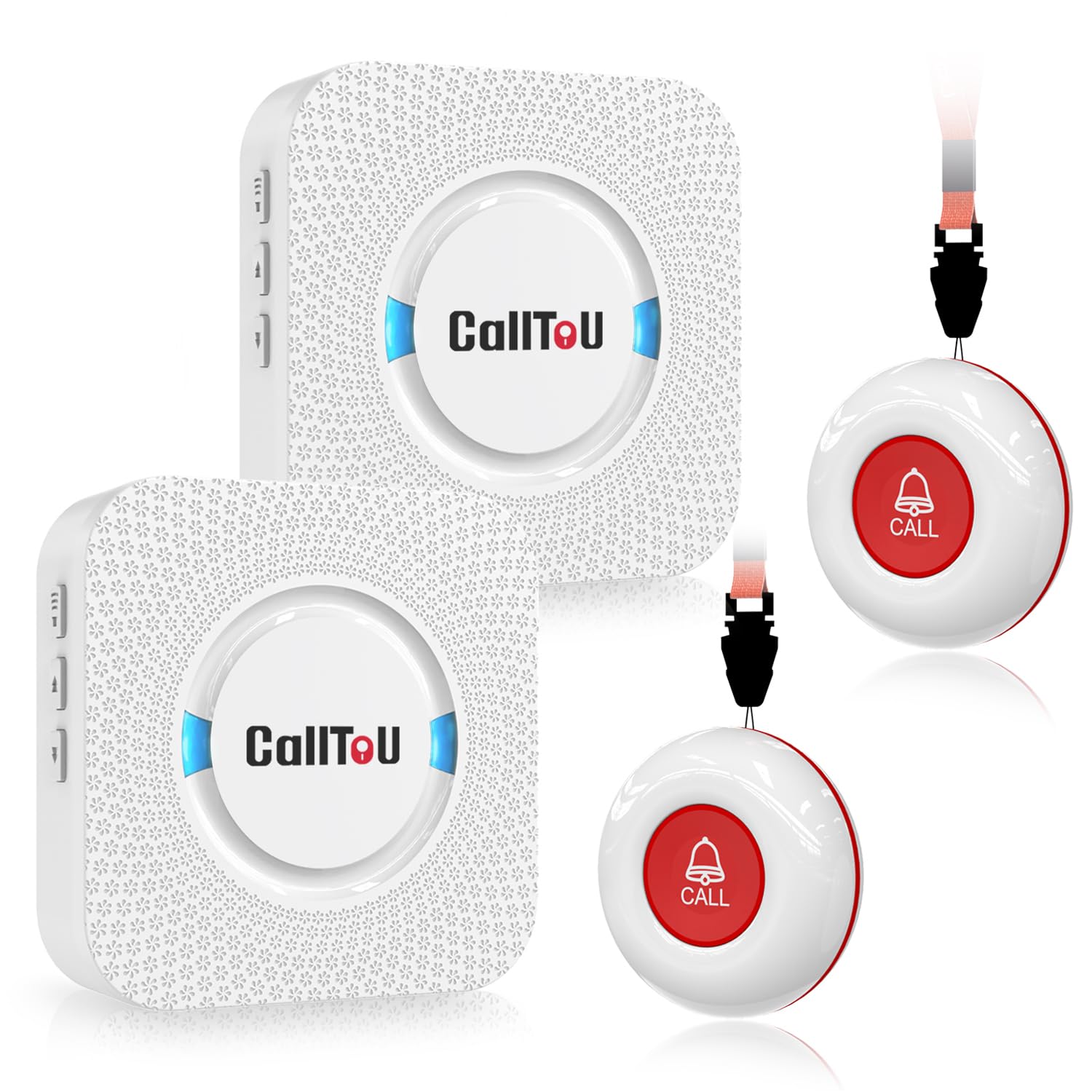
We recommend this simple pager for small homes where users need a loud, local way to call for help without Wi-Fi or a monthly fee.
Pros
- Two receivers help us hear alerts from different rooms.
- Call buttons are easy to carry and use.
- Waterproof buttons work well near sinks and bathrooms.
Cons
- It does not detect falls automatically.
- Receivers need nearby wall outlets.
- Loud alerts may bother light sleepers.
We found the CallToU easy to set up in a small space. We plugged one receiver into the main living area and kept the other near the bedroom. The call buttons worked as pendants, so users could keep them close while moving around.
The alert sounded clearly through nearby rooms, and we could adjust the volume and ringtone to fit the home. In a small apartment, the strong range may provide more coverage than needed, but walls and room layout can still affect performance.
We also liked the waterproof design for bathroom use. The system does not contact an emergency service or include automatic fall detection, so someone must respond when the pager sounds. For basic in-home help, it offers a practical and low-maintenance option.
MT EXESPR Caregiver Alert System
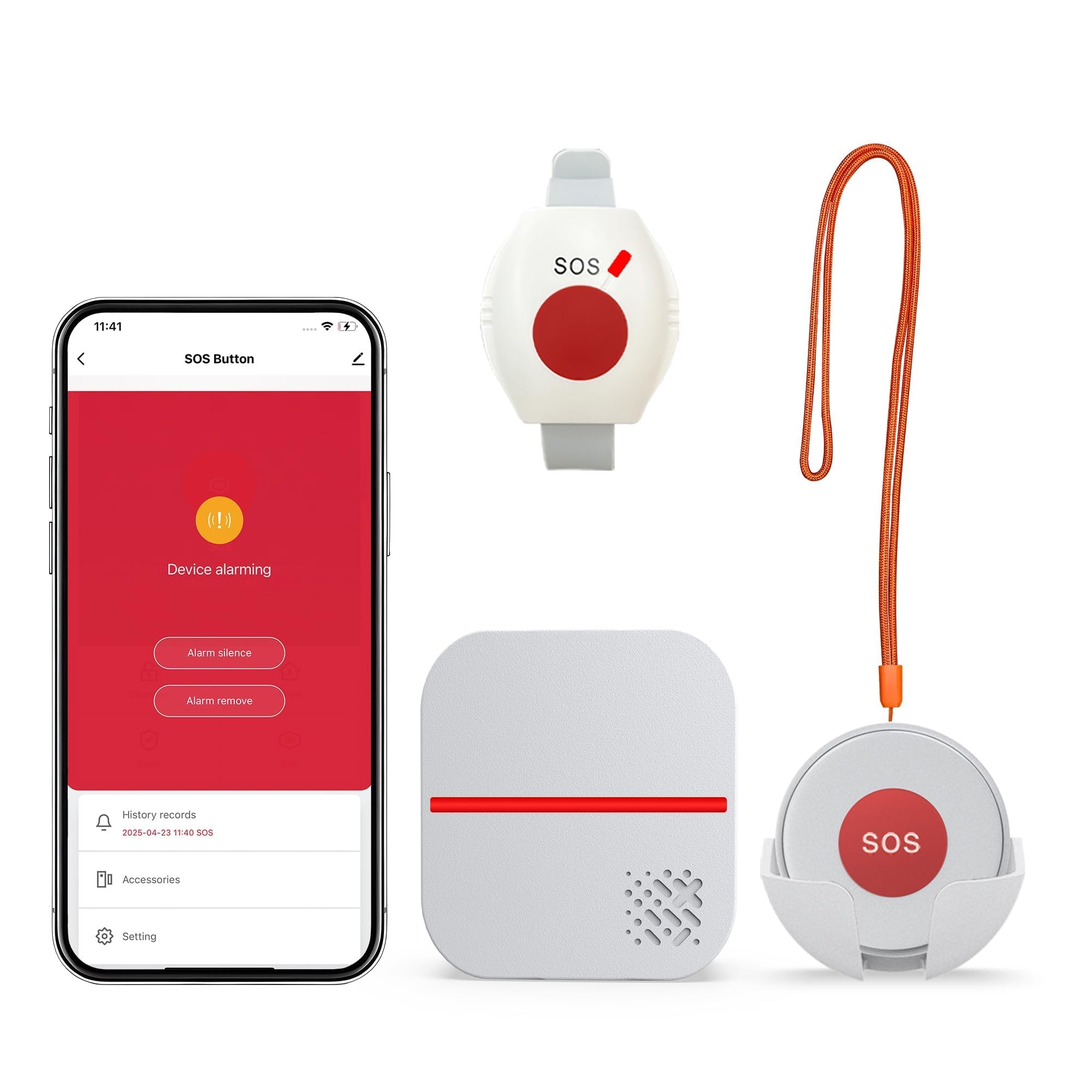
We recommend this system for small homes where a caregiver stays nearby and wants a simple alert button without a monthly alarm fee.
Pros
- Easy push-button operation
- Wearable pendant and wrist button
- Adjustable sounds, volume, and flashing alerts
Cons
- Text and phone alerts require a subscription
- App use requires 2.4GHz Wi-Fi
- Manual help requests do not detect falls automatically
We found the setup simple: plug in the receiver, pair the buttons, and choose a sound level. Its compact design fits well in a bedroom, hallway, or small apartment without taking up much space.
The pendant and wrist button give users more than one way to call for help. The waterproof button also suits bathroom use, but users must press it themselves because this model does not provide automatic fall detection.
The receiver offers a strong signal across a typical home, and the flashing light adds a useful visual cue. We liked the adjustable volume, though people in larger homes or noisy settings may need to test the receiver’s placement.
App notifications can reach connected caregivers through 2.4GHz Wi-Fi. SMS and phone call alerts cost extra, so buyers should review that limit before relying on remote notifications.
ADT On-the-Go Medical Alert

We recommend this compact alert for small homes and active users who want one device for indoor and outdoor use.
Pros
- Small, pendant-free design
- 24/7 professional monitoring
- Built-in GPS and optional fall detection
Cons
- Requires a paid monitoring plan
- Fall detection costs extra and may miss some falls
- Setup may require a call for help
The ADT device fits well in a small space because it combines the help button, microphone, cellular connection, and GPS in one unit. We found the design less cluttered than systems that require a base station, wristband, and separate pendant.
Pressing the SOS button connects us with ADT’s professional monitoring team. The device also supports use away from home, which gives us more flexibility for errands, walks, and visits.
Charging was straightforward with the included cradle. We would keep the charger in a regular spot, since the battery lasts about 40 hours and the system depends on a cellular connection.
Automatic fall detection remains optional and adds to the monthly cost. We also noted mixed user feedback: some customers praised setup and daily use, while another reported early service problems and continued billing after cancellation. We recommend confirming activation, pricing, and cancellation terms before starting service.
Seculife Medical Alert Pendant
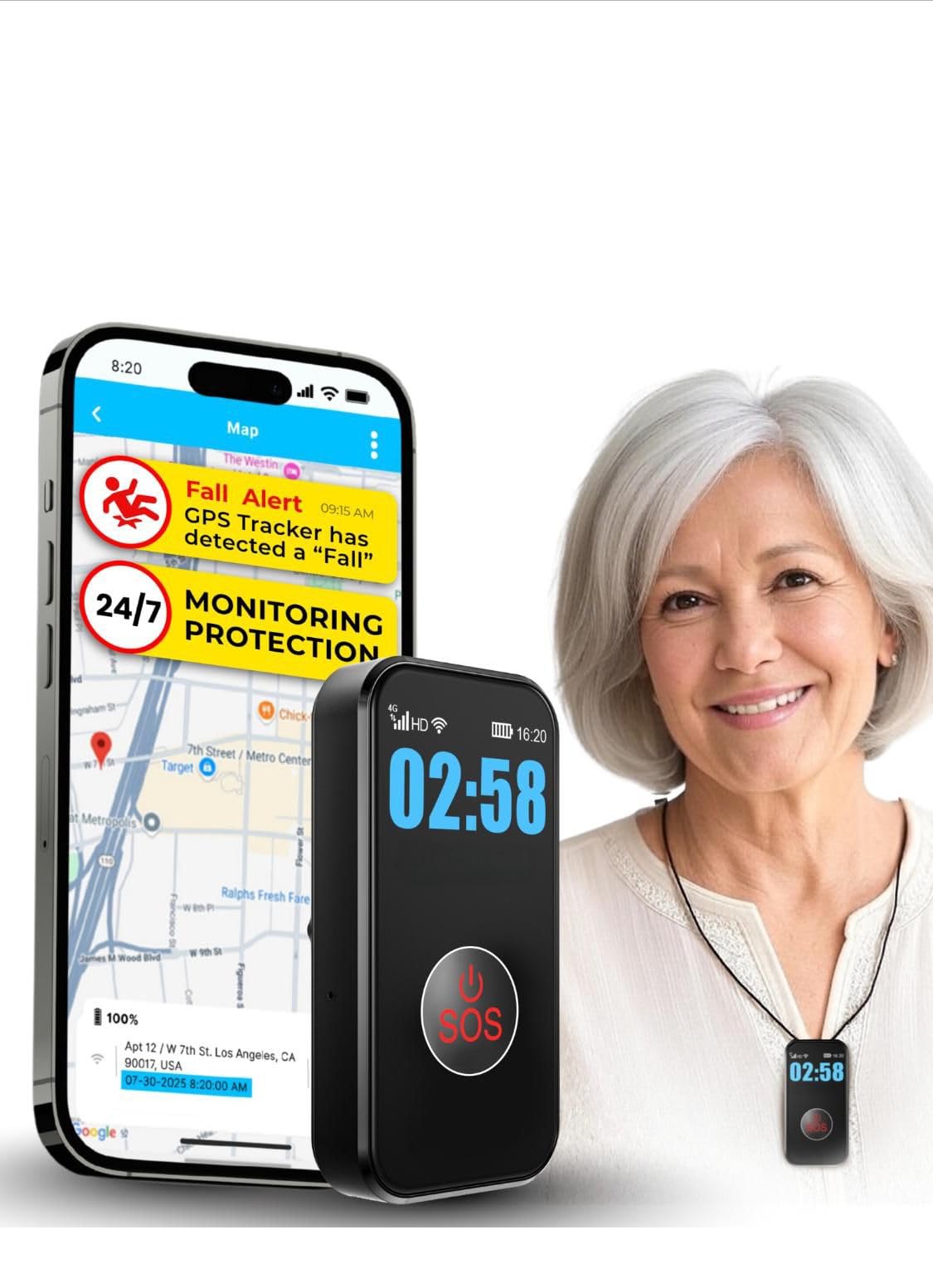
We recommend this compact pendant for small homes because it combines simple SOS calling, fall alerts, and GPS tracking in one wearable device.
Pros
- Large SOS button and two-way voice calling
- GPS tracking with geofence alerts
- Waterproof design for daily wear
Cons
- Requires a $20 monthly subscription
- Fall detection may not catch every fall
- Battery life depends on tracking settings
We found the small pendant easy to carry around a compact home or apartment. Its large button was simple to press, and the speakerphone made it possible to talk with a caregiver without reaching for a phone.
The device connects through 4G cellular service, so it does not need a home base station. GPS tracking and geofence alerts add value for users who may leave home, though location accuracy can vary indoors.
Charging was manageable, with several days of use between charges under typical settings. The waterproof design also supports wearing it in the shower, but we would still test the device and charging routine before relying on it during an emergency.
The monthly plan includes fall alerts, live tracking, voice calls, and customer support. We would choose this model for shoppers who want mobile features in a small space and accept the ongoing subscription cost.
Connected Caregiver Safety+
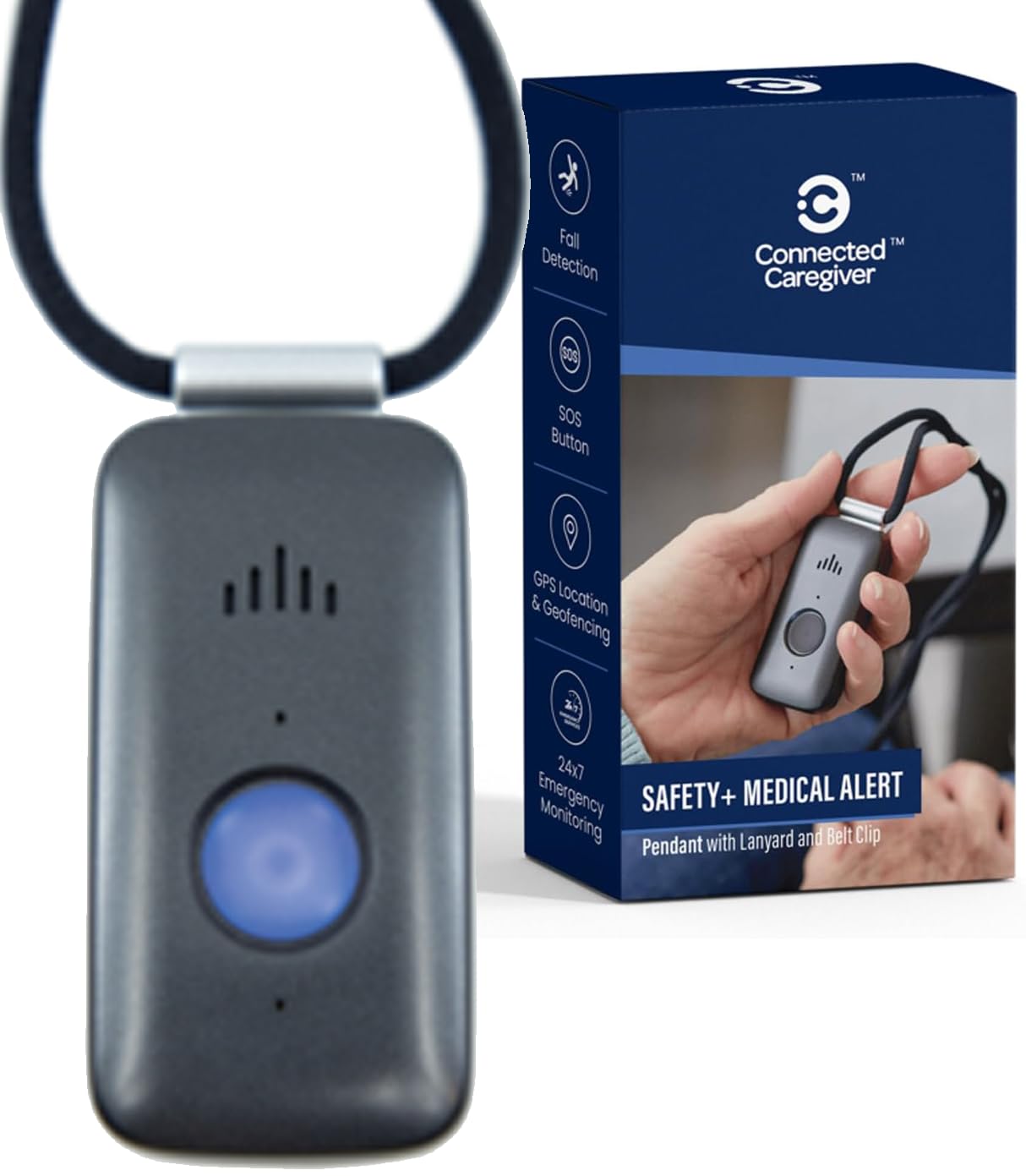
We recommend this compact system for small homes and active users who want GPS, fall detection, and caregiver alerts without relying on a smartphone.
Pros
- Compact design suits apartments and smaller living spaces
- GPS and cellular service support use at home or outdoors
- Includes a caregiver app with location and activity updates
Cons
- Requires a paid monitoring plan after the first month
- Activation and service terms may need careful review
- Battery life may vary with regular GPS use
We found the device easy to carry because it works with either a lanyard or belt clip. Its small size also kept it from getting in the way around narrow hallways, bathrooms, and other tight areas.
The built-in speaker and microphone let us speak with the monitoring center through the device. Fall detection adds another layer of protection, although we would still treat the help button as the main way to request assistance.
The caregiver app gives family members access to alerts, location, activity, and battery information. That can help when someone lives alone, but the service requires activation and ongoing monitoring payments, so we would review the full terms before buying.
The water-resistant design makes it suitable for showers and light rain. We also liked the charging dock, though users should charge the unit regularly and avoid assuming the advertised battery time will remain the same in every situation.
PRNBRH Medical Alert System
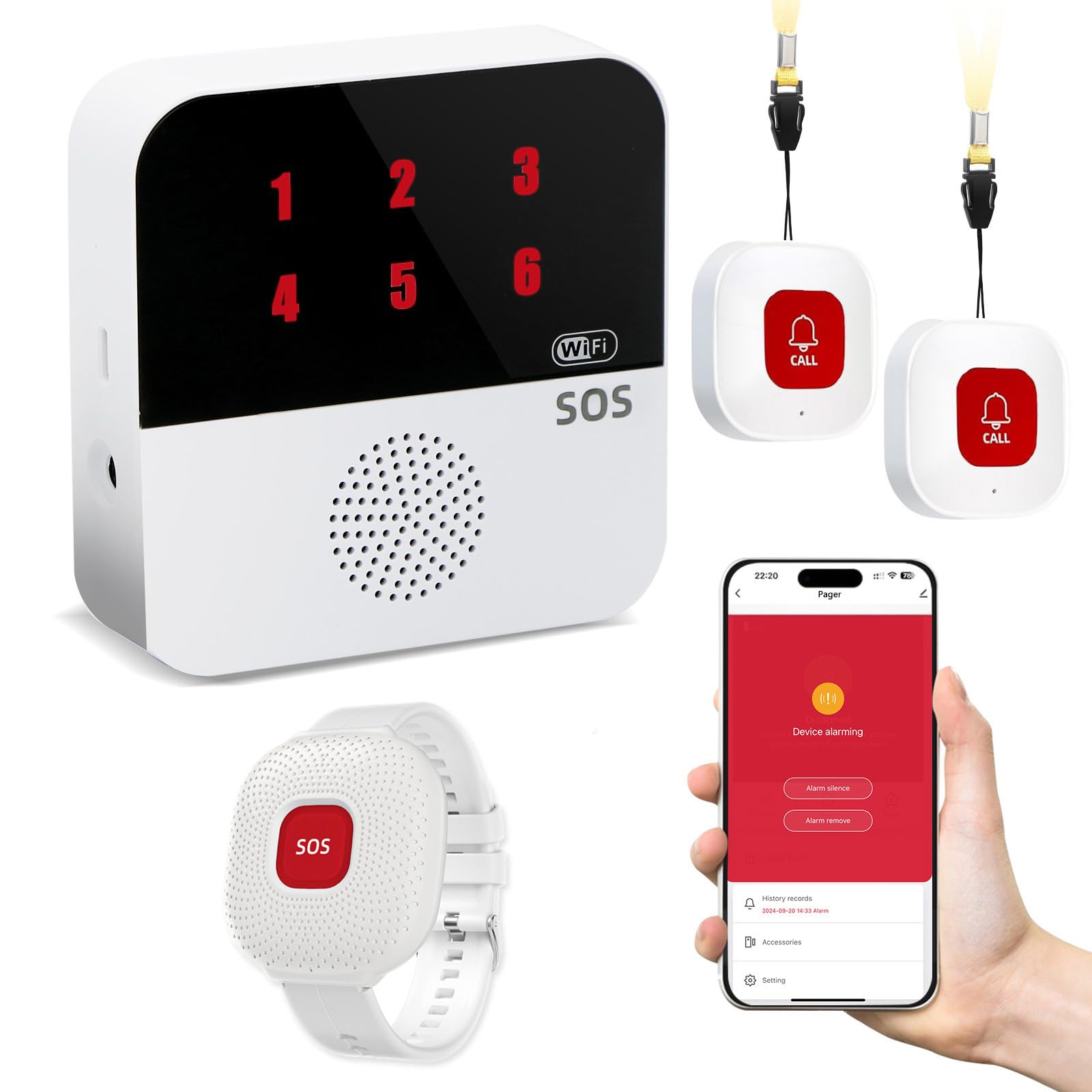
We recommend this system for small homes where caregivers want local alerts and app notifications without a required monthly plan.
Pros
- Compact setup with two call buttons, a wrist remote, and one receiver
- Waterproof wrist remote for use in the shower
- App sharing lets several caregivers receive alerts
Cons
- Wi-Fi setup requires a 2.4 GHz network
- Text alerts require an additional subscription
- The system does not provide professional emergency monitoring
We found the setup manageable in a small home. The receiver and call buttons did not take up much space, and the wireless signal worked through typical walls within the stated range. The numbered display can help caregivers identify which button sent the alert.
The wrist remote adds useful coverage near sinks and showers, since that remote is waterproof. The two necklace-style buttons also give us flexible placement in separate rooms, such as a bedroom and living area.
Alerts can reach a smartphone through the Tuya Smart or Smart Life app, and shared access allows more than one caregiver to receive notifications. We would still test the alert path after setup because Wi-Fi strength and phone settings can affect app notifications.
This system works best for families who can respond to alerts themselves. It offers a simple local pager and app support, but it does not replace a monitored emergency service or automatically contact emergency responders.
STECHRO Wireless Caregiver Pager

We recommend this simple pager for small homes where a nearby caregiver needs a clear call signal without monthly fees.
Pros
- Simple setup with one call button and one receiver
- Adjustable volume and many alert sounds
- Compact design with a long wireless range
Cons
- It does not contact emergency services
- The call button may need regular battery checks
- One receiver may not cover a larger or multi-floor home
We found the STECHRO easy to set up and use. The large call button takes little effort to press, which helps people with limited strength or movement. We could place the receiver in a bedroom, kitchen, or living area without taking up much space.
The volume range worked well for different rooms and hearing needs. We also liked choosing from several alert sounds, since a distinct tone can help us recognize the call quickly. The receiver can reach up to 1,500 feet in open conditions, though walls and floors may reduce that distance.
For a small apartment or single-level home, this system offers a practical way to request help from a nearby caregiver. We would not treat it as a replacement for a monitored medical alert service because it only signals the paired receiver.
Bay Alarm Medical SOS Mobile GPS

We recommend this compact alert button for small homes and active seniors who need direct access to a response team without a home base.
Pros
- Compact design fits comfortably on a lanyard or belt clip
- Works independently through 4G LTE cellular service
- Caregiver app provides battery and device updates
Cons
- Requires an ongoing service subscription
- Charging still requires regular attention
- Coverage may vary by location and network conditions
We found the device easy to set up, thanks to the clear instructions and included charging dock. Its small size made it practical in tight spaces, where a larger base station could get in the way.
Pressing the button connects the user with a trained operator through two-way voice communication. Because the unit works without a smartphone, we could use it around the home or while away without managing another device.
The rechargeable battery can last several days with typical use, and the device provides spoken reminders when it needs charging. We also liked the included lanyard and belt clip, which offered flexible wearing options.
Caregivers can use the companion app to check device status, battery level, and location activity. Optional fall detection adds another layer of support, but it requires an additional service plan and should not replace pressing the help button when possible.
Medical Guardian MGMini
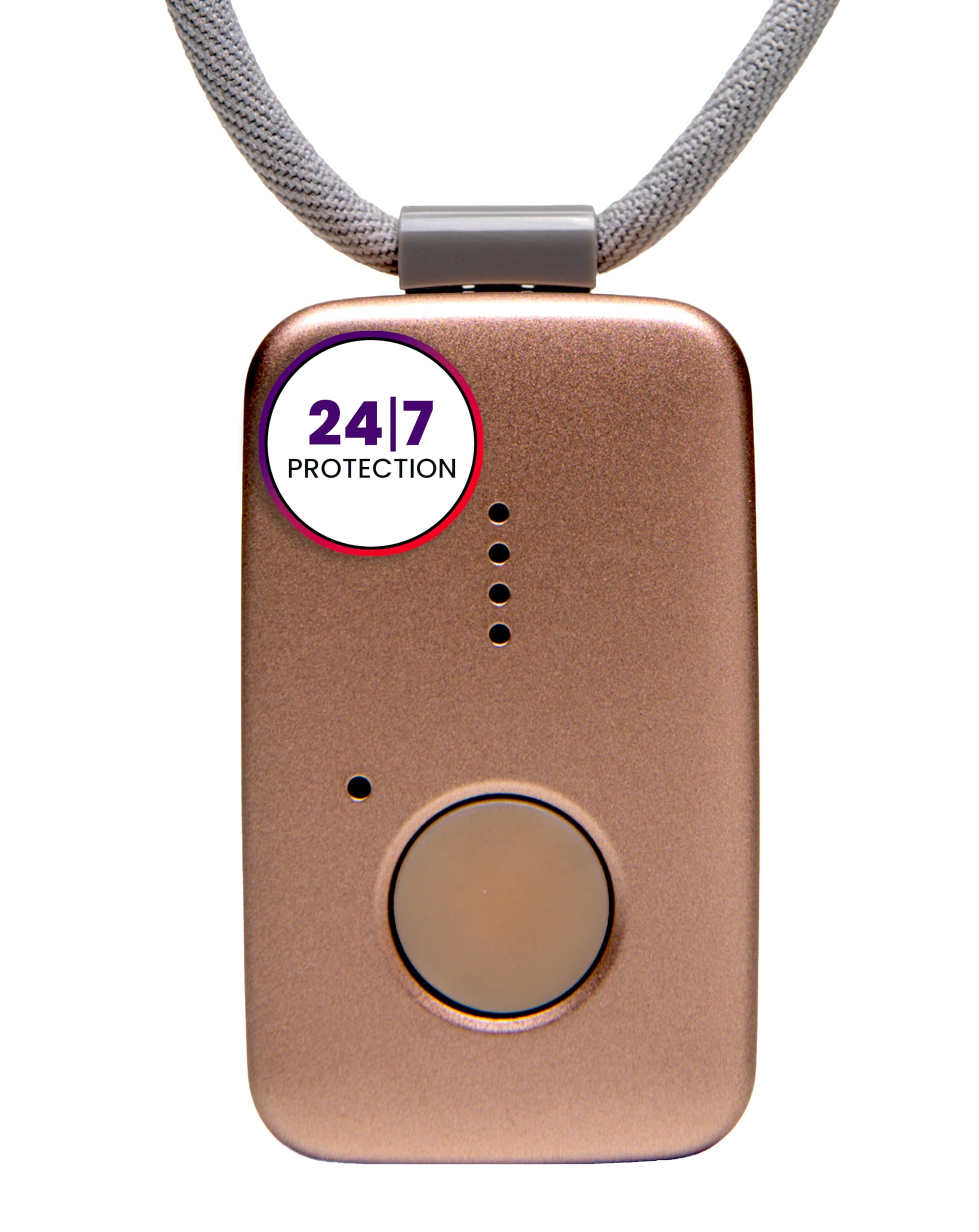
We recommend the MGMini for people in small homes who want a compact alert device with two-way calling and mobile coverage.
Pros
- Compact design with a lanyard and belt clip
- Two-way voice contact with 24/7 monitoring
- Water-resistant for use in the shower
Cons
- Requires a monthly monitoring plan
- Needs reliable 4G coverage
- Fall detection costs extra
The MGMini feels easy to wear in a small apartment or home because it does not take up much space. We could use the lanyard or clip, depending on our clothing, and the simple SOS button stayed easy to find.
When we pressed the button, the two-way speaker let us talk with a monitoring operator without reaching for a phone. This setup suits smaller spaces, where a separate wall unit may feel unnecessary. The device also supports location assistance and uses multiple cellular networks, though coverage still depends on local 4G service.
We liked that the device can handle shower use and offers a long-lasting battery between charges. However, monitoring requires a paid subscription, and fall detection adds another monthly fee. Customer ratings also suggest that setup and location features may not work equally well for everyone.
For buyers with limited space, the MGMini offers a less bulky alternative to a traditional home system. We would check local 4G coverage first and confirm the ongoing service cost before purchasing.
Buying Guide
We should start by measuring the home and identifying areas where falls or emergencies may occur. In a small space, a wearable device with a compact base unit can reduce clutter and keep controls within reach.
We should compare these features:
| Feature | What to check |
|---|---|
| Connection type | Choose cellular service if we do not have a landline or reliable Wi-Fi. |
| Range | Confirm that the help button works throughout the home and nearby outdoor areas we use. |
| Wearability | Look for a comfortable pendant, wrist button, or fall-detection option. |
| Response service | Check whether trained agents answer calls and contact emergency services or chosen contacts. |
| Power | Review battery life, charging needs, and backup power for the base unit. |
| Costs | Check equipment fees, monthly charges, activation costs, and cancellation terms. |
We should check whether the system needs a wall outlet near the base unit. A simple setup with few cables may work better in apartments, studios, and other spaces with limited surfaces.
Automatic fall detection can provide extra support, but it may not detect every fall. We should treat it as a backup feature and confirm that we can press the help button when possible.
Before buying, we should review the return policy, trial period, warranty, and customer support hours. We should also confirm whether the service works in our location and whether the device remains usable outside the home.
Editor’s Choice
We choose Medical Guardian Mini Guardian for small spaces. Its compact design reduces clutter, while GPS support helps us locate the wearer outside the home. The device also includes a help button and two-way communication.
| Feature | Why it suits small spaces |
|---|---|
| Compact wearable | Takes up little room and stays easy to carry |
| Cellular connection | Works without a landline or bulky home base |
| Two-way speaker | Lets us speak with an emergency response agent |
| GPS support | Adds location help when the wearer leaves home |
We recommend checking cellular coverage before ordering. The system may also require a monthly plan, and costs can vary by equipment, features, and service terms.
For users who spend nearly all their time indoors, we can compare this option with a simple in-home system. A wall-mounted help button or wearable pendant may provide enough coverage without adding extra equipment to a small apartment.
Conclusion
For small homes and apartments, we should focus on medical alert systems that fit daily routines without adding clutter. A compact in-home unit, wearable help button, and reliable cellular connection can provide useful support without needing a landline or several base stations.
We should also check each system’s range, battery life, fall detection options, and monthly fees. Testing the device from different rooms helps us confirm that it works where help may be needed, including the bathroom, bedroom, and balcony.
Before choosing a plan, we can compare:
- Device size and setup
- Signal range
- Response center availability
- Fall detection features
- Trial periods and cancellation terms
- Extra equipment or activation fees
The best choice depends on the home’s layout, the user’s mobility, and the level of support needed. By matching these factors to a simple, reliable system, we can improve access to help while keeping the living space easy to use.
FAQS
Do we need a medical alert system in a small home?
Yes. A small space can still have fall risks, medical emergencies, or rooms where we cannot reach a phone quickly. A wearable alert button lets us call for help from most areas of the home.
Which system works best for small spaces?
We should look for a compact system with a wearable pendant or wrist button. Systems with a short-range base unit often work well when we stay close to the home.
Do we need a landline?
No. Many systems use a cellular connection instead of a landline. We should confirm that the provider offers reliable cellular coverage in our area.
Can we use a medical alert system outside the home?
Some systems include GPS and cellular service for use away from home. If we rarely leave home, an in-home system may meet our needs at a lower monthly cost.
Will walls block the signal?
Thick walls, metal surfaces, and some building materials can reduce signal range. We should test the alert button from each room and ask the provider about its coverage guarantee.
What features should we compare?
- 24/7 professional monitoring
- Water-resistant or waterproof buttons
- Fall detection, if needed
- Two-way voice communication
- Battery backup
- Clear cancellation and equipment fees
Can we use a medical alert system without monitoring?
Yes. Some devices contact selected family members instead of a monitoring center. We should choose this option only if our contacts can respond quickly.
