
10 Best Medical Alert Systems for Seniors: Top Picks for 2026


Foot Massager Machine

Big Button Mobile Phone

Hearing Aid Cleaning Kit
Medical alert systems give seniors a way to call for help after a fall, sudden health problem, or other emergency. Most include a wearable button that connects to a response center, family member, or emergency service. Some also offer fall detection, GPS tracking, medication reminders, and caregiver apps.
The best medical alert system depends on the user’s health, daily routine, home setup, and comfort with technology. We pay close attention to response options, monthly costs, device range, battery life, water resistance, and whether the system works at home, away from home, or both. Fall detection can add protection, but it may not detect every fall and usually costs more.
We compared leading medical alert systems to find reliable options that are simple to use, comfortable to wear, and suited to different needs and budgets.
Best Medical Alert Systems for Seniors
We reviewed medical alert systems based on ease of use, response features, coverage, and overall value. Our list includes options for different needs, budgets, and levels of mobility.
Seculife Medical Alert Pendant
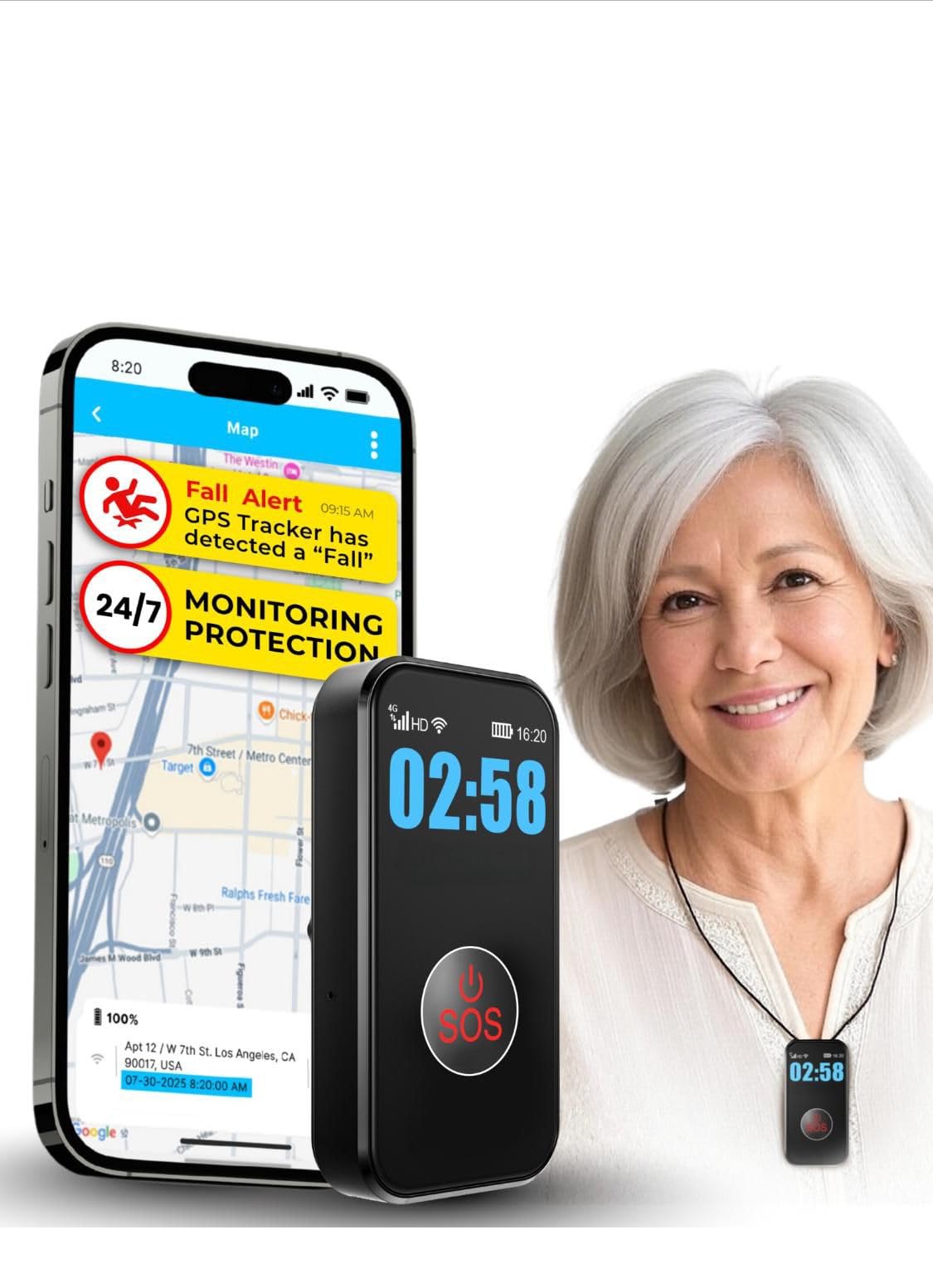
We recommend this pendant for families who want GPS tracking, two-way calling, and fall alerts without a traditional call-center plan.
Pros
- Simple SOS button and hands-free calling
- GPS tracking with geofence alerts
- Waterproof design with several days of battery life
Cons
- Requires a $20 monthly subscription
- Fall detection may not detect every fall
- Cellular service is needed for alerts and calls
During setup, we found the pendant fairly simple to activate and test. The large SOS button felt easy to press, including for users with limited hand strength. Its speakerphone also made direct calls to family contacts convenient.
GPS tracking adds useful support for seniors who may wander or need help away from home. We could also see the value of geofence alerts, while the display shows basic details such as battery and signal status.
The waterproof build supports wearing it in the shower or outdoors. Battery life may last about five to six days, depending on tracking settings and use, so regular charging remains necessary.
This device contacts selected family members instead of a professional monitoring center. We would confirm cellular coverage, subscription terms, and fall-detection performance before relying on it for emergencies.
CallToU Wireless Caregiver Pager
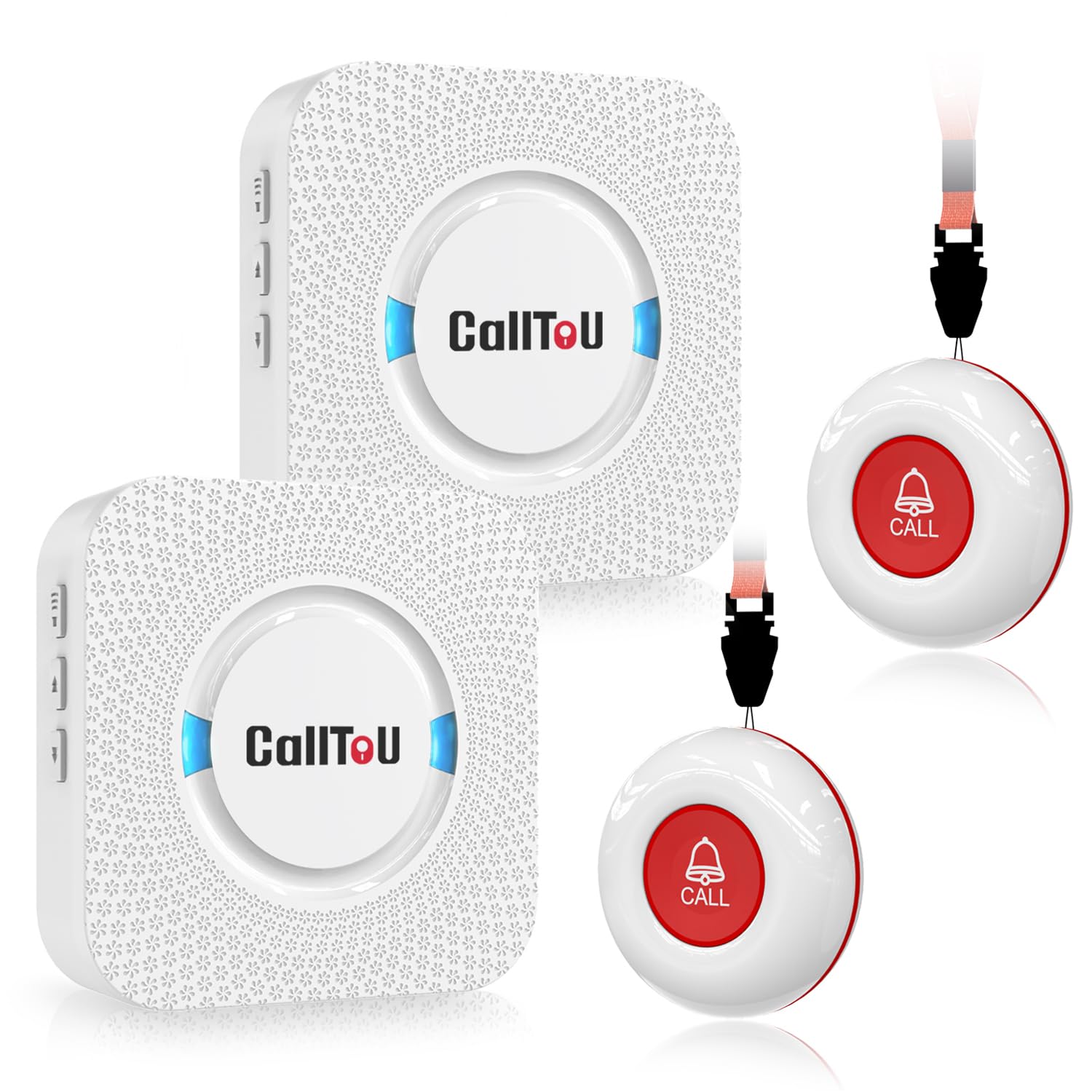
We recommend this system for families who need a simple in-home alert without Wi-Fi, apps, or monthly fees.
Pros
- Two receivers and two call buttons support multiple rooms.
- Loud, adjustable alerts are easy to notice.
- Waterproof buttons work well near bathrooms.
Cons
- It does not detect falls automatically.
- Receivers need nearby electrical outlets.
- Instructions may feel small and basic.
We found setup simple: plug in each receiver, pair the buttons, and choose a ringtone and volume. The two receivers helped us place one near the caregiver’s main area and keep another upstairs.
The call buttons worked as pendants or could be mounted near a bed, chair, or bathroom. Their range was strong across several rooms, although walls and the home’s layout may affect performance.
Alerts were loud enough for a larger home, and we could lower the volume when needed. The system uses batteries for the buttons, so we would check them regularly even though replacements may not be needed often.
This product works as an in-home caregiver pager, not a monitored medical alert service. It cannot contact emergency responders or sense a fall, so we would use it alongside a care plan for anyone at serious risk.
LogicMark Freedom Alert

We recommend it for seniors who want a simple, at-home alert device without a monthly service fee and already have a landline.
Pros
- Two-way voice communication through the pendant
- No monthly monitoring fee
- Works with family, police, fire, and emergency services
Cons
- Requires a landline
- Designed for use at home
- The pendant may feel bulky to some users
We found the setup fairly straightforward after connecting the base unit to a landline. Pressing the pendant button starts a call, and the two-way voice feature lets the wearer speak with a contact or dispatcher without reaching the phone.
The pendant can work from up to about 600 feet, depending on the home and surrounding obstacles. We would still test it from key areas, such as the bedroom, bathroom, and yard, before relying on it.
This system suits someone who stays close to home and wants to avoid recurring fees. It does not replace a cellular medical alert service, so it may not fit seniors without a landline or those who spend much of their time away from home.
The rechargeable unit includes battery backup, which adds protection during a power outage. We would test the call list and alert process regularly, since some buyers reported setup or calling issues.
Family First Alert Mini Medical Alert Pendant
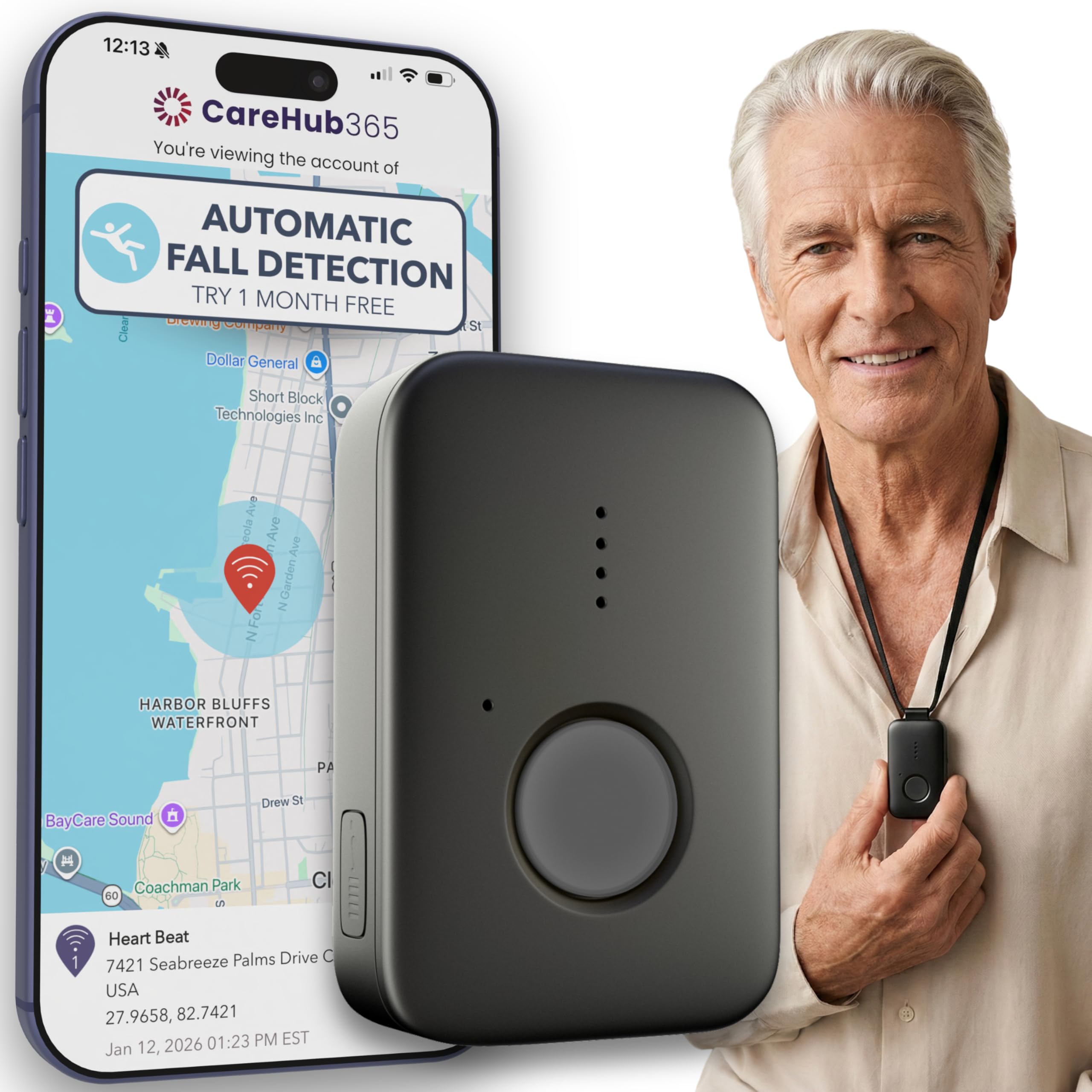
We recommend this pendant for seniors who want 24/7 monitoring, GPS support, and a small design, as long as they accept the monthly fees.
Pros
- Lightweight pendant with a charging dock, lanyards, and belt clip
- Two-way voice connection with live emergency operators
- Works on AT&T and Verizon 4G LTE networks
Cons
- Requires a $39.99 monthly monitoring plan
- Fall detection costs an additional $4.99 per month
- Performance depends on available cellular service
The pendant felt light and easy to wear during daily activities. Its compact size helped it stay out of the way, while the included lanyards and belt clip offered useful wearing options.
We found setup straightforward, but activation requires contacting Family First Alert after delivery. Once active, pressing the SOS button connects the user with a live dispatcher through two-way voice communication.
The water-resistant design allows use in the shower, which matters because many falls happen in bathrooms. The battery can last up to five days, but we would charge it daily to avoid unexpected downtime.
GPS tracking and nationwide cellular coverage add value for seniors who leave home. However, coverage still depends on local AT&T or Verizon signal strength. Automatic fall detection is available, but buyers must pay extra for that feature.
TurboSense Caregiver Pager
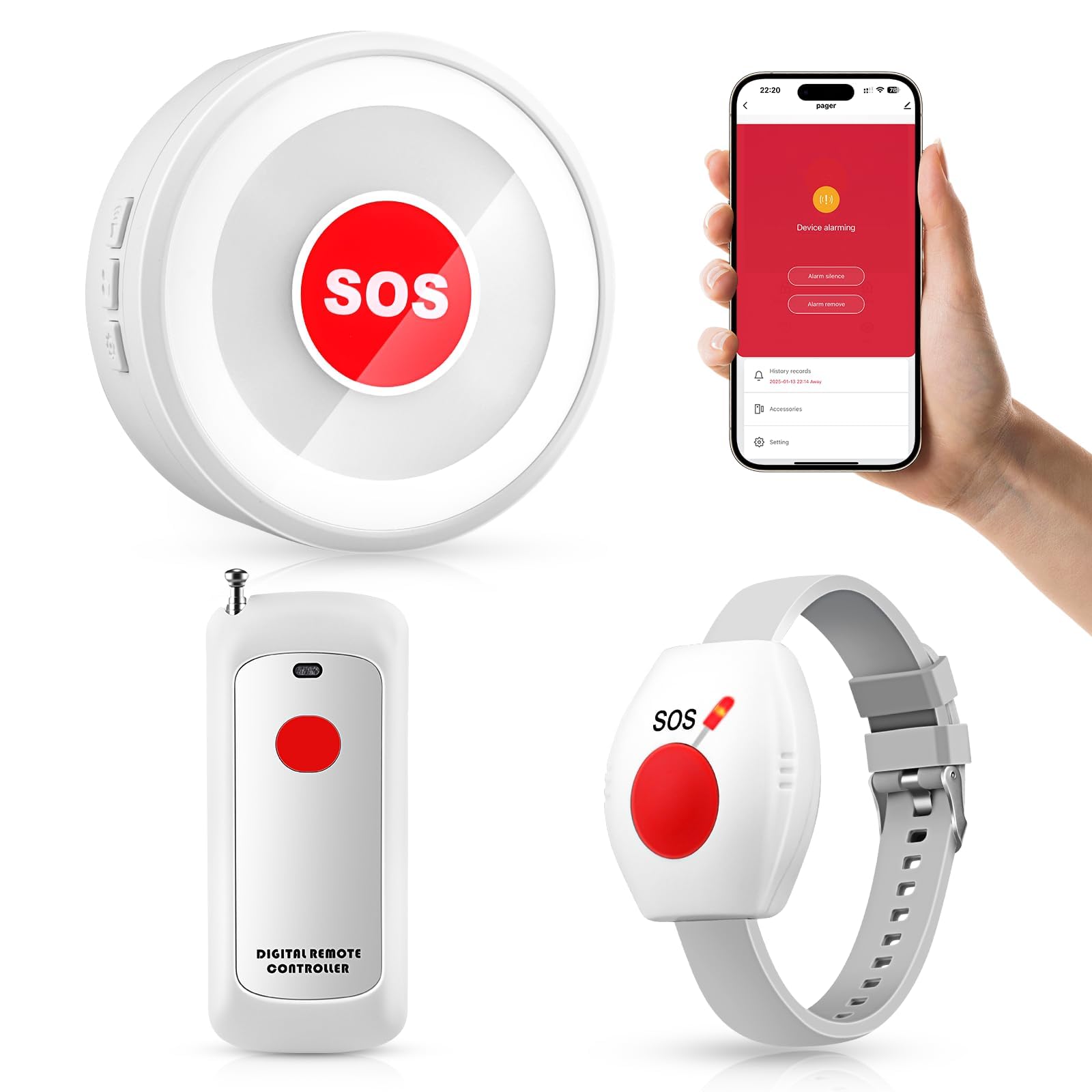
We recommend this system for in-home caregivers who want a simple alert button without a monthly fee or monitoring service.
Pros
- No subscription or monthly monitoring charge
- Includes a pendant, wrist button, and plug-in receiver
- Loud alerts can reach people in nearby rooms
Cons
- App alerts require a 2.4GHz Wi-Fi connection
- Setup may take time, especially when choosing tones
- It does not contact emergency services directly
We found the buttons easy to place in common areas such as a bedroom, bathroom, or kitchen. A senior can press the pendant or wrist button to alert someone nearby, while the receiver sounds inside the home.
The receiver works without the phone app, which makes the system useful for basic room-to-room alerts. Several users reported that its volume carried through the house, including between floors. We also like having two wearable options for different routines.
App notifications add another way for family members to stay informed, but they depend on proper Wi-Fi setup. One review also raised concerns about critical alerts not producing sound, so we would test notifications carefully before relying on the app.
This product works best for households with a nearby caregiver. It should not replace a professionally monitored medical alert service, since it does not automatically call emergency responders.
MT EXESPR Caregiver Alert System
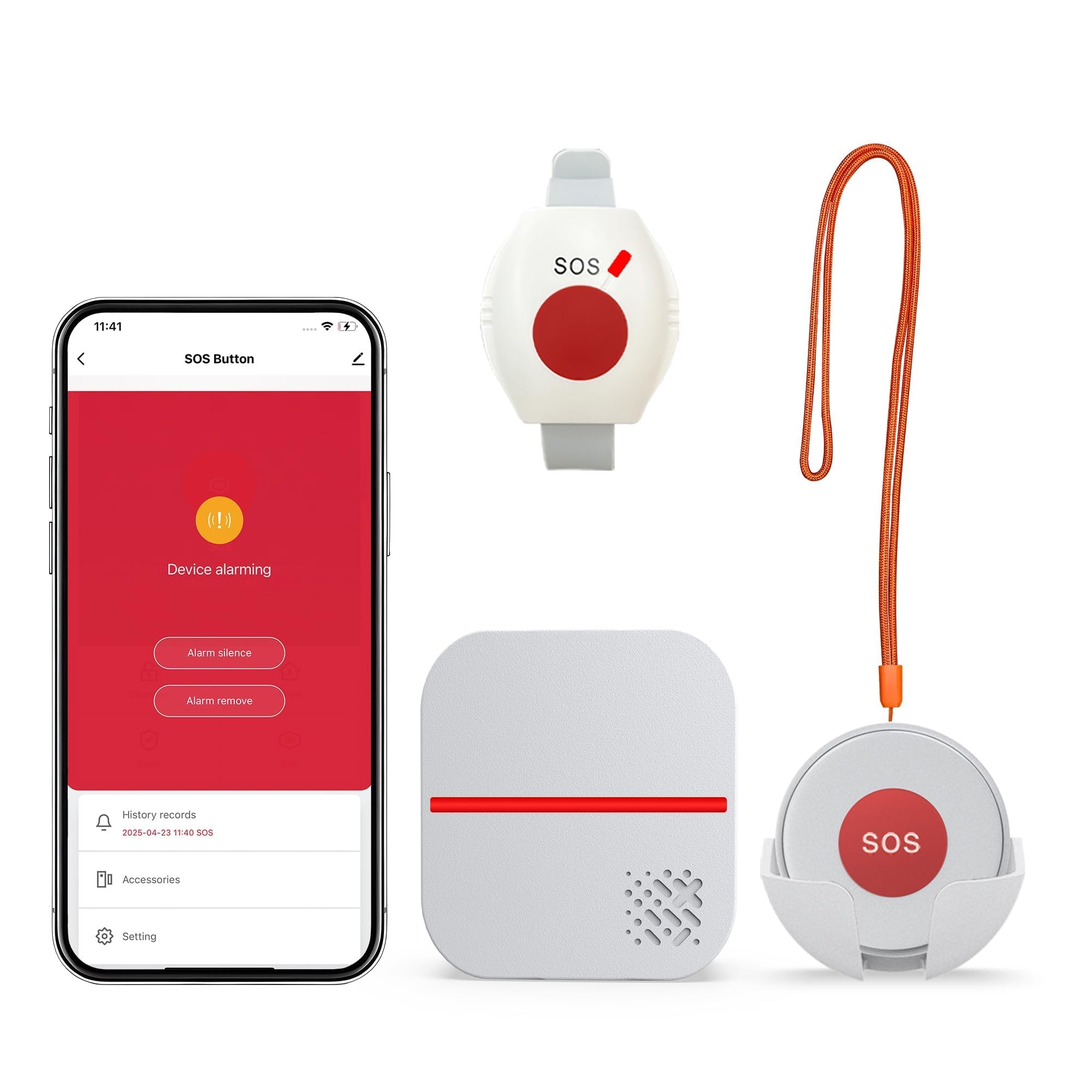
We recommend this system for households that need a simple caregiver alert without a required monthly fee, especially when help is nearby or connected through Wi-Fi.
Pros
- No required monthly fee for basic alerts
- Wearable, waterproof call buttons
- Loud receiver with adjustable sounds and volume
Cons
- SMS and phone alerts require an added subscription
- App works only with 2.4GHz Wi-Fi
- Manual button presses do not detect falls automatically
We found the setup straightforward: plug in the receiver, pair the buttons, and choose the alert sound and volume. The receiver offers four volume levels, flashing lights, and several ringtones, which helps us notice alerts from another room.
The system includes a necklace-style SOS button and a watch-style button. The waterproof design makes the buttons useful near a bathroom or during daily activities, but users must press them after a fall or other emergency.
Its stated range reaches up to 656 feet in open areas. In a typical home, the signal worked well across rooms and between floors, though walls and other obstacles may reduce the range.
The system can send app notifications over 2.4GHz Wi-Fi. We should note that it does not provide direct emergency-center monitoring, and text or phone call alerts need a separate subscription. It works best when a caregiver or family member can respond.
PRNBRH App-Controlled Medical Alert System
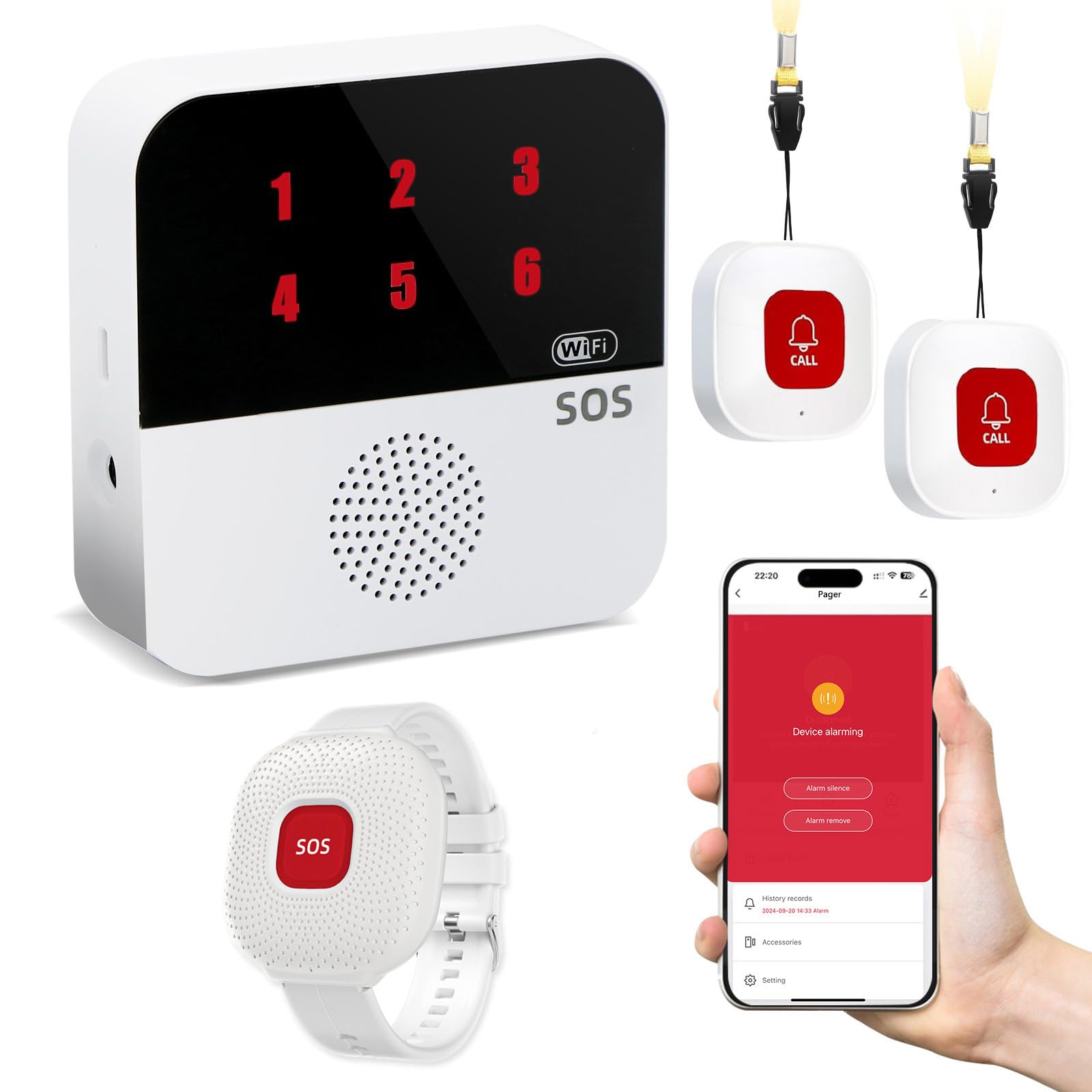
We recommend this system for families who want home alerts, app notifications, and no required monthly fee.
Pros
- Includes two call buttons and a waterproof wrist remote
- Sends alerts through the receiver and a smartphone app
- Wireless signals can reach up to 300 feet
Cons
- Works only with 2.4GHz Wi-Fi
- Extra SMS alerts require a subscription
- It does not provide professional emergency monitoring
We found the setup fairly simple after connecting the receiver to Wi-Fi and pairing it with the Tuya Smart or Smart Life app. Family members can share access, which lets more than one caregiver receive an alert.
The wrist remote can stay on during a shower, while the two call buttons provide other options around the home. Pressing a button activates the receiver, and its numbered display helps identify which device sent the signal.
We also like the backup wireless connection. It can keep the pager working during an internet outage, though app notifications still depend on the Wi-Fi connection. The stated range reaches up to 300 feet, but walls and building layouts may reduce it.
This product suits households that want a local caregiver alert without an ongoing monitoring contract. We would not treat it as a replacement for emergency services or a system with automatic fall detection.
Nomo Smart Care System
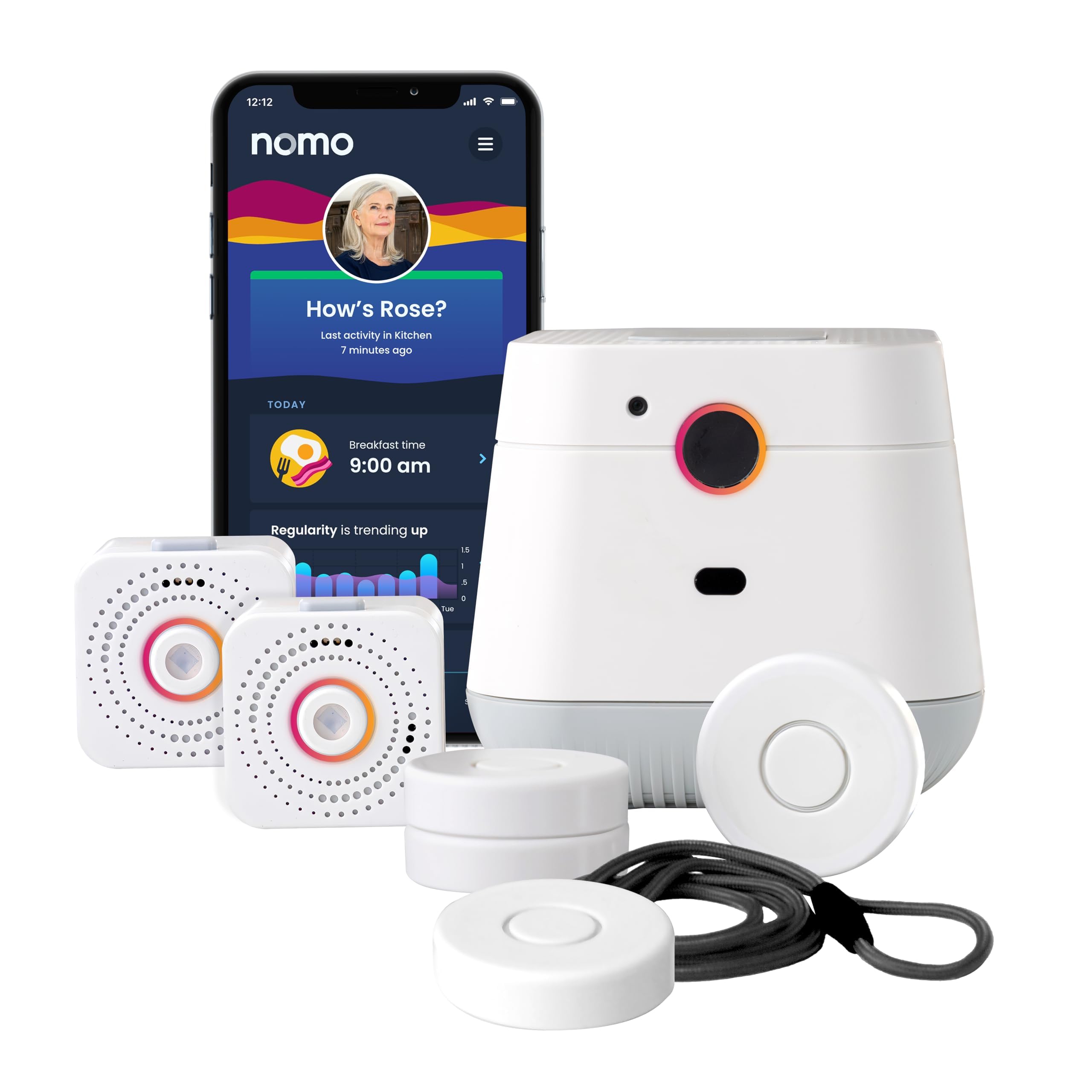
We recommend this system for seniors who want camera-free home monitoring, caregiver alerts, and two-way voice support through a home Wi-Fi connection.
Pros
- Monitors movement and daily routines without cameras
- Offers app alerts, two-way voice, and emergency response
- Includes a 60-day app trial with no long-term contract
Cons
- Requires a 2.4 GHz Wi-Fi connection
- Works mainly inside the home
- Fall detection may not catch every fall
We found setup straightforward: plug in the Hub and two Satellites, connect them to Wi-Fi, and place the Smart Tags where needed. The system does not require professional installation or a landline.
The camera-free design gives caregivers useful activity updates while keeping private areas private. We could use the tags on doors, cabinets, or medication storage to help track routines and notice changes.
The Hub supports two-way voice communication, and the Nomo app sends alerts to a chosen care circle. The system also includes a 60-day trial with 24/7 monitoring and RapidSOS emergency response. After the trial, the service costs $19.99 per month.
We would not rely on it as the only safeguard for someone who falls often. Customer feedback includes reports of missed fall detection, so users should test the system carefully and keep other safety measures in place.
321 Alert Mini X2
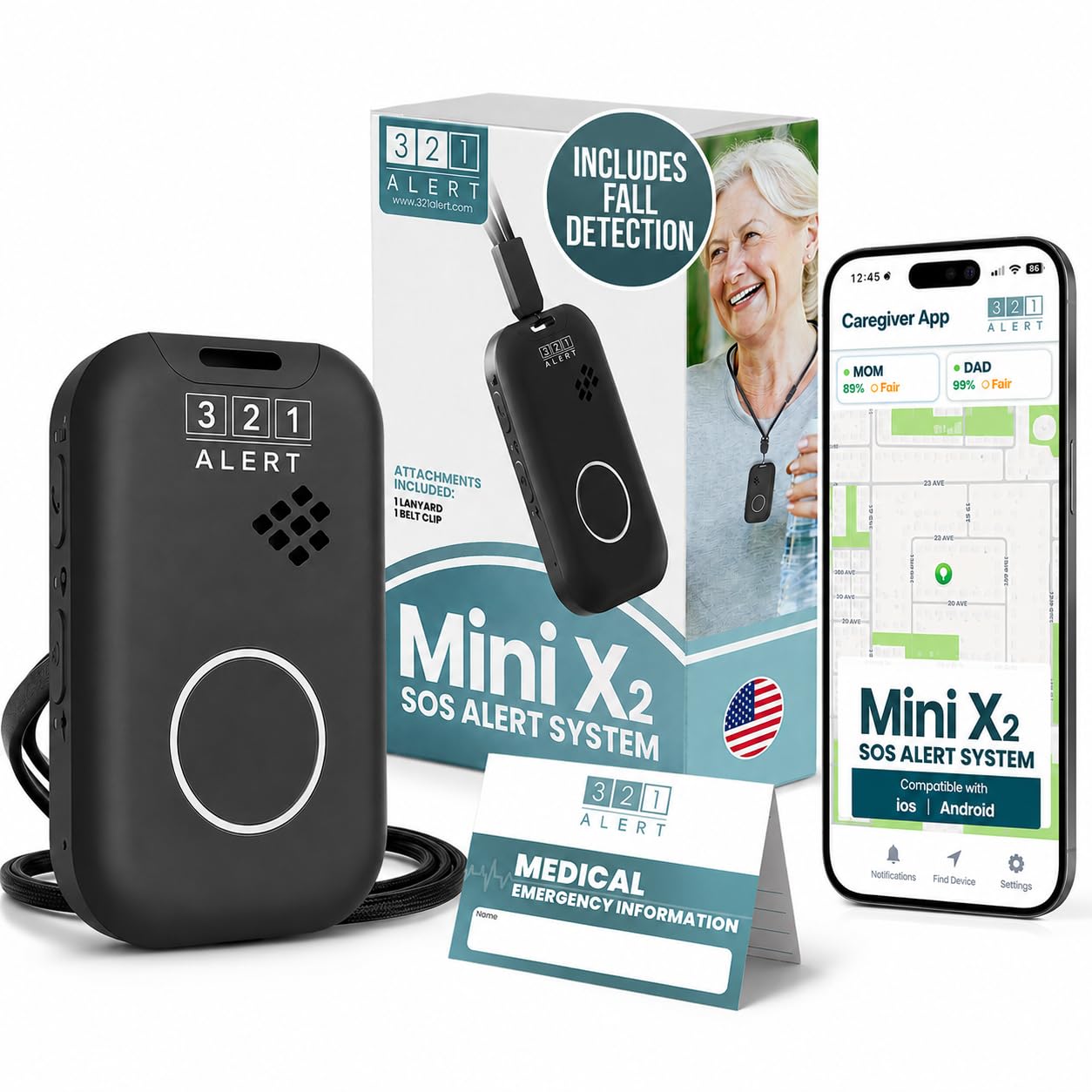
We recommend the 321 Alert Mini X2 for seniors who want mobile emergency help, fall detection, and GPS in one wearable device.
Pros
- Simple setup and 24/7 monitoring
- GPS and 4G LTE support outside the home
- Charging dock includes a bedside help button
Cons
- The alarm may trigger too easily
- Fall detection cannot catch every fall
- Battery life varies with use
We found the Mini X2 easy to set up and comfortable to carry with its necklace, belt clip, or bag clip. The large help button feels easier to press than the smaller buttons on some alert devices, which may help users with stiff or painful hands.
The device connects through cellular service, so we could use it away from home instead of staying near a base station. GPS can help responders locate the wearer, while the mobile app lets family members check device status and receive alerts.
Fall detection adds another layer of protection, but we would not treat it as a replacement for pressing the help button. Some users report that the alarm can activate accidentally, and the instructions may take extra time for some seniors to learn.
The included charging dock offers a useful bedside option and can provide about three to six days of battery life, depending on use. We would check cellular coverage in the user’s area and review the monthly monitoring cost, which starts at about $34.99.
Bay Alarm Medical SOS Mobile GPS

We recommend this device for seniors who want a portable help button with GPS, two-way calling, and caregiver app support.
Pros
- Simple setup with clear instructions
- Lightweight design with several wearing options
- Works independently through 4G LTE
Cons
- Requires a paid service plan
- Charging reminders may arrive by email rather than text
- Fall detection costs extra
We found the device easy to carry and simple to use. The large help button connects directly to a trained operator, so we did not need a home base or smartphone. Its lanyard and belt clip made it practical for use around the house and while away from home.
The two-way speaker worked well for brief conversations, although users should keep the device close enough to hear the operator. GPS tracking and the caregiver app can help family members check device status and location.
Battery life may last several days, depending on use and network conditions. We would still place it on the charging dock regularly, since some buyers reported charging problems or late low-battery alerts.
The device uses Verizon’s 4G LTE network and needs an active subscription. Optional fall detection adds another cost, and the system may not offer enough customization for families who want detailed emergency instructions.
Buying Guide
We should start by identifying the senior’s main needs, daily routine, and living environment. Consider whether they need help mainly at home, outdoors, or in both settings.
| Feature | What to check |
|---|---|
| Connection type | Cellular, landline, or Wi-Fi access |
| Emergency response | Trained operators, response time, and language support |
| Fall detection | Whether it works automatically and how alerts get reviewed |
| Battery life | Device runtime and charging method |
| Water resistance | Protection for showers and other wet areas |
| Range | Distance between the wearable and the base unit |
| Location tracking | GPS availability for outdoor use |
| Caregiver tools | Alerts, contacts, and account access |
We should choose a wearable that feels comfortable and stays easy to reach. A pendant, wrist button, or smartwatch-style device may suit different preferences, but seniors should be able to press the help button without removing it.
We also need to review the full cost. Check equipment fees, monthly charges, activation costs, trial terms, cancellation rules, and replacement fees before enrolling.
Finally, we should confirm how the system handles false alarms, power outages, weak signals, and unanswered calls. A simple setup, clear instructions, and responsive customer support can make daily use more reliable.
Editor’s Choice
We chose Bay Alarm Medical as our editor’s choice for its balance of reliable monitoring, useful equipment, and flexible plans. Its options include at-home systems, mobile devices, and automatic fall detection.
The at-home package suits seniors who spend most of their time indoors. Mobile systems can help people who walk, travel, or run errands alone. Fall detection adds support, but it may not identify every fall and usually costs extra.
| Feature | Bay Alarm Medical |
|---|---|
| At-home protection | Yes |
| Mobile coverage | Yes |
| Fall detection | Optional |
| Caregiver app | Available on select plans |
| Equipment options | Wearable buttons and wall buttons |
We like that customers can choose equipment based on their daily routines. Our main caution involves monthly costs, which vary by package, add-ons, and equipment fees. Buyers should review the full price before enrolling.
Bay Alarm Medical may work well for seniors who want several coverage choices without committing to one type of system. Families should also check cellular coverage in the areas where the user spends time.
Conclusion
We should choose a medical alert system based on the senior’s health needs, daily routine, home setup, and budget. A simple in-home unit may work well for someone who spends most of the day at home. An option with GPS can provide added support for people who travel, walk, or may get lost.
We should also check for key features before buying. These may include:
- 24/7 professional monitoring
- Fall detection
- Two-way voice communication
- GPS location tracking
- Water-resistant equipment
- Long battery life
- Caregiver alerts
- Clear cancellation and pricing policies
Testing the device and response service can help us confirm that it works as expected. We should review the contract, equipment fees, monthly costs, and limits on fall detection before signing up.
The best system is one the senior will wear and use consistently. We can involve the senior in the choice, explain how the device works, and practice pressing the help button. This approach can support faster assistance during a fall, medical event, or other emergency.
FAQS
What is a medical alert system?
A medical alert system lets us contact a trained response center or emergency services after a fall, health event, or other urgent problem. Most systems use a wearable button, such as a pendant or wristband.
How do we choose the right system?
We should compare response options, monthly fees, fall detection, battery life, and cellular coverage. We also need to consider whether the user wants a home-based device, a mobile system, or both.
Does fall detection replace pressing the help button?
No. Fall detection can identify some falls, but it may miss others or trigger a false alarm. We should still press the button whenever possible.
Do medical alert systems require a landline?
Many current systems use cellular networks and do not need a landline. We should check coverage in the user’s home and regular travel areas before signing up.
Can family members receive alerts?
Many providers offer caregiver apps, text messages, or automated calls. We should confirm which alerts are included and whether the service charges an extra fee.
What should we check before buying?
- Monthly and equipment costs
- Contract and cancellation terms
- Response center availability
- Water resistance
- Two-way communication
- Battery replacement or charging needs
- Return and warranty policies
Will Medicare pay for a medical alert system?
Original Medicare usually does not cover these systems. Some Medicare Advantage plans, Medicaid programs, insurers, or local agencies may offer limited benefits, so we should check the specific plan.
