
Senior Health Monitoring at Home Made Easy and Safe

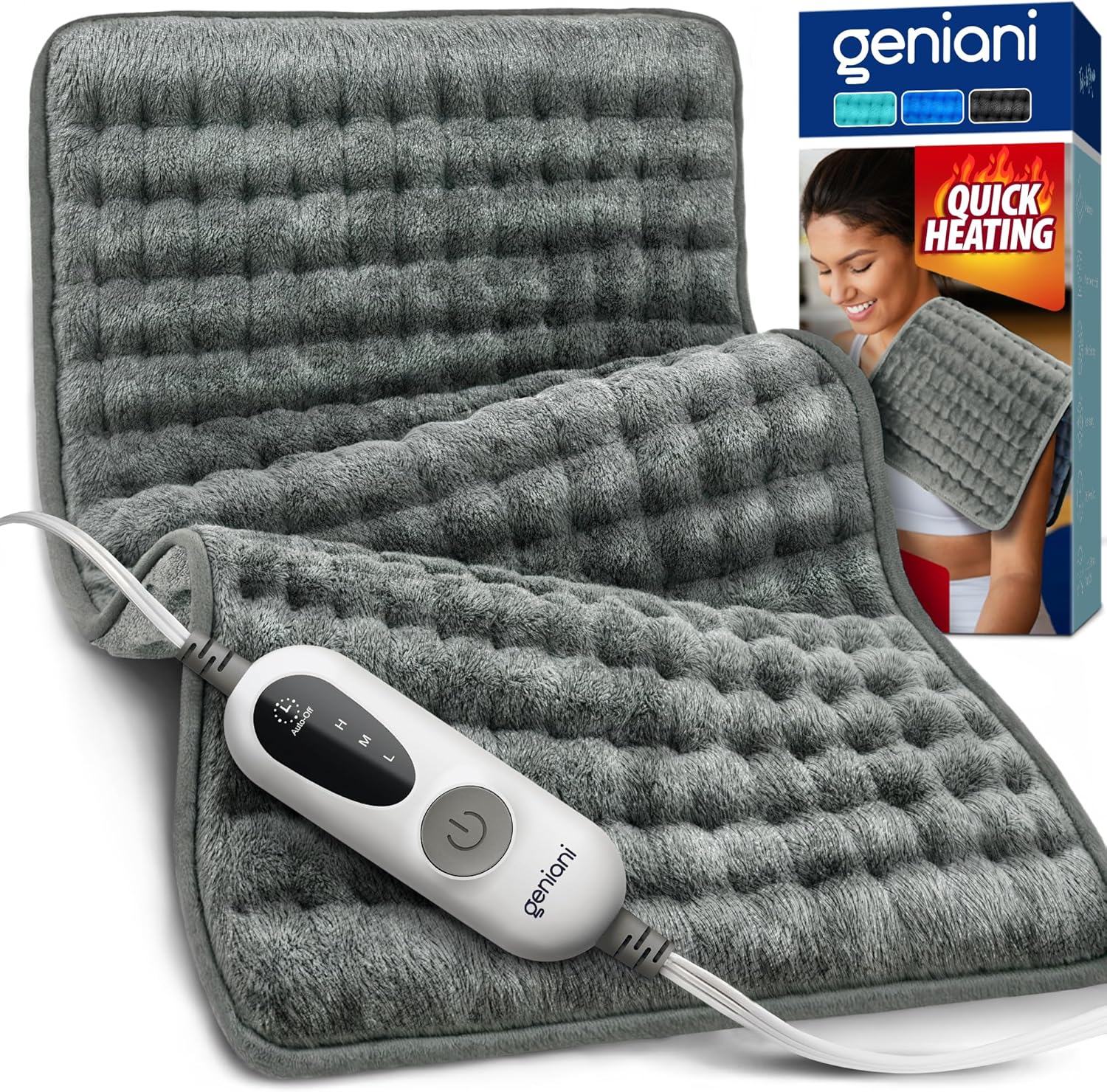
Electric Heating Pad

Sock Aid for Seniors
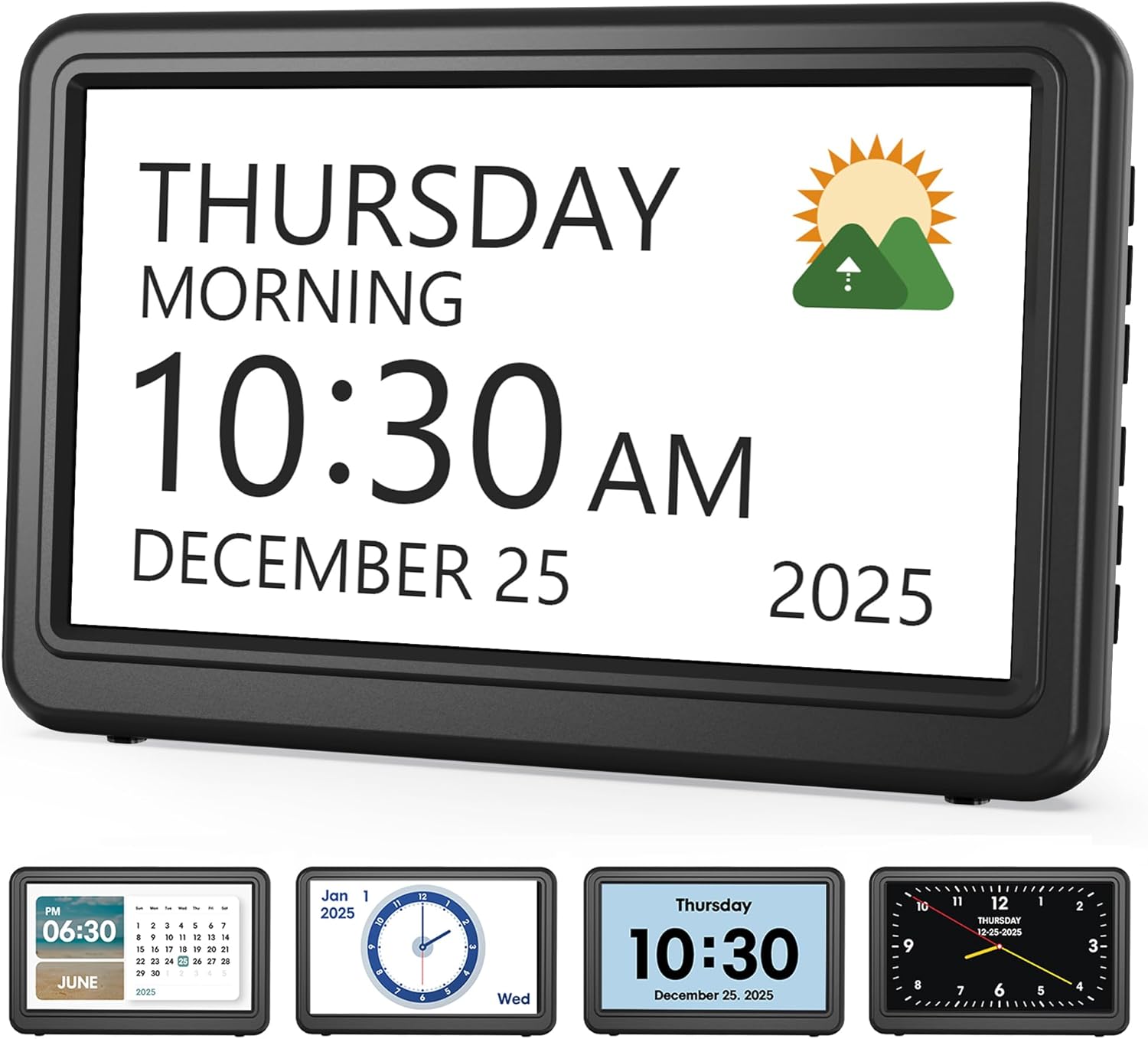
Medication Reminder Alarm
Senior health monitoring at home means using simple tools and routines to track important health changes before they become bigger problems. It works best when it is focused, easy to follow, and reviewed with a doctor or pharmacist when needed.
Senior health monitoring at home can make daily life safer, calmer, and easier to manage. For many families, it is less about “medical gadgets” and more about having a simple routine that helps spot changes early and supports aging in place.
In 2026, home monitoring often includes a mix of basic tools, smart reminders, and regular check-ins with a caregiver or healthcare provider. The goal is not to replace medical care, but to help seniors and families notice important changes sooner and talk to your doctor when something seems off.
- Start small: Track only the health signs that matter most.
- Use simple tools: Choose devices the senior can read and use safely.
- Watch for patterns: Repeated changes matter more than one reading.
- Know the red flags: Serious symptoms need prompt medical help.
- Check costs early: Medicare and insurance coverage can vary.
What Senior Health Monitoring at Home Means in 2026
At its core, senior health monitoring at home means keeping an eye on key health signs and daily habits without needing to visit a clinic for every small concern. That may include checking blood pressure, tracking blood sugar, watching oxygen levels, or simply noticing if walking, eating, sleeping, or memory seems different than usual.
Today’s home monitoring can be as simple as a paper log or as connected as a wearable device that sends alerts to a family member. What matters most is choosing tools that fit the senior’s needs, comfort level, and ability to use the device safely.
Not every older adult needs high-tech monitoring. A reliable routine, a few well-chosen devices, and clear communication with family or caregivers can be just as helpful.
Why Families Are Turning to Home-Based Monitoring
Families often choose home-based monitoring because it supports independence while giving everyone more peace of mind. It can help seniors stay in familiar surroundings longer, and it can make caregivers feel more prepared instead of constantly guessing what is happening day to day.
Supporting aging in place with less stress
Many older adults want to remain at home for as long as possible. Home monitoring can reduce stress by making health care feel more manageable and less rushed, especially when the senior finds medical appointments tiring or difficult to schedule.
For example, a person with arthritis, heart concerns, or diabetes may feel better knowing that a few home checks can help guide the next conversation with a doctor. If you are also coordinating other forms of support, it may help to review senior home health care services as part of a larger care plan.
Reducing avoidable ER visits and hospital readmissions
Home monitoring may help families notice a problem before it becomes an emergency. A sudden rise in blood pressure, a drop in oxygen levels, confusion, weakness, or missed medications may all be clues that deserve attention sooner rather than later.
That said, monitoring does not prevent every emergency. Some symptoms need immediate medical care, and families should never wait at home if someone has chest pain, severe shortness of breath, fainting, or signs of stroke.
How caregivers use monitoring to spot changes early
Caregivers often rely on patterns more than one single reading. A number that is slightly off once may not mean much, but repeated changes over several days can be important.
Small shifts in appetite, sleep, walking speed, memory, or mood can also matter. These changes are easy to miss when you see someone every day, which is why a simple monitoring routine can be so useful.
Many health concerns in older adults show up first as everyday changes, such as less energy, more forgetfulness, or trouble with balance, rather than dramatic symptoms.
Essential Devices and Tools for Senior Health Monitoring at Home
The best tools are the ones the senior can actually use consistently. A device that is too complicated may end up unused, even if it has many features.
Blood pressure cuffs, pulse oximeters, and glucose monitors
These are among the most common home health tools. A blood pressure cuff helps track blood pressure, a pulse oximeter measures oxygen levels and pulse, and a glucose monitor checks blood sugar for people with diabetes or other conditions that require it.
Device choice should match the medical need. For example, not everyone needs a glucose monitor, and not every senior needs to check oxygen at home. Ask your doctor or pharmacist which readings matter most and how often they should be taken.
- Does the device fit the person’s body size or hand strength?
- Is the display easy to read?
- Are the instructions simple enough to follow?
- Has the device been approved or recommended by a healthcare provider?
Wearables, fall detection, and emergency alert systems
Wearables can include watches or pendants that track movement, heart rate, or location. Some devices also offer fall detection or an emergency button, which can be helpful for seniors who live alone or have a history of falling.
These tools can be reassuring, but they are not perfect. Fall detection may miss some falls or create false alarms, so families should understand how the system works before relying on it too heavily.
Medication reminders and smart home safety tools
Medication reminders can be as simple as a pill organizer with alarms or as advanced as a connected dispenser. Smart home tools may include motion lights, door sensors, stove shut-off devices, or voice assistants that help with reminders.
These supports can reduce daily stress, but they should be set up carefully. If a senior takes multiple medicines, consult your pharmacist to make sure the reminder system matches the schedule and does not cause confusion.
Do not assume a smart device can replace human supervision. If memory problems, poor vision, hearing loss, or hand weakness are present, the system may need extra support from a caregiver.
How to Set Up a Safe and Simple Home Monitoring Routine
A good routine is simple, repeatable, and realistic. It should fit the senior’s energy level and your caregiving schedule, not create more stress than it solves.
Choosing what to track based on health conditions
Start with the most important health concerns. Someone with high blood pressure may need regular blood pressure checks, while a person with diabetes may need blood sugar monitoring. A senior with lung disease may need oxygen checks, and someone with a fall risk may need more attention to mobility and balance.
Try not to track everything at once. The goal is to focus on the few measurements and habits that truly help guide care. If you are unsure what matters most, talk to your doctor or healthcare provider before building the routine.
Creating a daily, weekly, and monthly check-in schedule
Many families do best with a simple schedule. Daily checks might include medicines, symptoms, appetite, hydration, and a quick safety review. Weekly checks may include weight, blood pressure trends, or a review of refill needs. Monthly check-ins can be a good time to review patterns and update the care plan.
Choose a time of day that is easy to remember, such as after breakfast or before bedtime.
Use only the checks that are truly needed so the process stays manageable.
Look for repeated changes, not just one unusual reading.
Recording readings and noticing meaningful trends
A notebook, spreadsheet, or app can all work. The best record is the one that gets used consistently and can be shared with a doctor when needed.
Write down the date, time, reading, and any symptoms or unusual events. A note such as “more tired than usual” or “missed lunch” can help explain why a number changed. If you want help thinking about broader health review options, our article on master health checkup for senior citizens may be useful for planning ahead.
Common Mistakes Families Make With Home Health Monitoring
Home monitoring works best when it stays simple and practical. A few common mistakes can make it confusing or less helpful than intended.
Tracking too many metrics and creating confusion
It is easy to get excited about technology and want to track everything. But too much information can make it hard to know what actually matters.
For most families, a short list of priority items works better than a long list of numbers. Focus on the health signs that a doctor has said are important for that specific person.
Ignoring device accuracy, battery checks, and calibration
Even good devices can give misleading results if they are not used correctly. Low batteries, poor fit, or missed calibration can affect accuracy.
Read the instructions carefully and replace batteries on time. If the numbers seem odd or do not match how the person feels, recheck the reading and ask your pharmacist or healthcare provider how to confirm the device is working properly.
Reacting too late to warning signs or subtle behavior changes
Sometimes the biggest warning is not a number at all. It may be a person who is suddenly weaker, more confused, less steady, or not eating well.
Families should trust their observations. If something feels different and the change lasts, it is worth documenting and discussing sooner rather than later.
If a senior has repeated falls, new confusion, swelling, shortness of breath, chest discomfort, or a clear change from their usual self, contact a healthcare professional promptly.
When to Call a Doctor or Get Help Right Away
Home monitoring is helpful, but it should never delay urgent care when serious symptoms appear. Families should know the difference between a routine concern and a true warning sign.
Red-flag symptoms that should not be monitored at home only
Seek immediate help for chest pain, trouble breathing, sudden weakness on one side, severe confusion, fainting, uncontrolled bleeding, or a sudden fall with injury. These are not situations to “watch and wait” at home.
Also call for help if a senior is difficult to wake, has a very high or very low reading with symptoms, or seems unsafe to remain at home. When in doubt, it is better to ask for medical advice quickly.
When a caregiver should contact a nurse, pharmacist, or telehealth provider
For non-emergency concerns, a nurse line, pharmacist, or telehealth provider can often help decide the next step. This is especially useful when a medication may be causing dizziness, sleepiness, stomach upset, or confusion.
If a new device is being used, your pharmacist can also help with setup questions and safe use. That can be especially helpful when several medications or health conditions are involved.
How to document concerns before a medical appointment
Before an appointment, gather the most useful details: what changed, when it started, how often it happens, and what makes it better or worse. Bring readings, notes, and a medication list if possible.
A short summary can save time and make the visit more productive. If the senior uses a care plan or home health support, share that information too so the provider can see the full picture.
Costs, Care Options, and What Works Best for Different Budgets
Costs can vary widely depending on the devices you choose, whether you pay for a subscription service, and what insurance or Medicare coverage applies. It is wise to compare options before buying more than you need.
Basic DIY monitoring versus paid remote patient monitoring services
Basic DIY monitoring usually means buying a few devices and keeping a manual log. This can be a good fit for families who want a low-cost, hands-on approach and are comfortable managing the routine themselves.
Paid remote patient monitoring services may include device setup, data review, and regular follow-up from a care team. These services can be helpful for some seniors, but availability and coverage vary, so check with your insurance plan and healthcare provider.
Comparing one-time device costs with subscription-based tools
One-time purchases can be easier to budget for, especially if the senior only needs a blood pressure cuff or basic emergency alert device. Subscription tools may offer more convenience, but monthly fees can add up over time.
Coverage rules differ by location, plan type, and medical need. Before buying, ask whether the device or service may be covered, partially covered, or not covered at all.
Balancing affordability, ease of use, and peace of mind
The cheapest option is not always the best if it is hard to use or not reliable. On the other hand, the most advanced system is not always necessary if a simple routine already meets the family’s needs.
- Helps seniors stay safer at home
- Makes changes easier to spot early
- Can reduce stress for family caregivers
- Supports better conversations with doctors
A good balance often comes from starting small, then adding only what is truly useful. If you are comparing broader caregiving support options, you may also find value in senior health insurance counseling when costs and coverage are part of the decision.
Final Recap: Making Senior Health Monitoring at Home Safe, Practical, and Sustainable
Senior health monitoring at home works best when it is simple, consistent, and tailored to the person’s real needs. A few dependable tools, a clear routine, and timely communication with healthcare providers can make home care much safer and less stressful.
The main goal is not to collect endless data. It is to notice meaningful changes early, support aging in place, and know when to call a doctor or get help right away.
Frequently Asked Questions
Focus on the health signs most relevant to the person’s conditions, such as blood pressure, blood sugar, oxygen levels, medication use, sleep, appetite, and balance. Ask your doctor which readings matter most so you do not track too much at once.
It does not have to be hard if you keep the routine simple and choose easy-to-read devices. Many seniors do best with a short checklist, clear reminders, and help from a caregiver or pharmacist when needed.
It may help spot problems earlier, which can sometimes reduce avoidable ER visits or readmissions. Still, it cannot prevent every emergency, so serious symptoms should always be treated right away.
The best device depends on the senior’s health needs and ability to use it safely. A blood pressure cuff, pulse oximeter, glucose monitor, wearable alert system, or medication reminder may be useful depending on the situation.
A single unusual reading may not be urgent, but repeated changes or symptoms alongside a reading should be taken seriously. Chest pain, trouble breathing, fainting, sudden confusion, or stroke-like symptoms need immediate medical help.
Coverage can vary by device, medical need, and plan. Check with Medicare, your insurance plan, and your healthcare provider before buying, since some tools may be covered while others are out-of-pocket.
