
Low Income Senior Housing Jackson Ms


HOMLAND Adjustable Height Shower Stool for Small Showers

RMS Deluxe Sock Aid with Foam Handles

Non Slip Bath Tub and Shower Mat 40 x 16 Inch Extra Large
Finding low income senior housing Jackson MS can provide safe, affordable living for older adults on fixed incomes. This guide covers available options, eligibility requirements, and how to access supportive services in the area.
Living as a senior doesn’t have to mean choosing between comfort and cost. For thousands of older adults in Jackson, Mississippi, finding affordable housing is a top priority—especially when medical needs, limited mobility, or fixed incomes make everyday expenses tight. That’s where low income senior housing Jackson MS comes in. These specially designed communities offer more than just a place to live; they provide peace of mind, safety, and often access to vital services that help residents thrive in their golden years.
Jackson, the capital city of Mississippi, serves as a hub for healthcare, government, and cultural life in the state. Yet, despite its resources, many seniors still struggle to afford decent housing. The average monthly rent for a one-bedroom apartment in Jackson exceeds $800, which can stretch thin for someone living on Social Security alone. This financial pressure has led to a growing need for subsidized senior housing options supported by federal programs like HUD and state initiatives through the Mississippi Housing Finance Agency.
In this comprehensive guide, we’ll walk you through everything you need to know about low income senior housing Jackson MS: what it is, who qualifies, how to apply, and where to look. Whether you’re searching for yourself, a loved one, or simply want to understand the landscape better, this article will equip you with practical knowledge and next steps.
Key Takeaways
- Multiple housing types: Low income senior housing Jackson MS includes subsidized apartments, Section 202 housing, and HUD-assisted units tailored for older adults.
- Eligibility matters: Most programs require applicants to be 62 or older and meet income limits—typically below 50% of the area’s median income.
- Application process: Waiting lists are common due to high demand; applying early and submitting complete paperwork increases your chances of approval.
- Supportive services: Many Jackson properties offer meal programs, transportation, health screenings, and social activities to enhance quality of life.
- State and federal aid: Mississippi Housing Finance Agency (MHFA) and HUD fund many affordable senior housing projects across Jackson County.
- Nonprofit partners: Organizations like Catholic Charities and local aging networks often assist with applications and relocation support.
📑 Table of Contents
- What Is Low Income Senior Housing?
- Types of Affordable Senior Housing in Jackson
- How to Qualify for Low Income Senior Housing in Jackson
- The Application Process Explained
- Tips for Navigating the Waitlist
- Supportive Services Available in Jackson Senior Housing
- Common Mistakes to Avoid
- Financial Planning for Senior Housing
- Community and Advocacy Groups in Jackson
- Future Outlook for Affordable Senior Housing in Mississippi
- Conclusion: Taking the First Step
What Is Low Income Senior Housing?
Low income senior housing refers to residential communities specifically designed for adults aged 62 and over who earn less than 50% of the area’s median income. Unlike standard apartments, these homes come with government subsidies or nonprofit funding to keep rents affordable. They’re not just buildings—they’re ecosystems built around independence, dignity, and support.
Most low income senior housing Jackson MS properties fall under one of two main categories:
– **HUD-Assisted Housing**: Funded by the U.S. Department of Housing and Urban Development (HUD), these include Section 202 Supportive Housing for the Elderly and Project-Based Voucher programs.
– **State-Funded Programs**: Administered by the Mississippi Housing Finance Agency (MHFA), these may include bond-financed developments or tax credit-funded units.
What makes these communities unique isn’t just lower rent—it’s the added layer of care and community. Residents often benefit from on-site nurses, wellness checks, group meals, transportation to doctors’ appointments, and even recreational clubs. Think of it as an apartment complex that doubles as a neighborhood designed with seniors’ evolving needs in mind.
Types of Affordable Senior Housing in Jackson
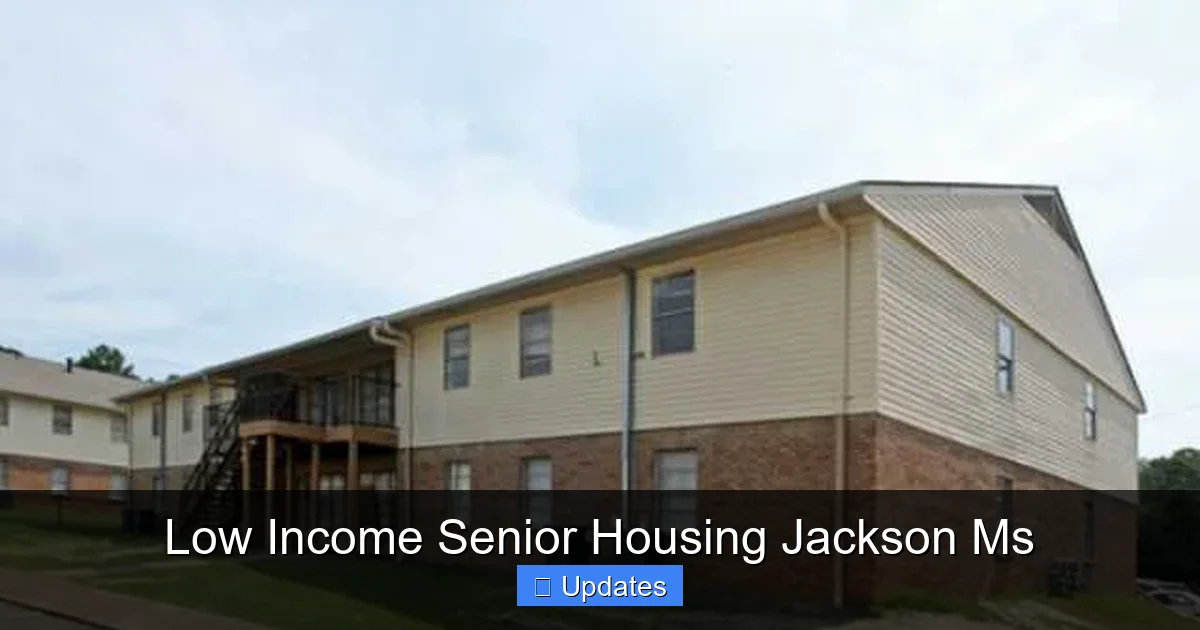
Visual guide about Low Income Senior Housing Jackson Ms
Image source: lowincomehousing.us
Jackson offers several types of affordable senior housing, each with distinct features and application processes. Understanding your options helps narrow down what fits best.
Section 202 Housing Projects
These are federally funded apartment complexes reserved exclusively for low-income seniors. Built by private developers but operated under strict HUD guidelines, they typically charge rent based on 30% of a resident’s adjusted gross income. For example, if your monthly income is $1,200, you might pay only $360 toward rent—the rest is covered by HUD subsidies.
Many Section 202 properties in Jackson feature:
– One- and two-bedroom units
– Accessible design (ramps, grab bars, wide doorways)
– Community rooms for gatherings
– Scheduled transportation to grocery stores or pharmacies
Notable examples include Pine Grove Senior Village and Magnolia Heights Commons. Both maintain waiting lists but accept new applications year-round.
Public Housing for Seniors
Operated by the Jackson Housing Authority (JHA), public housing offers another path. While not all JHA units are senior-only, some sites do cater to adults 62+. Rent here is also income-based, and utilities may be included in the monthly rate.
One advantage? Public housing tends to have shorter wait times than Section 202 projects. However, availability is limited, and preferences often go to those with disabilities or extremely low incomes.
Continuing Care Retirement Communities (CCRCs)
Though pricier upfront, CCRCs like St. Dominic’s or Baptist Memorial’s senior villages offer tiered levels of care—from independent living to assisted care and memory support. Some include financial assistance tiers for qualifying low-income residents.
While full CCRCs aren’t classified strictly as “low income,” certain sliding-scale entry fees or subsidized units exist. Always ask about income-based pricing during tours.
Nonprofit and Faith-Based Housing
Organizations such as Catholic Charities of Jackson or the Salvation Army operate modest, no-frills apartments for seniors. These rarely have luxury amenities but prioritize affordability and stability. Rents range from $300–$600/month depending on income verification.
They’re especially helpful for those rejected from larger HUD programs due to income thresholds or criminal background checks.
How to Qualify for Low Income Senior Housing in Jackson
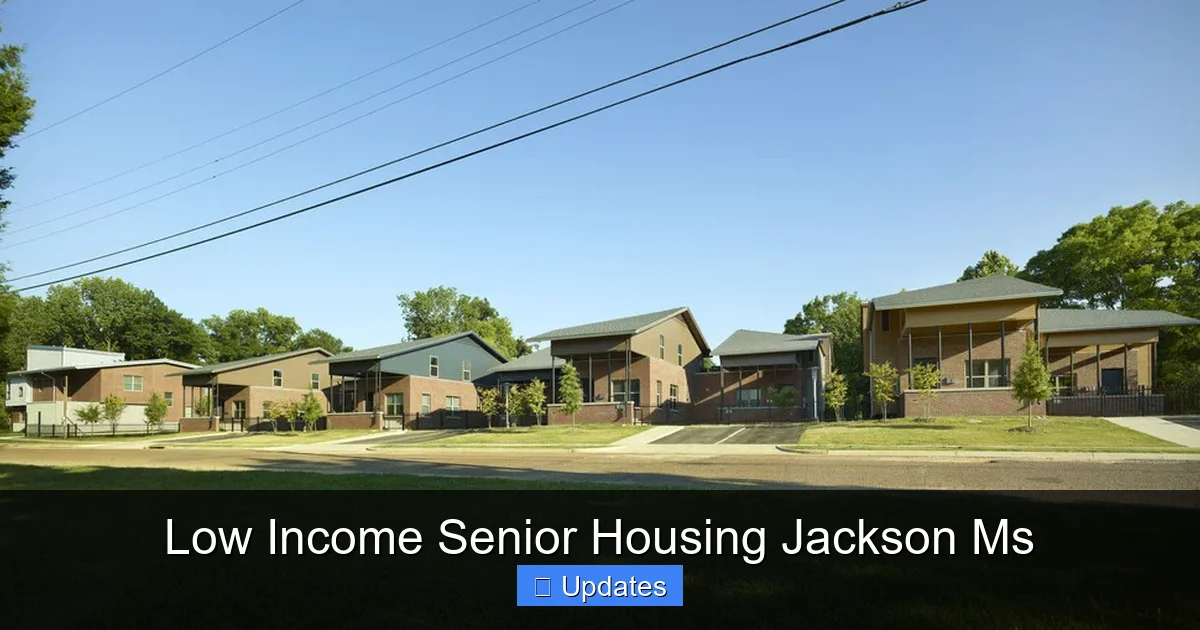
Visual guide about Low Income Senior Housing Jackson Ms
Image source: jacksonhousing.org
Eligibility hinges on three key factors: age, income, and residency.
Age Requirement
All low income senior housing Jackson MS programs require applicants to be at least 62 years old. Exceptions exist for disabled individuals under 62, but documentation from a physician or SSA letter is required.
Income Limits
For 2024, the income cap for most Jackson-area senior housing is approximately $27,450 annually ($2,287/month) for a single person. A couple would qualify up to about $31,350/year. These figures align with HUD’s Area Median Income (AMI) standards for Hinds County.
Important note: Only gross income counts—not savings, retirement accounts, or home equity. If you receive SSI, SSDI, or pension payments, include those fully.
Residency Rules
You must prove you live in Mississippi and intend to remain there long-term. Utility bills, voter registration, or driver’s license addresses usually suffice.
Background and Screening
Landlords check rental history, credit reports, and criminal records. Minor offenses (e.g., traffic tickets) are fine, but eviction history or felony convictions involving violence or drugs may disqualify you.
The Application Process Explained
Visual guide about Low Income Senior Housing Jackson Ms
Image source: lowincomehousing.us
Applying for low income senior housing Jackson MS can feel overwhelming—but breaking it into steps makes it manageable.
Step 1: Choose Your Property Type
Decide whether you prefer HUD-subsidized, public housing, nonprofit, or CCRC-style living. Each has different waitlists and paperwork.
Step 2: Gather Documents
Common documents include:
– Proof of age (birth certificate or passport)
– Two recent pay stubs or benefit statements (Social Security, SSI, etc.)
– Tax returns from the last two years
– Bank statements showing current assets
– Medical records (if claiming disability status)
Keep digital copies and originals ready.
Step 3: Submit Application
Visit the property manager’s office or apply online if available. Be honest and thorough—omitting info can lead to denial later.
Step 4: Waitlist ManagementTips for Navigating the Waitlist
Waiting is tough, but smart strategies improve your odds.
Apply to Multiple Properties
Don’t put all your eggs in one basket. Submit applications to 3–5 different low income senior housing Jackson MS sites. Diversity increases your chance of getting called sooner.
Stay Organized
Track application dates, contact info, and document submissions in a binder or spreadsheet. Follow up every 90 days via email or phone.
Leverage Local Resources
Agencies like the Mississippi Division of Aging and Adult Services can advocate on your behalf. They sometimes expedite approvals for vulnerable seniors.
Consider Nearby Cities
If Jackson’s waitlist is too long, explore neighboring towns like Brandon or Clinton. Sometimes smaller communities offer faster access.
Supportive Services Available in Jackson Senior Housing
Affordable housing isn’t just about walls and roofs—it’s about holistic well-being.
Health and Wellness Programs
Many Jackson senior complexes partner with local clinics to offer free flu shots, blood pressure checks, and diabetes screenings. Some even employ part-time nurses for emergency advice.
Meal Programs
Nutritious meals are a staple. Daily hot lunches or weekly congregate dining reduce food insecurity and foster social connection. Costs are often bundled into rent.
Transportation Assistance
Need to see a doctor or run errands? Many properties coordinate van rides or partner with RideMS to cover medical trips. This eliminates one major stressor for seniors without cars.
Social Activities
Bingo nights, book clubs, exercise classes, and holiday parties keep loneliness at bay. Mental health matters as much as physical health in later life.
Home Maintenance Help
Struggling with repairs? Some nonprofits offer minor handyman services—fixing leaky faucets, clearing gutters, or installing grab bars—at little or no cost.
Common Mistakes to Avoid
Even careful applicants stumble. Here’s how to dodge pitfalls:
– **Assuming automatic approval** → Eligibility is competitive; don’t assume you qualify just because you’re 65+.
– **Missing deadlines** → Some properties close applications quarterly. Set calendar reminders!
– **Underestimating paperwork** → Missing one document (like a utility bill) can delay processing by weeks.
– **Ignoring follow-ups** → Call or email monthly to confirm your spot on the list hasn’t been overlooked.
Financial Planning for Senior Housing
Budgeting wisely ensures you won’t face unexpected costs.
Rent Calculation
As mentioned earlier, most programs use “30% rule”: pay no more than 30% of your gross income toward rent. Utilities may be extra or included.
Utility Assistance
LIHEAP (Low Income Home Energy Assistance Program) helps cover heating/cooling bills. Apply through Mississippi Department of Human Services.
Medicaid and Medicare
If eligible, Medicaid can help pay for long-term care or home modifications. Medicare covers short-term skilled nursing—but not room-and-board in assisted living.
Savings Strategies
Downsize possessions, sell unused vehicles, or consider reverse mortgages (with caution). Consult a certified elder law attorney before tapping into assets.
Community and Advocacy Groups in Jackson
You’re not alone. These organizations champion senior rights and housing access:
– **Mississippi Division of Aging and Adult Services** – Offers case management and referral services. Call (601) 359-6000.
– **Area Agency on Aging 5B** – Provides free counseling and advocacy. Visit aa5b.org.
– **Catholic Charities of Jackson** – Helps with applications and emergency shelter. Phone: (601) 354-7900.
– **Senior Citizens Council of Greater Jackson** – Hosts events and connects residents to resources. Email [email protected].
These groups often host workshops explaining how to navigate low income senior housing Jackson MS systems. Attend one—you’ll learn faster than going solo.
Future Outlook for Affordable Senior Housing in Mississippi
Mississippi faces a looming housing crisis as baby boomers age. By 2030, over 20% of the population will be 65+, yet state funding for senior housing remains stagnant. Fortunately, federal grants and private partnerships are slowly expanding options.
New developments like River Oaks Senior Apartments (opening 2026) promise 120 new subsidized units near downtown Jackson. Meanwhile, HUD’s HOME Investment Partnerships Program continues allocating funds statewide.
Advocates urge lawmakers to increase MHFA bond authority and streamline zoning laws blocking affordable projects. Until then, patience and persistence remain key.
Conclusion: Taking the First Step
Finding low income senior housing Jackson MS isn’t easy, but it’s absolutely possible. With proper research, timely applications, and support from local agencies, you or your loved one can secure dignified, affordable housing in Mississippi’s capital.
Start today: gather documents, visit a few properties, and reach out to Catholic Charities or the Area Agency on Aging. Small actions lead to big changes—especially when you’re building a foundation for healthier, happier aging.
Remember, affordable housing isn’t charity—it’s a right. And in Jackson, there are people ready to help you claim yours.
Frequently Asked Questions
What is the income limit for low income senior housing in Jackson, MS?
For 2024, most Jackson senior housing programs cap income at $27,450 annually for a single person. Couples qualify up to about $31,350/year. Only gross income counts—not savings or home equity.
Do I need to be 65 to qualify for senior housing in Jackson?
No—most programs require applicants to be at least 62 years old. Disabled individuals under 62 may qualify with proper medical documentation.
Are there any Jackson senior housing options with no waiting list?
Very rare. All reputable low income senior housing Jackson MS sites maintain waitlists due to high demand. However, nonprofit and faith-based housing sometimes has shorter queues.
Can I bring my pet to low income senior housing in Jackson?
Policies vary by property. Some allow small dogs or cats with breed/size restrictions and pet deposits. Always ask during application—never assume pets are forbidden.
Is there transportation from senior housing to hospitals in Jackson?
Yes! Many Jackson senior complexes partner with RideMS or offer scheduled vans for medical appointments. Check with individual properties about their transit partnerships.
What happens if my income increases after moving into senior housing?
You must report changes within 30 days. Rents adjust based on new income, but rarely increase unless you exceed the program’s income cap.