
Low Income Senior Housing in North Carolina

RMS Deluxe Sock Aid with Foam Handles

Amazfit Bip 6 Smart Watch, 1.97" AMOLED Display, GPS

Moen 18 Inch Shower Grab Bar
Low income senior housing in North Carolina offers safe, affordable, and supportive living options for older adults with limited financial resources. With a mix of subsidized apartments, nonprofit communities, and state-assisted programs, North Carolina provides access to essential services, healthcare, and social activities. Whether you’re a retiree on a fixed income or caring for a loved one, understanding your options can make all the difference.
Living on a fixed income as a senior can be challenging, especially when rising costs strain budgets. For many older adults in North Carolina, finding low income senior housing isn’t just about shelter—it’s about dignity, independence, and peace of mind. Fortunately, North Carolina offers a growing number of affordable housing options specifically designed for seniors. These communities provide not only safe and secure environments but also access to vital services, transportation, and opportunities for social connection.
Whether you’re considering relocating to a new community or helping a parent find suitable housing, knowing where to look and what to expect can make all the difference. This guide walks you through everything you need to know about low income senior housing in North Carolina, from eligibility requirements to real-life examples of thriving communities across the state.
Key Takeaways
- Affordable Options: Numerous subsidized housing communities across the state help seniors afford rent without sacrificing quality of life.
- Eligibility Based on Income: Most programs require applicants to meet strict income limits, often set at 50-60% of the area median income.
- Comprehensive Services: Many low income senior housing facilities offer meal programs, transportation, health screenings, and social events.
- Nonprofit & Government Support: Organizations like NC Housing Finance Agency and local nonprofits play a key role in developing and managing affordable senior housing.
- Application Process Can Be Competitive: Due to high demand, some properties have waiting lists—starting early is crucial.
- Accessibility Matters: Look for communities designed with accessibility in mind, including wheelchair ramps, emergency call systems, and adaptable bathrooms.
- Location Flexibility: From urban Raleigh to rural towns, there are options in nearly every part of the state.
📑 Table of Contents
- Understanding Low Income Senior Housing in North Carolina
- Top Cities for Low Income Senior Housing in North Carolina
- How to Apply for Low Income Senior Housing in North Carolina
- Amenities and Support Services in Low Income Senior Housing
- Financial Assistance Beyond Rent Subsidies
- Success Stories: Real Seniors Thriving in NC Housing
- Tips for Families Supporting a Loved One’s Move
- Future Outlook for Low Income Senior Housing in North Carolina
Understanding Low Income Senior Housing in North Carolina
When we talk about low income senior housing in North Carolina, we’re referring to residential communities that offer reduced-cost housing to adults aged 62 and over who meet specific income guidelines. These aren’t just apartments with lower rent—they’re purpose-built environments that prioritize safety, accessibility, and well-being.
Most of these housing options are funded through a combination of federal and state programs, nonprofit organizations, and private partnerships. The goal? To ensure that older adults don’t have to choose between paying rent and accessing food, healthcare, or medications.
North Carolina has seen a steady increase in senior housing developments over the past decade. According to the North Carolina Housing Coalition, over 40,000 affordable senior units were either completed or under construction as of 2023. That’s great news for seniors who might otherwise struggle to find welcoming places to live.
Types of Low Income Senior Housing Programs
Not all low income senior housing is created equal. In fact, North Carolina offers several types of programs, each with its own rules, benefits, and application process. Understanding the differences helps you pick the best fit for your needs.
- Section 202 Supportive Housing: Funded by the U.S. Department of Housing and Urban Development (HUD), this program supports elderly residents with rental subsidies and on-site support services like health monitoring and meal delivery.
- Low-Income Housing Tax Credit (LIHTC) Properties: These privately owned apartments receive tax credits to keep rents affordable. Residents pay no more than 30% of their income toward rent.
- NC Housing Finance Agency (NCHFA) Loans: NCHFA funds nonprofit developers to build and operate affordable senior communities across the state.
- Public Housing Authority Units: Administered locally, these units offer deeply discounted rents based on household size and income.
- Nonprofit Senior Communities: Organizations like Presbyterian SeniorCare or Wesley Communities run age-restricted apartment complexes with bundled services.
Each type comes with different wait times, amenities, and eligibility criteria. For example, Section 202 properties often include full-service staff and medical support, while LIHTC units may be more focused on basic housing with fewer extras.
Who Qualifies?
To apply for most low income senior housing in North Carolina, you must meet three main qualifications:
1. Age Requirement: You typically need to be at least 62 years old. Some communities accept 55+ if they offer assisted living services.
2. Income Limit: Your annual income must fall below a threshold set by HUD—usually between 30% and 60% of the area median income (AMI). For a one-person household in Charlotte, that might be around $35,000; in rural counties, it could be closer to $25,000.
3. Citizenship/Residency Status: You must be a U.S. citizen or eligible non-citizen.
It’s important to note that asset limits also apply in many cases. While cash savings are usually capped at $5,000–$10,000, certain assets like your primary vehicle or home equity are often excluded.
Top Cities for Low Income Senior Housing in North Carolina
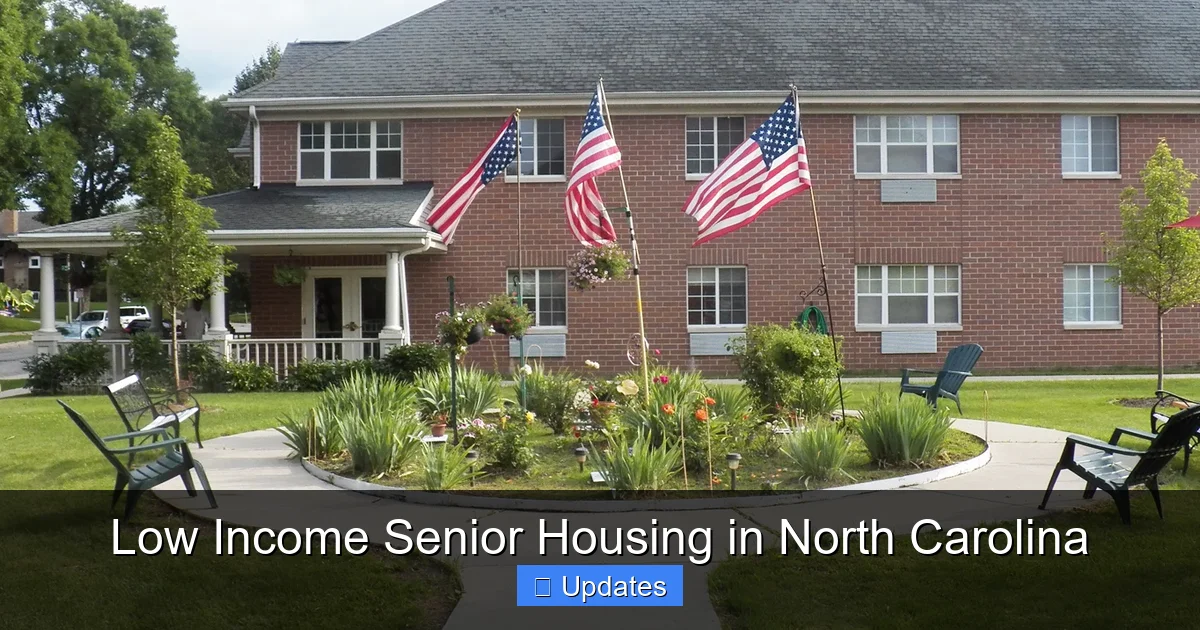
Visual guide about Low Income Senior Housing in North Carolina
Image source: lowincomerentalsmilwaukee.com
North Carolina’s diverse geography means housing options exist in both bustling cities and quiet small towns. Here’s a quick look at some of the best places to explore when searching for low income senior housing in North Carolina.
Raleigh and Wake County
As the state capital, Raleigh offers a wide range of senior-friendly housing with good access to hospitals, shopping, and cultural events. Communities like Carriage Lane Apartments and WakeMed Senior Living Residences provide subsidized units with on-site nursing and wellness programs. The city also partners with local agencies to streamline applications.
Charlotte and Mecklenburg County
Charlotte has become a hub for senior housing innovation. With over 15 dedicated low-income senior communities, it’s one of the most accessible cities for retirees on fixed incomes. Notable options include Briar Creek Senior Village, which features fitness centers and weekly outings, and Stonewall Apartments, managed by a nonprofit that prioritizes accessibility.
Greensboro and Guilford County
Greensboro blends Southern charm with modern amenities. Seniors here benefit from programs like Guilford Senior Housing Initiative, which connects residents with job training and volunteer opportunities. Affordable options such as Maplewood Commons offer studio and one-bedroom units with subsidized utilities.
Durham and Orange County
Durham combines academic energy with compassionate care. The Durham Housing Authority runs several age-restricted complexes, while nearby Chapel Hill adds research-driven healthcare access. Oak Ridge Senior Residence stands out for its green spaces and walking trails.
Rural Opportunities Across the State
Don’t overlook smaller towns! Places like Asheville, Hickory, High Point, and even remote areas in western NC offer surprisingly affordable senior housing. Nonprofit groups often fill gaps left by urban development, creating tight-knit communities where neighbors know each other by name.
For instance, Mountain View Senior Homes in Boone provides mountain views, heated pools, and van service to medical appointments—all at rates well below market value.
How to Apply for Low Income Senior Housing in North Carolina
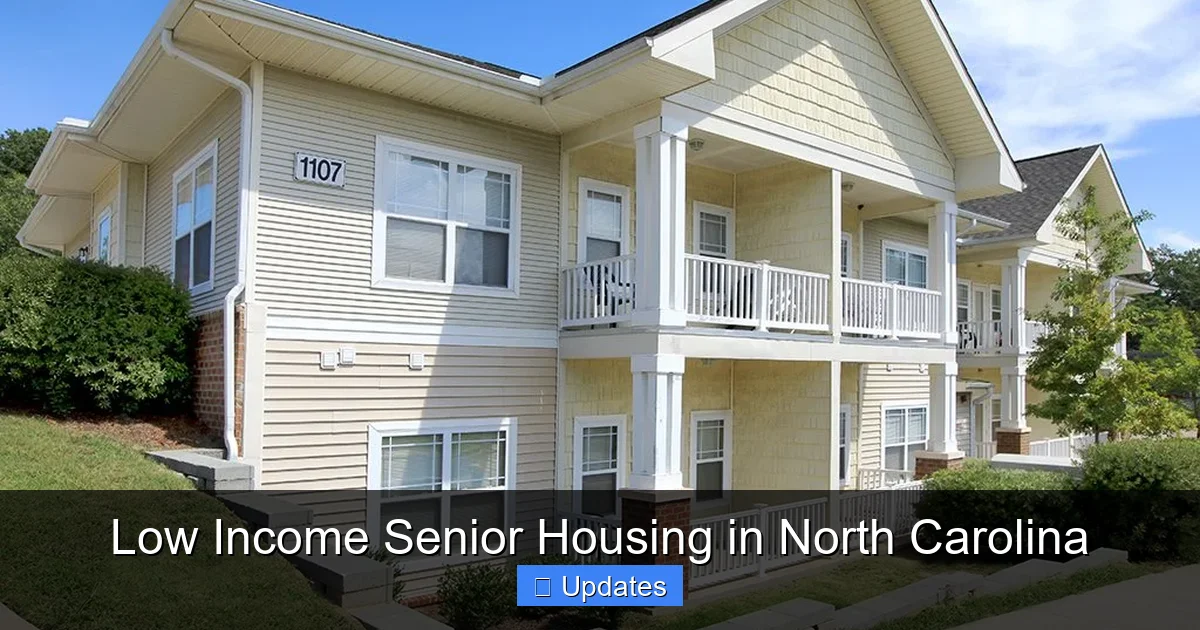
Visual guide about Low Income Senior Housing in North Carolina
Image source: s3.amazonaws.com
The application process for low income senior housing in North Carolina varies by property, but most follow a similar path. Getting started early increases your chances of getting approved—especially since many popular communities have waiting lists lasting months or even years.
Step-by-Step Application Guide
- Research Available Properties: Use tools like HUD’s Housing Search Tool or contact your local Public Housing Authority (PHA). Each county has at least one PHA office handling applications.
- Check Eligibility: Gather recent pay stubs, Social Security statements, bank statements, and proof of residency. Have your total annual household income ready.
- Submit an Interest Form: Many communities require you to sign up online or in person. This doesn’t guarantee placement but gets you on the list.
- Attend an Interview: Staff will verify documents and ask about lifestyle preferences (e.g., pet policies, mobility needs).
- Wait for Notification: If selected, you’ll receive a formal offer within weeks to months. Decline or accept promptly.
Pro tip: Call ahead! Some communities let you “jump the queue” if you have urgent medical needs or live alone with no family support nearby.
Common Mistakes to Avoid
Many applicants miss out because they rush the process or misunderstand requirements. Here’s what NOT to do:
- Wait Until You’re Homeless: Once you’re desperate, options shrink quickly. Start early.
- Overlook Smaller Towns: Rural areas often have shorter waits and warmer communities.
- Forget to Update Information: If your income changes mid-year, report it immediately—some programs adjust rent accordingly.
- Skip the Tour: Always visit before signing anything. Does the building smell mildewy? Are elevators working? Is the neighborhood safe?
Amenities and Support Services in Low Income Senior Housing
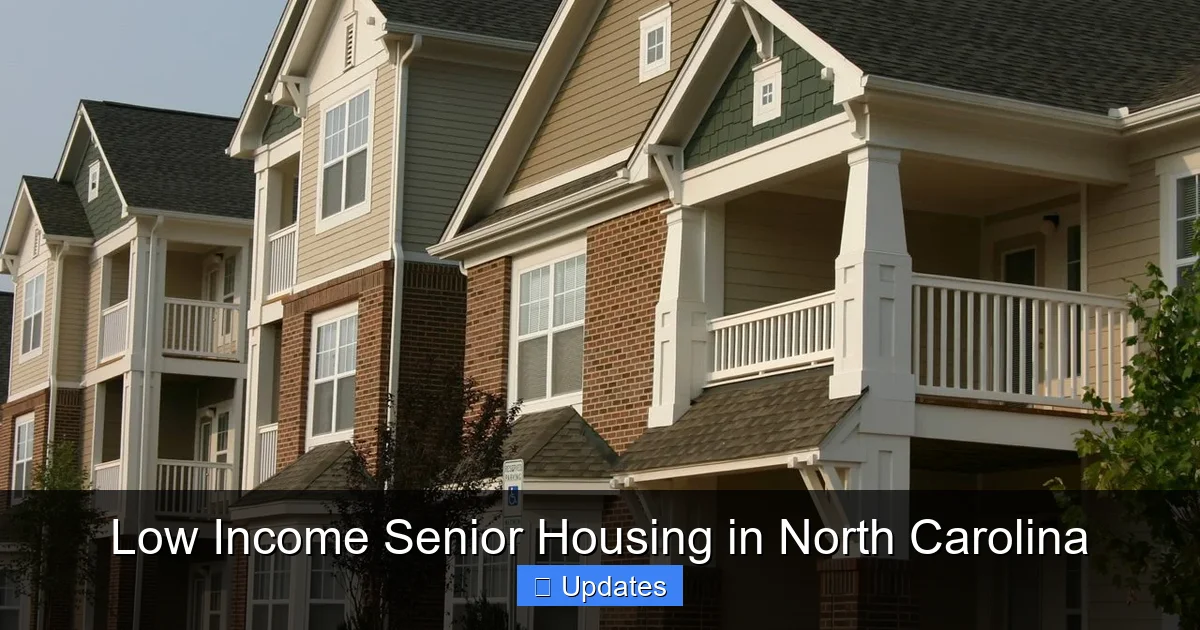
Visual guide about Low Income Senior Housing in North Carolina
Image source: s3.amazonaws.com
One of the biggest advantages of modern low income senior housing in North Carolina is the level of support available. Unlike generic apartments, these communities go beyond four walls to enhance quality of life.
On-Site Services You Might Encounter
- Meals and Nutrition: Many offer breakfast and dinner daily, often with dietary accommodations for diabetics or those on heart-healthy diets.
- Health Screenings: Regular blood pressure checks, flu shots, and nurse visits are common.
- Transportation: Free or low-cost vans take residents to doctors, grocery stores, and community centers.
- Social Activities: Bingo nights, book clubs, movie screenings, and seasonal festivals keep loneliness at bay.
- Meal Delivery for Isolation: If someone can’t leave their room, meals can be brought up.
Some luxury-adjacent communities even include housekeeping, linen service, and fitness classes—all included in the modest rent.
Accessibility Features Matter Most
Safety is non-negotiable. Look for:
- Grab bars in showers and hallways
- Emergency pull cords in bathrooms and beds
- Wide doorways and roll-under sinks
- Non-slip flooring throughout
- Visual alarms for hearing-impaired residents
These details prevent falls—the leading cause of injury among seniors—and give families greater confidence.
Financial Assistance Beyond Rent Subsidies
While rent is the biggest expense, utilities, medical bills, and prescriptions add up fast. Fortunately, North Carolina offers supplemental aid to ease the burden.
Utility Assistance Programs
The Low Income Home Energy Assistance Program (LIHEAP) helps cover winter heating costs. Eligibility is income-based, and applications open annually in October.
Prescription Discounts
Through partnerships with Walmart, Kroger, and local clinics, many housing communities distribute free prescription cards saving 10–87% on medications.
Medical Transportation Vouchers
Local PHAs sometimes fund ride-share credits (like Uber Health) or bus passes for essential trips.
Food Assistance
SNAP benefits (formerly food stamps) are widely accepted near senior housing sites. Check with your caseworker about expedited processing for elderly applicants.
Success Stories: Real Seniors Thriving in NC Housing
Meet Margaret, 78, from Durham. After her husband passed away and she couldn’t afford her apartment, she applied to Oak Ridge Senior Residence. Within six months, she moved into a studio with a kitchenette, received weekly meals, and joined a gardening club. “I was lonely before,” she says. “Now I have friends and a routine.”
Or take James, 82, from Charlotte. Diagnosed with early-stage dementia, he needed supervision but didn’t qualify for assisted living. At Briar Creek Senior Village, trained staff monitor his condition during the day while he enjoys arts-and-crafts sessions. His daughter visits weekly—something she couldn’t afford before.
These stories aren’t rare. Thousands of North Carolinians find stability, friendship, and hope through low income senior housing in North Carolina every year.
Tips for Families Supporting a Loved One’s Move
Helping a parent or relative transition into affordable senior housing can feel overwhelming—but it doesn’t have to be. Here’s how to make it smoother:
- Involve Them Early: Let them lead decisions about location, size, and activities. Resistance fades when they feel ownership.
- Visit Together: Walk through potential homes together. Ask about noise levels, neighbor interactions, and emergency protocols.
- Pack Lightly: Most units are small. Focus on essentials: photos, medications, favorite books.
- Stay Connected: Schedule regular phone calls or video chats. Arrange for a neighbor to check in occasionally.
- Know Their Rights: All tenants in NC have protections against discrimination and sudden eviction. Keep a copy of their lease handy.
Remember: Moving to senior housing isn’t giving up independence—it’s redefining it.
Future Outlook for Low Income Senior Housing in North Carolina
Demand continues to rise. By 2030, NC will have over 2 million residents aged 65+, according to the NC Office of State Budget and Management. Yet current affordable housing stock lags behind.
That’s why state lawmakers are pushing bills to expand funding for senior housing and simplify zoning laws. Private investors are also stepping in—recent deals show interest in mixed-use developments combining retail, healthcare, and housing.
Still, advocates warn that without sustained investment, thousands will face homelessness or unsafe living conditions. Community action groups across the state are calling for more transparent waitlists, faster approvals, and better outreach to minority populations.
If you’re eligible now, don’t wait. The future looks brighter—but only if we act today.
Frequently Asked Questions
What is the average wait time for low income senior housing in North Carolina?
Wait times vary widely—from a few months in rural areas to over two years in high-demand cities like Charlotte or Raleigh. Starting your search early and applying to multiple properties increases your chances significantly.
Can I bring my pet to a low income senior housing community?
Many modern low income senior housing communities in North Carolina allow small pets (usually cats or dogs under 25 pounds) with a small deposit. However, policies differ, so always confirm during the application process.
Are utilities included in the rent for low income senior housing?
In most cases, yes—utilities like water, sewer, trash, and sometimes electricity are included. Internet and cable are rarely covered but may be offered at discounted rates through resident partnerships.
Do I need a doctor’s referral to move into low income senior housing?
No. Unlike assisted living facilities, standard low income senior housing does not require medical referrals. However, some specialized supportive housing programs (like memory care units) may request health assessments.
How do I find a low income senior housing property near me?
Contact your local Public Housing Authority, use HUD’s search tool at hud.gov, or reach out to nonprofit organizations like the NC Housing Coalition for personalized assistance.
Is there help with moving costs into low income senior housing?
Occasionally, nonprofits or PHAs offer small relocation grants or reimbursement for movers. Ask your caseworker or housing counselor about available resources in your area.