
Low Income Senior Housing Arlington Tx


Kindle Paperwhite 16GB (2024)

Moen 18 Inch Shower Grab Bar

Telescopic Grabber Reacher Tool, 5-Level Adjustable Length
Finding low income senior housing in Arlington, TX can be challenging, but it’s not impossible. With the right information and support, seniors and their families can access safe, affordable, and dignified housing options tailored to limited budgets. This guide walks you through available programs, local resources, and practical steps to secure a place that meets both financial and lifestyle needs.
Key Takeaways
- Multiple Housing Options: Arlington offers several types of low-income senior housing, including public housing, Section 202 Supportive Housing, and nonprofit-affiliated communities.
- Eligibility Based on Income: Most programs require applicants to have incomes at or below 50% of the Area Median Income (AMI), with additional preferences often given to very low-income households.
- Waiting Lists Are Common: Due to high demand, many low-income senior housing communities operate waiting lists—some of which may last years. Planning ahead is essential.
- Support Services Available: Many affordable senior housing units offer on-site services like meal programs, transportation, health screenings, and social activities to enhance quality of life.
- Local Resources Help Navigate Options: Organizations like Aging and Disability Resource Centers (ADRC) and Texas Health and Human Services provide free assistance with applications and referrals.
- Pet-Friendly and Accessible Units: Some communities accommodate service animals and offer ADA-compliant features, ensuring comfort and independence for residents.
- Financial Counseling Supports Success: Free counseling through HUD-approved agencies can help seniors understand rent calculations, utility allowances, and benefit optimization.
📑 Table of Contents
- Finding Dignity and Comfort: Low Income Senior Housing in Arlington, TX
- Understanding Low Income Senior Housing in Arlington
- How to Qualify for Low Income Senior Housing in Arlington
- Top Low Income Senior Housing Communities in Arlington, TX
- Application Process Made Simple
- Maximizing Benefits and Avoiding Pitfalls
- Community Support and Advocacy in Arlington
- Looking Ahead: Trends in Senior Housing
- Conclusion: Your Path Forward
Finding Dignity and Comfort: Low Income Senior Housing in Arlington, TX
As we age, our needs evolve. For many seniors in Arlington, Texas, the rising cost of living makes independent homeownership increasingly difficult. That’s where low income senior housing in Arlington, TX comes in—offering a lifeline to those who need affordable, safe, and supportive living environments without sacrificing dignity or community.
Whether you’re a retiree on a fixed income, a disabled adult needing accessible housing, or a family member helping a loved one transition to assisted living, knowing your options is key. Arlington provides a mix of public and private affordable housing designed specifically for older adults. These aren’t just places to live—they’re communities built around wellness, connection, and peace of mind.
In this guide, we’ll walk you through everything you need to know about accessing low income senior housing in Arlington. From understanding eligibility to navigating application processes and maximizing benefits, we’ve got you covered. You’re not alone in this journey.
Understanding Low Income Senior Housing in Arlington
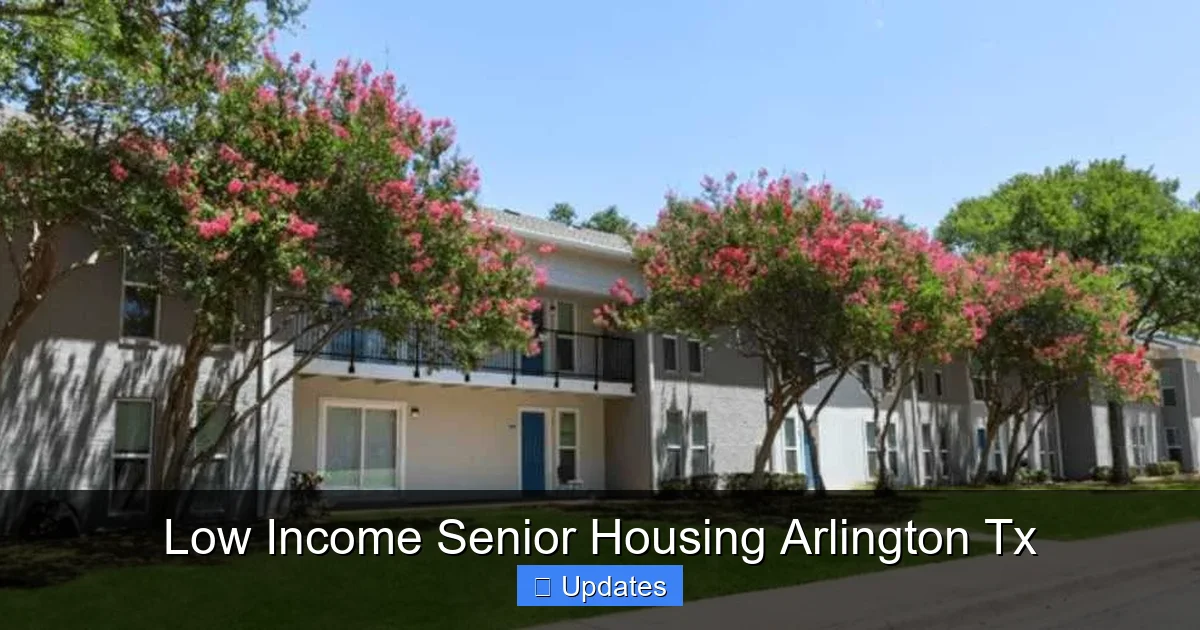
Low income senior housing refers to subsidized residential options for adults aged 62+ (or sometimes 55+) whose income falls within federal guidelines. In Arlington, these aren’t luxury apartments—they’re thoughtfully designed spaces that prioritize accessibility, affordability, and care.
Visual guide about Low Income Senior Housing Arlington Tx
Image source: lowincomehousing.us
What Makes Housing “Low Income”?
The term “low income” is tied directly to your household size and earnings. The U.S. Department of Housing and Urban Development (HUD) sets annual thresholds based on the Area Median Income (AMI) for Tarrant County. For example, as of 2024, a single person earning $35,000/year might qualify for certain programs, while a couple making $50,000 could still meet criteria depending on the specific property’s income limits.
Most qualifying programs cap applicant incomes at 50% of AMI—but some go lower, targeting those at or below 30% of AMI. This ensures resources reach those most in need.
Types of Affordable Senior Housing Available
Apart from traditional apartments, Arlington’s low income senior housing includes:
- Public Housing Authority Units: Managed by the Arlington Housing Authority, these offer rent based on 30% of adjusted gross income.
- Section 202 Supportive Housing: Federally funded projects with on-site support services like nursing visits, meal delivery, and activity coordination.
- Nonprofit-Developed Communities: Groups like Catholic Charities or local faith-based organizations run affordable complexes with sliding-scale rents.
- Veterans Affairs Supported Housing: For honorably discharged veterans, VA-subsidized housing may cover rent gaps.
- Continuing Care Retirement Communities (CCRC): While more expensive upfront, some offer tiered pricing models where initial costs are offset by future healthcare inclusion—though few in Arlington fit this model strictly within “low income.”
Each type has different rules regarding pets, guest policies, and service availability—so research thoroughly!
How to Qualify for Low Income Senior Housing in Arlington
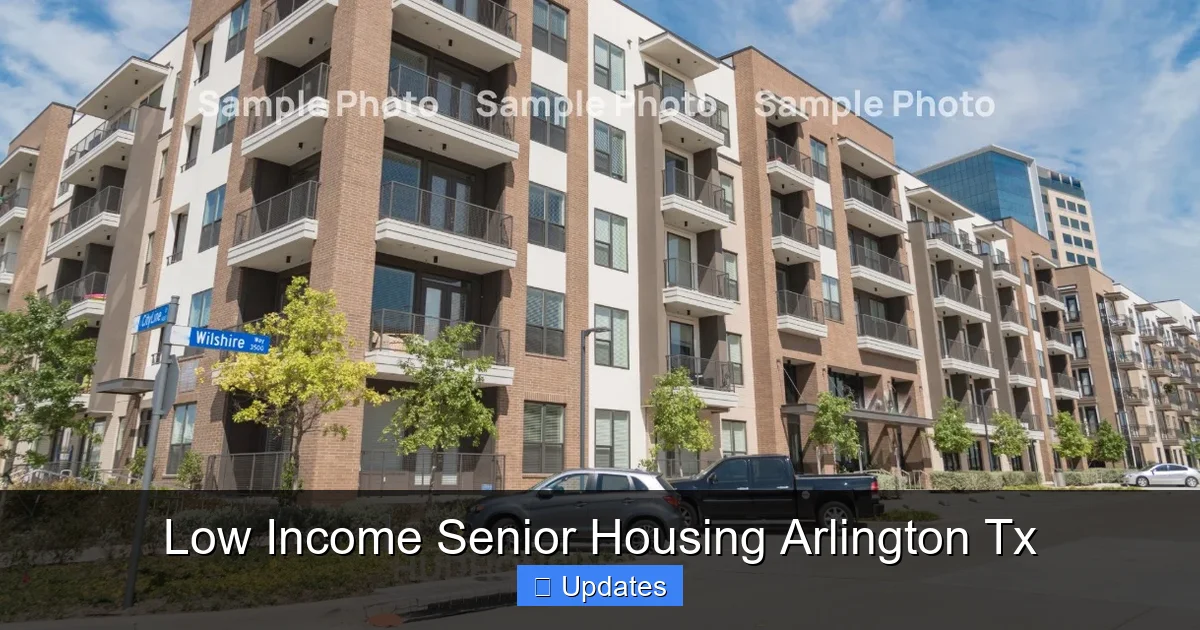
Getting into an affordable senior apartment isn’t automatic—but it’s definitely possible with preparation. Here’s what you need to know.
Visual guide about Low Income Senior Housing Arlington Tx
Image source: hudhousingnetwork.com
Eligibility Requirements
While exact standards vary by property, common requirements include:
- Age 55 or older (some require 62+)
- Income at or below program-specific thresholds (typically ≤50% AMI)
- Citizenship or eligible immigration status
- Clean background checks (no recent evictions or violent offenses)
- Sufficient credit history (not always required for subsidized units)
Note: Preference is often given to seniors who are frail, disabled, or experiencing homelessness—even if they slightly exceed income limits due to medical expenses.
Documentation You’ll Need
Be ready with:
- Proof of age (driver’s license, passport)
- Recent pay stubs or Social Security statements showing income
- Bank statements (last 2–3 months)
- Tenant history from previous landlords
- Medical documentation (if applying under disability preference)
Some communities also request letters of recommendation from doctors, case managers, or clergy to verify need.
Special Considerations for Disabled Seniors
If you or your loved one has a qualifying disability, you may receive priority placement. Federal law requires all federally funded housing to make reasonable accommodations—like allowing service animals even in pet-restricted buildings or modifying unit layouts.
Don’t hesitate to disclose disabilities during application; doing so doesn’t disqualify you—it just helps allocate scarce resources wisely.
Top Low Income Senior Housing Communities in Arlington, TX
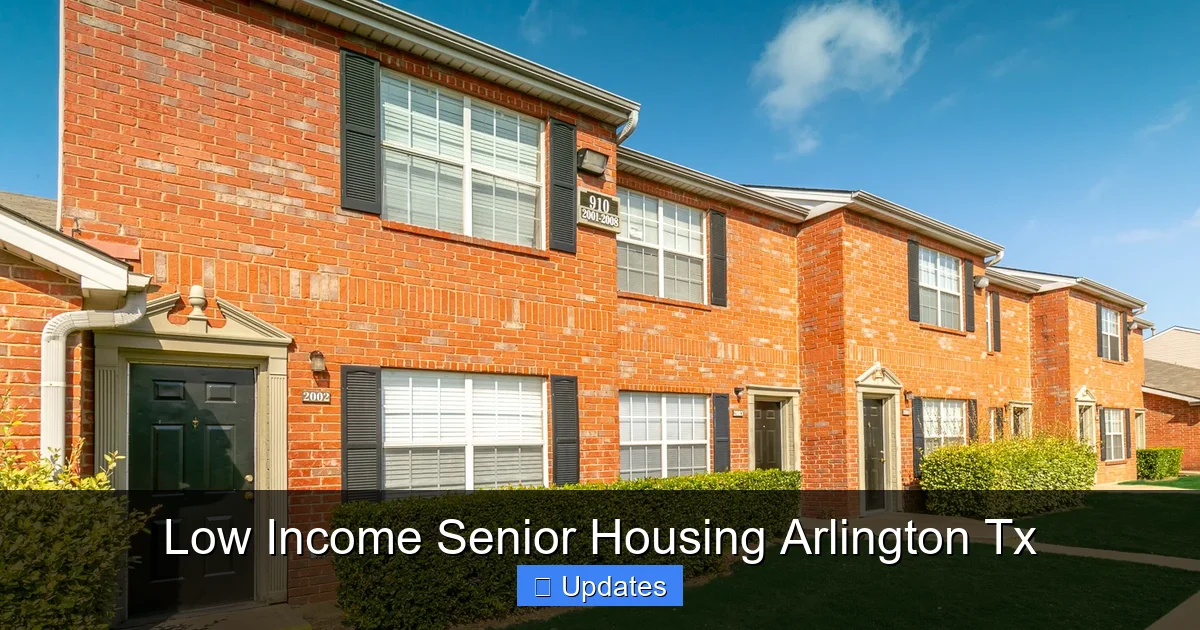
While Arlington itself has limited dedicated senior housing stock, nearby cities and regional providers serve the area well. Below are verified options currently accepting applications or operating waitlists.
Visual guide about Low Income Senior Housing Arlington Tx
Image source: lowincomehousing.us
Arlington Housing Authority – Elderly/Disabled Program
This is likely your best starting point. The AHA manages dozens of units across the city under HUD’s elderly/disabled designation. Rent ranges from $150–$400/month depending on income and unit size. Amenities include wheelchair-accessible entrances, emergency call systems, and community rooms for events.
Tip: Call (817) 275-2300 to request a pre-application packet. They don’t accept walk-ins.
St. Vincent de Paul Village
Run by Catholic Charities of Fort Worth, this complex in nearby Grand Prairie offers studio and one-bedroom units for seniors 55+. Residents pay 30% of their income toward rent—so if you earn $1,200/month, your rent would be $360. Meals are served daily, plus bingo nights and bus passes are included.
Waitlist time: Approximately 18–24 months. But they occasionally open spots when current tenants move out.
Bethany Home & Retirement Community – Affordable Wing
Though primarily a full-service CCRC, Bethany reserves 15% of its units for low-income seniors via partnerships with the City of Arlington. These come with shared bathrooms initially but can upgrade to private en-suites after stabilization. Utilities and housekeeping are included.
Ideal for those wanting extra security and staff nearby but on a tight budget.
Texas Health and Human Services Commission Referrals
For non-emergency cases, contact the North Central Texas Council of Governments (NCTCOG) at (817) 695-0600. They maintain a statewide database of affordable senior housing—including units in Irving, Euless, and Mansfield that accept Arlington ZIP codes.
They can also connect you with rental assistance programs like the Section 8 Housing Choice Voucher program, though vouchers have their own long waitlists too.
Application Process Made Simple
Navigating bureaucracy can feel overwhelming—but breaking it into steps makes it manageable.
Step 1: Confirm Eligibility
Gather income records and confirm your household size. Use HUD’s Income Limits Tool to check current thresholds.
Step 2: Request Application Packets
Call each community listed above or visit their websites. Don’t assume online forms work—many require mailed-in packages.
Step 3: Complete & Submit
Fill out every field carefully. Omissions delay processing. Include all requested docs in original copies (photocopies won’t suffice).
Step 4: Attend Interview (If Requested)
Some properties schedule brief interviews to discuss needs (e.g., mobility aids, dietary restrictions). Be honest—this helps them prepare support services.
Step 5: Wait… Then Lease-Up
Once selected, expect a lease agreement within 30 days. Review it closely: ask about security deposit amounts, late fees, and subletting rules.
Pro Tip: If placed on a waitlist, follow up monthly. Sometimes vacancies arise unexpectedly!
Maximizing Benefits and Avoiding Pitfalls
Securing housing is only half the battle. Staying housed long-term requires smart financial planning.
Rent Calculation Explained
Under HUD guidelines, rent = 30% of adjusted gross income minus allowable deductions (like medical costs over 3% of income). So if you spend $200/month on prescriptions, that reduces your rent obligation.
Utilities and Additional Costs
Many low-income senior housing covers water/sewer and trash. Electricity varies—some include it; others charge separately. Always clarify before moving in.
Common Mistakes to Avoid
- Underreporting Income: Fraudulent claims lead to eviction and bans from future programs.
- Missing Renewal Deadlines: Annual recertifications must be submitted on time or you lose your spot.
- Ignoring Pet Policies: Even emotional support animals require paperwork and fees.
Free Financial Counseling Resources
Contact the Texas Department of Aging and Disability Services (TDADS) for free workshops on managing retirement funds, Medicare, and rent assistance. Their counselors speak Spanish and English and offer virtual sessions.
Community Support and Advocacy in Arlington
You don’t have to go it alone. Local advocates stand ready to help.
Aging and Disability Resource Center (ADRC)
Located at 101 W. Abram St., Suite 200, the ADRC connects seniors with housing, nutrition programs, and legal aid. Schedule a consultation at (817) 535-6600.
Senior Legal Services of North Texas
If facing eviction or unfair treatment, call (800) 687-2299. They provide pro bono attorneys specializing in tenant rights.
Faith-Based Initiatives
Churches like First United Methodist Church and St. Luke’s Episcopal host monthly “Housing Help Hours” where volunteers review applications and practice interview skills.
These grassroots efforts often fill gaps left by overburdened government systems.
Looking Ahead: Trends in Senior Housing
The landscape is changing. More developers are building age-restricted communities with embedded healthcare, thanks to state incentives. Meanwhile, tiny home villages for homeless seniors (like the one planned near Dallas) may expand into Tarrant County.
Stay informed by subscribing to TDADS newsletters or attending NCTCOG public forums. Your voice matters—advocacy drives policy improvements!
Conclusion: Your Path Forward
Accessing low income senior housing in Arlington, TX takes effort, but it’s absolutely achievable. Start small: identify 2–3 communities that interest you, gather your documents, and submit applications early. Remember, being on a waitlist isn’t failure—it’s patience working in your favor.
Lean on local resources. Ask questions. Celebrate each step forward. Soon enough, you’ll be sipping coffee with neighbors in a warm, affordable apartment designed exactly for people like you.
Your golden years deserve comfort, safety, and community. Arlington has options—and we hope this guide lights the way.
—
Frequently Asked Questions
What is the income limit for low income senior housing in Arlington, TX?
Incomes must generally be at or below 50% of Tarrant County’s Area Median Income. For a single person, that’s roughly $43,000/year as of 2024. Some programs go lower (to 30% AMI) and give priority to those with higher medical expenses or disabilities.
Are there any low income senior housing options with no waiting list?
Unfortunately, most reputable low-income senior housing operates waiting lists due to demand. However, occasionally openings occur—so checking weekly or monthly with providers like St. Vincent de Paul Village or the Arlington Housing Authority can yield surprises.
Can I bring my pet to low income senior housing in Arlington?
It depends on the property. Many allow small dogs or cats with signed waivers and proof of vaccinations. Emotional support animals may qualify under fair housing laws, but require documentation from a licensed mental health professional.
Does low income senior housing in Arlington include utilities?
Some communities bundle water, trash, and sewage into the rent—electricity may or may not be included. Always ask during the application process or before signing a lease to avoid unexpected bills.
How do I apply for Section 8 housing in Arlington?
Submit an application to the Arlington Housing Authority (call (817) 275-2300). Note: Section 8 vouchers are separate from dedicated senior housing and have extremely long waitlists. Still worth trying if you need rental flexibility.
Is transportation provided to low income senior housing in Arlington?
Several complexes partner with local transit (like TRIPS) to offer discounted passes or door-to-door shuttle services for medical appointments or grocery trips. Confirm availability when touring units.