
Low Income Senior Apartments Tacoma Wa


Philips Norelco 2400 Series Electric Shaver

Bed Rails for Elderly Adults Safety, 380 LBS

Amazfit Bip 6 Smart Watch, 1.97" AMOLED Display, GPS
Finding safe, affordable housing is a top priority for seniors in Tacoma, Washington. Low income senior apartments in Tacoma, WA offer vital support through subsidized rent, accessible design, and supportive communities. These housing options help older adults maintain independence while managing rising living costs.
Living on a fixed income can make finding safe, comfortable, and affordable housing a real challenge—especially as you age. For many seniors in Tacoma, Washington, the rising cost of rent threatens not just financial stability but overall well-being. Fortunately, there’s hope. Across the city and surrounding Pierce County, a growing number of low income senior apartments in Tacoma, WA provide more than just a roof—they offer dignity, security, and community. Whether you’re a longtime resident or considering relocation from out of state, understanding your options is the first step toward stable, supportive senior housing.
This guide walks you through everything you need to know about accessing low income senior apartments in Tacoma, WA. From eligibility rules and application tips to real examples of trusted properties, we’ll break down the process in plain language. You’ll also learn how government programs like HUD’s Section 8 and local nonprofit partnerships work behind the scenes to keep rent manageable. By the end, you’ll feel empowered to explore, apply confidently, and find a home that fits your needs.
Key Takeaways
- Subsidized Housing Options: Many low income senior apartments in Tacoma, WA rely on HUD Section 202 or project-based vouchers to keep rents affordable for fixed-income residents.
- Eligibility Based on Income: Applicants typically must earn below 50% of the area median income (AMI) and meet age requirements (62+), though exceptions exist for disabled individuals regardless of age.
- Accessibility Features: Most units include roll-in showers, grab bars, emergency call systems, and wide doorways—critical for aging in place comfortably.
- Community Amenities: On-site services such as meal programs, transportation, health screenings, and social activities enhance quality of life and reduce isolation.
- Waitlists Are Common: Due to high demand, many low income senior apartment complexes maintain long waitlists—some exceeding two years. Early application is strongly advised.
- Pet Policies Vary: While some complexes welcome small pets with deposits or weight limits, others are pet-free for safety or insurance reasons—always check before applying.
- Application Process Tips: Gather income documents, identification, medical records (if applicable), and landlord references. Follow up promptly and consider partnering with a case manager.
📑 Table of Contents
- What Are Low Income Senior Apartments?
- Who Qualifies for Low Income Senior Apartments in Tacoma, WA?
- Top Low Income Senior Apartment Communities in Tacoma, WA
- How to Apply for Low Income Senior Apartments in Tacoma, WA
- Benefits Beyond Rent Savings
- Challenges and How to Overcome Them
- Resources for Seniors Seeking Affordable Housing
What Are Low Income Senior Apartments?
Low income senior apartments refer to residential complexes specifically designed for adults aged 62 and older (or sometimes younger individuals with disabilities) whose income falls below federal poverty thresholds. Unlike market-rate rentals, these properties receive funding from federal, state, or private sources to subsidize rent—often making it possible for residents to pay only 30% of their monthly income toward housing.
In Tacoma, WA, most low income senior apartments operate under guidelines set by the U.S. Department of Housing and Urban Development (HUD). Programs such as HUD’s Section 202 Supportive Housing for the Elderly and the Housing Choice Voucher Program (Section 8) ensure affordability and accessibility. Some developments are owned by nonprofits like Mercy Housing or Catholic Charities, while others are managed by public housing authorities like the Tacoma Housing Authority (THA).
What sets these apartments apart isn’t just price—it’s design. Units often feature wider hallways, lever-style door handles, roll-under sinks, and non-slip flooring. Many buildings have elevators, ground-floor access, and proximity to medical clinics or grocery stores. Beyond physical features, supportive services—like wellness checks, group meals, or transportation assistance—are common, helping residents stay healthy and connected.
Who Qualifies for Low Income Senior Apartments in Tacoma, WA?
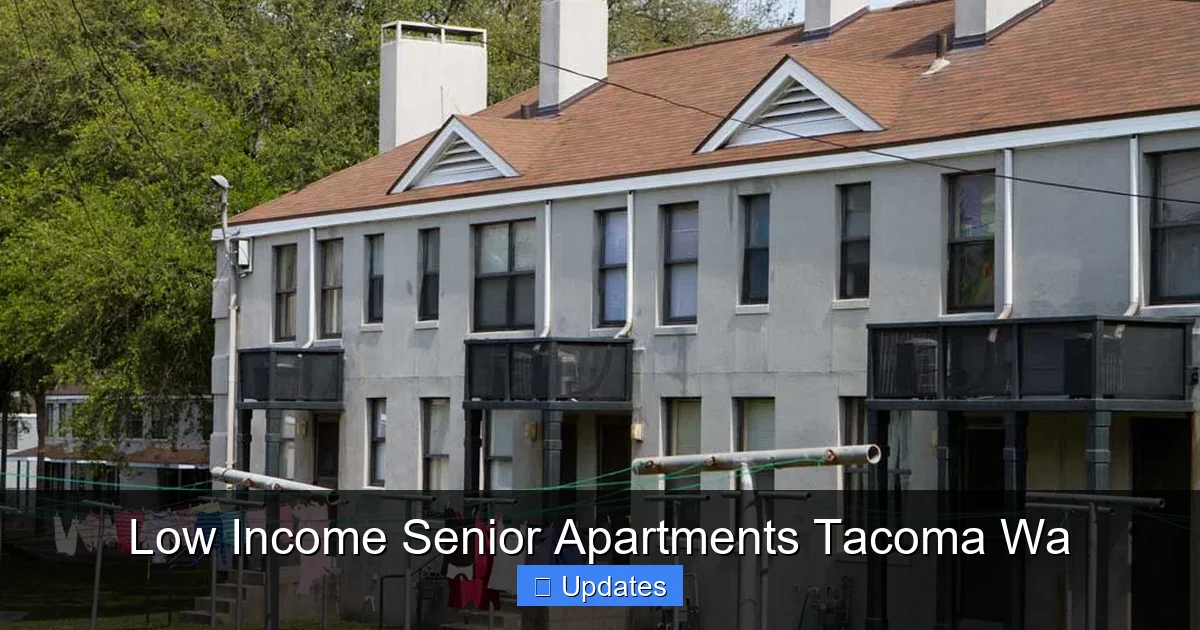
Visual guide about Low Income Senior Apartments Tacoma Wa
Image source: news.schoolsdo.org
Eligibility hinges on three main factors: age (or disability status), income level, and household size. The good news? Requirements are clear and fair.
First, applicants must be at least 62 years old—or qualify as disabled under HUD’s definition, which includes physical, mental, or developmental impairments affecting daily living. Disabled individuals under 62 may apply if they meet income limits and other criteria.
Second, your annual household income generally cannot exceed 50% of Tacoma’s Area Median Income (AMI). As of 2024, that threshold is approximately $58,000 for a single person or $71,000 for two people. Remember: “household” includes everyone living in the unit, even non-relatives. If you’re caring for a dependent grandchild, include their income too.
Third, you must provide proof of income—such as Social Security statements, pension stubs, or unemployment benefits—alongside identification and residency documentation. Veterans, Native Americans, or survivors of domestic violence may have additional pathways.
It’s important to note that meeting income guidelines doesn’t guarantee approval. Demand far exceeds supply, so factors like criminal background (limited offenses allowed), rental history, and timely applications influence selection. That’s why starting early and staying organized is key.
Top Low Income Senior Apartment Communities in Tacoma, WA
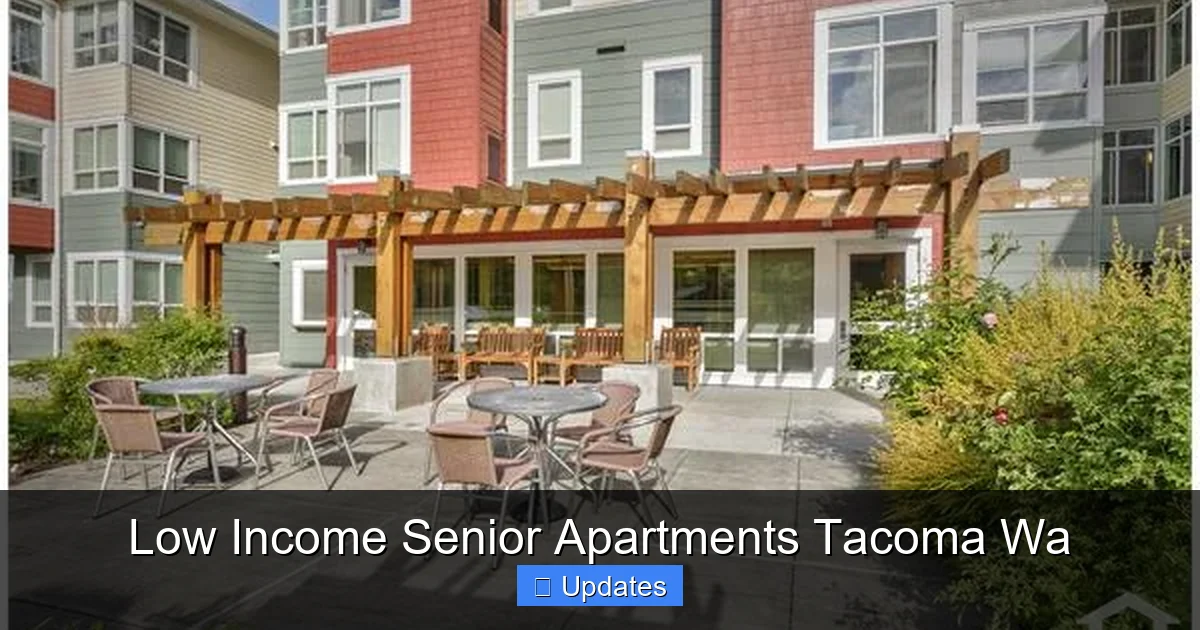
Visual guide about Low Income Senior Apartments Tacoma Wa
Image source: photouploader.affordablehousing.com
While no centralized directory lists every available unit, several reputable communities consistently serve Tacoma’s elderly population. Below are five standout options with unique strengths:
Mercy Housing’s The Commons at Hilltop
Located near St. Joseph Medical Center, this 55-unit complex offers studio and one-bedroom homes with ADA-compliant bathrooms. Residents enjoy weekly housekeeping, scheduled transportation, and access to a community garden. Rent starts around $300/month based on income—well below market rate. Waitlist times hover near 18 months, so apply soon.
Tacoma Housing Authority’s Sunset Village
Managed directly by THA, Sunset Village serves seniors earning up to 30% AMI. It includes shared dining spaces, fitness classes, and on-site social workers. Units are smaller but highly functional, with emergency response buttons in each bedroom. Applications open quarterly; check THA’s website for next intake dates.
St. Francis House
Run by the Franciscan Sisters of Tacoma, this faith-based facility provides not only housing but spiritual care and meal programs. Ideal for those seeking quiet, respectful surroundings, St. Francis has a mix of private studios and companion suites. Priority goes to veterans and long-term Tacoma residents. Contact them directly—they sometimes bypass standard waitlists for urgent cases.
Washington Low Income Housing Institute (LIHI)
LIHI operates several properties across Pierce County, including the recently renovated Beacon Court in South Tacoma. With wraparound services like job training for residents and legal aid referrals, LIHI focuses on holistic stability. Pet-friendly policies allow cats and small dogs with a refundable deposit.
Senior Services of Western Washington
Though not a landlord itself, this nonprofit acts as a vital connector. They host monthly “housing fairs” where developers present openings, answer questions live, and collect applications on the spot. Attending one could fast-track your search.
Each property varies in amenities, location, and vibe, so visit in person when possible. Bring your ID, income docs, and list of questions. Don’t hesitate to ask about waitlist status or if they accept assistance animals beyond standard pets.
How to Apply for Low Income Senior Apartments in Tacoma, WA
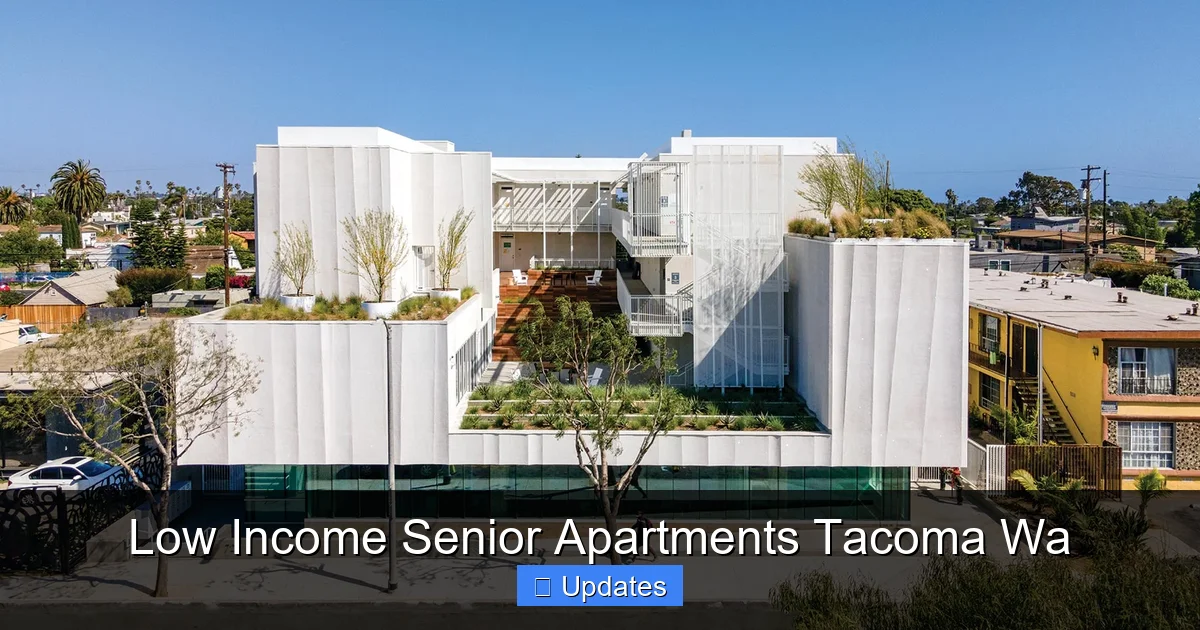
Visual guide about Low Income Senior Apartments Tacoma Wa
Image source: architecturalrecord.com
The application journey begins with preparation—not paperwork. Start by gathering these essentials:
– Proof of age (birth certificate or passport)
– Current pay stubs or benefit statements (last 90 days)
– Tax returns or SSI/SSDI award letters
– List of all bank accounts and assets (required for some programs)
– Emergency contacts and previous landlord references
Next, identify which agencies manage available units. Use HUD’s Public Housing Agency Locator to find THA or partner organizations. Then submit applications—either online, by mail, or in person during designated intake windows.
Be strategic: apply to multiple properties simultaneously. Even if one has a longer waitlist, others might open sooner. Keep copies of everything and follow up every 30–60 days. If denied, request written feedback—you may reapply later after improving qualifications.
For extra help, reach out to Senior Services of Western Washington or the Washington State Department of Commerce’s Aging & Disability Resource Centers. Their staff can review your file, explain nuances (like how “asset limits” work), and even advocate on your behalf.
Benefits Beyond Rent Savings
Affordability is just the beginning. Low income senior apartments in Tacoma, WA deliver layered benefits that improve life quality significantly:
Reduced Social Isolation
Many complexes organize bingo nights, movie clubs, or volunteer opportunities. One resident at Beacon Court told us she now looks forward to Tuesday coffee hours—a simple change that rebuilt her confidence.
Health Monitoring
Regular wellness checks and medication reminders prevent emergencies. At The Commons at Hilltop, nurses visit monthly to discuss chronic conditions.
Transportation Access
Scheduled shuttles connect residents to pharmacies, banks, and senior centers. This independence reduces reliance on costly family rides or taxis.
Legal and Financial Counseling
Partnerships with nonprofits offer free estate planning, Medicare enrollment help, and fraud prevention workshops.
These supports turn housing into true home environments. When combined with accessible design, they empower seniors to age in place safely—without sacrificing joy or autonomy.
Challenges and How to Overcome Them
Despite their advantages, securing low income senior apartments in Tacoma, WA isn’t always smooth sailing. Here’s what to expect—and how to adapt:
Long Waitlists
As mentioned, waitlists run 12–24 months. Solution: Apply early, broadly, and politely remind agencies of your interest annually. Sometimes vacancies arise unexpectedly due to moves or deaths.
Strict Income Verification
Lenders scrutinize every dollar. Tip: Declare all income sources honestly—even occasional cash jobs or gifts over $1,500. Discrepancies can delay approval.
Limited Availability in Prime Areas
Downtown or near hospitals fills fastest. Consider nearby neighborhoods like Hilltop or Ruston Way—they’re still walkable and often have newer units.
Pet Restrictions
If you love Fido, confirm pet policies upfront. Some waive fees for emotional support animals with documentation.
Remember: persistence pays off. Many successful applicants faced rejections before landing their ideal spot. Stay positive, lean on advocates, and celebrate small wins along the way.
Resources for Seniors Seeking Affordable Housing
You don’t have to navigate this alone. These organizations specialize in helping seniors secure safe, affordable housing:
– Tacoma Housing Authority: Manages public housing and vouchers. Website: thacity.org
– Washington State ADRC: Free case management and referral service. Call 1-800-497-6200
– Senior Services of Western Washington: Hosts housing fairs and application assistance. Email [email protected]
– Washington Low Income Housing Institute (LIHI): Develops and manages affordable units statewide. Visit lihi.org
– National Council on Aging (NCOA): Offers tools like the BenefitsCheckUp scanner to uncover overlooked aid. Ncoa.org
Additionally, consider checking with local churches or veteran groups—they sometimes sponsor housing subsidies for members. Always verify legitimacy before sharing sensitive info.
Frequently Asked Questions
Are there low income senior apartments in Tacoma, WA with no waiting list?
Occasionally, openings appear due to unexpected moves or funding increases. However, truly “no-wait” listings are rare—most reputable properties maintain queues. Monitor HUD’s database and attend housing fairs hosted by Senior Services of Western Washington for real-time updates.
Can I bring my service animal to a low income senior apartment in Tacoma, WA?
Yes! Federal law requires housing providers to accommodate emotional support animals and service animals, even in pet-restricted complexes. Provide documentation from a licensed mental health professional if requesting an ESA. Landlords cannot charge extra fees beyond standard pet deposits for these animals.
Do low income senior apartments in Tacoma, WA cover utilities?
Utility coverage varies. Some include water/sewer and trash in rent; others require tenants to pay separately. Electric and heating costs differ seasonally. Ask about “utility allowance” calculations during tours—many programs cap what you pay based on unit size and bedroom count.
Is there transportation provided by low income senior apartments in Tacoma, WA?
Yes, many offer scheduled shuttles to medical appointments, grocery stores, and community events. Examples include The Commons at Hilltop and Beacon Court. Check with individual properties—some use partnerships with Pierce Transit for discounted passes instead.
What happens if my income increases above the limit for low income senior apartments in Tacoma, WA?
If approved but your income rises, you may still stay temporarily under “grandfathering” rules. Eventually, you’ll need to transition to market-rate housing or risk eviction. Notify your landlord immediately and consult THA or an ADRC counselor—they can explore phased rent adjustments or other aid options.
Can couples where only one partner qualifies apply together for low income senior apartments in Tacoma, WA?
Generally, yes—but both incomes are counted toward the household limit. If the higher earner exceeds 50% AMI, the application may be denied unless they qualify as disabled. In shared units (e.g., companion suites), occupancy rules differ. Clarify expectations during interviews.