
Ideas for Senior Pages in Yearbook


HOMLAND Adjustable Height Shower Stool for Small Showers

HOMLAND Toilet Seat Riser for Seniors with Adjustable Height

Grab Bars for Shower, 2 Pack 16 in Anti Slip Safety Bath Handle
Senior yearbooks are more than photos—they’re a celebration of who you are. Whether you’re designing your page solo or with friends, the right ideas for senior pages in yearbook can turn memories into lasting keepsakes. From themed photo spreads to heartfelt quotes, these creative layouts help showcase individuality and school spirit. This guide walks you through personalized designs, group projects, and pro tips to make your yearbook stand out.
Key Takeaways
- Personalization is key: Use favorite hobbies, achievements, and inside jokes to make your senior page unique and reflective of your personality.
- Mix formats for impact: Combine photos, handwritten notes, digital graphics, and even small memorabilia to create dynamic and visually engaging layouts.
- Group pages build community: Club, sports team, or friend group pages strengthen bonds and celebrate shared experiences across the school.
- Themes add creativity: Choose fun themes like retro, travel, or future goals to give your page a cohesive and memorable style.
- Keep it balanced: Avoid overcrowding; focus on quality over quantity to ensure your message shines through clearly.
- Proofread carefully: Typos or errors can distract from the beauty of your work—double-check names, dates, and spelling.
- Start early: Give yourself time to gather materials, collaborate with others, and refine your design before submission deadlines.
📑 Table of Contents
- Introduction: Why Your Senior Yearbook Page Matters
- Understanding the Purpose of a Senior Page
- Ideas for Individual Senior Pages
- Group and Team Senior Pages
- Creative Themes to Inspire Your Design
- Practical Tips for Designing Your Senior Page
- Collaborating with Peers and Advisors
- Making Your Page Stand Out
- Conclusion: Celebrate Your Journey
Introduction: Why Your Senior Yearbook Page Matters
Remember flipping through your high school yearbook, searching for your name and smiling at the photos that captured your senior year? Those pages aren’t just paper—they’re snapshots of identity, friendship, and growth. A well-designed senior page does more than list clubs and grades; it tells your story. Whether you’re a quiet artist, a loud athlete, or somewhere in between, your yearbook should reflect who you were and who you’re becoming.
Creating an engaging senior page doesn’t require professional design skills. With a few thoughtful ideas for senior pages in yearbook, you can craft something meaningful that classmates will cherish for years. This article dives into practical strategies, creative themes, and layout inspiration to help you design a page that truly represents your journey.
Understanding the Purpose of a Senior Page
Before jumping into design, it’s helpful to understand what makes a senior page effective. These pages serve several important functions: they celebrate individuality, preserve memories, highlight accomplishments, and foster school pride. When students put effort into their pages, it shows respect for the yearbook as a collective memory of the graduating class.
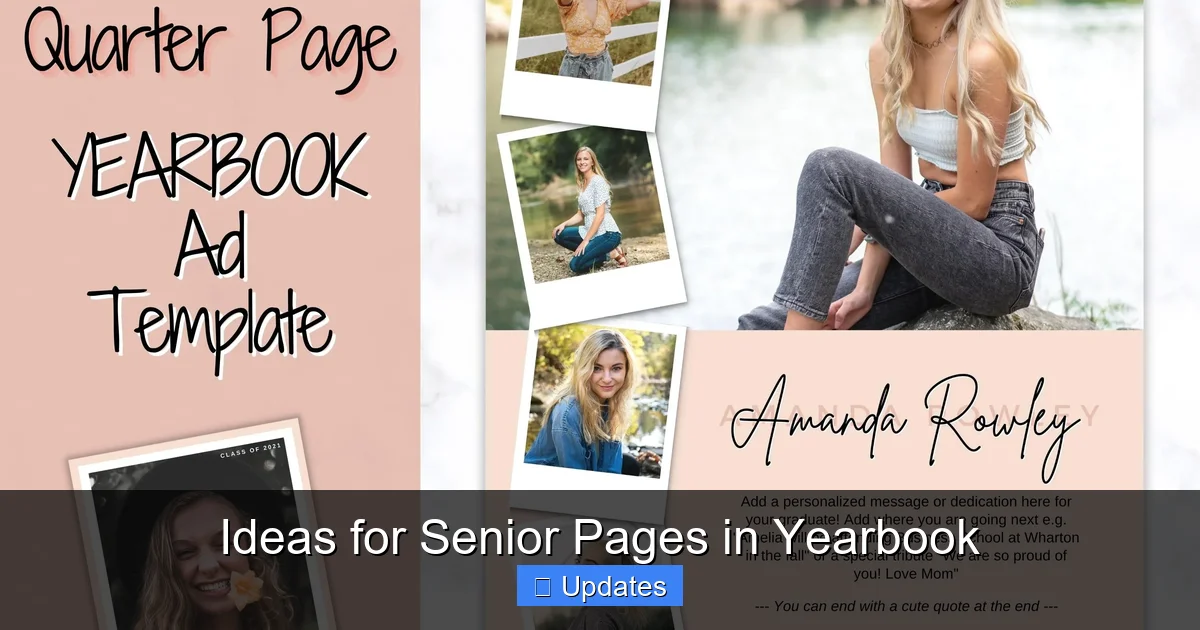
Visual guide about Ideas for Senior Pages in Yearbook
Image source: templatables.com
What Makes a Great Senior Page?
A strong senior page balances visual appeal with personal meaning. Think about including:
- At least 4–6 high-quality photos
- One or two meaningful quotes
- Academic honors or extracurricular involvement
- A brief bio or fun fact
- Creative use of space (white space matters!)
These elements together create a page that feels both polished and authentic.
Common Mistakes to Avoid
Many students rush their pages or rely too heavily on stock images. Others forget to proofread or miss the deadline. To avoid these pitfalls:
- Start gathering content early
- Work with a peer editor or teacher advisor
- Use templates but customize them
- Submit drafts ahead of time
Taking these steps ensures your page stands out—not because it was last-minute, but because it was intentional.
Ideas for Individual Senior Pages
If you’re designing a solo senior page, the goal is to show depth without clutter. Focus on storytelling through visuals and words. Here’s how to approach it:
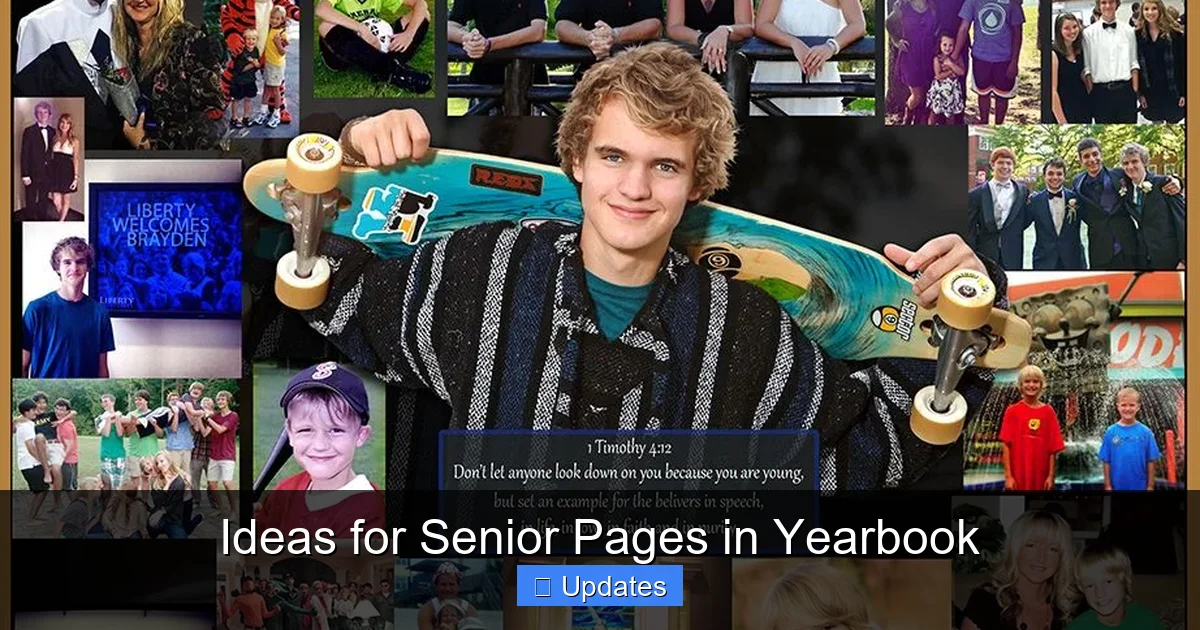
Visual guide about Ideas for Senior Pages in Yearbook
Image source: i.pinimg.com
Photo Selection Tips
Choose photos that tell different parts of your story:
- Classroom moments (e.g., science fair, debate team)
- Social events (dances, game nights)
- Personal interests (art studio, music practice, hiking)
- Future aspirations (college campus visit, scholarship award)
Mix posed and candid shots for variety. Avoid blurry or overexposed images—clarity is essential.
Layout Ideas That Pop
Try these layout styles:
- Grid layout: Four large photos in a square grid with text below
- Split screen: One side for academics, the other for hobbies
- Timeline format: Arrange photos chronologically from freshman to senior year
- Quote-driven design: Feature a powerful quote across the top with photos arranged around it
Each style offers flexibility depending on your content and preferences.
Adding Personality with Text
Include a short bio (50–75 words) that highlights:
- A defining trait or passion
- One challenge overcome
- A future dream or goal
Pair this with a favorite quote or lyric that resonates with your journey. Keep language conversational—your voice should shine through.
Group and Team Senior Pages
Not every student wants a solo spotlight. Clubs, sports teams, theater groups, and friend circles often create shared pages that celebrate collective achievements. These pages are especially popular because they build camaraderie and show school spirit.

Visual guide about Ideas for Senior Pages in Yearbook
Image source: i.pinimg.com
How to Coordinate a Group Page
Start by forming a planning committee. Assign roles:
- Photo collector
- Text writer
- Designer/layout manager
- Editor/reviewer
Meet regularly to share progress and resolve conflicts. Use cloud folders or shared drives to store images and drafts securely.
Popular Themes for Group Pages
Choose a theme that reflects your group’s identity:
- Retro throwback: Vintage filters, old-school fonts, classic poses
- Travel adventure: Map background, passport stamps, globe motifs
- Future vision: Rocket ships, graduation caps, skyline silhouettes
- Inside jokes: Cartoon captions, memes, humorous slogans
Themes help unify the page and make it more engaging.
Example: Varsity Soccer Team Page
A soccer team might include:
- Action shots from games and practices
- Team huddle photos
- Coach interviews or quotes
- Season stats and awards
- “Top 3 Moments” section with short descriptions
This approach blends achievement with personality.
Creative Themes to Inspire Your Design
Themed pages are among the most memorable. They allow students to express creativity while maintaining structure. Here are some fresh ideas to spark inspiration:
Nostalgic and Retro
Channel the 80s, 90s, or early 2000s with neon colors, cassette tapes, flip phones, and vintage clothing. Use retro fonts and add fun facts like “Back then, we thought dial-up was fast!” This theme works great for general senior pages or specific eras.
Travel and Adventure
Imagine your yearbook page as a world tour. Include landmarks, luggage tags, compasses, and travel quotes. Students can highlight dream destinations or actual trips taken during high school. Add a “Bucket List” section to engage readers.
Dreams and Future Goals
Focus on aspirations—college majors, career paths, life goals. Use imagery like rockets, books, graduation caps, or city skylines. Pair each student’s photo with a short statement like, “I want to cure cancer” or “Become a marine biologist.”
Humor and Inside Jokes
Laughter makes memories stick. Create a page filled with puns, memes, funny nicknames, and playful captions. For example, a photo of someone falling off a skateboard could say, “Still riding high… literally.” Just keep it lighthearted and inclusive.
Minimalist and Modern
For those who prefer simplicity, try clean lines, bold typography, and plenty of white space. Use one accent color and feature a few powerful photos with minimal text. This style feels sophisticated and timeless.
Practical Tips for Designing Your Senior Page
Even with great ideas, execution matters. Follow these tips to ensure your page looks professional and reads smoothly.
Use High-Quality Images
Blurry, pixelated, or low-resolution photos ruin an otherwise good page. Always use original or permission-based images. If printing digitally, aim for 300 DPI resolution.
Leverage Free Design Tools
You don’t need expensive software. Try Canva, Adobe Express, or Google Slides—all offer yearbook-friendly templates. Search “yearbook template” or “senior page design” for ready-to-use options.
Keep Fonts Simple
Avoid fancy script fonts for body text. Stick to sans-serif fonts like Arial, Helvetica, or Calibri. Use larger font sizes for headlines and smaller ones for captions.
Balance Visual Weight
Don’t cram too much onto one side. Distribute photos and text evenly. Use borders, boxes, or frames to organize sections without overwhelming the eye.
Ask for Feedback
Share your draft with a trusted friend, family member, or teacher. Fresh eyes catch mistakes you might miss. Ask questions like, “Does this feel like me?” or “Is anything confusing?”
Collaborating with Peers and Advisors
Designing alone can be limiting. Involving others brings new perspectives and reduces workload. Consider partnering with classmates or seeking guidance from a yearbook advisor.
Working in Pairs or Small Groups
Two minds are better than one when brainstorming. One person might focus on visuals while another writes text. Rotate responsibilities to stay engaged and motivated.
Involving Faculty or Staff
Teachers, coaches, or club sponsors can offer valuable input. They may also help verify facts, suggest photos, or provide quotes that add authenticity. Plus, their endorsement boosts credibility.
Respecting Deadlines
Yearbooks operate on strict timelines. Mark all key dates—photo submissions, layout approvals, final proofs—on your calendar. Set internal checkpoints to stay ahead of the curve.
Making Your Page Stand Out
In a sea of similar pages, yours needs to pop. Here’s how to elevate your design beyond the basics.
Add Interactive Elements
While physical yearbooks can’t include QR codes, you can plan digital extensions. For example, create a link to a photo album or video montage using a service like YouTube or Dropbox. Share this with classmates for added engagement.
Include Symbolic Graphics
Icons like stars, hearts, or lightning bolts can emphasize key points without words. Use them sparingly to draw attention to achievements or emotions.
Feature a Signature Moment
Highlight one unforgettable event: prom night, championship win, senior prank, or graduation rehearsal. Tell its story with photos and narrative. Readers love relatable, emotional content.
Use Color Strategically
Choose a palette that matches your theme or personality. Warm tones (reds, oranges) evoke energy; cool tones (blues, purples) suggest calm. Limit your palette to 2–3 main colors plus neutrals.
Conclusion: Celebrate Your Journey
Your senior yearbook page isn’t just a piece of paper—it’s a testament to four years of growth, friendships, and dreams. By investing time in thoughtful design and meaningful content, you honor not only yourself but also the entire graduating class. Whether you go solo or team up with friends, the best pages come from authenticity and care.
So take those photos, write that bio, pick your theme, and let your creativity shine. Years from now, when someone flips open that yearbook and sees your name, they’ll smile—not just at the image, but at the story behind it. And that’s exactly what ideas for senior pages in yearbook are all about: preserving moments that matter.
Frequently Asked Questions
What should I include on my senior yearbook page?
Include 4–6 photos, a short bio, academic or extracurricular highlights, and a meaningful quote. Keep text concise and focus on what makes you unique. Avoid clutter by balancing visuals and words.
Can I use digital tools to design my yearbook page?
Yes! Tools like Canva, Adobe Express, and Google Slides offer free, user-friendly templates perfect for yearbook layouts. They let you drag-and-drop images, adjust fonts, and export high-quality files.
How early should I start working on my senior page?
Start at least 4–6 weeks before the submission deadline. This gives you time to gather photos, write content, get feedback, and revise. Procrastination often leads to rushed, lower-quality pages.
Should I do a solo page or join a group page?
It depends on your preference. Solo pages allow deep personalization, while group pages celebrate shared experiences. Talk to your friends or club leaders to decide what feels right.
Are there budget-friendly ways to make my page special?
Absolutely. Use free design apps, print photos at home, and repurpose materials like ticket stubs or concert programs as decorative accents. Creativity matters more than cost.
How do I choose a theme for my senior page?
Pick something that reflects your personality or interests—retro, travel, future goals, or humor work well. Ask yourself: “What would make this page fun and true to me?” Then match colors, fonts, and images to that idea.