
How to Treat a Constipated Senior Cat Home Remedies


Apple AirTag (2nd Generation) - 4 Pack
Folding Lightweight Walking Stick - Adjustable Aluminum Travel Cane

Kindle Paperwhite 16GB (2024)
Constipation in senior cats is common but treatable with gentle home care. This guide walks you through recognizing symptoms, understanding underlying causes, and using safe, proven home remedies to help your cat pass stool comfortably. With proper hydration, diet adjustments, and natural laxatives, you can support your aging pet’s digestive health without harsh medications. Always monitor closely and consult your vet if symptoms persist.
As our beloved feline companions grow older, their bodies go through many changes—just like ours. One common concern among senior cat owners is constipation. It’s not just uncomfortable; it can lead to bigger health problems if ignored. The good news? Many cases of constipation in senior cats can be managed effectively at home with simple, natural approaches.
But before we dive into remedies, let’s talk about what actually happens when your kitty gets backed up. Constipation occurs when your cat hasn’t had a bowel movement in more than 48 hours, and the stool becomes hard, dry, and difficult to pass. Unlike humans, cats don’t always show obvious signs right away. They’re masters at hiding discomfort, so it’s important to stay alert.
In this article, we’ll explore how to recognize constipation in senior cats, understand why it happens, and walk through safe, effective home remedies that can bring relief. Whether you’ve noticed your cat hasn’t pooped in two days or you want to prevent future issues, these tips will help keep your furry friend happy and healthy.
Key Takeaways
- Early detection matters: Constipation in senior cats often starts subtly—watch for straining, reduced litter box use, or lethargy.
- Hydration is key: Dehydrated cats are more prone to constipation; encourage water intake with fresh bowls, fountains, or wet food.
- Diet adjustments help: Increasing fiber and moisture in meals can soften stools and promote regular bowel movements.
- Natural laxatives work gently: Products like psyllium husk or canned pumpkin (plain, not spiced) can ease digestion safely.
- Monitor behavior changes: Sudden weight loss, vomiting, or abdominal pain may signal a serious issue needing veterinary attention.
- Prevention is better than cure: Regular vet checkups and routine care reduce long-term risks of chronic constipation.
📑 Table of Contents
Understanding Constipation in Senior Cats
Cats typically have one to two bowel movements per day. When they go less frequently—especially beyond 48 hours—it’s time to pay attention. For senior cats (those aged seven years and older), constipation is especially common due to slower metabolism, muscle weakness, and possible underlying medical conditions.
Why Senior Cats Get Constipated
Several factors contribute to constipation in older felines. First, aging affects the nervous system and muscles involved in digestion. The colon may lose tone, making it harder to move waste along. Second, senior cats often drink less water, leading to dehydration and harder stools. Third, arthritis or mobility issues might make them avoid the litter box, causing them to hold it in.
Medical causes can include kidney disease, diabetes, hyperthyroidism, spinal problems, or even side effects from medications like painkillers or antidepressants. In some cases, hairballs become impacted and block the intestines—this is called a fecal impaction and requires urgent care.
Signs to Watch For
Your cat might be constipated if you notice:
– Straining or crying while trying to defecate
– Passing small, hard pellets or nothing at all
– Excessive licking of the anal area
– A swollen or painful belly
– Loss of appetite or vomiting
– Lethargy or unusual hiding
If your senior cat shows any of these signs, start monitoring closely. Early intervention prevents complications like megacolon—a condition where the colon loses function permanently.
Safe Home Remedies for Constipated Senior Cats
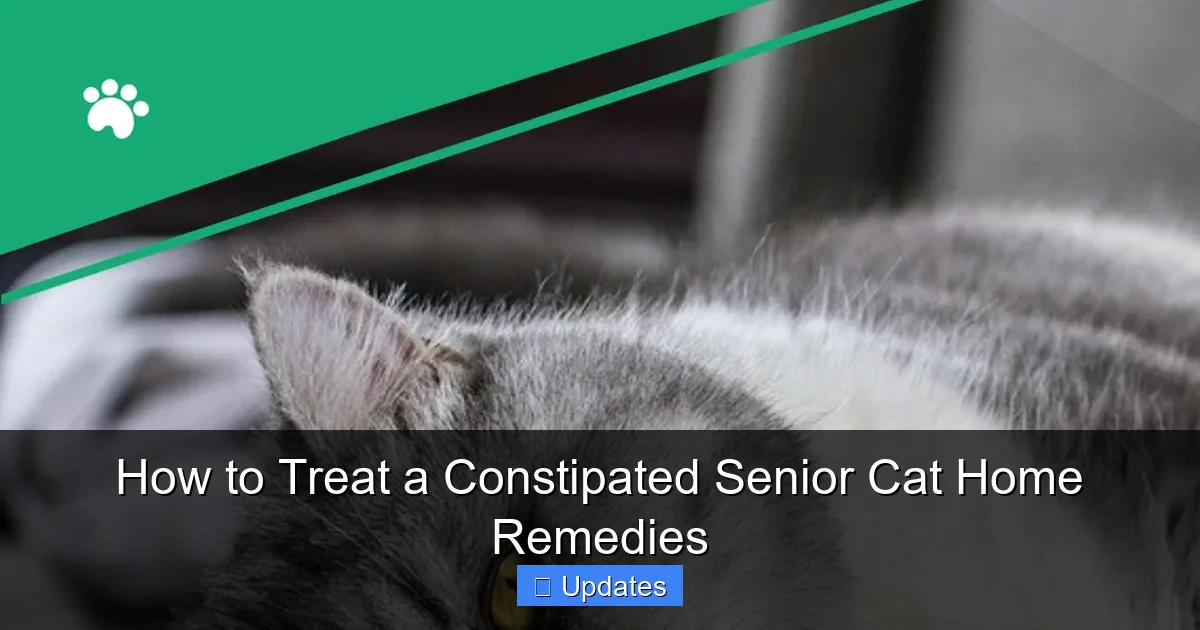
Visual guide about How to Treat a Constipated Senior Cat Home Remedies
Image source: i.pinimg.com
The goal of treating constipation at home is to soften the stool, relax the muscles, and encourage natural elimination—without forcing anything inside your cat’s body. Always choose gentle methods first, especially since older cats have sensitive systems.
Increase Water Intake
Dehydration is a major contributor to constipation. Try these tricks to boost fluids:
– Place multiple clean water bowls around the house.
– Use a pet water fountain—many cats prefer running water.
– Add a splash of low-sodium chicken broth (no onions or garlic) to their water bowl once daily.
– Switch to high-moisture foods like wet or canned cat food. Look for brands with real meat as the first ingredient and minimal fillers.
One owner shared how switching her 12-year-old tabby to pâté-style food doubled his water consumption overnight. “He used to barely touch his bowl,” she said, “but now he drinks constantly.”
Fiber-Rich Diet Adjustments
Fiber helps bulk up stool and stimulate bowel movements. Introduce slowly over 5–7 days to avoid gas or bloating.
Consider adding:
– Plain, unsweetened canned pumpkin (not pie filling): Start with ½ teaspoon mixed into meals twice daily.
– Psyllium husk powder: Mix ¼ teaspoon into wet food. This natural fiber absorbs water and softens stool.
– High-fiber senior cat food: Brands like Hill’s Science Diet Adult 7+ or Royal Canin Gastrointestinal Fiber Response contain balanced fibers tailored for older cats.
Avoid giving human foods like bran cereal unless approved by your vet—some grains can worsen digestive upset.
Laxatives and Enemas (Use Only Under Vet Guidance)
While most laxatives aren’t meant for cats, there are exceptions. Never use human products like milk of magnesia or enemas without professional advice. However, glycerin suppositories (often used for rectal stimulation) are sometimes recommended for short-term relief.
If your vet approves, you might try:
– Small amounts of mineral oil given orally via syringe (only as directed).
– Lactulose syrup—a prescription medication that draws water into the colon.
Again, never self-medicate. What works for one cat could harm another, especially seniors with liver or heart conditions.
Warm Compresses and Gentle Massage
Heat therapy relaxes abdominal muscles and improves blood flow. Soak a washcloth in warm (not hot) water, wring it out, and gently place it on your cat’s lower belly for 3–5 minutes, twice daily. Combine this with light circular massage toward the tail—never force it.
Many owners report success with this combo. “My 14-year-old Persian hadn’t gone in three days,” said Lisa R., “but after warm compresses and belly rubs every morning, he started going again within 24 hours.”
Encourage Movement
Mobility issues are common in senior cats. If arthritis limits activity, create a cozy, accessible space near the litter box. Use non-slip rugs, ramps, or even a cardboard ramp to help them reach high surfaces. Play soft music or use pheromone diffusers like Feliway to reduce stress, which can affect digestion.
Light play sessions with feather toys or laser pointers also get joints moving and stimulate appetite.
When to See a Veterinarian
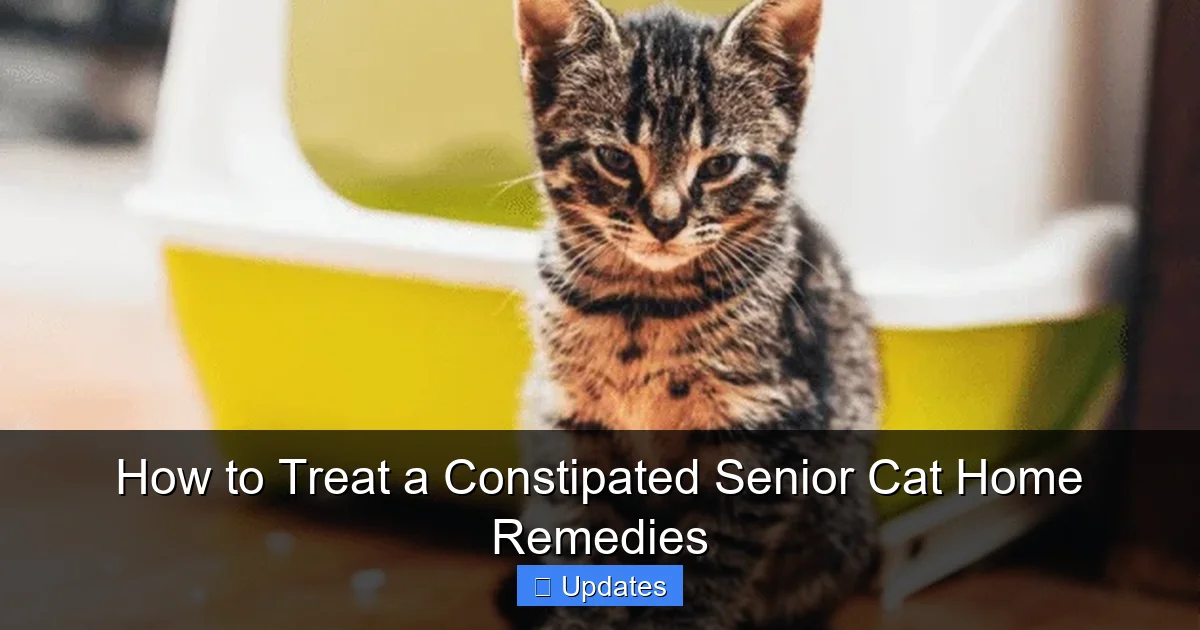
Visual guide about How to Treat a Constipated Senior Cat Home Remedies
Image source: wagbrag.com
Home remedies work wonders… until they don’t. Know the red flags that mean it’s time for professional help:
– No bowel movement after 48 hours of home treatment
– Blood in stool or vomit
– Repeated vomiting
– Abdominal swelling or tenderness
– Hunched posture or vocalizing during movement
– Complete lack of interest in food or water
These symptoms suggest possible impaction, obstruction, or a serious illness like kidney failure. Delaying care can lead to life-threatening complications.
Even if your cat seems fine, schedule a wellness exam annually. Senior cats should see the vet every 6 months. Routine bloodwork, urinalysis, and palpation can catch early signs of disease before they cause obvious symptoms.
During visits, ask about dietary options, hydration strategies, and whether supplements might help. Your vet may recommend prescription diets, probiotics, or fluid therapy.
Preventing Future Constipation

Visual guide about How to Treat a Constipated Senior Cat Home Remedies
Image source: cattips.net
Once your cat passes the crisis, focus on prevention. Think of it like dental care—regular maintenance avoids big problems later.
Maintain Consistent Routine
Cats thrive on predictability. Feed meals at the same times each day, keep water available 24/7, and scoop the litter box daily (or more). A clean, quiet spot for elimination reduces stress-related holding.
Pumpkin Power (Yes, Really!)
Keep a small container of plain pumpkin in your fridge. A spoonful mixed into dinner goes a long way. Bonus: it’s rich in vitamins A, C, and E—great for skin and coat too!
Monitor Weight and Activity
Sudden weight loss or gain can signal digestive issues. Weigh your cat monthly using a kitchen scale. Also, note any reluctance to jump onto furniture or use the stairs—early mobility changes are clues.
Consider Probiotics
Just like people, cats benefit from healthy gut bacteria. Ask your vet about feline-specific probiotics containing strains like Enterococcus faecium. These support digestion and immune function.
Lifestyle Tips for Senior Cat Comfort
Beyond diet and medicine, everyday comfort supports overall well-being—and smoother digestion.
Create a Stress-Free Environment
Stress slows digestion. Provide vertical spaces (cat trees), hiding spots, and windowsills for bird-watching. Rotate toys weekly to keep mental stimulation high.
Regular Vet Visits Are Non-Negotiable
Don’t wait for symptoms to appear. Early detection saves lives and money. As one vet put it, “Senior cats are like vintage cars—they need tune-ups regularly to run smoothly.”
Know Your Cat’s Normal
Track bathroom habits, eating patterns, and energy levels. Keep a simple log: “Tuesday—two normal stools, ate 90% of meal, played for 10 mins.” That baseline helps you spot deviations faster.
Be Patient and Observant
Recovery takes time. Celebrate small wins—like a single soft stool—and stay calm. Your confidence reassures your cat.
Remember, you’re not alone. Millions of cat lovers navigate similar challenges. Sharing stories in online forums or with friends builds support networks that make caregiving easier.
Conclusion: Caring for Your Senior Cat with Compassion
Constipation in senior cats doesn’t have to be scary—if you act quickly and thoughtfully. With hydration, gentle fiber, warm compresses, and loving encouragement, many felines return to normal within days. But always trust your instincts: if something feels wrong, contact your vet immediately.
This journey isn’t just about fixing a symptom—it’s about honoring the bond you share. Every extra lap, every purr, every slow blink is part of a lifetime of love. By staying informed and proactive, you give your senior cat the dignity and comfort they deserve.
And when you do need expert help, remember that vets specialize in these exact situations. They’ve seen it all—and they’re here to support you both.
Take care, stay curious, and cherish every moment with your furry friend.
Frequently Asked Questions
How do I know if my senior cat is constipated?
Look for signs like straining without passing stool, fewer than one bowel movement every 48 hours, hard or dry feces, excessive grooming of the anal area, or a swollen abdomen. Lethargy and loss of appetite can also indicate discomfort. If your cat hasn’t gone in two days, it’s time to take action.
Can I give my senior cat human laxatives?
No, never administer human medications like milk of magnesia, enemas, or over-the-counter laxatives without veterinary approval. Many are toxic to cats or cause severe side effects. Always consult your vet before introducing any new substance, especially in older cats with sensitive systems.
Is canned pumpkin safe for constipated cats?
Yes, plain, cooked pumpkin (not pumpkin pie filling) is safe and beneficial. It’s rich in soluble fiber, which softens stool and promotes regularity. Start with ½ teaspoon mixed into meals twice daily and increase gradually if needed. Avoid flavored or spiced varieties.
How much water should a senior cat drink?
There’s no fixed amount, but ideally, your cat should consume enough to stay hydrated. Aim for fresh water available 24/7, use a pet fountain, and consider wet food, which contains 70–80% moisture. Monitor urine output—clear or pale yellow urine indicates good hydration.
What causes constipation in senior cats besides age?
Other causes include dehydration, poor diet, lack of exercise, pain from arthritis, neurological disorders, kidney disease, diabetes, certain medications, and fecal impactions (blockages caused by dried stool or hairballs). Chronic conditions like hyperthyroidism can also affect digestion.
Should I change my senior cat’s diet to prevent constipation?
Absolutely. Switching to high-moisture wet food, increasing fiber with pumpkin or psyllium husk, and ensuring balanced nutrition supports healthy digestion. Choose senior-formulated diets with digestible proteins and added nutrients. Consult your vet before making major changes.