
How Much Should I Feed My Senior Dog


REHAND Walking Cane - Foldable, Adjustable, Collapsible

Drive Medical Premium Shower Chair with Back and Padded Arms

Goodbaby No-Touch Forehead Thermometer for Adults and Kids
As your dog enters their senior years, their nutritional needs change significantly. You’ll need to adjust portions, choose high-quality food, and monitor weight closely. Avoid overfeeding—it can lead to joint pain, diabetes, or mobility issues. With proper planning and regular vet checkups, you can support your aging dog’s health and vitality.
Your senior dog has been by your side through thick and thin—through puppyhood, adolescence, and now into their golden years. As they age, their bodies undergo many changes. Their metabolism slows, their joints may ache, and their energy levels dip. Just like humans, senior dogs need special care—especially when it comes to what they eat and how much. Figuring out how much should I feed my senior dog isn’t always straightforward. There’s no one-size-fits-all answer, but with the right knowledge and attention, you can keep your aging companion healthy, active, and comfortable.
In this guide, we’ll walk you through everything you need to know about feeding your senior dog. From understanding portion sizes to choosing the best diet, we’ve got practical tips that real pet parents use every day. Whether your dog is starting to slow down or already showing signs of age-related changes, this article will help you make smart decisions—so your dog can enjoy their twilight years to the fullest.
Key Takeaways
- Senior dogs require fewer calories but more nutrients: Their metabolism slows, so they need less food but higher levels of vitamins, minerals, and fiber to stay healthy.
- Portion size depends on weight and activity level: A 10-pound senior dog needs far less than a 90-pound one, even if both are the same age.
- Monitor weight monthly: Even small changes can signal health issues like arthritis or organ problems.
- Switch to senior-formulated food around age 7: These diets are designed to support joint health, digestion, and kidney function.
- Limit treats and table scraps: They contribute unnecessary calories and may cause digestive upset or obesity.
- Consult your vet for personalized advice: Conditions like diabetes or hypothyroidism affect how much your dog should eat.
- Hydration is just as important: Older dogs are prone to dehydration—always provide fresh water and consider wet food for extra moisture.
📑 Table of Contents
- Why Feeding Amounts Change in Senior Dogs
- How to Determine the Right Portion Size
- Choosing the Best Food for Senior Dogs
- Monitoring Weight and Body Condition
- Common Feeding Mistakes to Avoid
- Special Considerations for Underweight or Overweight Seniors
- When to See the Vet About Feeding Issues
- Homemade vs. Commercial Diets: What Works Best?
- Conclusion: Love Through Nutrition
- FAQs
Why Feeding Amounts Change in Senior Dogs
Just like people, dogs experience significant physiological shifts as they get older. Around age 7 (for medium to large breeds) and 10 (for smaller breeds), dogs are generally considered seniors. At this stage, several factors influence how much food your dog needs:
– Metabolism slows down: Your dog burns fewer calories at rest. This means the same amount of food that kept them trim in their prime might now lead to weight gain.
– Muscle mass decreases: Sarcopenia—age-related muscle loss—reduces daily energy needs.
– Liver and kidney function decline: These organs process nutrients and toxins. Overloading them with too much protein or sodium can be harmful.
– Activity level drops: Many senior dogs sleep more, play less, and move slower. Less movement = fewer calories burned.
For example, imagine two 8-year-old Labrador Retrievers: one weighs 65 pounds and still goes on long walks daily, while the other weighs 85 pounds but mostly lounges on the couch. The heavier, less-active dog likely needs significantly fewer calories—even though they’re the same age and breed.
Understanding these changes helps explain why simply feeding your dog the same amount they ate at age 3 or 4 can backfire. Overfeeding leads to obesity, which worsens joint pain, increases risk of diabetes, and puts extra strain on vital organs.
How to Determine the Right Portion Size
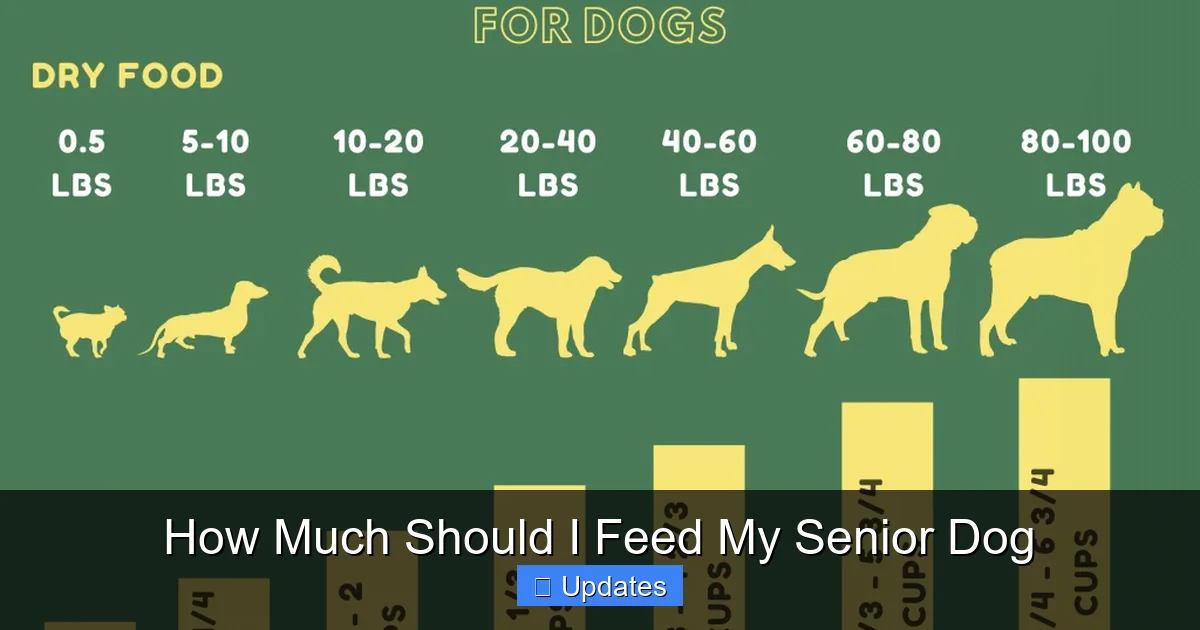
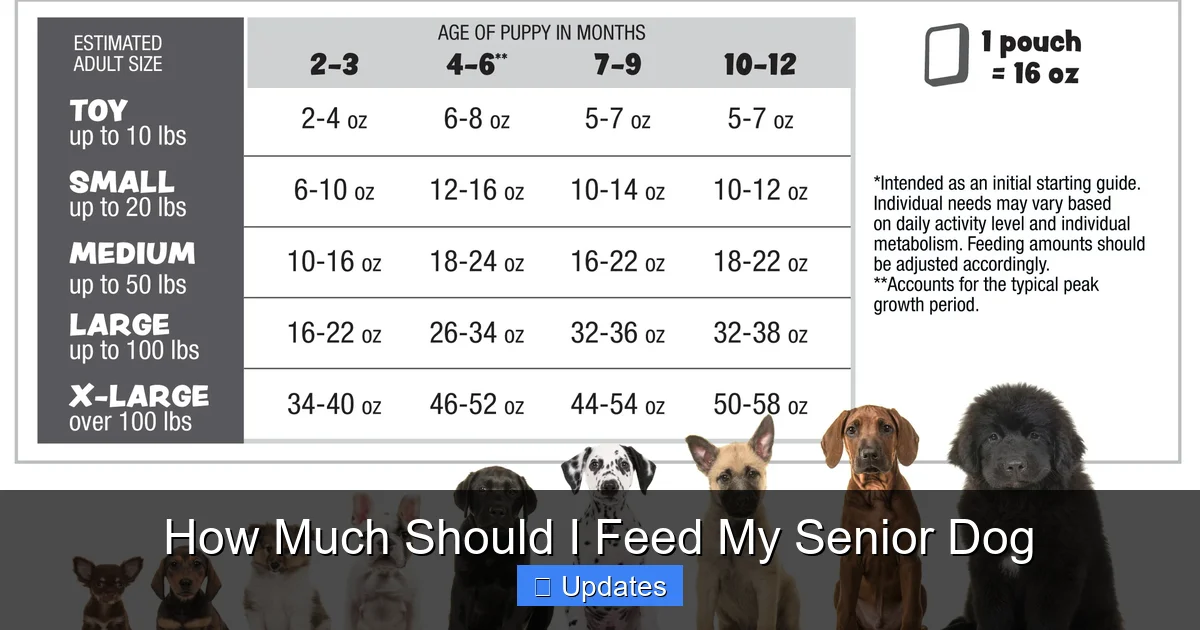
Figuring out how much should I feed my senior dog starts with knowing your dog’s current stats—weight, height, and activity level. Most commercial dog foods come with feeding guidelines on the label, but those are general estimates. You’ll want to customize based on your dog’s unique needs.
Start by weighing your dog on a pet scale or at your vet’s office. If you don’t have access to a scale, compare their weight to photos from earlier years or ask your groomer. Even small discrepancies matter—a 5-pound difference can mean a big shift in calorie needs.
Next, assess their activity level:
– Low activity: Mostly indoors, short potty breaks, minimal play.
– Moderate activity: Daily walks, light training, occasional fetch.
– High activity: Still enjoys hikes, agility, or vigorous games.
Use the following rough guide as a starting point (adjust based on your dog’s response):
| Weight | Low Activity | Moderate Activity |
|——–|————–|——————|
| 10 lbs | ¾ cup/day | 1–1¼ cups/day |
| 25 lbs | 1½ cups/day | 2–2¼ cups/day |
| 50 lbs | 2½ cups/day | 3–3½ cups/day |
| 75 lbs | 3½ cups/day | 4–4½ cups/day |
Remember: These are just estimates. Always observe your dog. Are they gaining weight? Losing it? Look tired after meals? Adjust accordingly.
Divide Meals Into Smaller Portions
Instead of one or two large meals, split your dog’s daily food into three or four smaller portions. This supports better digestion and prevents bloating—common issues in older dogs. It also helps regulate blood sugar, which is important if your dog has early signs of diabetes.
Try feeding breakfast and dinner at consistent times each day, with light snacks (like a few pieces of green beans) mid-morning and afternoon if needed.
Choosing the Best Food for Senior Dogs
Not all dog foods are created equal—especially when it comes to senior formulas. Look for products specifically labeled “senior” or “mature.” These contain:
– Lower fat and moderate protein: Supports heart health and reduces strain on kidneys.
– Added glucosamine and chondroitin: Helps maintain joint flexibility and reduce arthritis discomfort.
– Omega-3 fatty acids: Reduces inflammation and supports skin, coat, and brain function.
– Easily digestible ingredients: Gentle on aging digestive systems.
– Controlled sodium levels: Protects against high blood pressure and fluid retention.
Avoid foods with fillers like corn, soy, or wheat if your dog has sensitivities. Instead, opt for limited-ingredient diets or grain-free options (unless recommended by your vet).
If you’re unsure which brand to pick, ask your veterinarian for recommendations. Some great options include Hill’s Science Diet Senior, Royal Canin Senior, and Purina Pro Plan Senior.
Consider Wet vs. Dry Food
Wet food often contains more moisture, which helps keep senior dogs hydrated—a crucial benefit since older dogs are prone to dehydration and urinary tract issues. It’s also easier to chew for dogs with dental problems.
Dry kibble, on the other hand, supports dental health by helping scrape plaque off teeth during chewing. Plus, it’s convenient and cost-effective.
Many owners combine both: half dry, half wet. This gives the benefits of both worlds. For instance, mix a cup of dry kibble with ½ cup of wet food per meal.
Monitoring Weight and Body Condition
One of the most effective ways to ensure you’re feeding the right amount is by regularly checking your dog’s body condition score (BCS). Think of it like feeling for ribs without pressing too hard.
Here’s how to assess it:
– Run your hands along your dog’s sides.
– You should feel their ribs easily, but not see them protruding.
– Their waist should be visible when viewed from above.
– Their abdomen should tuck up slightly behind the ribcage.
If you can’t feel the ribs at all, they’re probably overweight. If the ribs are obvious even without touching, they might be underweight.
Weigh your dog once a month using a kitchen scale or ask your vet to weigh them during checkups. Track progress on paper or in a pet app. A gradual weight loss or gain is normal, but sudden changes warrant a vet visit.
For reference, here’s a simple weekly checklist:
– [ ] Weighed this week?
– [ ] Observed appetite changes?
– [ ] Noticed lethargy or stiffness?
– [ ] Checked for excessive panting or drinking?
These small habits make a big difference in catching health issues early.
Common Feeding Mistakes to Avoid
Even well-meaning owners sometimes fall into traps when feeding senior dogs. Here are some common pitfalls:
– Overfeeding “just because”: Many think older dogs need more love—and more food. But excess calories lead to obesity and worsen arthritis.
– Ignoring dental health: Painful gums or missing teeth make eating uncomfortable. Switch to soft food or use dental chews.
– Feeding human food: Table scraps like bacon, fries, or chocolate can be toxic or cause pancreatitis.
– Skipping meals without guidance: While reducing intake is good, abrupt changes confuse sensitive stomachs.
– Not adjusting for medical conditions: Diabetes, hypothyroidism, or Cushing’s disease alter appetite and metabolism.
Always consult your vet before making major dietary shifts, especially if your dog has existing health problems.
Practical Example: Adjusting for an Arthritic Dog
Meet Max, a 9-year-old Golden Retriever who started limping and losing interest in his usual 2-cup daily kibble. After a vet visit, he was diagnosed with early-stage hip dysplasia and mild kidney concerns.
His owner reduced his dry food to 1.5 cups per day and added ½ cup of senior-specific wet food twice daily. She also introduced omega-3 supplements and switched to orthopedic bedding. Within six weeks, Max gained back muscle tone, stopped losing weight, and seemed more energetic.
This case shows how tailored nutrition—paired with lifestyle tweaks—can dramatically improve quality of life.
Special Considerations for Underweight or Overweight Seniors
Some senior dogs struggle with weight extremes. If your dog is underweight despite eating normally, investigate further. Possible causes include:
– Dental pain
– Hyperthyroidism or other metabolic disorders
– Parasites
– Cancer
Work with your vet to rule out serious issues before increasing calories. When boosting intake, choose nutrient-dense foods like boiled chicken with rice or commercial weight-gain formulas.
Conversely, if your dog is overweight, create a calorie deficit gradually—never starve them. Reduce portions by 10–15%, increase exercise gently, and switch to lower-calorie, high-fiber senior food.
For instance, if your dog eats 2 cups of standard kibble (350 kcal/cup), cut to 1.7 cups and add steamed carrots (low-calorie bulk). Monitor for sluggishness or digestive upset.
When to See the Vet About Feeding Issues
You know your dog best. If you notice any of these red flags, schedule a vet appointment immediately:
– Drastic weight loss or gain within weeks
– Loss of appetite lasting more than 24 hours
– Excessive thirst or urination
– Persistent vomiting or diarrhea
– Lethargy or weakness
These could indicate underlying diseases like kidney failure, diabetes, or gastrointestinal blockages. Early detection saves lives—and money on costly treatments later.
Also, bring your dog in annually for senior wellness exams. Vets can recommend blood tests, thyroid checks, and customized nutrition plans based on lab results.
Homemade vs. Commercial Diets: What Works Best?
Some owners prefer preparing meals at home for full control over ingredients. Homemade dog food for senior dog recipes can include lean meats, sweet potatoes, green beans, and fish oil for omega-3s. However, balancing homemade meals requires research or consultation with a veterinary nutritionist—underfeeding or overfeeding certain nutrients can cause deficiencies.
Commercial senior foods are formulated by experts and meet AAFCO standards. They offer consistency, convenience, and balanced nutrition without guesswork.
If you do try homemade meals, rotate proteins to avoid allergens, and never skip supplements unless advised otherwise. And always introduce new foods slowly to avoid upsetting your dog’s stomach.
Sample Senior Meal Plan (Per Day)
– Breakfast: 1 cup senior kibble + ¼ cup pumpkin puree
– Lunch: None (or 2–3 pieces of green beans as treat)
– Dinner: 1 cup kibble + ½ cup senior wet food + 1 tsp fish oil
Total: ~500–600 kcal (adjust based on breed/activity)
Conclusion: Love Through Nutrition
So, how much should I feed my senior dog? The answer lies in observation, adjustment, and partnership with your veterinarian. Every dog ages differently—some remain spry and hungry well into their teens, while others slow down quickly. By focusing on quality nutrition, appropriate portions, and regular monitoring, you’re giving your dog the gift of comfort and longevity.
Remember: feeding isn’t just about filling a bowl. It’s about nourishing your bond. Celebrate small victories—a playful romp after dinner, a wagging tail at mealtime, or simply enjoying each other’s company without aches and pains.
With patience and care, your senior dog can thrive. And when they look up at you with trusting eyes, you’ll know every thoughtful choice you made along the way paid off.
—
FAQs
How much should I feed my senior dog if they’re overweight?
Reduce their daily calories by 10–15% and switch to a low-fat, high-fiber senior formula. Increase gentle exercise and monitor weight weekly. Always consult your vet before making drastic changes.
Visual guide about How Much Should I Feed My Senior Dog
Image source: barkformore.com
Visual guide about How Much Should I Feed My Senior Dog
Image source: cdn.shopify.com

Visual guide about How Much Should I Feed My Senior Dog
Image source: wholesomespetfood.com
Can I feed my senior dog the same amount as a younger dog?
No. Senior dogs burn fewer calories due to slower metabolism and reduced activity. Feeding them the same amount as a puppy or adult dog often leads to obesity and related health problems.
What if my senior dog refuses to eat?
Loss of appetite can signal illness, dental pain, or stress. Offer warm water or broth to entice them, serve small amounts frequently, and contact your vet if refusal lasts more than 24 hours.
Should I free-feed my senior dog?
Free-feeding (leaving food out all day) isn’t recommended for seniors, especially if they’re inactive. It makes it harder to track intake and can lead to overeating. Stick to scheduled meals instead.
Is wet food better for senior dogs?
Yes, especially if your dog struggles with hydration or chewing. Wet food provides essential moisture, supports kidney health, and can be easier on sore gums. Mix it with dry kibble for balance.
How often should I adjust feeding amounts?
Check your dog’s weight and body condition monthly. Adjust portions only if there’s noticeable weight gain/loss. Sudden changes should prompt a vet visit to rule out medical issues.
Frequently Asked Questions
What is how much should i feed my senior dog?
how much should i feed my senior dog is an important topic with many practical applications.