
Fall Festival Games for Senior Citizens


RMS 32 Inch Reacher Grabber, 2 Pack
RMS Deluxe Sock Aid with Foam Handles

Bed Rails for Elderly Adults Safety, 380 LBS
Fall festivals offer a joyful way to bring seniors together, combining seasonal fun with meaningful interaction. From classic lawn games to creative indoor activities, these fall festival games for senior citizens promote health, memory, and laughter. Whether you’re organizing a community event or planning a family reunion, there’s something special for every age and ability level.
Key Takeaways
- Fall festivals are ideal for seniors: They provide low-impact, socially engaging activities that celebrate the season while supporting cognitive and emotional well-being.
- Games improve mental agility: Trivia, word puzzles, and memory challenges help keep minds sharp and spark nostalgic conversations.
- Physical activity matters: Gentle movement games like bean bag toss or ring toss support mobility without strain.
- Social connection is key: Group participation reduces loneliness and builds community among older adults.
- Accessibility ensures inclusivity: Choose games that accommodate mobility issues, vision changes, or hearing difficulties.
- Seasonal themes add charm: Pumpkins, apples, and harvest motifs make activities feel festive and meaningful.
- Family involvement strengthens bonds: Involving grandchildren or caregivers creates intergenerational joy.
📑 Table of Contents
- Why Fall Festival Games Matter for Senior Citizens
- Benefits of Fall Festival Games for Seniors
- Top Outdoor Fall Festival Games for Seniors
- Indoor Fall Games That Bring Joy
- Adapting Games for Diverse Abilities
- How to Host a Successful Fall Festival for Seniors
- Intergenerational Fun: Including Younger Family Members
- Conclusion: Every Senior Deserves Autumn Joy
Why Fall Festival Games Matter for Senior Citizens
The autumn season brings crisp air, colorful leaves, and a sense of warmth—perfect ingredients for joyful gatherings. For senior citizens, fall festivals aren’t just about the weather; they’re about connection, purpose, and fun. These events offer more than entertainment—they provide opportunities to stay active, engage the mind, and strengthen relationships. In a time when many seniors face isolation or reduced mobility, inclusive games can be transformative.
When we talk about fall festival games for senior citizens, we’re not just referring to pumpkin carving or apple bobbing (though those are great too!). We mean thoughtfully designed activities that respect physical limits while celebrating life experience. Whether played outdoors under golden maples or indoors in a community center, these games foster laughter, conversation, and a renewed sense of belonging. Plus, they align beautifully with the cozy, reflective spirit of fall.
In this article, we’ll explore the best types of games, how to adapt them for different abilities, and why choosing the right activities can turn any autumn gathering into a memorable celebration. Let’s dive in!
Benefits of Fall Festival Games for Seniors
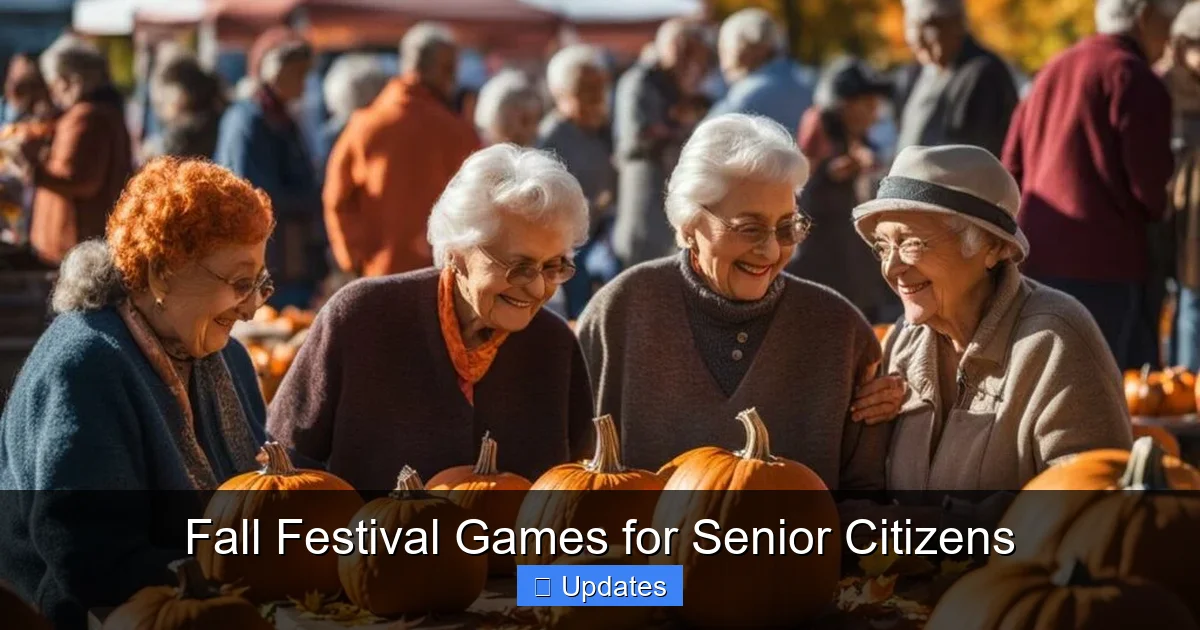
Participating in fall festival games offers far more than amusement—it delivers real-life benefits that enhance quality of life. Research shows that regular engagement in recreational activities helps delay cognitive decline, supports cardiovascular health, and improves mood. Here’s how these games specifically help seniors:
Visual guide about Fall Festival Games for Senior Citizens
Image source: greatsenioryears.com
Cognitive Stimulation
Mental sharpness doesn’t come automatically with age—it needs nurturing. Games like trivia, crossword puzzles, or bingo challenge memory and reasoning skills. A 2020 study published in The Journals of Gerontology found that seniors who regularly participated in group games experienced slower rates of cognitive aging compared to their less-active peers.
For example, a “Harvest Trivia” round could ask questions like: “What crop was first grown in the Americas?” or “Name three states known for apple orchards.” These topics tap into both general knowledge and regional pride, making them especially meaningful.
Physical Wellness Through Light Activity
Many fall games encourage gentle movement—walking to retrieve items, reaching for targets, or tossing lightweight objects. This kind of exercise improves balance, coordination, and circulation without risking injury. Even seated versions of games like bean bag toss or ring toss keep arms and hands engaged.
Consider setting up an outdoor course with stations: one for stepping over small stumps, another for picking up acorns with tongs, and a third for tossing corn kernels into cups. Each station takes just minutes but adds up to a full-body stretch.
Emotional and Social Uplift
Laughter is medicine, and shared laughter is even better. Group games create natural conversation starters—think about old movies from the 1950s, favorite childhood foods, or stories about farming ancestors. These exchanges build empathy and reduce feelings of loneliness.
One senior center in Oregon reported a 40% drop in reported depression symptoms after introducing weekly fall game nights. The key? Everyone had a role, no one felt left out, and success wasn’t measured by winning—but by participation.
Top Outdoor Fall Festival Games for Seniors
If your event has space and nice weather, outdoor games open up endless possibilities. Just remember to account for uneven ground, sun exposure, and accessibility. Use wide pathways, provide shaded rest areas, and ensure all stations are wheelchair-friendly whenever possible.
Visual guide about Fall Festival Games for Senior Citizens
Image source: i.pinimg.com
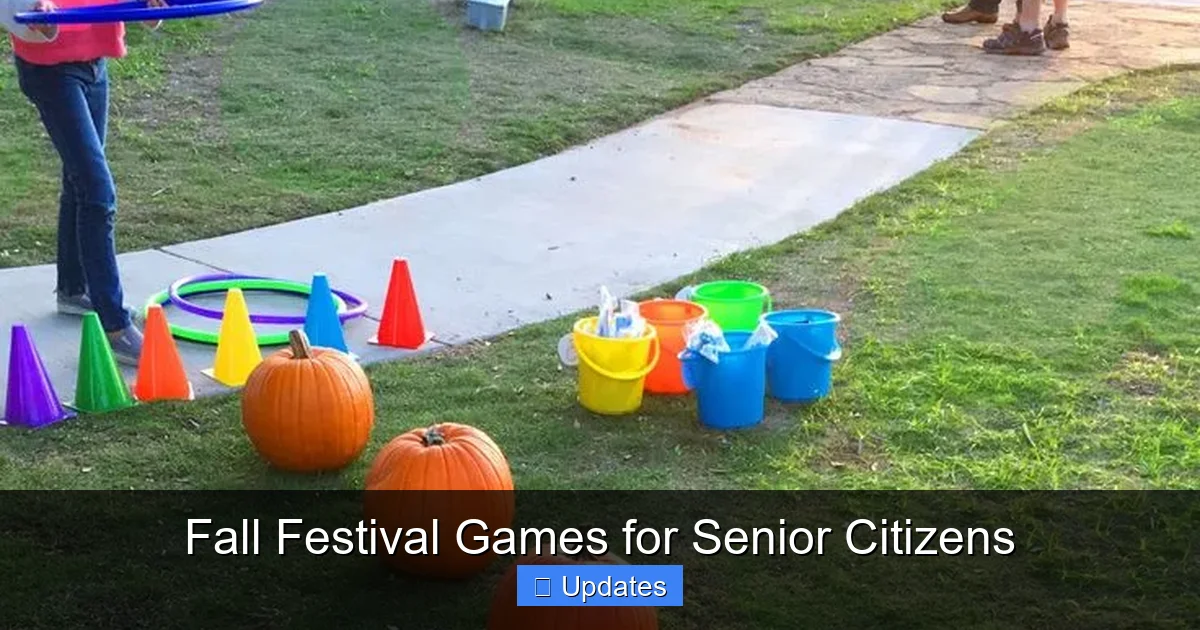
Pumpkin Bowling
Use small pumpkins (not too heavy!) as bowling pins. Seniors can roll a lightweight ball down a lane toward them. Scoring is simple: one point per knocked-down “pin.” To make it easier, use larger pumpkins or place them on low stands.
This game works great because it mimics familiar motions—like rolling dice—and brings smiles at every gutterball. Bonus: leftover pumpkins can become art projects later!
Apple Toss Relay
Set up two buckets—one filled with red apples, another empty. Participants take turns tossing apples into the target bucket using only one hand. Time them! Variations include blindfolded tosses or using chopsticks instead of hands.
It’s lighthearted, encourages focus, and gives everyone a chance to shine. Perfect for groups with mixed abilities since you can adjust difficulty easily.
Cornhole Classic
Classic cornhole boards are excellent for seniors—they require minimal strength and promote hand-eye coordination. Use soft bean bags filled with dried corn (or rice) so they’re easy to grip.
To increase accessibility, lower the table height or allow players to sit nearby. You can also play in teams, pairing younger family members with seniors for added bonding.
Nature Scavenger Hunt
Create a list of fall-themed items: a pinecone, a yellow leaf, a smooth stone, etc. Give each team a clipboard and pencil. This game encourages walking, observation, and teamwork. It’s especially good for those with mild dementia, as it focuses on recognition rather than recall.
Include pictures alongside words if needed, and set a time limit to keep energy high.
Indoor Fall Games That Bring Joy
Not every day is park-perfect. Rainy weekends or wintery mornings call for indoor alternatives. The good news? Many outdoor favorites translate beautifully inside—just swap large props for smaller ones and add seating.
Visual guide about Fall Festival Games for Senior Citizens
Image source: i.pinimg.com
Bingo Bonanza
A fall-themed bingo night is always a hit. Instead of numbers, use harvest symbols: pumpkins, scarecrows, tractors, apples, etc. Callers can announce phrases like “Five pumpkins sitting on a gate…” which doubles as a sing-along moment.
Bingo boosts auditory processing and keeps ears tuned in. And prizes don’t need to be expensive—homemade cookies or potted plants work wonders.
Trivia Time
Host a friendly competition with questions tailored to seniors’ lives. Think: “Who invented the first combine harvester?” or “What decade did most Americans start wearing overalls?” Include music rounds—play a snippet of a song and guess the artist or year.
Trivia encourages reminiscence and often leads to heartfelt stories. One woman recalled teaching her granddaughter how to pick apples on their farm—a moment that sparked tears and laughter in equal measure.
DIY Craft Corner
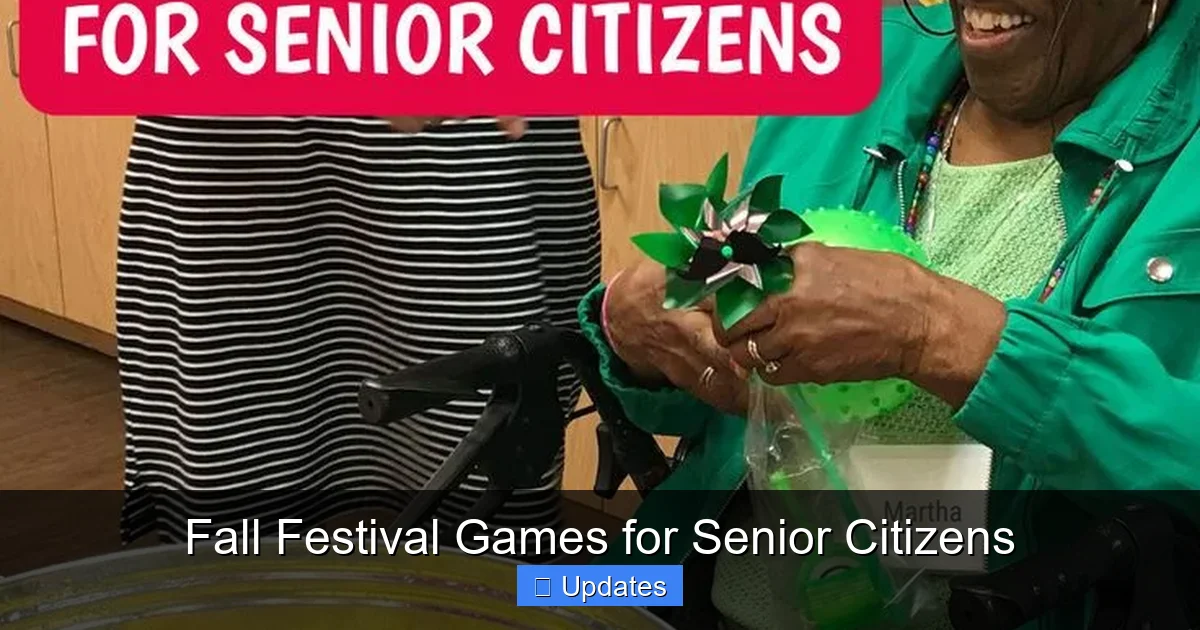
Set up tables with supplies for seasonal crafts: yarn pom-poms, felt leaves, ribbon wreaths, or pressed flower art. Offer pre-cut shapes for those with limited dexterity. Crafts reduce stress, improve fine motor skills, and result in tangible keepsakes.
Pro tip: Let attendees take home what they make—it becomes a daily reminder of the fun they shared.
Musical Chairs with a Twist
Instead of regular musical chairs, use fall-themed music: folk tunes from the 1940s, country ballads, or instrumental versions of Halloween classics. Add silly rules like “only sit if you saw a deer this week” or “clap twice when the music stops.”
This keeps things light and inclusive. Even those who can’t stand can join by leading the music or calling out verses.
Adapting Games for Diverse Abilities
True inclusion means designing games that welcome everyone—regardless of mobility, vision, hearing, or cognitive level. With small tweaks, almost any activity becomes accessible.
For Those with Limited Mobility
Choose sit-down games like card matching, word searches, or simplified bingo. Ensure seating is close to tables and provide footrests if needed. For outdoor events, position popular stations near restrooms and shade.
Example: Instead of walking to collect items in a scavenger hunt, give participants photo cards and let them match items on display.
For Vision or Hearing Challenges
Use bold fonts, high-contrast colors, and large print materials. For audio-based games, offer written cues or assign helpers to assist. Avoid sudden loud noises—opt for gentle chimes or soft voices instead.
Consider tactile elements: textured bean bags, raised-edge playing cards, or Braille labels where appropriate.
For Cognitive Support
Keep instructions short and repeat them aloud. Use visual aids—charts, diagrams, or demonstration models. Allow extra time for decisions and avoid competitive pressure. Focus on effort over outcome.
A great approach: Pair seniors with buddies who can read clues aloud or remind them of rules without taking over.
How to Host a Successful Fall Festival for Seniors
Planning doesn’t have to be stressful. Start early, delegate tasks, and keep it flexible. Here’s a step-by-step guide:
- Pick a Date & Location: Choose a venue with ramps, restrooms nearby, and parking close to entrances. Consider senior centers, libraries, or church halls.
- Assemble a Team: Recruit volunteers—family members, caregivers, or local students. Assign roles: setup, registration, game leaders, cleanup.
- Choose 6–8 Games: Mix indoor/outdoor, active/calm options. Test them beforehand to spot potential hazards.
- Prepare Supplies: Order durable, reusable items (plastic cups, foam balls, printed bingo cards). Label everything clearly.
- Promote Early: Use flyers, phone calls, or email newsletters. Emphasize inclusivity and comfort.
- On Event Day: Greet guests warmly, explain rules gently, and circulate to check in. Have water stations and quiet zones ready.
- Follow Up: Send thank-you notes and invite feedback. Ask: “What would you like next time?”
Remember: It’s okay if things don’t go perfectly. What matters most is the presence of caring people sharing joyful moments.
Intergenerational Fun: Including Younger Family Members
When kids and grandparents play together, magic happens. Grandchildren learn history through stories, elders regain youthful energy through laughter, and families grow closer. Fall festivals are ideal for this blend.
Try a “Story Passport” game: Each generation writes a short memory on a slip of paper—e.g., “Grandma’s wedding dress color” or “My first bike without training wheels.” Then, they pass the paper along, reading aloud as it travels. By the end, everyone hears five unique tales!
Other ideas:
– Let teens design new game rules for classics like “Pin the Tail on the Pumpkin.”
– Host a joint craft session where parents and kids build miniature scarecrows.
– Play “Two Truths and a Lie”—but each person must include one fact about farming or school days.
These moments create legacies beyond photos—they become family traditions etched in memory.
Conclusion: Every Senior Deserves Autumn Joy
Fall festival games for senior citizens aren’t just activities—they’re acts of love. They say, “You matter.” “Your stories count.” “You’re still part of the community.” In an era where aging can feel isolating, these simple joys ripple outward, strengthening families and neighborhoods alike.
Whether you’re a caregiver organizing weekly gatherings, a community leader hosting a public event, or a grandchild planning a surprise visit, choose games that honor dignity, spark curiosity, and celebrate life. With thoughtful preparation and genuine enthusiasm, your fall festival will do more than entertain—it will heal, connect, and inspire.
So grab a sweater, gather your loved ones, and let the games begin!
Frequently Asked Questions
Are fall festival games suitable for seniors with mobility issues?
Absolutely. Many games can be adapted for seated play or reduced movement. Sit-down options like bingo, trivia, or craft stations ensure everyone can participate comfortably and safely.
How can I make games more engaging for seniors with dementia?
Focus on recognition-based games like matching pairs, listening to familiar music, or nature walks with picture prompts. Keep instructions clear, use large visuals, and prioritize enjoyment over competition.
What are some easy-to-set-up games for large groups?
Classic choices include cornhole, bean bag toss, and musical chairs. For indoor settings, try charades with fall themes or group storytelling. These require minimal equipment and encourage broad participation.
Can fall games help with social isolation?
Yes, regularly scheduled game sessions build consistent social connections. Shared laughter and cooperative play release oxytocin, the “bonding hormone,” reducing stress and increasing feelings of belonging.
How do I choose games that fit different skill levels?
Offer multiple versions of the same game—some simpler, others slightly challenging. For example, provide both word search puzzles and crosswords, or allow teams to self-select difficulty. Flexibility ensures no one feels pressured.
Where can I find printable fall-themed game materials?
Websites like Trivia Questions for Senior Citizens and Sit Down Games for Senior Citizens offer free downloadable resources perfect for fall festivals.