
Digital Marketing for Senior Care


Adjustable Bed Frame

Lap Desk for Reading
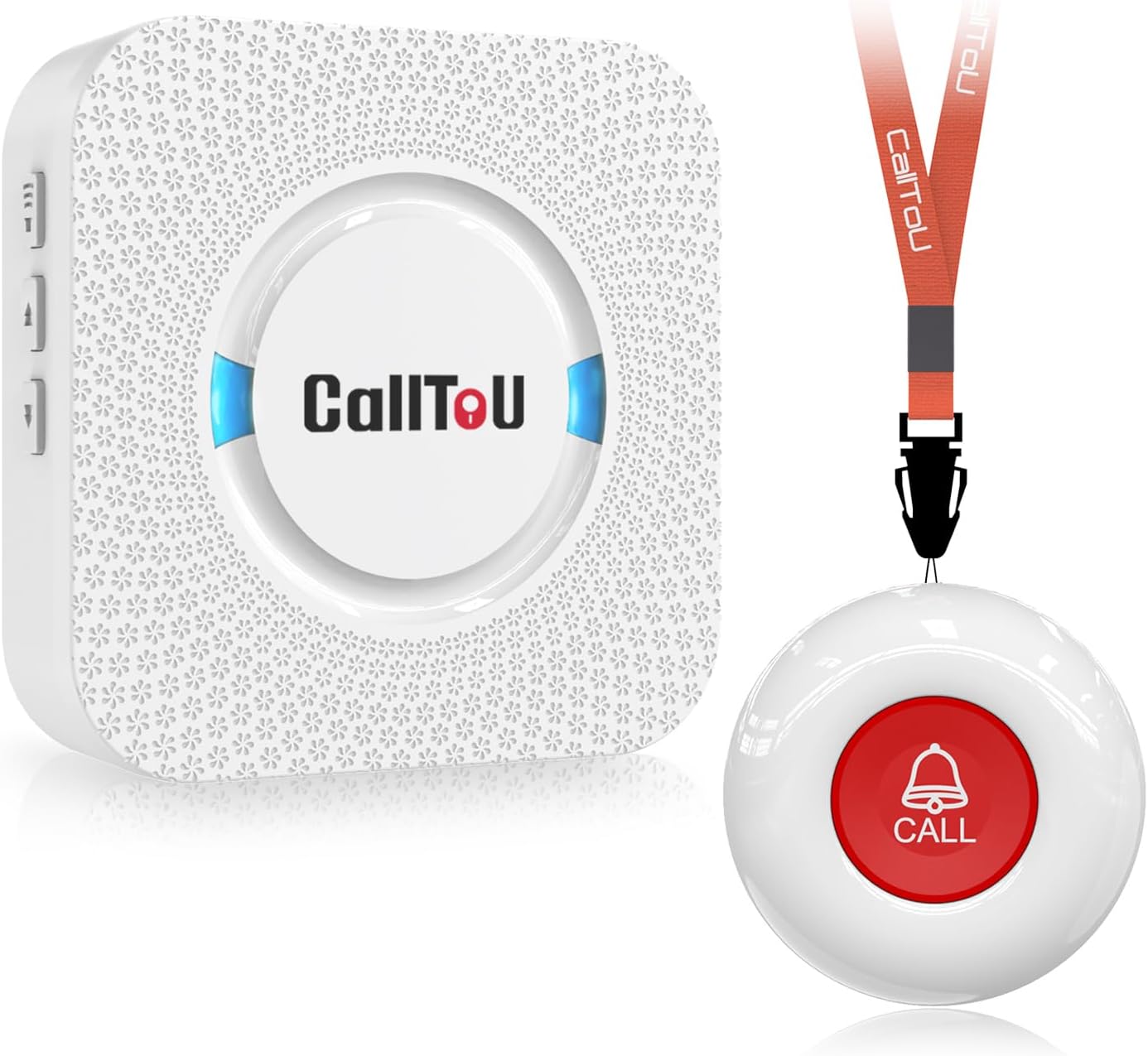
Medical Alert System
Digital marketing for senior care is no longer optional—it’s essential. With more families searching online for trusted care options, a smart digital strategy helps you stand out, build credibility, and connect with seniors who need support. From SEO and social media to email campaigns and video content, these tools make it easier than ever to share your mission and attract the right audience.
In today’s fast-moving world, digital marketing for senior care isn’t just about staying current—it’s about staying relevant. Families are increasingly turning to the internet when they’re looking for in-home care, memory care units, assisted living communities, or senior day programs. They scroll through Google, browse Facebook, watch YouTube videos, and read blog posts before making one of life’s most important decisions: choosing a safe, compassionate place for a loved one.
If your senior care organization isn’t showing up when those searches happen, you’re missing opportunities. But don’t worry—you don’t need a tech team or a huge budget. With the right digital marketing for senior care strategy, you can connect with families in meaningful ways, build trust, and grow your reputation—all while keeping your focus where it belongs: caring for seniors.
Let’s break down what modern digital marketing looks like for senior care providers and how you can use it to make a real difference.
Key Takeaways
- Build Trust Through Transparency: Seniors and their families value honesty and clarity. Use digital channels to showcase your values, staff, and real-life success stories.
- Optimize for Local Search: Most families search for care options nearby. Make sure your website ranks high in local SEO so people find you when they need help.
- Use Video Content: Videos of tours, staff introductions, or daily life at your facility are powerful—they feel personal and reassuring to potential residents.
- Leverage Social Media Wisely: Focus on Facebook and YouTube, where seniors and caregivers spend time. Share gentle reminders, health tips, and community events.
- Create Valuable Email Content: Send helpful newsletters with care advice, event invites, and updates. It keeps your organization top-of-mind during decision-making.
- Partner with Caregiver Networks: Collaborate with platforms like Care.com to expand your reach and gain referrals from trusted sources.
- Measure What Matters: Track leads, website visits, and engagement so you know what’s working and can adjust your strategy over time.
📑 Table of Contents
- Why Digital Marketing Matters for Senior Care Providers
- Building a Senior-Friendly Website That Converts
- Mastering Local SEO to Attract Nearby Families
- Crafting Content That Resonates with Families
- Using Social Media to Build Community
- Email Marketing That Feels Personal
- Partnering with Care Platforms and Referral Networks
- Measuring Success in Your Digital Strategy
- Final Thoughts: People Over Pixels
Why Digital Marketing Matters for Senior Care Providers
The senior care industry is competitive. Whether you run an assisted living facility, a home health agency, or a memory care center, families have choices. And guess what? They’re starting their journey online. According to recent studies, over 80% of caregivers begin researching care options using search engines. That means if your organization isn’t visible online, you’re invisible to those who need you most.
Digital marketing for senior care goes beyond posting on social media. It’s about creating a presence that feels trustworthy, approachable, and human. When families see your website, read your blog, or watch a video tour, they should feel confident knowing their loved one will be safe and well-cared-for.
Plus, digital tools let you tell your story in new ways. You can highlight staff achievements, share resident milestones, or explain your unique approach to dementia care—all without waiting for a phone call. In short, digital marketing helps you meet families where they are: online, curious, and ready to learn.
Building a Senior-Friendly Website That Converts
Visual guide about Digital Marketing for Senior Care
Image source: greatsenioryears.com
Your website is the cornerstone of your digital presence. Think of it as your virtual front door—the first place families visit when they’re searching for digital marketing for senior care solutions. But not every site works for this audience. Here’s how to make yours effective:
Prioritize Clarity and Simplicity
Seniors may not navigate complex menus or small fonts easily. Keep navigation simple with large buttons and clear headings. Avoid jargon—use words like “help,” “support,” and “community” instead of “assisted living continuum.”
Showcase Your Services Clearly
List your services with brief, benefit-focused descriptions. For example: “In-Home Care Assistance” instead of “Personal Care Services.” Include photos of your team and facility so visitors feel comfortable immediately.
Make Contact Easy
Put your phone number, email, and contact form in prominent places—top right corner, footer, and sidebar. Offer multiple ways to get in touch because some people prefer calling; others want to text or fill out a form.
Add Testimonials and Stories
Real stories from families build credibility. Feature quotes like, “We found peace knowing Mom was safe and happy.” Pair them with photos (with permission) and names if possible.
Ensure Mobile Accessibility
More seniors use tablets and phones than ever. Test your site on different devices and ensure text is readable, buttons are clickable, and forms work smoothly.
Pro tip: Consider adding a “Request Info” button that pops up after someone spends a few seconds on your site. It’s less intrusive than a pop-up and gives families a quick way to take action.
Mastering Local SEO to Attract Nearby Families
Visual guide about Digital Marketing for Senior Care
Image source: seniorcaregrowth.com
When someone searches “senior care near me,” Google wants to show them local results. That’s why local SEO is crucial for digital marketing for senior care. Here’s how to dominate your neighborhood:
Claim and Optimize Your Google Business Profile
This free tool helps you appear in local searches and maps. Add accurate details: your address, hours, services offered, and photos. Encourage satisfied families to leave 5-star reviews—they boost your visibility.
Use Location-Specific Keywords
Include your city or region in your page titles and content. For example: “Memory Care Services in [City Name]” or “Home Health Aide in [Neighborhood].” This signals to search engines you serve that area.
Get Listed in Care Directories
Directories like A Place for Mom, Caring.com, and even Care.com can drive qualified traffic. Keep your profiles updated with fresh photos and accurate information. These listings often rank high in search results.
Write Neighborhood Blog Posts
Share content relevant to your area—like local senior events, weather tips, or nearby parks. This builds authority and encourages local backlinks, which improve your SEO.
For example, write a post titled “Top 5 Parks for Strolling with Seniors in [City]” and link it to your services page. It shows you understand your community and care about seniors’ quality of life.
Crafting Content That Resonates with Families
Visual guide about Digital Marketing for Senior Care
Image source: amigoways.com
Content is the heart of digital marketing for senior care. It educates, comforts, and connects. But not all content works for this audience. Focus on empathy, clarity, and usefulness.
Start a Caregiving Blog
Publish regular posts on topics like:
– “How to Talk to Loved Ones About Moving into Assisted Living”
– “Understanding Dementia: Early Signs and Support Options”
– “Preparing for Winter: Safety Tips for Seniors”
These articles answer real questions families ask. Plus, they naturally include keywords like “senior care” and “memory support,” helping your site rank higher.
Create Educational Videos
Video is especially powerful for senior care. Produce short clips showing:
– A virtual tour of your facility
– Staff introductions (“Meet Sarah, our nurse practitioner”)
– Daily routines or activities
– Q&A sessions with experts
Upload these to YouTube and embed them on your website. Videos increase time-on-site and reduce bounce rates—both good for SEO.
Share Seasonal and Holiday Content
Families appreciate timely, thoughtful messages. Write about Thanksgiving traditions, holiday safety tips, or summer wellness ideas. These posts feel personal and keep your brand warm and welcoming year-round.
Repurpose Content Across Channels
Turn a blog post into a social media carousel, an email newsletter section, or a podcast episode. This maximizes your effort and ensures consistent messaging.
Remember: The goal isn’t to sell—it’s to inform. When families feel supported and understood, they’re more likely to choose you.
Using Social Media to Build Community
Social media isn’t just for promotions—it’s for relationships. Seniors and their families spend time on platforms like Facebook and YouTube, so make them part of your digital marketing for senior care plan.
Focus on Facebook
Most older adults use Facebook regularly. Create a page for your organization and post:
– Photo updates from events
– Reminders about flu shots or health screenings
– Links to your latest blog posts
– Polls like “What’s your favorite activity for seniors?”
Keep captions friendly and easy to read. Use large fonts and high-contrast colors for images.
Share Uplifting Stories
Highlight moments that matter: a birthday celebration, a family visiting, or a staff member receiving an award. These posts remind people why your work matters.
Engage, Don’t Broadcast
Respond to comments and messages promptly. If someone asks about pricing or availability, direct them to your website or give a brief overview. Building rapport online translates into real-world trust.
Consider YouTube for Longer Videos
While Facebook is great for quick updates, YouTube excels for detailed content. Upload facility tours, educational seminars, or interviews with healthcare professionals. These videos often rank well in search engines and attract passive searchers.
Avoid overly salesy language. Instead, say things like, “We wanted to share how we support residents with mobility challenges—here’s what it looks like day-to-day.”
Email Marketing That Feels Personal
Email might seem old-school, but it’s still one of the most effective tools in digital marketing for senior care. Unlike social media feeds, emails land directly in inboxes—where busy caregivers can revisit them anytime.
Build a Subscriber List
Offer something valuable in exchange for emails: a free guide like “10 Questions to Ask Before Choosing a Senior Care Provider” or a seasonal checklist like “Fall Home Safety Tips.”
Send Regular Newsletters
Include sections like:
– Upcoming Events (e.g., open houses, health fairs)
– Staff Spotlights
– Resident Stories (with permission)
– Health Tips from Your Team
Keep each email focused—no more than three main points—and use short paragraphs and bullet points.
Automate Welcome Sequences
When someone signs up, send a series of automated emails introducing your services, answering common questions, and inviting them to schedule a visit. Automation saves time while nurturing leads.
Test and Improve
Track open rates and click-throughs. If certain topics perform better, double down on them. Maybe families love your “Ask the Nurse” series—make it a monthly feature.
Email builds familiarity. Over time, your organization becomes a trusted resource, not just another option on a list.
Partnering with Care Platforms and Referral Networks
Many families discover senior care through third-party platforms. That’s why integrating with sites like Care.com, A Place for Mom, and Caring.com is smart for digital marketing for senior care.
Update Your Listings Regularly
Ensure your profile includes accurate photos, service descriptions, pricing ranges (if available), and contact info. Respond quickly to inquiries—this signals professionalism.
Encourage Reviews
Positive reviews build credibility. Politely ask families to share their experience after a stay or visit. Most platforms allow you to follow up via email or text.
Cross-Promote with Related Services
If you offer both in-home care and facility-based services, mention this on your website and directories. Families often need multiple levels of support.
These partnerships aren’t just about leads—they’re about being seen as a reliable, up-to-date provider. And in the digital age, visibility equals opportunity.
Measuring Success in Your Digital Strategy
You can’t improve what you don’t measure. Use simple tools like Google Analytics and your website’s built-in reports to track key metrics:
– How many people visit your site?
– Which pages do they view most?
– Where are they coming from (Google, Facebook, email)?
– How many request more information?
Set monthly goals—like increasing newsletter sign-ups by 10% or boosting organic traffic by 15%. Small wins add up.
Also pay attention to qualitative feedback: Are families saying your content helped them? Are they calling after reading a blog post? That’s success too.
Adjust your strategy based on data. Maybe video tours get more engagement than text pages—double down on video. Or perhaps Facebook drives more calls than Instagram—focus there.
Consistency beats perfection. Even modest improvements in digital marketing for senior care can lead to meaningful growth over time.
Final Thoughts: People Over Pixels
At its core, digital marketing for senior care is about connection. It’s not about flashy ads or viral trends—it’s about showing families that you understand their fears, hopes, and needs. When you use technology to share warmth, transparency, and expertise, you create something rare: trust.
Whether you’re running a small home health agency or a large assisted living community, your mission matters. And now, thanks to digital tools, you can spread that message far and wide—without losing the human touch that makes senior care truly special.
Start small. Pick one strategy—maybe optimize your Google Business Profile or launch a monthly blog series. Then build from there. With patience and persistence, your digital presence will become a powerful ally in serving seniors and their families.
Remember: Every click, comment, or call represents someone seeking help. By mastering digital marketing for senior care, you’re not just growing a business—you’re expanding your impact.
—
Frequently Asked Questions
What is digital marketing for senior care?
Digital marketing for senior care refers to using online tools like websites, social media, email, and search engines to promote senior care services. It helps organizations reach families researching care options, build trust, and grow their reputation in a compassionate, accessible way.
Is digital marketing expensive for small senior care businesses?
Not necessarily. Many cost-effective strategies exist, such as optimizing your Google Business Profile, writing helpful blog posts, and sharing videos on YouTube. Free tools like Google Analytics also help you track progress without big budgets.
Which social media platforms work best for senior care marketing?
Facebook is ideal for reaching seniors and caregivers. YouTube is excellent for longer educational videos like facility tours. Avoid platforms with steep learning curves—focus on simplicity and ease of use.
How can I improve my website for seniors?
Use large fonts, clear navigation, benefit-focused headlines, and plenty of white space. Include testimonials, contact info in multiple places, and ensure the site works well on phones and tablets. Avoid technical jargon.
Do I need a professional designer to create a senior care website?
No. While a designer can help, many user-friendly platforms like WordPress, Wix, or Squarespace let you build a clean, professional site yourself. Focus on clarity, mobile-friendliness, and easy contact—these matter more than fancy animations.
How often should I publish content for senior care digital marketing?
Aim for consistency. One well-written blog post per month, weekly social media updates, and biweekly email newsletters are realistic and effective. Quality always beats quantity—families appreciate thoughtful, useful content.