
Tri State Senior Softball League


Fall Detection Smart Watch

Non-Slip Bathroom Mat

Jar Opener for Weak Hands
The Tri State Senior Softball League brings together amateur athletes aged 50+ from New York, New Jersey, and Connecticut for organized slow-pitch softball play. With multiple divisions, inclusive scheduling, and a strong community focus, it’s one of the region’s most respected senior sports organizations. Whether you’re looking to stay active, meet new people, or compete at a high level, this league offers something for every player.
If you’re in your 50s or older and still love the thrill of hitting a curveball or fielding a line drive, you’re probably already familiar with the joy of senior softball. But did you know there’s a dedicated league bringing together talented players from New York, New Jersey, and Connecticut? That’s exactly what the Tri State Senior Softball League does—every weekend, from May to September, teams gather on fields across the region to play, compete, and build lasting friendships.
What started as a small group of friends wanting to keep playing into their golden years has grown into one of the most vibrant and respected senior softball organizations in the Northeast. Today, the Tri State Senior Softball League isn’t just about baseball gloves and sun hats—it’s a cornerstone of active retirement living. Players come from all walks of life: former college athletes, lifelong amateurs, and even retirees who never thought they’d pick up a bat again after high school.
Whether you’re looking to join a competitive team or simply enjoy casual play with neighbors, the Tri State Senior Softball League welcomes everyone. With multiple divisions, flexible scheduling, and a strong emphasis on sportsmanship, it’s more than a game—it’s a community.
Key Takeaways
- Regional Reach: The Tri State Senior Softball League spans three states—New York, New Jersey, and Connecticut—offering games and tournaments throughout the tri-state area.
- Age-Appropriate Play: Open to men and women aged 50 and over, the league promotes healthy aging through structured, low-impact athletic competition.
- Multiple Skill Levels: Teams are divided by skill level (AA, AAA, Open) and age brackets, ensuring fair and enjoyable play for all participants.
- Community Engagement: Beyond athletics, the league fosters camaraderie, local sponsorships, and volunteer opportunities that strengthen neighborhood ties.
- Seasonal Structure: Typically running from late spring through early fall, the season includes regular-season games, playoffs, and an annual championship tournament.
- Affordable Participation: Registration fees are reasonable, and financial assistance may be available for qualifying members, making it accessible to a broad audience.
- Safety & Fair Play: Strict adherence to USA Softball rules, certified umpires, and safety protocols ensures a respectful and secure environment for all players.
📑 Table of Contents
History and Origins of the Tri State Senior Softball League
The Tri State Senior Softball League traces its roots back to the early 2000s, when a handful of passionate coaches and players saw a need for organized senior softball in the greater tri-state region. At the time, many established leagues were either too rigid, too far-flung, or didn’t offer enough flexibility for working retirees and part-time players.
In 2003, a coalition of local parks departments, YMCA branches, and veteran softball organizers pooled resources to create a unified league structure. Their vision was simple: give adults 50 and over a safe, fun, and fair place to continue playing the sport they loved. The first season featured just four teams, but word spread quickly. By 2005, participation had doubled, and by 2010, the league had expanded to include both men’s and women’s divisions.
Over the past two decades, the Tri State Senior Softball League has evolved with the times. They’ve embraced digital registration, introduced online scorekeeping, and even launched a youth mentorship program where senior players coach younger athletes during off-seasons. This blend of tradition and innovation has helped the league maintain relevance while staying true to its core mission.
Today, the league operates under the umbrella of USA Softball, ensuring compliance with national standards for rules, safety, and fair play. It’s also affiliated with the National Senior Games Association, which means top-performing teams can advance to regional and national championships—including the prestigious Senior Olympics.
League Structure and Divisions
Visual guide about Tri State Senior Softball League
Image source: marcoseniorsoftballleague.com
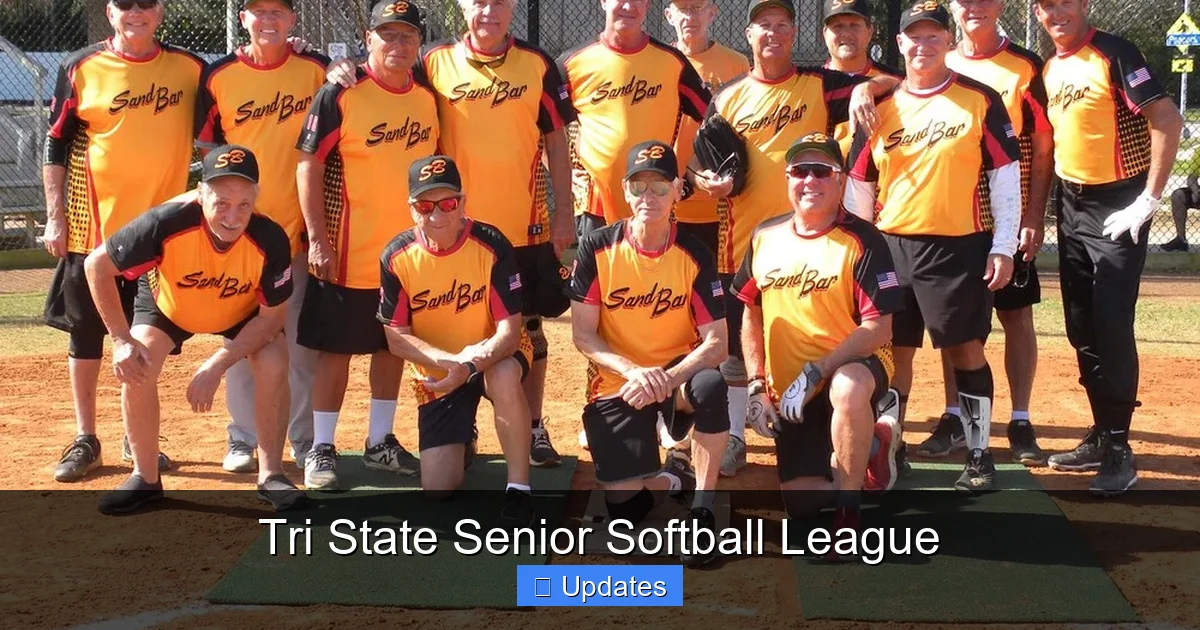
One of the things that sets the Tri State Senior Softball League apart is its thoughtful approach to team organization. Unlike some leagues that lump everyone into one large division, this league uses a tiered system designed to match skill levels and promote competitive balance.
Each year, teams apply to compete in one of several classifications: AA, AAA, or Open. The AA level is ideal for recreational players who enjoy the social aspect without intense pressure. AAA is for those who want a bit more challenge—think consistent hitting, solid defense, and strategic base running. The Open division is reserved for elite competitors who train regularly and aim for playoff contention.
Within each gender category (men’s and women’s), teams are further grouped by age bracket. For example, a team might be classified as “Men’s AAA, 60–64” or “Women’s AA, 70+”. This ensures that no team faces opponents significantly younger or less experienced, preserving fairness and safety.
Scheduling is another highlight. Most games occur on weekday evenings or Saturday mornings, minimizing conflicts with family and work commitments. Home games are played at member-subsidized fields, often located near public transit or major highways for easy access.
For teams looking to improve, the league offers optional training clinics led by former collegiate or professional coaches. These sessions cover everything from bunting techniques to situational awareness, helping seniors refine their skills in a supportive environment.
Registration and Eligibility Requirements
Visual guide about Tri State Senior Softball League
Image source: marcoseniorsoftballleague.com
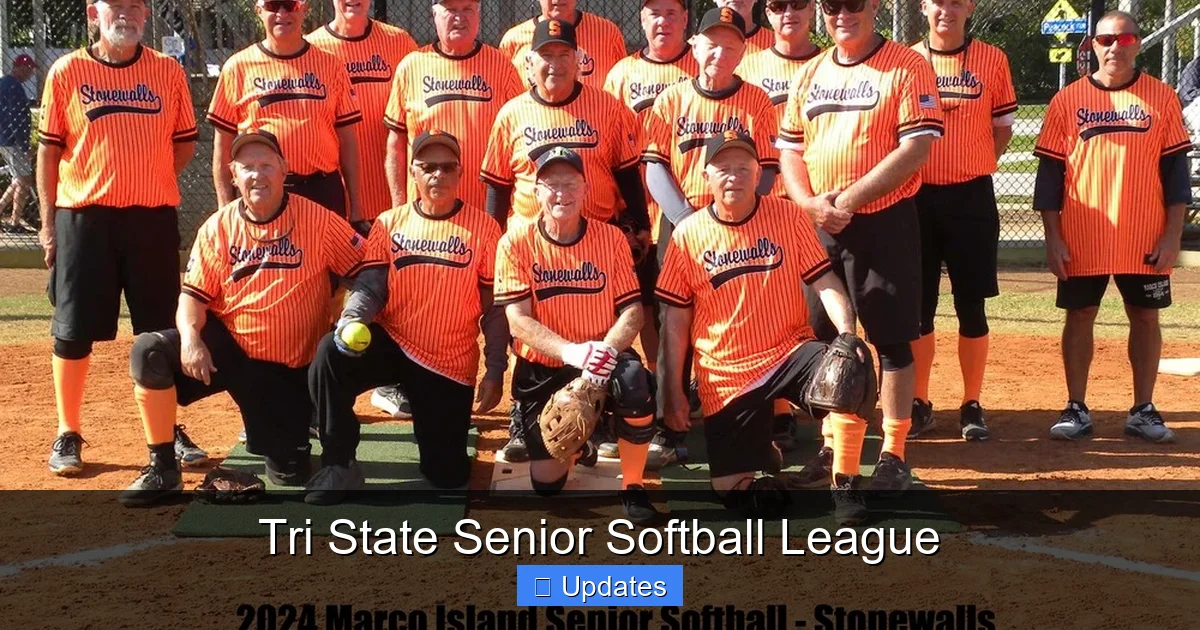
Getting into the Tri State Senior Softball League is straightforward—but not without its requirements. First and foremost, all players must be at least 50 years old as of June 1st of the current season. Proof of age (such as a driver’s license or birth certificate) is required during registration.
Teams must register through the league’s official website by the deadline—typically mid-March. Registration includes a fee per player, which covers field maintenance, umpire stipends, insurance, and end-of-season awards. As of 2024, individual player fees range from $180 to $220 depending on division and team support level.
There’s no tryout process; instead, teams are formed based on self-reported skill level and geographic proximity. This keeps things fair and reduces pressure. If you’re unsure which division fits your abilities, the league provides a brief online assessment that helps recommend the best fit.
Financial aid is available for low-income applicants. Simply indicate interest during registration, and a review committee will evaluate eligibility based on income documentation. Scholarships have funded hundreds of registrations since 2015, ensuring economic diversity within the league.
Finally, all players must sign a code of conduct agreement affirming respect for officials, opponents, and fellow teammates. Violations can result in suspension or removal from the league—a policy taken seriously to preserve the integrity of the game.
Facilities and Field Standards
Visual guide about Tri State Senior Softball League
Image source: marcoseniorsoftballleague.com
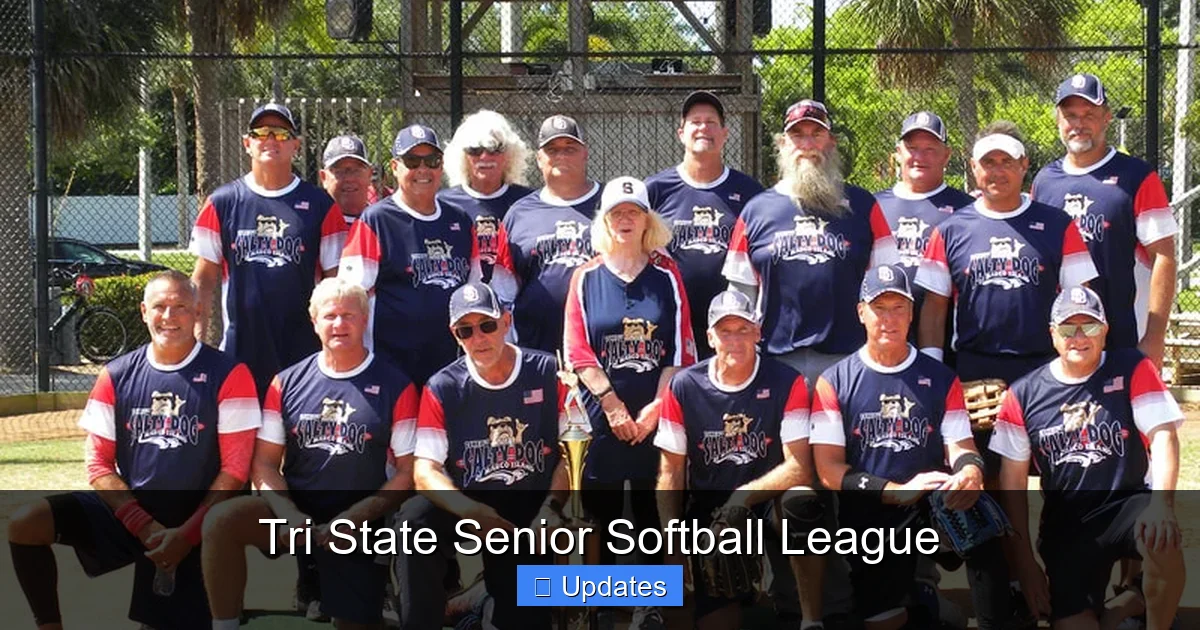
Quality facilities make all the difference in senior softball. The Tri State Senior Softball League partners with municipalities and private organizations to secure well-maintained fields across the tri-state area. All venues must meet or exceed USA Softball specifications for pitching distance, foul territory, dugout size, and lighting.
Most fields feature natural grass infield dirt and artificial turf outfields—ideal for quick transitions between offense and defense. Dugouts are spacious, climate-controlled where possible, and include seating, water coolers, and first-aid kits. Restrooms and parking are always within 100 yards of the diamond.
Safety is paramount. Every field undergoes a pre-season inspection covering drainage, fence height, netting behind home plate, and emergency exit routes. Umpire crews also perform spot checks during games to ensure compliance.
Some teams rent additional spaces for practices or special events. Popular practice locations include community centers like the Sun City West Senior Softball complex in Florida (note: illustrative example—actual locations vary by season) and municipal parks with dedicated senior softball programs.
The league also encourages environmental responsibility. Recycling bins are placed at every field, and plastic water bottles are discouraged in favor of refillable containers. Many clubs partner with local schools to donate used equipment at season’s end.
Community Impact and Social Benefits
Beyond the diamonds, the Tri State Senior Softball League serves as a lifeline for many retirees navigating life after work. Loneliness and isolation are common among older adults, especially those who’ve moved away from previous social circles. Sports provide a natural solution—combining physical activity with regular human contact.
Research shows that adults who participate in organized leisure activities report higher levels of happiness, lower rates of depression, and improved cognitive function. In fact, a 2022 study published in the Journal of Aging and Physical Activity found that seniors playing team sports scored 30% better on memory tests than non-participants.
The league actively promotes these benefits through outreach initiatives. Each summer, they host “Senior Wellness Days,” where players receive free health screenings, nutrition counseling, and mobility assessments from partnering clinics. Local pharmacies and gyms sponsor booths offering discounts on blood pressure monitors and resistance bands.
Volunteerism is equally valued. Umpires, scorekeepers, concession stand workers, and field coordinators are all volunteers—many of whom are former players themselves. This creates a culture of mutual support and intergenerational connection.
Sponsorships from regional businesses further reinforce the league’s community ties. Local hardware stores donate gloves and bats, restaurants supply post-game meals, and banks host fundraising events. In return, sponsors gain visibility through signage at games and mentions in league newsletters.
Tips for Prospective Players
Thinking about joining the Tri State Senior Softball League but feeling a little nervous? You’re not alone! Here are some practical tips to help you get started:
Start Slow: Even if you played in college, take time to readjust to slower pitch speeds and larger ball sizes. Focus on mechanics rather than power—especially when warming up.
Bring the Right Gear: While most teams provide bats and balls, you’ll want your own glove, cleats, batting helmet, and protective eyewear. Comfortable athletic wear and moisture-wicking shirts are essential.
Practice Consistently: Use off-days to work on fundamentals like footwork, throwing accuracy, and situational awareness. Consider joining a local batting cage or attending a clinic.
Communicate with Your Coach: Coaches appreciate feedback. Let them know if you’re struggling with positioning or need extra reps at certain positions.
Stay Hydrated and Warm Up: Heat exhaustion and muscle strains are real risks. Always do dynamic stretches before games and drink water throughout the day.
Build Team Chemistry: Arrive early to chat with teammates. Shared lunches or post-game gatherings go a long way toward building trust.
Have Fun! Remember—this is about enjoyment, not perfection. Celebrate small wins, laugh at missteps, and embrace the spirit of friendly competition.
By following these guidelines, you’ll not only improve your game but also integrate smoothly into the league culture.
Frequently Asked Questions
How old do you have to be to join the Tri State Senior Softball League?
Players must be at least 50 years old as of June 1st of the current season. This ensures age-appropriate gameplay and compliance with USA Softball regulations for senior divisions.
Are there different skill levels within the league?
Yes. Teams compete in AA, AAA, or Open divisions based on self-assessed ability. Age brackets further refine matchups to ensure balanced and enjoyable competition.
What happens if I miss a game due to illness or travel?
The league understands that life happens. While attendance isn’t strictly enforced, players are encouraged to notify their coach ahead of time. Makeup games are rarely scheduled, so consistency helps teams succeed.
Can I bring my own bat?
Absolutely. Just ensure it meets USA Softball standards for senior leagues—typically USSSA-approved with BBCOR ratings for composite models. Wood bats are allowed in most cases.
Is there a waitlist for popular teams?
Yes. Due to high demand, some teams maintain waiting lists. If a spot opens up, the league will contact you via email or phone. Joining a less crowded team is another option.
How can I find a team near me?
Visit the official Tri State Senior Softball League website and use their interactive map to view team locations. Contact info for each club is listed, including social media handles and meeting schedules.