
Senior Apartments in Perris Ca


Back Massager with Heat

Portable Wheelchair

Easy Grip Kitchen Utensils
Finding the right senior apartment in Perris, CA means balancing affordability, accessibility, and community. These homes offer more than just a place to live—they provide safety, support, and social opportunities tailored to older adults. Whether you’re downsizing or seeking low-income options, Perris has resources to help you thrive in your golden years.
If you’re an older adult considering a move to Perris, California, you’re not alone—and you’re in luck. Perris, located in Riverside County about 65 miles southeast of Los Angeles, is becoming a popular choice for seniors seeking affordable living without sacrificing convenience or comfort. With its growing number of age-restricted communities, supportive services, and proximity to healthcare, Perris provides a welcoming environment for those 55+ or 62+. Whether you’re retiring nearby, following family, or simply looking for a quieter pace of life, there are plenty of senior apartments in Perris, CA that fit your needs.
Unlike traditional retirement homes, many senior apartments in Perris allow residents to maintain their independence while still enjoying access to communal spaces, wellness programs, and assistance when needed. These aren’t just places to sleep—they’re lifestyle-focused communities where neighbors become friends and everyday tasks feel more manageable. From studio layouts ideal for minimalists to one- or two-bedroom units for couples or small families, there’s something here for every stage of later life.
In this guide, we’ll walk you through everything you need to know about finding and applying for senior housing in Perris. We’ll cover available neighborhoods, eligibility requirements, financial aid options, must-have amenities, and tips for making the transition smooth. By the end, you’ll feel confident exploring your choices and taking the next step toward comfortable, secure senior living.
Key Takeaways
- Perris offers affordable senior housing: Several low-income and subsidized apartment complexes serve seniors with limited budgets through programs like HUD Section 202 and LIHTC.
- Location matters: Most senior apartments are near medical centers, grocery stores, and public transit, making daily life easier for residents.
- Amenities enhance quality of life: On-site features like community rooms, fitness areas, and organized activities promote wellness and connection.
- Accessibility is built-in: Units often include roll-in showers, grab bars, and no-step entries to support mobility and independence.
- Application process varies: Income limits apply, and waiting lists can be long, so starting early gives you the best chance at securing housing.
- Nearby cities have alternatives: Riverside County neighbors like Moreno Valley and Temecula offer additional options if Perris fills up quickly.
📑 Table of Contents
- Why Choose Senior Apartments in Perris, CA?
- Types of Senior Housing Available in Perris
- Top Neighborhoods for Senior Living in Perris
- How to Qualify for Affordable Senior Housing in Perris
- Must-Have Amenities in Senior Apartments
- Financial Assistance and Subsidy Programs
- Tips for a Smooth Transition Into Senior Living
- Alternatives Near Perris for Senior Housing
Why Choose Senior Apartments in Perris, CA?
Perris may be smaller than major cities, but it punches above its weight when it comes to serving the needs of older adults. One reason is its strategic location within Riverside County, which gives residents easy access to hospitals, pharmacies, shopping centers, and even cultural attractions. Plus, the cost of living in Perris is significantly lower than in coastal Southern California cities like Ventura or Redondo Beach, making it an attractive option for fixed-income seniors.
Another big plus? The climate. Perris enjoys over 300 sunny days per year, perfect for outdoor walks, gardening, or relaxing on a patio. And unlike hotter inland valleys, Perris typically stays cooler during summer months thanks to its slightly elevated terrain and natural breezes.
But beyond geography and economics, what truly sets these communities apart is their focus on creating a sense of belonging. Many offer weekly bingo nights, movie screenings, fitness classes, and volunteer opportunities—all designed to reduce isolation and boost mental health. For seniors who value both privacy and connection, Perris’ senior apartments strike a rare balance.
Types of Senior Housing Available in Perris
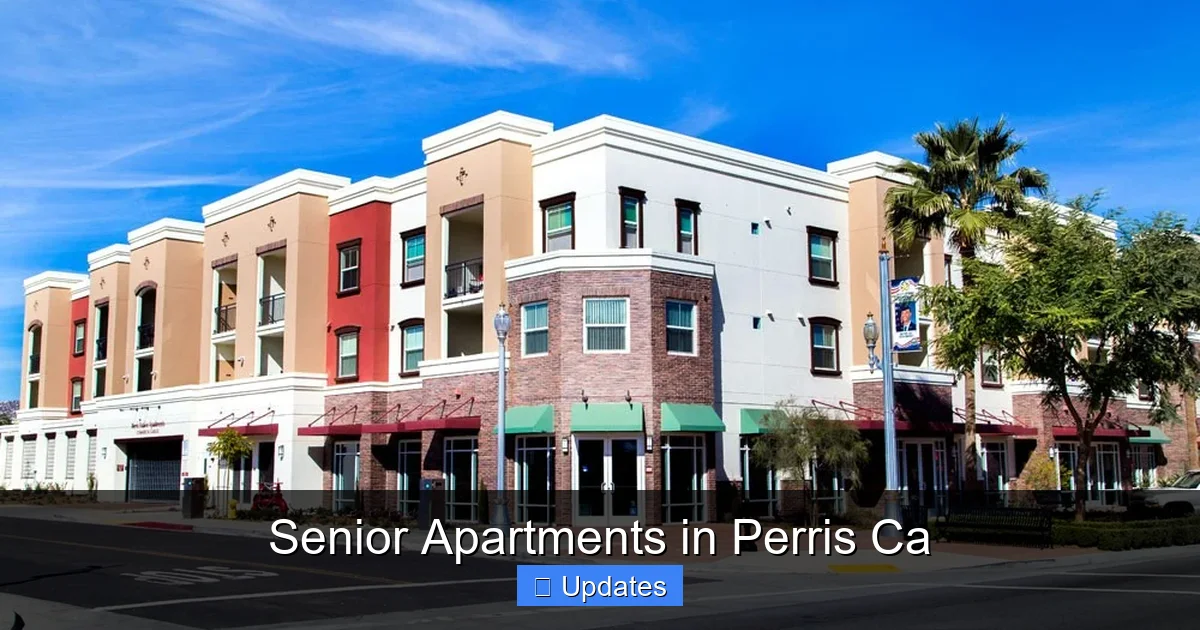
Visual guide about Senior Apartments in Perris Ca
Image source: alphaconstruction.com
Not all senior apartments are created equal. In Perris, you’ll find several types of housing tailored to different lifestyles and budgets:
Low-Income Subsidized Apartments
These properties receive government funding to keep rents affordable. Eligibility is based on income level (usually under 50% of area median income), and applicants must be 62 or older. Examples include Sunset Gardens Apartments and Riverside County Housing Authority–managed units. Because demand is high, waitlists often extend six months to two years.
Market-Rate Age-Restricted Communities
Here, residents pay full rent but benefit from age-friendly design and social programming. These don’t require low income—just that at least one occupant be 55 or older. Popular choices include Legacy Village at Perris Pointe and The Residences at Perris Commons. While pricier upfront, they often include luxury touches like pools, gyms, and concierge services.
Assisted Living-Style Options
Some complexes blend independent living with light care services such as meal delivery, medication reminders, or transportation. Though less common in pure “apartment” form, facilities like Golden Years Senior Lodge offer this hybrid model. Ideal for those wanting help without moving into a full-care facility.
Each type serves a unique purpose, so your decision should align with your financial situation, health status, and personal preferences. Don’t hesitate to visit multiple sites before deciding!
Top Neighborhoods for Senior Living in Perris
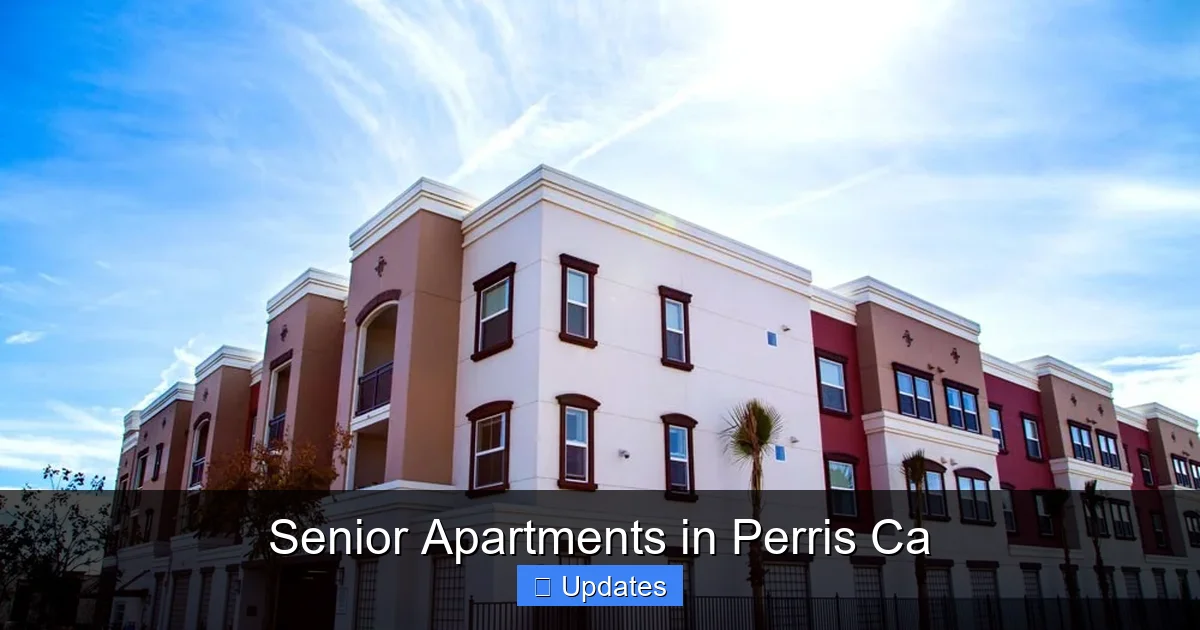
Visual guide about Senior Apartments in Perris Ca
Image source: alphaconstruction.com
While Perris itself is relatively compact, certain areas stand out for senior-friendly infrastructure:
Downtown Perris & Perris Valley
The heart of town offers walkable access to City Hall, libraries, parks, and medical clinics. Newer developments like Parkside at Perris sit close to I-215, providing quick highway access to Riverside or Temecula. Downsides? Limited sidewalk coverage in parts of old downtown, so check routes carefully.
East Perris (near Lake Perris)
This scenic zone borders the massive recreational lake—ideal if you love nature trails, boating, or birdwatching. However, distances between services can be greater here; most senior apartments cluster near the intersection of McCall Blvd and Fourth Street for convenience.
West Perris (near Menifee)
Just across the border lies Menifee, another growing retirement hub. Some Perris seniors opt to live slightly west for newer construction and wider streets, though commute times increase. Still, shared resources like the Perris Hill Senior Center serve both towns.
When touring, ask about emergency response systems, proximity to bus stops, and whether pets are allowed. Even small details add up when you’re aging in place.
How to Qualify for Affordable Senior Housing in Perris
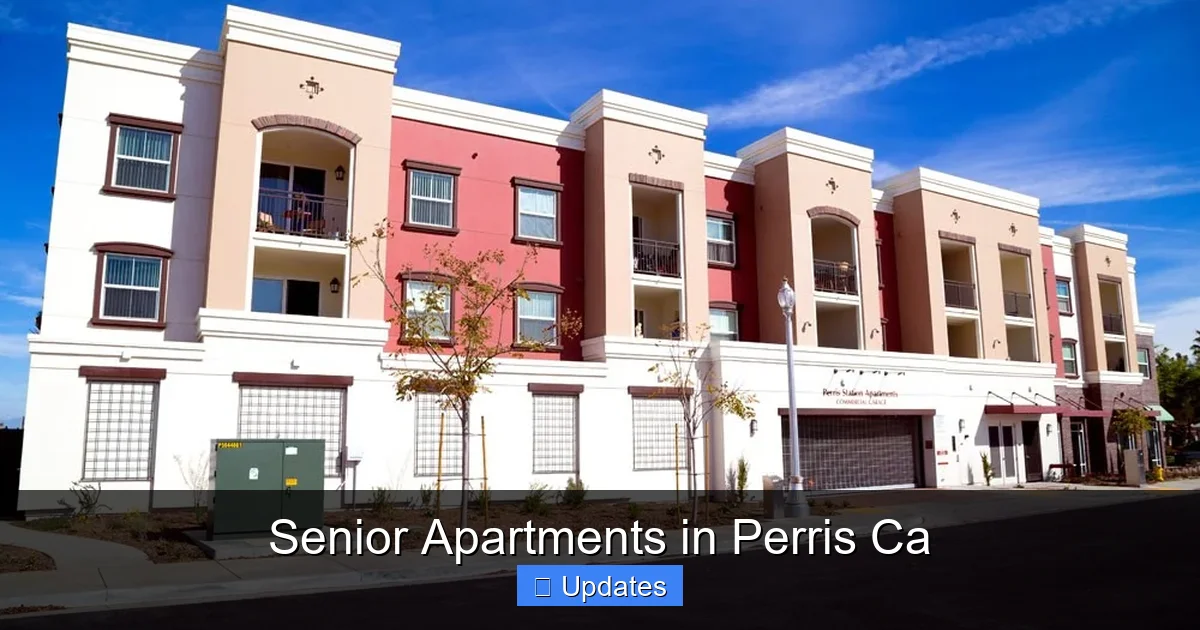
Visual guide about Senior Apartments in Perris Ca
Image source: alphaconstruction.com
Getting into a subsidized senior apartment isn’t automatic—there’s a process, and knowing it helps avoid disappointment.
Age Requirement
Most age-restricted communities require at least one resident to be 55 or older. For federally funded units (like HUD 202), the threshold is usually 62+. Verify this upfront—some newer private developments accept younger tenants too.
Income Limits
For low-income programs, your household income must fall below set thresholds. As of 2024, the limit for a one-person household in Riverside County is around $48,000 annually. Larger households have higher caps. You’ll need proof of income (Social Security statements, pension stubs, etc.) during application.
Credit and Rental History
Landlords screen applicants for reliability. A clean credit report and positive references from previous landlords improve your odds. If you have past issues, consider starting applications early—many agencies offer second-chance programs.
Waiting Lists Are Real
Be prepared: popular complexes like Valley View Senior Apartments can have waits exceeding a year. Sign up for alerts via email or phone, and apply to multiple properties simultaneously to increase chances.
Pro tip: Call ahead to confirm current availability and ask about expedited review options if you have urgent health concerns.
Must-Have Amenities in Senior Apartments
What separates a good senior apartment from a great one? Amenities that support independence and well-being. Here’s what to prioritize:
Accessibility Features
Look for lever-style door handles, wide hallways, roll-under kitchen sinks, and bathrooms with curbless showers. Grab bars near toilets and tubs are non-negotiable. Units with elevators are essential if you have mobility challenges.
Community Spaces
A shared dining room, library, game room, or courtyard encourages interaction. Weekly events (card games, book clubs, fitness sessions) make loneliness less likely.
On-Site Support Services
Even in independent-living settings, some offer optional meal plans, housekeeping, or transportation to appointments. These add convenience without requiring full-time care.
Safety Systems
Emergency call buttons in bathrooms, smoke detectors with strobe lights, and secure entry systems provide peace of mind. Ask if the building has 24/7 maintenance staff.
Outdoor Access
Shaded seating areas, walking paths, and pet-friendly policies enhance daily enjoyment. Green spaces also boost mood and physical activity.
Remember: amenities vary by complex. Schedule tours and compare offerings side-by-side.
Financial Assistance and Subsidy Programs
Living on a fixed income can stretch thin—but help exists. Here’s how to tap into it:
HUD Section 202 Supportive Housing
Funded by the U.S. Department of Housing and Urban Development, this program subsidizes rent for very-low-income seniors (typically under 50% AMI). Participants pay 30% of their adjusted income toward rent; the rest is covered by the subsidy. Apply through local Public Housing Authorities—Riverside County manages applications centrally.
Low-Income Housing Tax Credit (LIHTC) Properties
Many privately owned senior apartments use LIHTC funding to keep rents low. Eligibility mirrors HUD standards, but availability depends on developer agreements. Check LIHEAP (Low Income Home Energy Assistance Program) for utility bill support too.
California’s Multifamily Finance Program
Administered by CalHFA, this offers down payment assistance and refinancing help for qualifying buyers, though most senior apartments are rentals. Still worth asking property managers about partnerships.
Medi-Cal and Social Services
While not direct housing subsidies, Medi-Cal covers home modifications (ramps, bathroom rails) and personal care aides. Contact Riverside County’s Area Agency on Aging for referrals.
Don’t assume you’re ineligible due to savings—some programs exclude assets over a certain amount. Consult a housing counselor (free through HUD-approved agencies) before declining aid.
Tips for a Smooth Transition Into Senior Living
Moving can be stressful at any age—but especially when downsizing or leaving familiar surroundings. To ease the process:
Start Early
Begin researching 6–12 months before your target move date. Waiting lists aren’t joking!
Involve Your Doctor
Ask your physician for recommendations based on mobility, cognitive health, or chronic conditions. They may know of specialized housing or recommend assistive technologies.
Pack Smart
Keep essentials (medications, glasses, favorite books) unpacked first. Label boxes clearly and take photos of electronics before disconnecting them.
Stay Connected
Join local senior centers or faith-based groups post-move. Social integration prevents regret later.
Review Lease Terms Carefully
Clarify rules about guests, renovations, parking, and subletting. Ask about lease renewal policies too.
Finally, trust your gut. If a place feels off during the first tour, keep looking. Comfort and security matter most in your home.
Alternatives Near Perris for Senior Housing
If Perris options fill up or don’t quite match your needs, consider nearby Riverside County cities:
- Moreno Valley: Just north of Perris, offers larger complexes like Senior Apartments Moreno Valley Ca with more square footage.
- Temecula: Known for upscale retirement communities and milder winters—see Senior Housing In Temecula Ca.
- Riverside: Downtown Riverside has historic senior towers with strong transit links—explore Sunrise Senior Living In Riverside Ca.
- Lake Elsinore: Similar vibe to Perris but with newer builds and lower prices.
Cross-town comparisons ensure you find the best fit—even if it’s not technically in Perris proper.
Frequently Asked Questions
Are there pet-friendly senior apartments in Perris, CA?
Yes! Many age-restricted communities allow small dogs or cats, though breed or size restrictions may apply. Always ask about pet deposits and outdoor access during tours.
What’s the average rent for senior apartments in Perris?
Rents vary widely: subsidized units can cost as little as $500/month, while market-rate luxury complexes range from $1,800–$2,500+. Most independent-living seniors pay between $1,000–$1,600 monthly.
Do I need to prove disability status to qualify?
No, unless you’re applying for ADA-accessible units reserved for disabled individuals. General senior housing only requires age and income criteria.
Can I bring my adult child to live with me?
It depends on bedroom count and occupancy rules. Some complexes allow one non-resident adult temporarily, but permanent cohabitation often requires upgrading to a two-bedroom unit.
Is internet and cable included?
Usually not. Utilities are separate, but many buildings provide basic Wi-Fi or partner discounts with providers like Spectrum or AT&T.
How do I find open units quickly?
Call management offices directly—online listings sometimes show outdated info. Mention urgency politely, and ask about vacancy bonuses or referral incentives.