
Maine Senior Farm Share Program


Bedside Commode Chair

Mattress Topper Memory Foam

Bathroom Grab Bar Set
The Maine Senior Farm Share Program connects eligible seniors with affordable, fresh produce from local farms across the state. This initiative addresses food insecurity while supporting Maine’s agricultural economy, offering monthly boxes of seasonal fruits and vegetables at reduced or no cost. With simple enrollment and widespread farm participation, it’s a win-win for both seniors and local farmers.
When you think about farming in Maine, images of rolling green fields, apple orchards, and bustling farmers’ markets might come to mind. But there’s something special happening behind the scenes that’s helping thousands of older Mainers stay healthy, connected, and fed: the Maine Senior Farm Share Program. This innovative initiative doesn’t just deliver fresh vegetables—it builds bridges between aging Mainers and the very land that sustains them.
Launched as part of a broader effort to reduce senior hunger and support local agriculture, the program pairs eligible adults over 60 with participating farms across the state. Each month, participants receive a box of seasonal produce—often including leafy greens, root vegetables, herbs, and even fruit—at a fraction of the retail price. For many, it’s more than convenience; it’s a lifeline.
What makes this program unique isn’t just its focus on affordability—it’s how deeply it integrates nutrition, sustainability, and community. In this article, we’ll walk through everything you need to know: who qualifies, how to apply, where the food comes from, and why this matters now more than ever.
Key Takeaways
- Affordable Fresh Food: Seniors receive monthly shares of locally grown produce at low or no cost, helping combat rising food prices and diet-related health issues.
- Eligible Income Levels: The program targets low- to moderate-income individuals aged 60+; specific thresholds vary by region and household size.
- Local Farm Support: Participating farms benefit financially while expanding their customer base, strengthening rural economies across Maine.
- Simple Application Process: Applications are available online or at local senior centers, with assistance often provided for those needing help completing forms.
- Seasonal Variety: Each share includes what’s currently in season—think crisp apples in fall and sweet corn in summer—ensuring freshness and nutritional value.
- Community Connection: Recipients gain access to farmer education events and opportunities to visit farms, fostering stronger community ties.
- Ongoing Updates: The program runs year-round but adjusts availability based on harvest cycles and funding levels, so checking regularly is recommended.
📑 Table of Contents
What Is the Maine Senior Farm Share Program?
At its core, the Maine Senior Farm Share Program is a partnership between state agencies, nonprofit organizations, and private farms. Its mission? To ensure that low-income seniors have consistent access to fresh, nutritious food while also giving small-scale farmers a reliable market and financial boost.
Unlike traditional food pantries or SNAP programs, which may offer processed or canned goods, this program emphasizes whole, unprocessed foods straight from the source. That means no preservatives, no long-distance shipping, and maximum flavor—especially important as people age and their nutritional needs shift.
The program operates under the umbrella of the Maine Department of Agriculture, Conservation and Forestry (DACF), working closely with groups like the Maine Organic Farmers and Gardeners Association (MOFGA) and regional Area Agencies on Aging. Together, they coordinate logistics, distribute funds, and promote outreach to underserved communities.
Each participating farm contributes a portion of its weekly harvest to the program. In return, they receive partial reimbursement through state grants and donations—making it sustainable for both ends of the chain. For seniors, it’s a chance to eat better without breaking the bank.
How Does It Work?
Getting started is surprisingly straightforward. First, applicants must confirm they’re 60 years or older and meet income guidelines set by their county’s Area Agency on Aging. These thresholds usually align with federal poverty levels—for example, a single person might qualify if their annual income is below $18,000, though specifics can vary slightly by location.
Once approved, seniors choose a participating farm near them or one that ships statewide (where available). At the start of each growing season (typically April through November), they pick up their first share. Some locations offer delivery options for those unable to travel.
Inside each share? Think kale, carrots, tomatoes, berries, squash—whatever Mother Nature blessed that week. No two boxes are exactly alike, which adds an element of surprise and keeps meals exciting.
Who Can Benefit Most?
While designed for all seniors, certain groups see the biggest impact:
- Rural Residents: Those living far from grocery stores or farmers’ markets find this especially helpful.
- Fixed-Income Households: With pensions, Social Security, or disability payments, every dollar counts—and fresh produce can be expensive.
- Health-Conscious Seniors: Individuals managing diabetes, hypertension, or other chronic conditions benefit from nutrient-dense foods.
- Those with Limited Mobility: Pickup sites are often located at senior centers, libraries, or churches—places accessible by public transit or walking.
It’s worth noting that even if someone doesn’t live in a remote area, rising food costs and inflation mean many still struggle to afford quality groceries. The program fills that gap beautifully.
Why This Program Matters for Maine Seniors

Visual guide about Maine Senior Farm Share Program
Image source: maineseniorguide.com
Food insecurity affects roughly 1 in 10 older adults nationwide—and Maine is no exception. According to the USDA, nearly 12% of seniors in our state face hunger regularly. That number climbs higher in rural counties like Piscataquis or Aroostook, where transportation barriers and limited retail options make healthy eating difficult.
But here’s the thing: good nutrition isn’t just about filling your stomach. It’s linked to sharper cognition, stronger immunity, better mental health, and even longer life expectancy. When seniors eat fresh vegetables daily, they’re less likely to rely on processed snacks high in sodium and sugar—a win for overall well-being.
Beyond health, the program fosters dignity. Unlike food banks where people sometimes feel embarrassed picking up donations, receiving a thoughtfully packed share from a local farm feels personal. It says, “You matter.”
Plus, many recipients report enjoying the social aspect—chatting with fellow seniors at pickup sites or learning recipes from farm staff. It’s not just about the food; it’s about belonging.
Supporting Local Economies
Let’s talk economics for a sec. Small farms in Maine employ fewer than 5% of the state’s workforce but contribute over $2 billion annually to the economy. By buying shares directly from them, seniors aren’t just getting fresher food—they’re investing in their neighbors’ livelihoods.
During tough times—like supply chain disruptions or droughts—this kind of direct support helps keep farms afloat. And when farms thrive, they reinvest in equipment, hire more workers, and sometimes expand operations. It’s a ripple effect that strengthens entire communities.
In fact, studies show that programs linking consumers directly to farmers increase local spending retention by up to 70%. That means dollars stay in Maine instead of disappearing into big-box store profits elsewhere.
How to Apply for the Maine Senior Farm Share Program
Visual guide about Maine Senior Farm Share Program
Image source: rimefarm.com
Ready to sign up? Here’s your step-by-step guide:
- Check Eligibility: Visit your local Area Agency on Aging website (search “Maine Area Agency on Aging [your county]”). They’ll list current income limits and required documents (e.g., proof of age, income verification).
- Gather Documents: You’ll typically need a photo ID, Social Security card, and recent pay stubs or tax returns.
- Submit Application: Complete the form online, by mail, or in person. Many agencies offer help filling it out over the phone or at community events.
- Wait for Approval: Processing usually takes 7–14 days. You’ll get a confirmation email or letter with pickup details.
- Pick Up Your Share: Arrive at your chosen site during scheduled hours. Bring a reusable bag if possible!
Pro tip: Call ahead! Farms sometimes adjust schedules due to weather or harvests. Also, some locations offer “double share” weeks during peak season—don’t miss out.
If you’re unsure where to start, try contacting the Maine Hunger Hotline at 1-800-697-3927. Volunteers can walk you through the process and connect you with resources.
Tips for Maximizing Your Share
Fresh food can feel overwhelming if you’re new to cooking with it. Here are a few tricks:
- Store Properly: Leafy greens last longest in the fridge crisper drawer wrapped in damp paper towels. Root veggies like potatoes and onions prefer cool, dark spots.
- Freeze Extras: Chop herbs, blanch broccoli, or puree soups and freeze in portions for future meals.
- Try New Recipes: Websites like Maine Harvest Magazine or Farm to Table Maine offer easy, senior-friendly recipes using seasonal ingredients.
- Share with Neighbors: If you get more than you can use, swap with friends or donate to a neighbor in need—many pickup sites allow modest sharing.
Remember: variety is key. Rotate how you prepare items to avoid boredom and maximize nutrients.
Participating Farms & Geographic Coverage
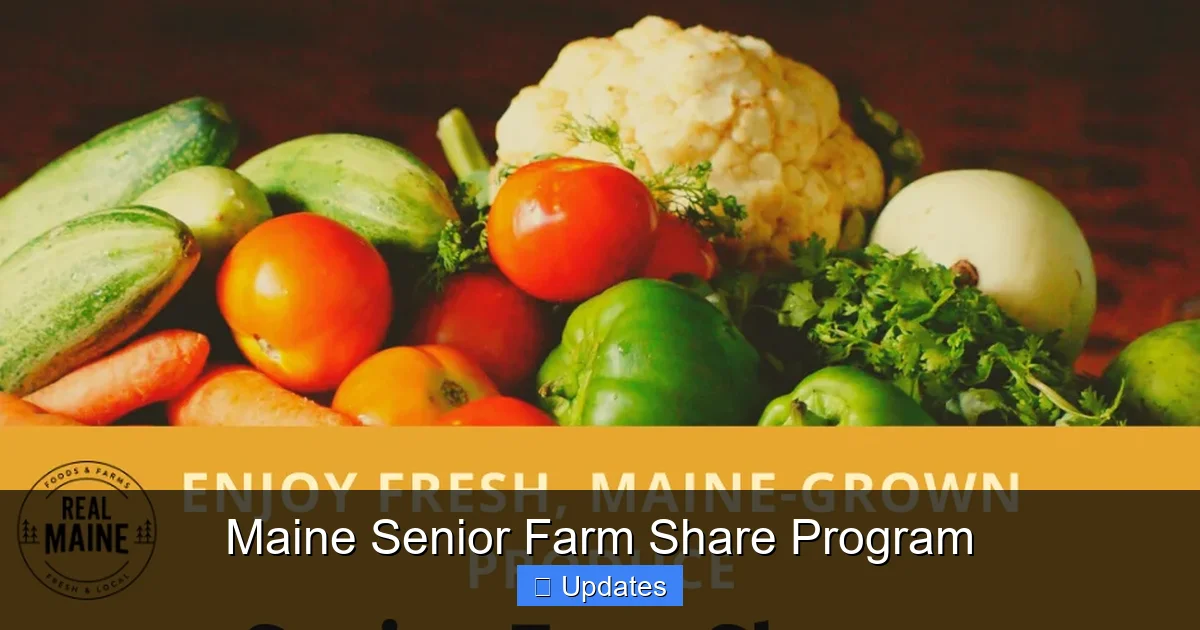
Visual guide about Maine Senior Farm Share Program
Image source: snakeroot.net
One of the coolest things about this program is its reach. As of 2024, over 120 farms participate across all six Maine regions—from Waldo County in the south to Washington County in the north.
Some examples include:
- Bates Farm (Lewiston): Offers CSA-style shares with organic options.
- Cape Neddick Berry Farm (York): Known for raspberries, blueberries, and strawberries.
- Green Mountain Farm (Wiscasset): Focuses on heirloom vegetables and salad mixes.
To find your nearest farm, visit the official program portal at maine.gov/dacf/ag/seniorfarmshare. The site includes interactive maps, contact info, and pickup schedules.
If your preferred farm isn’t listed, ask them to join! DACF actively recruits new partners and provides training on handling senior shares safely and respectfully.
Special Considerations for Rural Areas
Living off-grid or without reliable car access shouldn’t exclude you. Many rural pickup points are strategically placed at:
- Senior centers (like Trafton Senior Center in Sanford)
- Post offices or libraries
- Community churches
- Mobile distribution vans that tour remote towns monthly
These arrangements ensure no one is left behind—even in the most isolated parts of the state.
Challenges & Future Outlook
No program is perfect. Right now, demand often exceeds supply. Waitlists stretch months long, and some farms cite staffing shortages as a barrier to scaling up. Funding instability also poses risks—though recent state budget allocations have helped stabilize operations.
That said, advocates remain optimistic. With growing awareness around food justice and agricultural resilience, more legislators are championing similar initiatives. Imagine a future where every Maine senior has guaranteed access to local food year-round—maybe even via home delivery pilots.
In the meantime, spreading the word helps. Tell your neighbors, volunteer at senior centers, or write to your representative urging increased support. Change starts with conversation.
How You Can Help
Even if you’re not eligible yourself, you can play a role:
- Donate: Contribute to DACF’s general fund or sponsor a senior’s share ($30 covers one month).
- Volunteer: Assist with sorting, packing, or delivering shares at your local farm.
- Advocate: Attend town halls or join coalitions focused on senior nutrition.
- Educate: Share stories about the program’s impact—personal testimonials resonate powerfully.
Every action counts. After all, healthy seniors mean healthier communities.
Frequently Asked Questions
Who is eligible for the Maine Senior Farm Share Program?
The program is open to Maine residents aged 60 or older whose income falls within the low- to moderate-income range. Exact income thresholds depend on household size and are determined by your local Area Agency on Aging. Proof of age and income will be required during application.
How much does it cost to participate in the program?
In most cases, the farm share costs between $5 and $15 per month. However, many participants qualify for full subsidies, meaning they receive the share at no cost. Financial hardship waivers are also available in select counties.
Where can I pick up my farm share?
Shares are distributed at various locations including senior centers, libraries, churches, and directly from farms. Pickup sites vary by season and location—check the official DACF website or contact your local agency for current schedules.
Is there a waiting list for the program?
Yes, demand frequently exceeds available shares, especially during peak harvest months. If you’re waitlisted, you’ll be contacted when space opens. Signing up early increases your chances of securing a spot.
Can I choose which farm I receive my share from?
Generally, yes—provided the farm participates in the program and serves your area. You can select based on proximity, crop preferences, or past experiences. Some farms offer online ordering with home delivery options.
Does the program operate year-round?
The program primarily runs from May through October, aligning with Maine’s growing season. During winter months, limited shares or supplemental food assistance may be offered through partner organizations.