
Grain Free Cat Food for Senior Cats


Portable Radio with Large Buttons

Adaptive Eating Utensils

Weighted Blanket
As your cat enters their golden years, nutrition becomes even more important. Senior cats often struggle with digestion, weight management, and joint pain—issues that can be eased with a grain-free diet. This guide explores why grain-free formulas are beneficial for older felines and how to pick the right food for your pet’s unique needs.
Key Takeaways
- Grain-free diets reduce digestive stress: Many senior cats have sensitive stomachs, and eliminating grains like wheat and corn can improve absorption and reduce inflammation.
- Supports joint and muscle health: High-quality protein sources in grain-free foods help maintain lean muscle mass, which declines naturally with age.
- Helps manage weight: Grain-free formulas tend to be lower in carbohydrates, aiding in maintaining a healthy weight—a common concern in older cats.
- May improve coat condition: Omega-3 and -6 fatty acids found in many grain-free recipes promote shiny fur and skin health.
- Easier on kidneys: Low-phosphorus, high-moisture grain-free wet foods support kidney function, crucial for senior cats prone to renal issues.
- Reduces allergens: Common grain allergens can trigger itching or gastrointestinal upset; switching to grain-free may alleviate these symptoms.
- Consult your vet before switching: Always discuss dietary changes with a veterinarian, especially if your cat has pre-existing conditions like diabetes or kidney disease.
📑 Table of Contents
- Why Consider Grain Free Cat Food for Senior Cats?
- The Science Behind Grain-Free Nutrition for Aging Felines
- Top Benefits of Grain Free Cat Food for Senior Cats
- How to Choose the Best Grain Free Cat Food for Your Senior Cat
- Recommended Grain Free Cat Foods for Senior Cats
- Addressing Special Needs: Grain Free Diets for Cats with Chronic Conditions
- Transitioning Your Senior Cat to Grain Free Food
- Conclusion: Investing in Your Cat’s Golden Years
Why Consider Grain Free Cat Food for Senior Cats?
As your beloved feline companion ages, their nutritional needs shift dramatically. Just like humans, senior cats experience changes in metabolism, digestion, and organ function. One of the most significant transitions happens in the digestive system. By the time cats reach 7–10 years old, depending on breed and genetics, they may start showing signs of reduced enzyme production, slower metabolism, and increased sensitivity to certain ingredients.
This is where grain-free cat food for senior cats comes into play. While not every senior cat requires a grain-free diet, many benefit greatly from one—especially those with sensitive stomachs, allergies, or chronic conditions like arthritis or obesity. Grains such as corn, wheat, and soy are common fillers in traditional cat foods, but they offer little nutritional value and can be hard for older cats to digest. In contrast, grain-free formulas focus on high-quality animal proteins, healthy fats, and easily digestible carbohydrates, making them an excellent choice for aging pets.
The Science Behind Grain-Free Nutrition for Aging Felines
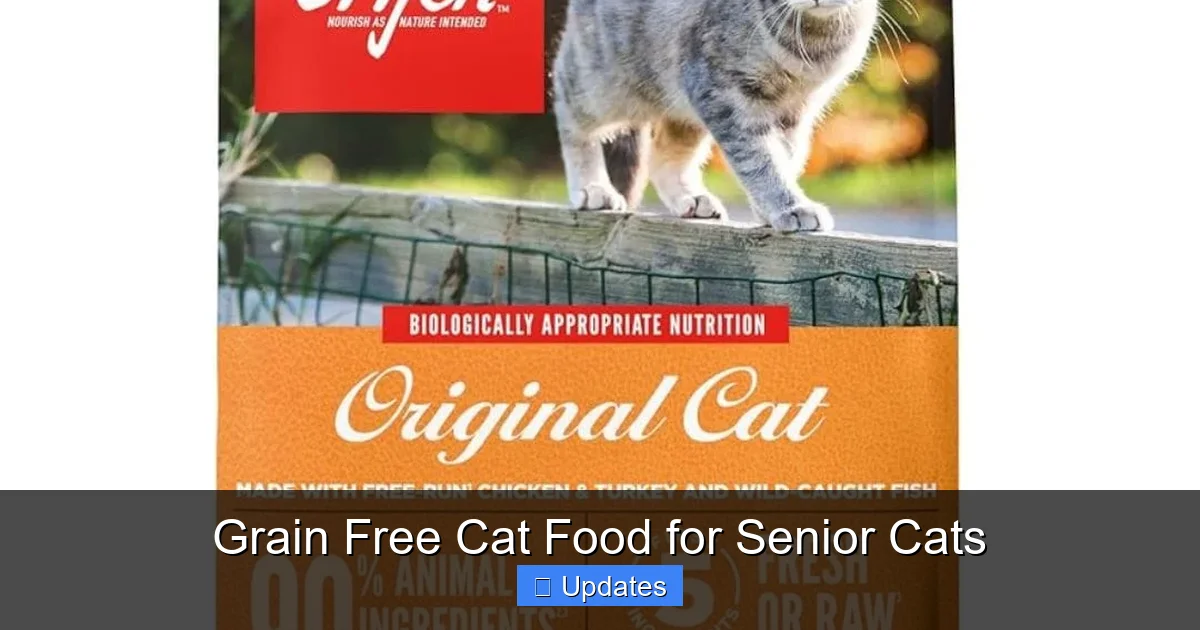
Visual guide about Grain Free Cat Food for Senior Cats
Image source: sustainablecats.com
Cats are obligate carnivores, meaning their bodies are designed to thrive on meat-based diets. Unlike dogs, they don’t require grains for energy or fiber. In fact, studies suggest that high-grain diets may contribute to obesity, diabetes, and urinary tract issues in cats—conditions that become more prevalent as they age.
Grain-free cat food for senior cats eliminates these problematic ingredients while maximizing bioavailability of nutrients. For example, real chicken, turkey, or fish serve as the first ingredient in many top-rated grain-free formulas, providing complete amino acid profiles essential for maintaining muscle and immune function.
Moreover, grain-free diets often include added probiotics, prebiotics, and antioxidants. These components support gut health, reduce inflammation, and boost immunity—all critical for senior cats whose systems are less efficient at fighting off illness.
Common Misconceptions About Grain-Free Diets
One of the biggest myths is that grain-free means carb-free. In reality, many grain-free cat foods still contain alternative carbohydrates like sweet potatoes, peas, or lentils. However, these are generally easier to digest than grains and provide sustained energy without spiking blood sugar levels.
Another misconception is that grain-free equals healthier. While this is true for many senior cats, some pets may actually do better on limited-ingredient diets that include specific whole grains like brown rice, which act as gentle fiber sources. The key is individualization—what works for one senior cat may not work for another.
Top Benefits of Grain Free Cat Food for Senior Cats
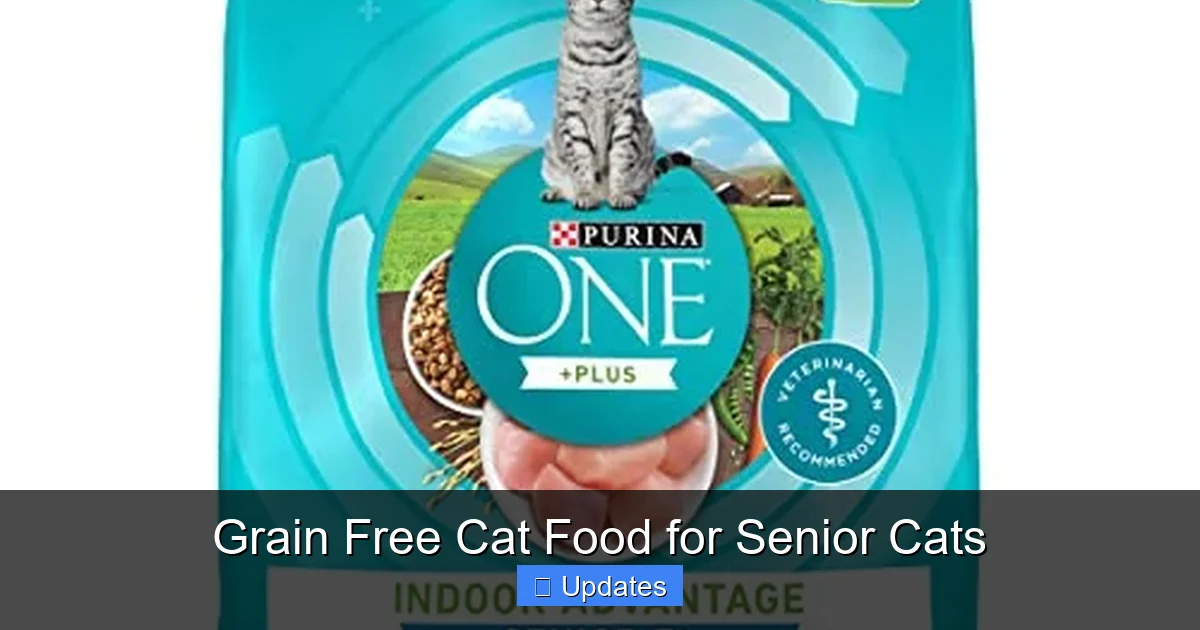
Visual guide about Grain Free Cat Food for Senior Cats
Image source: animalhowever.com
Switching to a grain-free diet isn’t just about removing ingredients—it’s about enhancing overall well-being. Here’s how:
Improved Digestion and Reduced Bloating
Senior cats often suffer from constipation or diarrhea due to slowed intestinal motility. Grain-free foods typically contain fewer fillers and more soluble fiber from sources like pumpkin or flaxseed, promoting smoother bowel movements and reducing bloating.
For instance, brands like Wellness CORE or Blue Buffalo Freedom use digestible fibers alongside enzymes to aid breakdown and absorption. This combination helps prevent uncomfortable gas and irregular stools—common complaints among older felines.
Better Weight Management
Obesity accelerates joint problems, heart disease, and diabetes in senior cats. Grain-free formulas are usually lower in calories and carbs, helping maintain ideal body weight. Look for foods with named meat sources (e.g., “deboned chicken”) rather than vague terms like “meat meal” or “by-products.”
Consider this: a 12-pound senior cat only needs about 250–300 calories per day. A high-carb grain-based kibble might deliver excess sugar, while a balanced grain-free option provides steady energy without spikes.
Enhanced Skin and Coat Health
As cats age, their skin becomes drier and their coats dull. Grain-free diets rich in omega-3 fatty acids (from salmon oil or flaxseed) help restore moisture and shine. Ingredients like coconut oil and vitamins E and C also support cellular repair and reduce shedding.
If your senior cat has been scratching excessively or losing hair, a switch to a nutrient-dense grain-free formula could make a noticeable difference within weeks.
Joint Support Through Anti-Inflammatory Properties
Arthritis affects nearly half of all cats over 10 years old. While medication helps, nutrition plays a vital role too. Many grain-free senior cat foods include glucosamine, chondroitin, and green-lipped mussels—natural compounds shown to ease joint stiffness and mobility issues.
Brands like Instinct Original or Natural Balance Ultra Premium incorporate these elements seamlessly into their recipes, offering relief without relying solely on supplements.
How to Choose the Best Grain Free Cat Food for Your Senior Cat
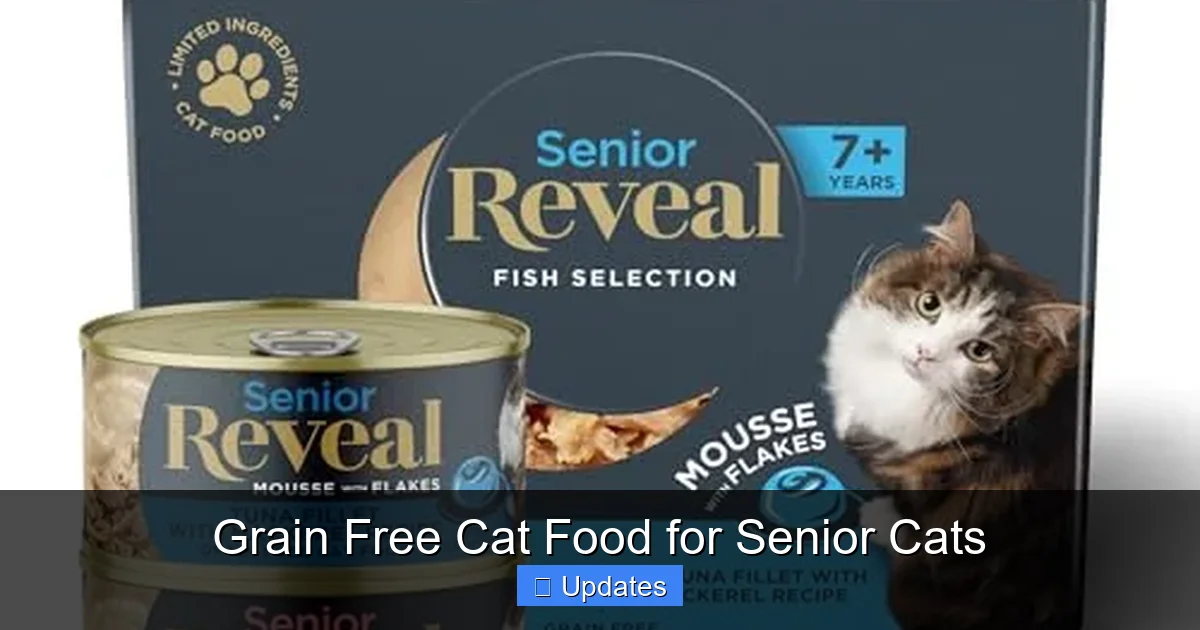
Visual guide about Grain Free Cat Food for Senior Cats
Image source: m.media-amazon.com
With so many options available, selecting the right product can feel overwhelming. Use these practical tips to guide your decision:
Check the Ingredient List Carefully
Avoid products where grains appear near the top—even if labeled “grain-free,” some brands sneak in small amounts. Instead, prioritize foods where the first three ingredients are high-quality proteins (chicken, duck, trout), followed by healthy fats and vegetables.
Also, watch out for artificial preservatives like BHA/BHT and excessive salt. Natural stabilizers like mixed tocopherols (vitamin E) are preferable.
Consider Wet vs. Dry Formulas
Wet food offers higher moisture content, which is crucial for hydration—a major concern in senior cats who drink less water. It also reduces strain on aging kidneys and bladder. Pairing dry grain-free kibble with wet food ensures balanced intake.
For cats with dental issues, soft pâté textures are ideal. Brands like Weruva or WholeHearted offer senior-specific wet lines designed for easy chewing and swallowing.
Look for Age-Appropriate Formulations
Not all grain-free foods are created equal. Some are marketed toward kittens or active adult cats, lacking the precise balance needed for seniors. Seek formulas specifically labeled “for mature cats” or “senior,” which often include lower phosphorus, controlled sodium, and extra taurine.
You might also explore best cat food for senior sensitive stomachs, as digestive support is a common priority.
Trial Periods Are Essential
Every cat reacts differently. Introduce new food gradually over 7–10 days, mixing increasing amounts of the new formula with the old. Monitor stool quality, energy levels, and coat condition closely.
If you notice vomiting, lethargy, or refusal to eat, consult your vet immediately. Sudden switches can cause pancreatitis or other complications in sensitive seniors.
Recommended Grain Free Cat Foods for Senior Cats
Here are five standout options backed by veterinary nutritionists and customer reviews:
1. **Wellness Complete Health Natural Dry Senior Cat Food**
Made with deboned chicken, oatmeal, and tomato pomace, this formula includes probiotics and omegas for coat health. Ideal for cats over 7 years old.
2. **Blue Buffalo Wilderness Adult Chicken Recipe Grain-Free Dry Cat Food**
High-protein, low-carb recipe featuring real chicken as the first ingredient. Includes LifeSource Bits—a blend of antioxidants and minerals.
3. **Instinct Raw Boost Grain-Free Recipe with Real Chicken**
Combines freeze-dried raw pieces with wholesome kibble for enhanced palatability and nutrition. Great for picky eaters.
4. **Natural Balance L.I.D. Limited Ingredient Diets Sweet Potato & Fish Formula**
Perfect for cats with food sensitivities. Only six simple ingredients, including salmon and sweet potato.
5. **Weruva Cats in the Kitchen Grain-Free Pâté Variety Pack**
Moist, flavorful wet food packed with chicken and turkey. No grains, no by-products, and high in taurine.
Always compare serving sizes to your cat’s weight and activity level. Overfeeding—even healthy food—can lead to weight gain.
Addressing Special Needs: Grain Free Diets for Cats with Chronic Conditions
Some senior cats require specialized diets beyond standard grain-free formulas. For example:
– **Kidney Disease**: Requires low phosphorus and high-quality protein. Try best wet cat food for senior cats with kidney disease.
– **Diabetes**: Needs very low carbohydrates. Consult your vet about prescription diets.
– **Heart Problems**: Controlled sodium and taurine-rich meals are essential.
In these cases, grain-free alone isn’t enough—but it can complement therapeutic nutrition plans.
Hydration Is Key
Even the best grain-free kibble dries out your cat. Add water or broth to meals, offer multiple water stations, or consider a fountain to encourage drinking. Dehydration worsens kidney and urinary issues.
Transitioning Your Senior Cat to Grain Free Food
Sudden changes shock sensitive systems. Follow this step-by-step plan:
1. Day 1–2: Mix 25% new food with 75% old.
2. Day 3–4: Increase to 50/50.
3. Day 5–6: 75% new, 25% old.
4. Day 7 onward: 100% new formula.
Watch for loose stools or appetite loss. If issues persist beyond two days, slow the transition further.
Keep mealtime calm—no sudden noises or distractions. Some cats prefer eating in solitude, especially as they age.
Conclusion: Investing in Your Cat’s Golden Years
Choosing grain free cat food for senior cats isn’t just a trend—it’s a thoughtful step toward preserving quality of life. By focusing on clean proteins, healthy fats, and digestible ingredients, you give your aging companion the tools to stay strong, active, and happy.
Remember, nutrition evolves with your cat. Regular check-ups, weight monitoring, and open communication with your vet ensure you’re always meeting their changing needs. Whether you opt for dry kibble, wet pâté, or a mix, the goal remains the same: nourish their body and celebrate every precious moment together.
—
Frequently Asked Questions
Is grain free cat food necessary for all senior cats?
No, not every senior cat needs a grain-free diet. However, cats with allergies, sensitive stomachs, or chronic conditions often benefit from grain elimination. Always consult your vet to determine what’s best for your individual pet.
Can grain free food cause urinary issues?
In rare cases, overly dry or low-moisture grain-free kibbles may contribute to struvite crystals. To avoid this, pair dry food with plenty of wet meals and ensure fresh water is always available.
Are grain free diets more expensive?
Yes, generally. Grain-free formulas use higher-cost ingredients like real meat and alternative fibers. However, the long-term health benefits often outweigh the price difference for senior cats.
How long does it take to see improvements after switching?
Most owners notice better digestion within 3–5 days, improved coat within 2–4 weeks, and increased energy levels in 1–2 months. Consistency matters most.
Can I feed my senior cat both wet and dry grain free food?
Absolutely! Combining both provides variety, hydration, and balanced nutrition. Aim for at least 60% wet food daily to support kidney and urinary health.
What should I avoid in grain free senior cat food?
Avoid artificial colors, flavors, preservatives, and vague protein sources like “animal by-products.” Also, limit fillers such as potato starch or rice flour—they offer little nutritional value.