
Low Income Senior Housing San Fernando Valley


Arthritis Gloves

Jar Opener for Weak Hands

Large Display Clock with Date
Low income senior housing in San Fernando Valley offers vital support for older adults facing financial challenges. These communities provide safe, affordable living with access to healthcare, meals, and social activities. With growing demand and limited availability, planning early and understanding your options is key to securing a place that fits your needs.
Key Takeaways
- Affordable Options Exist: Several subsidized senior housing programs serve low-income residents across San Fernando Valley, including public housing and nonprofit developments.
- Eligibility Is Income-Based: Qualification typically depends on household size and annual income, often capped at 30–50% of the area’s median income.
- Waitlists Are Common: Due to high demand, many programs maintain long waiting lists—some exceeding two years—so applying early is crucial.
- Services Vary by Location: Some facilities offer on-site medical care, transportation, meal programs, and recreational activities tailored to seniors.
- Nonprofits Play a Key Role: Organizations like Jewish Family Service and local faith-based groups often operate or sponsor low-income senior housing.
- Application Support Is Available: Social workers, case managers, and community centers can guide applicants through paperwork and documentation.
- Explore Multiple Sources: Check with LA County Housing Authority, HUD, and nonprofit networks to find all available options in the Valley.
Finding low income senior housing San Fernando Valley can feel overwhelming, especially when balancing health concerns, mobility issues, and rising living costs. Yet for thousands of older adults in this region—home to neighborhoods like Burbank, Van Nuys, North Hollywood, and Encino—these affordable housing options are lifelines. They offer not just shelter, but dignity, community, and peace of mind.
The San Fernando Valley, part of Los Angeles County, is one of Southern California’s largest urban areas. It’s known for its diverse population, strong sense of community, and proximity to essential services. But for fixed-income seniors—many retired on Social Security or pensions—even modest rent can stretch budgets thin. That’s where subsidized senior housing comes in. These aren’t just apartments; they’re designed with aging in mind, offering accessibility features, supportive staff, and sometimes even on-site health services.
In recent years, demand has surged due to an aging population and stagnant wage growth. At the same time, federal and state funding hasn’t kept pace with inflation or population needs. As a result, waitlists grow longer, and competition increases. But don’t lose hope. With the right information and persistence, you or your loved one can find a safe, comfortable place to call home in the Valley.
Key Takeaways
- Understanding low income senior housing san fernando valley: Provides essential knowledge
📑 Table of Contents
- Understanding Low-Income Senior Housing
- Eligibility Requirements Explained
- Costs and What’s Included
- Top Low-Income Senior Housing Communities in the San Fernando Valley
- Support Services and Lifestyle Benefits
- Common Challenges and How to Overcome Them
- Planning Ahead: Starting the Process Early
- Conclusion: Dignity Through Stability
Understanding Low-Income Senior Housing
Before diving into specific programs, it helps to understand what “low-income senior housing” really means. In California—and especially within LA County—this term usually refers to government-subsidized or nonprofit-developed housing specifically for adults aged 62 and over who meet strict income guidelines.
These properties are distinct from regular senior apartments because they’re financially accessible. Rent isn’t based solely on market rates; instead, it’s calculated as a percentage of your gross monthly income (often 30%). Utilities may also be included. This model ensures that even someone living on $1,800 per month can afford housing without choosing between rent, medicine, or groceries.
Most low-income senior housing complexes follow U.S. Department of Housing and Urban Development (HUD) standards or are funded through California’s HOME Investment Partnerships Program or Low-Income Housing Tax Credits (LIHTC). Many are managed by nonprofit organizations rather than private landlords, which often translates to more personalized service and community focus.
Types of Affordable Senior Housing Available
Not all affordable senior housing looks the same. In the San Fernando Valley, you’ll find several types:
Publicly Subsidized Housing: Operated by the Los Angeles County Development Authority (LACDA), these units use federal Section 8 or Public Housing funds. Applicants must be 62+ and fall below 50% of the Area Median Income (AMI). For a single person in 2024, that’s roughly $47,000 annually.
Nonprofit-Developed Communities: Groups like the Jewish Family Service of Los Angeles run culturally sensitive housing such as Shalom House in Woodland Hills. Others include interfaith or faith-based communities offering spiritual support along with daily needs.
Assisted Living with Subsidies: Some facilities blend independent living with light assistance—medication reminders, housekeeping, meal prep—while still keeping rents low through subsidies.
Cooperative Housing: A few co-ops exist where residents buy shares and share responsibilities. These tend to be smaller, tight-knit communities.
Each type has pros and cons. Public housing offers the most consistent subsidy but often comes with strict rules. Nonprofit housing may have stronger community bonds but fewer units overall.
Where to Look for Low-Income Senior Housing in the Valley
You won’t find every option listed online—especially not the waitlisted ones. But here’s how to start your search effectively:
Contact the LA County Housing Choice Voucher Program: Though primarily for families, some vouchers do go to seniors. Call (800) 994-6423 or visit How To Qualify For Low Income Senior Housing for step-by-step guidance.
Visit HUD’s Project Match Website: Use HUD’s National Preservation Database to search for HUD-funded senior housing by zip code. Filter by “Senior Only” and “Low Income” to narrow results.
Reach Out to Local Nonprofits: Organizations like the Valley Industry & Commerce Association (VICA) partner with developers to advocate for senior housing. More directly, groups like Jewish Senior Living Options San Fernando Valley maintain active listings and application assistance.
Check with Your Doctor or Social Worker: Healthcare providers often know about supportive housing programs and can refer patients.
Attend Community Resource Fairs: Held quarterly at libraries or senior centers in Glendale, Pacoima, or Reseda, these events connect attendees with housing counselors.
Remember: even if a property seems full, ask about waitlist status. Sometimes spots open up due to moves, deaths, or lease violations.
Eligibility Requirements Explained
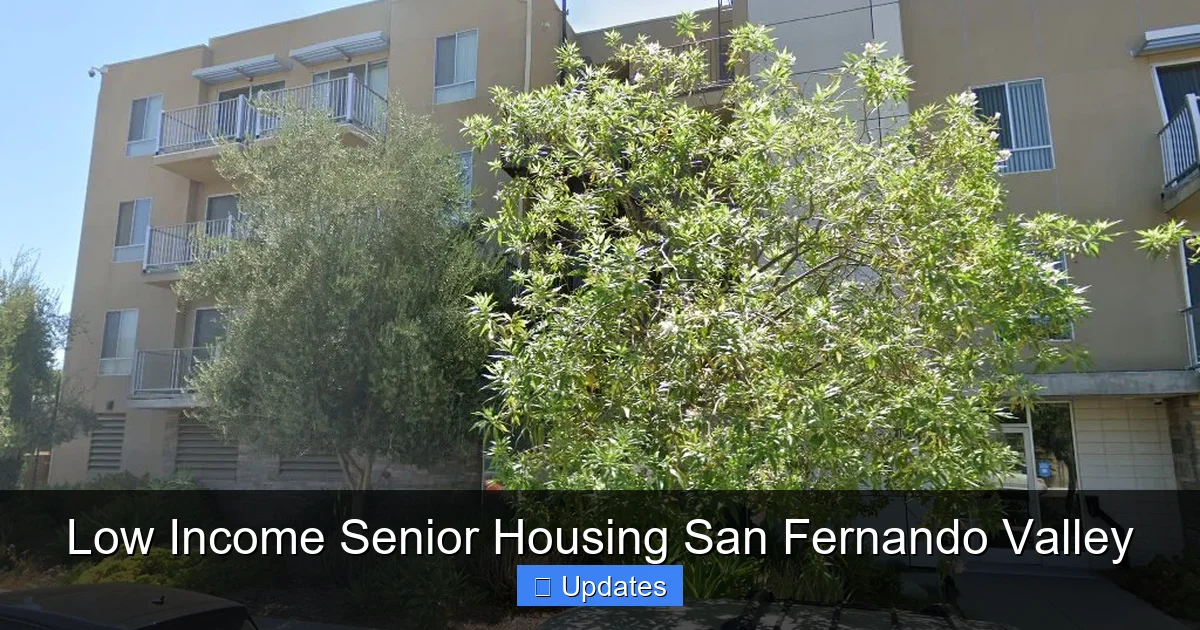
Visual guide about Low Income Senior Housing San Fernando Valley
Image source: cdn.uslowcosthousing.com
Getting approved isn’t automatic—but it’s achievable with preparation. Eligibility hinges on three main factors:
Age: Most programs require applicants to be at least 62 years old. A few accept 55+, particularly those serving veterans or people with disabilities.
Income Limits: In 2024, the income limit for a one-person household in the San Fernando Valley is $47,000/year. Two people max out around $54,000. If you earn slightly above, you might still qualify under “exceptional need” clauses, especially if you have medical expenses or dependents.
Asset Thresholds: While income is primary, some programs cap total assets (bank accounts, retirement funds, vehicles) at $100,000–$200,000 depending on the program.
Documentation needed includes:
– Proof of age (birth certificate or driver’s license)
– Recent pay stubs or Social Security award letters
– Bank statements
– Medical bills (if claiming deductions)
– Rental history or eviction records (for background checks)
Don’t worry if your documents aren’t perfect—counselors at the Los Angeles Housing Authority can help correct errors before final approval.
Tips for Strengthening Your Application
Even if you meet basic criteria, standing out among hundreds of applicants improves your chances. Here’s how:
Apply Early and Often: Send applications to multiple properties simultaneously. Each has its own lottery system and priority categories (e.g., disabled veterans, survivors of domestic violence).
Highlight Special Needs: Mentioning mobility limitations, chronic illness, or isolation concerns can trigger “vulnerable adult” priority status in some nonprofits.
Get Letters of Support: A note from a doctor, clergy member, or neighbor describing your situation adds weight.
Stay Persistent: Reapply every 6 months even after rejection—sometimes new funding opens up.
Also consider visiting properties in person. Touring shows commitment and helps you assess quality, safety, and vibe—all factors that influence selection committees.
Costs and What’s Included
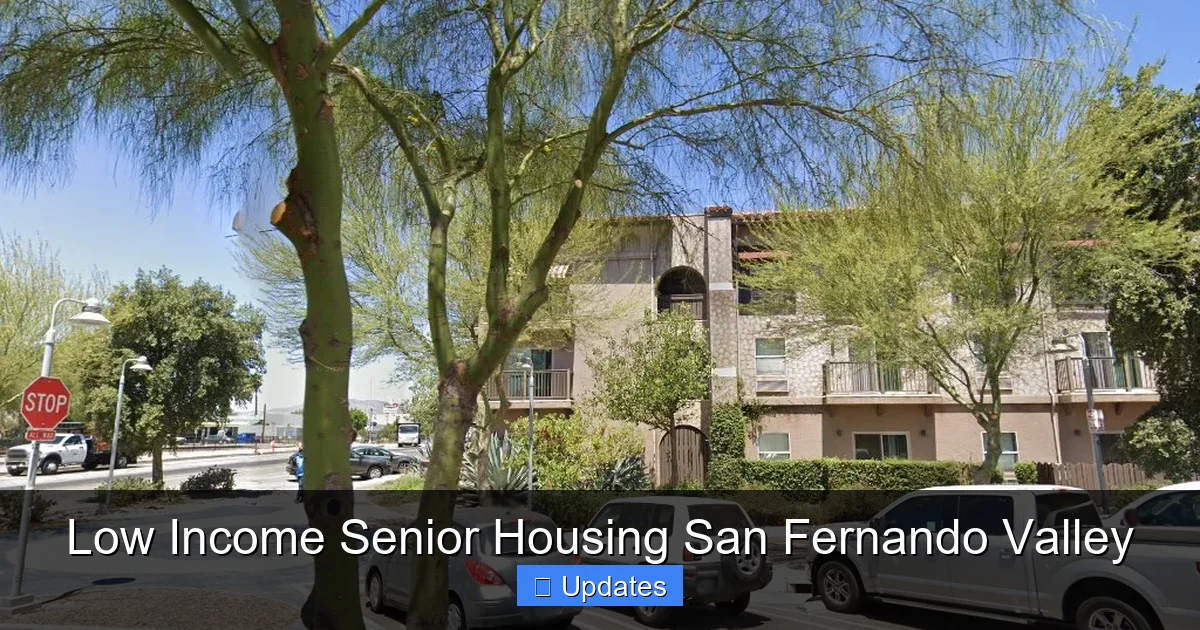
Visual guide about Low Income Senior Housing San Fernando Valley
Image source: cdn.uslowcosthousing.com
Rent varies widely—from $300/month in deeply subsidized units to $1,200 in newer LIHTC buildings. But remember: these aren’t market-rate prices. Instead, they’re calculated as a percentage of income.
For example:
– A senior earning $1,500/month pays ~$450 rent (30%)
– Another making $2,500 pays $750
– Those with no income may pay minimal fees or receive rental assistance top-ups
Utilities are frequently included—especially in older buildings where heating/cooling systems are shared. Meals may be offered through congregate dining rooms or meal delivery programs. Transportation to doctors or grocery stores is common too.
Some luxury-feel properties charge extra for amenities like pools, gyms, or beauty salons—but core housing remains affordable.
It’s important to clarify what’s covered upfront. Ask during tours: “Is water included?” “What about trash pickup?” “Are there application fees?” Hidden charges can surprise new residents.
Budgeting Beyond Rent
While base rent is low, other costs add up:
– Phone/internet ($40–$80/month)
– Personal care supplies
– Emergency fund for repairs
– Occasional out-of-pocket medical costs
Many residents set aside $100–$200 monthly for extras. Churches, food banks, and volunteer programs can offset some expenses.
If your income fluctuates (e.g., seasonal work), notify management immediately. They may adjust rent retroactively or connect you with emergency aid.
Top Low-Income Senior Housing Communities in the San Fernando Valley
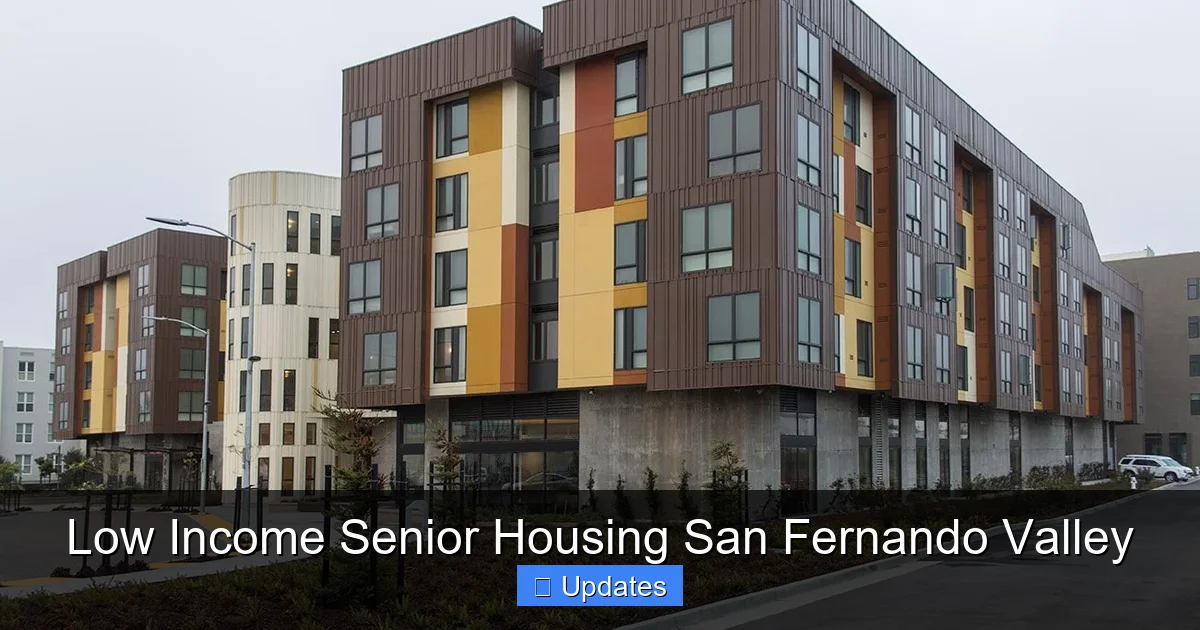
Visual guide about Low Income Senior Housing San Fernando Valley
Image source: lowincomehousing.us
Though availability changes rapidly, here are several well-regarded options as of mid-2024:
Shalom House (Woodland Hills): Run by Jewish Family Service, this 120-unit complex offers studio and one-bedroom apartments for Jewish seniors. Features include kosher-style meal programs, wellness clinics, and Shabbat services. Waitlist: ~18 months. Apply through Jewish Senior Living Options San Fernando Valley.
Valley Gardens (Van Nuys): Managed by Mercy Housing, this 60-unit HUD-assisted building serves non-Jewish seniors regardless of faith. Amenities include a community garden, fitness center, and weekly bingo nights. Income limit: $47k (single). No current waiting list—apply now!
North Hollywood Senior Residence (NHSR): A newer 80-unit development with ADA-compliant units, on-site physical therapy, and subsidized cable/internet. Serves veterans and general population. Contact LA County HOA for intake forms.
Encino Senior Apartments: Offers rent-controlled studios starting at $425/month. Includes laundry, storage, and shuttle to Kaiser Permanente. Open to all seniors 62+. Apply via mail or drop box at 16200 Ventura Blvd.
Note: Availability shifts frequently. Always verify current status by calling ahead or checking the LA County Housing Portal.
How to Visit Properties Safely
Virtual tours help, but nothing beats seeing a place in person. When scheduling visits:
– Bring identification and proof of income
– Ask about noise levels, resident demographics, and rule enforcement
– Observe cleanliness, lighting, and elevator functionality
– Talk to current residents (they’ll give honest feedback)
– Note emergency procedures and fire drill frequency
Avoid properties with peeling paint, broken handrails, or unresponsive management. Trust your instincts—you deserve a safe, respectful environment.
Support Services and Lifestyle Benefits
Affordable doesn’t mean isolated. Modern senior housing increasingly emphasizes holistic well-being. Common services include:
On-Site Health Clinics: Nurse visits, flu shots, blood pressure monitoring—often free or low-cost.
Meal Programs: Daily hot meals, nutrition education, and diabetic-friendly options.
Transportation Assistance: Scheduled shuttles to medical appointments, pharmacies, and senior centers.
Social Activities: Art classes, book clubs, movie nights, holiday celebrations.
Counseling and Case Management: Help navigating Medi-Cal, legal aid, or family mediation.
These extras reduce reliance on external services, saving time and money. Plus, they combat loneliness—a major health risk for seniors.
Building Community Connections
Ask about resident councils or volunteer opportunities. Many communities welcome help organizing events or mentoring newcomers. Being involved boosts satisfaction and may lead to faster move-in if vacancies arise.
Also explore nearby resources: The San Fernando Valley Older Adults Commission hosts monthly forums at the Van Nuys Library. Volunteer drivers from organizations like Senior Ride offer discounted rides.
Remember: asking for help isn’t weakness—it’s wisdom. Staff members are trained to assist; lean on them.
Common Challenges and How to Overcome Them
Despite their benefits, low-income senior housing faces real hurdles:
Long Waitlists: Solution? Apply everywhere, stay flexible geographically, and consider roommate arrangements if allowed.
Limited Accessibility: Not all units have roll-in showers or grab bars. Request ADA modifications during application—federal law requires reasonable accommodations.
Strict Guest Policies: Some restrict overnight visitors. Negotiate exceptions for family caregivers if possible.
Language Barriers: Spanish-speaking applicants should seek bilingual staff or translation services. The Multilingual Senior Services Network provides interpreters at intake fairs.
Stigma Around Subsidized Housing: It’s not charity—it’s earned entitlement. Own your right to safe, dignified housing.
Persistence pays off. Thousands of seniors successfully navigated these challenges last year alone.
Planning Ahead: Starting the Process Early
The best time to begin is now—not when you need a bed. Begin gathering documents six months before anticipated move date. Set calendar reminders to reapply every 60 days.
Create a binder with:
– Copies of ID and Social Security cards
– Recent tax returns
– Utility bills showing address
– Medical records (if claiming deductions)
– List of preferred locations
Keep digital backups too. Email scanned copies to yourself and trusted family members.
Consider enlisting a “housing navigator”—a social worker or advocate who specializes in senior placement. Costs are often waived for low-income clients through county programs.
And don’t underestimate emotional support. Moving stresses everyone. Involve family, friends, or support groups early so transitions feel less abrupt.
When All Else Fails: Temporary Solutions
If permanent housing isn’t immediate, explore short-term options:
– Stay with relatives (with written agreements)
– Rent a room via platforms like Roomster (filter by senior-friendly filters)
– Utilize hotel voucher programs through local nonprofits
But prioritize long-term stability—housing insecurity harms health more than anyone realizes.
Conclusion: Dignity Through Stability
Access to safe, affordable housing isn’t a luxury—it’s a human right. For seniors in the San Fernando Valley, low-income housing programs make that principle tangible. Whether you’re a lifelong resident, a recent immigrant, or a veteran returning home, you deserve a place that feels like yours.
The journey won’t always be easy. Waitlists stretch, paperwork piles up, and setbacks happen. But with knowledge, patience, and community support, you can secure a haven where comfort meets compassion.
Start today. Call the LA County Housing Hotline. Visit a senior center. Reach out to a nonprofit. Every conversation brings you closer to home.
You’ve earned this peace of mind. Now it’s time to claim it.
Frequently Asked Questions
What is the income limit for low income senior housing in San Fernando Valley?
The income limit is typically 50% of the area’s median income. For a single person in 2024, that’s about $47,000 per year. Larger households have higher limits based on family size.
How long are waitlists for affordable senior housing?
Waitlists vary by property but often range from 6 months to 2+ years. Some newer developments have no waitlist, so applying early and broadly increases your chances.
Can I apply to multiple senior housing properties at once?
Yes! There’s no penalty for applying to several places. Just make sure to track deadlines and requirements carefully for each.
Are utilities included in low income senior housing rent?
Often yes—especially in older buildings where heating/cooling is centralized. Confirm during your tour or application process.
Do I need to be disabled to qualify for low income senior housing?
No. Age (62+) and income are the primary criteria. However, disability status may grant priority in some programs.
What if my credit score is poor or I’ve been evicted?
Many subsidized housing programs overlook minor credit issues if you have steady income and good references. Be honest during intake—don’t hide past mistakes.