
Low Income Senior Housing Spokane Wa


Weighted Blanket

Folding Walking Stick with Seat

Medical Alert System
Finding low income senior housing in Spokane, WA is a critical need for many older adults on fixed incomes. This comprehensive guide navigates the available options, from subsidized apartments to income-restricted communities, detailing eligibility requirements and the application process. We provide practical, local advice to help you or your loved one secure safe, affordable, and comfortable senior housing in the Spokane area.
Navigating the landscape of senior living is daunting enough, but when you add the pressure of a fixed or limited income, the challenge can feel overwhelming. For many older adults in Spokane, Washington, finding a place to call home that is both safe and financially sustainable is the top priority. The good news is that Spokane has a dedicated, if sometimes complex, network of low income senior housing options. This guide is designed to be your friendly, comprehensive roadmap. We’ll break down the jargon, explain the programs, list specific local properties, and give you actionable steps to take right now. Think of this as a conversation with someone who’s done the research and wants to help you find peace of mind in your golden years.
Key Takeaways
- Multiple Housing Types Exist: Spokane offers subsidized apartments (Section 202), income-restricted market-rate properties, and some shared housing models tailored for seniors with limited incomes.
- Eligibility Has Strict Guidelines: Programs typically require age 62+ (for some) or 55+/62+ for communities, with income limits usually at or below 60% of the Area Median Income (AMI), which changes annually.
- Waitlists Are Common & Long: The most desirable low income senior housing in Spokane WA often has waitlists spanning several months to multiple years; applying to multiple properties is essential.
- Documentation is Key: Be prepared to verify age, income (Social Security, pension, etc.), assets, and residency with official documents like tax returns, bank statements, and a valid ID.
- Local Non-Profits Are Vital Resources: Organizations like the Spokane Housing Authority, Aging and Long Term Care of Eastern Washington (ALTCEW), and United Way offer navigation help, counseling, and sometimes direct housing assistance.
- Understand All Costs: “Affordable” often means rent is 30% of adjusted gross income; however, be sure to ask about utilities, parking, and other fees to understand the total monthly cost.
- Visit and Ask Questions: Always tour a potential community, meet management, and ask about policies on guests, pets, maintenance, and community services before applying.
📑 Table of Contents
- Understanding the Need and the Landscape in Spokane
- Types of Low-Income Senior Housing Available
- Eligibility: Who Qualifies for These Programs?
- The Application Process: A Step-by-Step Guide
- Key Resources and Support Systems in Spokane
- Practical Tips and Common Pitfalls to Avoid
- Conclusion: A Path Forward
Understanding the Need and the Landscape in Spokane
Spokane, like many mid-sized American cities, has a growing population of seniors. Many of these individuals live solely on Social Security, a modest pension, or other limited retirement savings. With the rising costs of housing, healthcare, and everyday goods, a standard apartment can quickly consume 50% or more of a monthly income, leaving nothing for food, medicine, or emergencies. This is where dedicated affordable senior housing becomes not just a convenience, but a necessity for health and dignity.
The low income senior housing Spokane WA market is supported by a mix of federal, state, and local initiatives. The primary engine is the U.S. Department of Housing and Urban Development (HUD), which funds programs that incentivize developers to create and maintain rent-restricted units for seniors. Locally, the Spokane Housing Authority administers many of these programs and also owns and manages some properties. Additionally, non-profit developers and some private owners participate in these subsidy programs. Understanding that this is a partnered effort—federal dollars with local implementation—is key to knowing where to look for help.
The Financial Reality for Spokane Seniors
To grasp why these programs are so vital, consider the numbers. As of recent data, the average monthly Social Security benefit is just over $1,700. The fair market rent for a one-bedroom apartment in Spokane is approximately $1,200. That leaves less than $500 for all other expenses. Programs targeting low income senior housing are designed to cap rent at roughly 30% of a resident’s adjusted gross income, making that same apartment potentially cost $400-$500 per month, depending on exact income. This dramatic difference is what makes independent living possible for thousands.
Types of Low-Income Senior Housing Available
Not all affordable senior housing in Spokane is created equal. The term encompasses several distinct models, each with its own rules, atmosphere, and target resident. Knowing the differences helps you apply to the places that best fit your or your loved one’s lifestyle and needs.

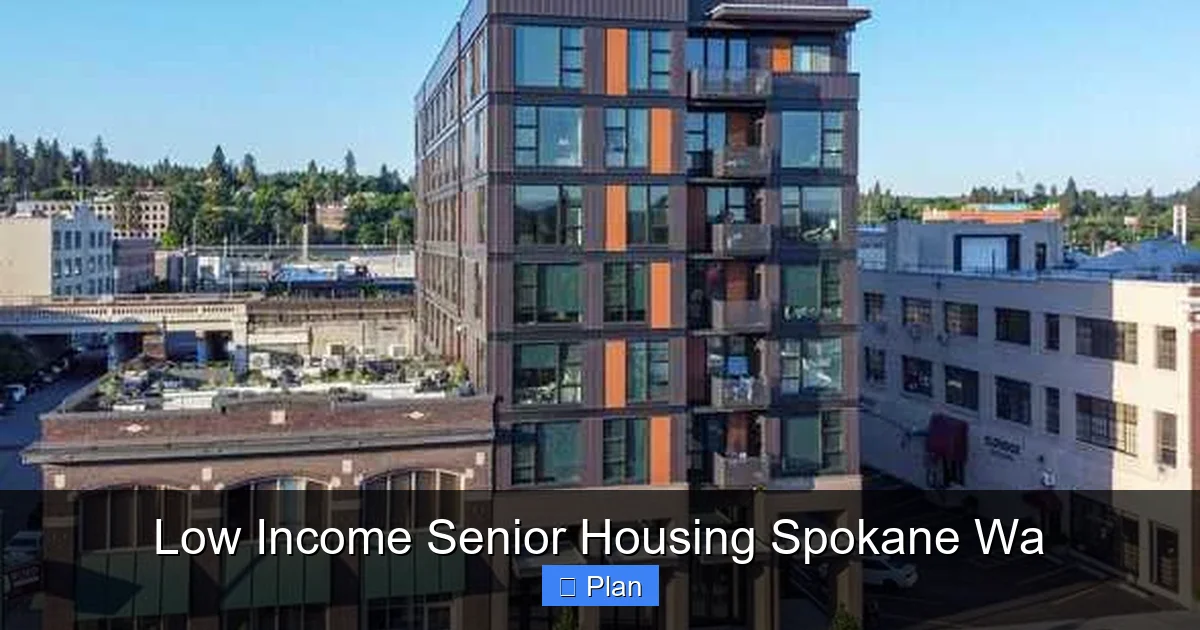
Visual guide about Low Income Senior Housing Spokane Wa
Image source: lowincometemporaryhousing.com
Subsidized Housing (Project-Based Section 202 & 8)
This is the classic model. The federal government provides capital subsidies to developers to build or rehabilitate properties specifically for seniors. In return, the owner agrees to keep a certain number of units at deeply affordable rents for a set period (often 20-40 years). Rents are based on income. These are often standalone apartment buildings or complexes with age-restricted communities (usually 62+). They may offer services like a community room, laundry facilities, and sometimes transportation. Examples in Spokane include properties developed by organizations like Meridian and Southside Senior Housing.
Income-Restricted Market-Rate Communities
Some private, for-profit apartment communities set aside a percentage of their units as “income-restricted.” They accept HUD’s Section 8 Housing Choice Vouchers, which a resident can use to subsidize rent in any participating unit. This model offers more choice in location and sometimes more modern amenities, as these are often newer buildings. The key is finding a landlord who accepts the voucher. The Spokane Housing Authority manages the voucher program and can provide a list of participating landlords.
Section 8 Housing Choice Voucher Program (HCV) for Seniors
While not a specific building, this is a powerful tool. Seniors who qualify for the voucher can use it to rent a unit from a private landlord who agrees to participate. The tenant pays about 30% of their income in rent, and the voucher pays the rest directly to the landlord, up to a local payment standard. The major challenge is the waitlist; the Spokane Housing Authority’s waitlist for Section 8 vouchers is often closed for years at a time due to overwhelming demand.
Shared Housing & Roommate Matching
A less formal but growing option is shared housing, where seniors rent a room in a private home or apartment, often sharing common areas and sometimes meals. This can significantly reduce costs and provide social connection. Local non-profits and some senior centers sometimes facilitate roommate matching programs for seniors.
Eligibility: Who Qualifies for These Programs?
This is the gatekeeper question. Eligibility for low income senior housing in Spokane WA is primarily determined by three factors: age, income, and sometimes assets.
Visual guide about Low Income Senior Housing Spokane Wa
Image source: lowincomehousing.us
Age Requirements
For properties funded under the Section 202 program (the most common for dedicated senior buildings), the head of household must be 62 years or older. For communities that are “55 and older” or “62 and older” under the Housing for Older Persons Act (HOPA), the rules can vary slightly, but generally, all residents must meet the age threshold (e.g., 55+ with at least one occupant 55+ in each unit). Always check the specific property’s lease restrictions.
Income Limits
This is the most critical and variable factor. HUD sets income limits annually based on the Area Median Income (AMI) for the Spokane metropolitan area. For 2024, the very low-income limit for one person is around $46,300, and the extremely low-income limit is around $27,800. Most affordable senior housing targets households earning 50% or 60% of AMI or less. You must verify the current year’s limits with the specific property or the Spokane Housing Authority, as these numbers adjust yearly.
Asset Tests and Background Checks
Some programs, particularly those with deeper subsidies, may look at assets (savings, stocks) to ensure the assistance goes to those most in need. However, many focus primarily on income. All applications will involve a criminal background check and possibly a check on previous rental history. Serious criminal records or prior evictions can be grounds for denial.
The Application Process: A Step-by-Step Guide
Applying for low income senior housing Spokane WA is a marathon, not a sprint. Patience and organization are your greatest allies. Here is a realistic roadmap.
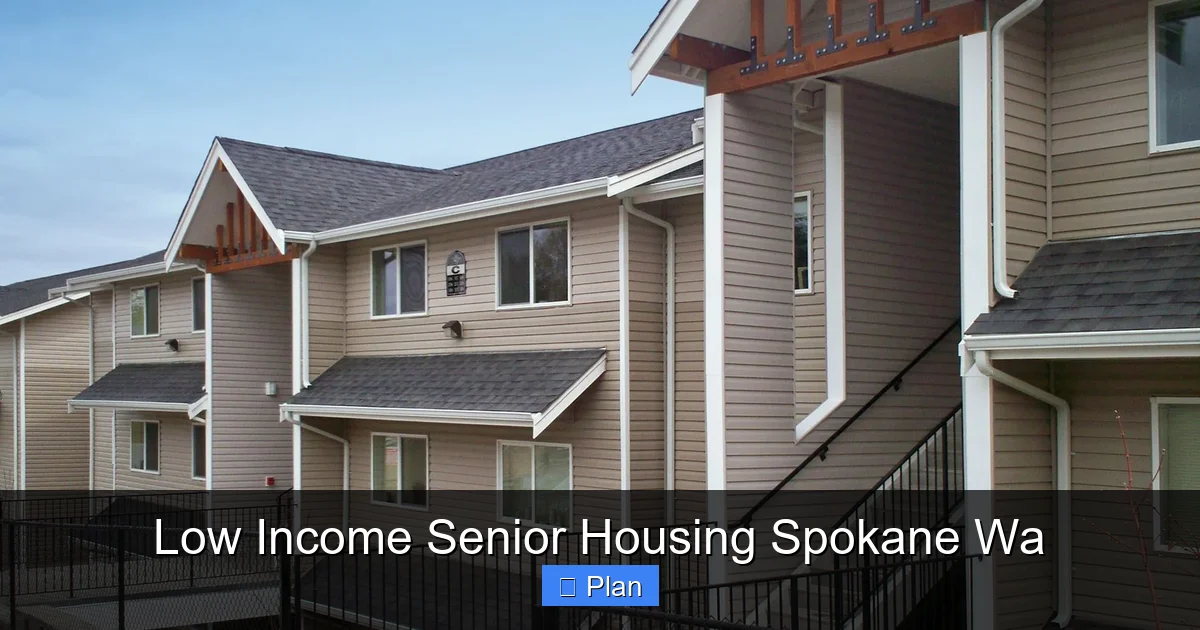
Visual guide about Low Income Senior Housing Spokane Wa
Image source: lowincomehousing.us
Step 1: Self-Assessment and Documentation Gathering
Before you even pick up a phone, gather your paperwork. This includes:
- Proof of age (driver’s license, passport, birth certificate)
- Proof of income for all household members (most recent tax return, Social Security award letter, pension statements, bank statements showing direct deposits)
- Proof of assets (bank statements, retirement account statements)
- Current landlord contact information and rental history
- Identification for all household members
Having these documents ready will make every subsequent step faster and less stressful.
Step 2: Research and Create a Target List
Don’t apply to just one place. Research all the properties in Spokane that fit your income and age criteria. Use resources like the Spokane Housing Authority website, the Washington State Housing Finance Commission’s affordable housing directory, and sites like Affordable Housing Online. Create a spreadsheet with property names, addresses, phone numbers, waitlist status, and notes.
Step 3: Get on Waitlists (Simultaneously)
This is the most crucial action. When you find a property with an open waitlist, apply immediately. Many properties only open their waitlists periodically (e.g., once a year or when a unit becomes available). You will likely need to complete a detailed pre-application form. Submit it via the method they request (online, mail, in-person) and get a confirmation. Apply to as many as possible. A waitlist position of #200 at one property and #50 at another gives you two shots.
Step 4: The Interview and Verification
When your name nears the top of a waitlist (they will contact you), you’ll have a formal interview. This is where you present all your documentation. A housing manager will verify every piece of information. Be honest and thorough. They will calculate your “tenant rent” based on your adjusted gross income. This is not the time to be shy about your financial situation; it determines your actual rent.
Step 5: Unit Selection and Move-In
Once verified and approved, you will be offered a specific unit. You’ll have a limited time (often 1-2 weeks) to accept or decline. If you accept, you’ll sign a lease, pay a security deposit (often equal to one month’s tenant rent), and schedule a move-in date. Do not burn bridges by declining an offer without a very good reason, as you may be removed from that particular waitlist.
Key Resources and Support Systems in Spokane
You don’t have to do this alone. Spokane has a robust network of agencies dedicated to helping seniors navigate housing and related needs. Leveraging these resources can dramatically improve your chances and experience.
Primary Housing Navigators
The Spokane Housing Authority is the central hub for all HUD-funded programs in the city, including Section 8 vouchers and public housing for seniors. Their website is a primary resource, and their staff can answer questions about eligibility and waitlist status. The Aging and Long Term Care of Eastern Washington (ALTCEW) is another critical agency. While they don’t own housing, their Information and Assistance specialists are experts on all senior services in the region, including housing. They provide free, unbiased counseling and can help you understand your options and complete applications. They are an invaluable partner for any low income senior housing Spokane WA search.
Non-Profit Developers and Property Managers
Organizations like Meridian and Volunteers of America (which manages properties like the historic Breslin Building for seniors) are major providers. Their websites list available properties and application instructions. Building a relationship with the property manager at a specific building you’re interested in can also be helpful; they often have the most current information about their specific waitlist.
Comprehensive Support for Holistic Needs
Housing is just one piece. Securing affordable rent is essential, but seniors also need help with meals, transportation, and healthcare. The Spokane Regional Health District and United Way of the Inland Northwest (dial 2-1-1) can connect you to services like Meals on Wheels, senior center activities, and transportation assistance. Addressing these needs can make a fixed income stretch further and improve quality of life, which is the ultimate goal of finding stable low income senior housing. For broader guidance on financial and social support programs, you can explore resources on help for low-income seniors.
Practical Tips and Common Pitfalls to Avoid
Based on real experiences, here is advice to keep your search on track.
- Start Now, Even If You’re Not Ready to Move: Get on waitlists the moment you hear about an opening. A waitlist spot today might mean a unit in two years when you actually need it.
- Be a Pest (Politely): It’s okay to call a property manager every 3-6 months to check on your waitlist position and confirm your contact information is correct. Don’t call weekly.
- Beware of Scams: Never, ever pay money to get on a waitlist or to “secure” an apartment. Application processes are free. Be wary of anyone asking for wire transfers or gift cards. Always verify a property’s legitimacy by calling the management company directly using a phone number from an official website.
- Read the Lease Meticulously: Before signing, understand all rules regarding guests, quiet hours, pet policies (many are “no pets” or have breed/weight limits), and what maintenance is covered by the landlord versus the tenant.
- Plan for the Future: Consider your long-term needs. Does the property have an elevator? Are the bathrooms accessible? Is there a plan if your health declines? While you want independence now, ensuring the community can support you if needs change is smart planning.
Understanding the fundamental qualification criteria is your first power move. The core question “How do I even qualify?” is answered by specific income and age thresholds that vary by program. To get a clear, foundational understanding of these national and state-level eligibility rules before diving into the Spokane-specific search, take a moment to review the detailed guide on how to qualify for low income senior housing. This knowledge will help you assess your own situation accurately as you begin your local applications.
Conclusion: A Path Forward
The search for low income senior housing in Spokane, WA is a journey that tests patience and organization, but it is a path that thousands have successfully walked. The combination of federal subsidies, committed local housing authorities, and dedicated non-profit partners means that safe, affordable senior living is not a myth in Spokane—it is a attainable reality for those who know how to navigate the system. The most important steps are to start early, document everything, apply widely, and lean on local experts at ALTCEW and the Spokane Housing Authority. Do not let the complexity of the process deter you. The reward—a stable home where you can age with security, community, and dignity—is worth every bit of effort. Begin your research today, gather your documents, and take that first step onto a waitlist. Your future self, settled in a comfortable and affordable Spokane home, will thank you.
Frequently Asked Questions
What are the income limits for low-income senior housing in Spokane?
Income limits are set by HUD and change annually. For 2024, a one-person household typically must earn at or below 60% of the Spokane Area Median Income (AMI), which is approximately $46,300. “Very low-income” limits are lower, around $27,800. Always confirm the current year’s exact figures with the specific property or the Spokane Housing Authority.
How long are the waitlists for these apartments?
Waitlists vary dramatically by property but are universally long. For the most popular subsidized buildings, wait times can range from 1 to 5+ years. Section 8 voucher waitlists through the Spokane Housing Authority have been closed for years due to high demand. Applying to multiple properties is the only strategy to potentially shorten your wait.
Can I have a pet in low-income senior housing?
Policies vary by property. Many traditional subsidized apartments have strict “no pet” policies, though they must make reasonable accommodations for service animals. Some newer income-restricted communities may allow small pets with a pet deposit and monthly fee. You must ask about the specific pet policy during your application and tour.
Are utilities included in the rent?
It depends. In many subsidized apartments, the tenant’s rent portion covers all utilities (heat, electric, water/sewer). However, some properties require tenants to set up and pay for their own electricity or other services. This is a critical question to ask during your interview and tour, as it significantly impacts your monthly budget.
What should I do if my income changes after I move in?
You must immediately report any change in household income to your property manager. Your rent is calculated on your current income. An increase (e.g., from a part-time job) could raise your rent portion, while a decrease (e.g., higher medical costs) could lower it. Failure to report changes can be grounds for eviction.
Where can I get help filling out applications?
Free, confidential help is available. Contact Aging and Long Term Care of Eastern Washington (ALTCEW) at their main number. Their Information & Assistance specialists are experts on local senior housing and can guide you through forms. The Spokane Housing Authority also provides some application assistance. Never pay for help with these free applications.
