
Low Income Senior Housing Little Rock Arkansas


Reacher Grabber Tool

Toilet Safety Rails

Lightweight Vacuum Cleaner
Finding affordable senior housing in Little Rock on a fixed income is challenging but very possible. This guide breaks down the key programs like Section 202 and Housing Choice Vouchers, lists specific properties in the area, and explains the step-by-step application process. You’ll learn about local resources, financial assistance for moving costs, and practical tips to navigate waiting lists. The goal is to give you a clear, actionable roadmap to secure safe, comfortable, and budget-friendly housing in Central Arkansas.
Let’s be honest: the cost of living is a major worry for many seniors. When you’re living on Social Security, a pension, or limited savings, finding a place to call home that doesn’t consume 50% or more of your income can feel impossible. In Little Rock, Arkansas, this is a very real concern. But here’s the good news: there are established, valuable resources and programs designed specifically to help seniors with modest means find safe, decent, and affordable housing. It’s not an easy or fast process, but it is navigable. This guide will walk you through everything you need to know about low income senior housing in Little Rock, Arkansas, from understanding the programs to applying successfully.
Key Takeaways
- Multiple Programs Exist: Federal programs like Section 202 Supportive Housing for the Elderly and the Housing Choice Voucher (Section 8) program are the primary sources for low-income senior housing in Little Rock.
- Eligibility is Based on Income and Age: To qualify, you must be 62+ (for most dedicated senior housing) and have an annual income typically below 50-60% of the Area Median Income (AMI) for Little Rock.
- Waiting Lists Are Long, Apply Early: Popular properties and voucher programs have extensive wait times, often 1-3 years. Applying to multiple properties simultaneously is a crucial strategy.
- Local Agencies Are Your Allies: The Little Rock Housing Authority and the Arkansas Development Finance Authority are essential for applications, while non-profits like the Senior Services Center of Pulaski County offer navigation help.
- Costs Extend Beyond Rent: Budget for utilities, internet, and groceries. Some programs offer utility assistance, and understanding what’s included in your rent (e.g., water, trash) is key to affordability.
- Explore All Housing Types: Options range from dedicated senior apartment complexes to scattered-site apartments using vouchers, and some mixed-age properties with senior-designated units.
- Documentation is Critical: Having organized proof of income, age, assets, and residency will prevent delays. Start gathering tax returns, Social Security award letters, and bank statements now.
📑 Table of Contents
- Understanding the Landscape: Why This Housing Exists
- Types of Low-Income Senior Housing Available in Little Rock
- How to Qualify: The Numbers Game
- The Application Process: A Marathon, Not a Sprint
- Financial Assistance Beyond Rent
- Local Resources and Contacts for Little Rock Seniors
- Practical Tips for Success and Common Pitfalls
Understanding the Landscape: Why This Housing Exists
Before we dive into specific listings, it helps to understand the “why” behind these programs. The federal government recognizes that seniors on fixed incomes are a vulnerable population when it comes to housing cost burden. To address this, it funds two primary types of assistance that you’ll encounter in Little Rock.
Project-Based Rental Assistance (PBRA)
This is the most common model for dedicated senior buildings. The government provides funding directly to a private property owner or non-profit developer. In exchange, the owner agrees to rent a certain number of apartments to income-eligible seniors at a reduced, “affordable” rate. The rent is typically set at 30% of the tenant’s adjusted gross income. The most famous program here is Section 202 Supportive Housing for the Elderly. You’ll see many Little Rock senior complexes labeled as “Section 202” properties. The assistance is tied to the apartment unit itself. If you move out, the subsidy stays with the unit for the next eligible tenant.
Housing Choice Vouchers (Section 8)
This is a tenant-based subsidy. If you qualify and receive a voucher from the Little Rock Housing Authority (LRHA), you can use it to rent *any* apartment in the private market that meets LRHA’s standards and where the landlord agrees to accept the voucher. The voucher pays the difference between 30% of your income and the established Fair Market Rent for that unit size in Little Rock. This gives you vastly more choice in location and community type. However, many landlords are hesitant to accept vouchers due to bureaucratic hurdles, so finding a willing landlord requires patience and persistence.
Understanding this distinction is your first step. It tells you whether you need to apply to specific buildings (PBRA) or apply for a portable voucher from the housing authority. Many seniors pursue both paths simultaneously.
Types of Low-Income Senior Housing Available in Little Rock
Little Rock offers a mix of housing types tailored for seniors. Here’s a breakdown of what you’ll find.
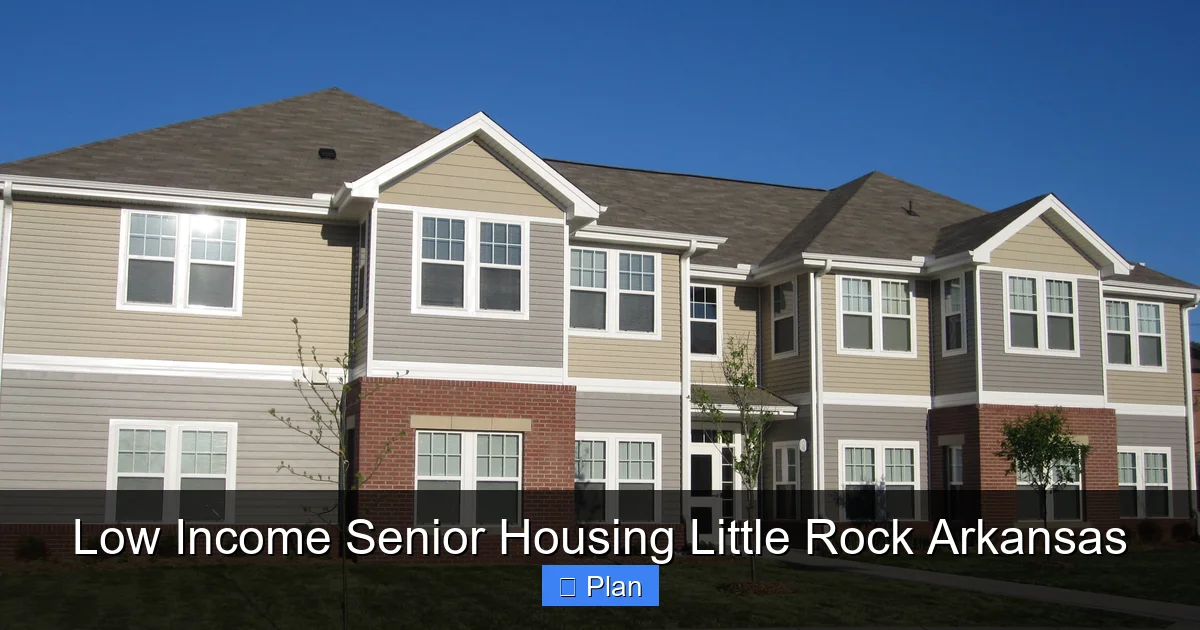
Visual guide about Low Income Senior Housing Little Rock Arkansas
Image source: s3.amazonaws.com
Dedicated Senior Apartment Complexes
These are communities where all residents are 55 or 62+ (the standard varies). They are designed with senior needs in mind: no stairs (or elevators), grab bars in bathrooms, emergency call systems, and often community rooms for social activities. Many are subsidized under Section 202. Examples in the Little Rock metro area include properties like The Reserve at Maumelle, Woodlands at Sweet Home, Chateau at Piedmont, and North Little Rock Senior Apartments. These are highly sought after due to the built-in community and accessibility features.
Scattered-Site Apartments Using Vouchers
Using a Housing Choice Voucher, you are not limited to senior-specific buildings. You can rent a standard apartment in a mixed-age complex anywhere in the city or even in surrounding towns like Maumelle, Conway, or North Little Rock, as long as the landlord accepts the voucher and the unit passes inspection. This option is ideal for seniors who want to stay in a specific neighborhood, be near family, or have a pet (voucher rules follow standard landlord pet policies).
Mixed-Age Properties with Senior Units
Some larger apartment complexes set aside a percentage of their units for seniors or people with disabilities, often through a project-based subsidy. These can feel more integrated into the general community while still offering affordability. They may not have all the senior-specific amenities but can be a good compromise.
How to Qualify: The Numbers Game
Eligibility for these programs boils down to two main factors: age and income.
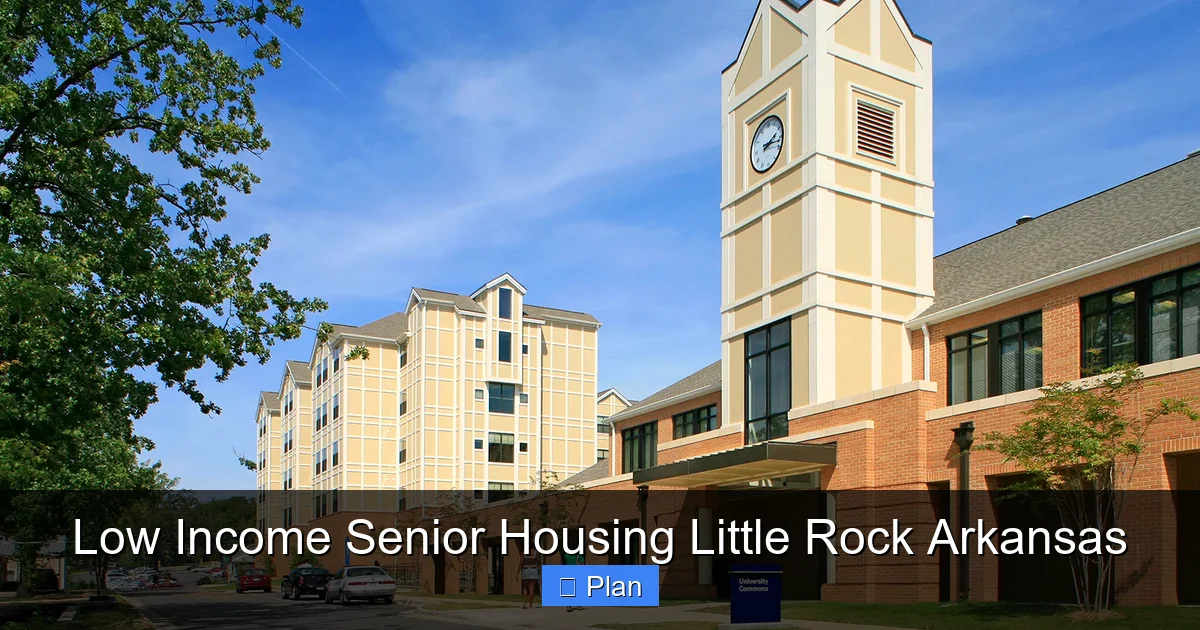
Visual guide about Low Income Senior Housing Little Rock Arkansas
Image source: cromwell.com
Age Requirements
For most dedicated senior housing (Section 202), you must be 62 years of age or older. Some properties set the minimum at 55. Always check the specific property’s requirements. For the Housing Choice Voucher, the head of household must be elderly (62+) to qualify under the “elderly” preference, though families and people with disabilities also qualify.
Income Limits
This is the stricter hurdle. Your household income must fall below a certain threshold, which is a percentage of the Area Median Income (AMI) for the Little Rock-North Little Rock-Conway metro area. HUD sets these limits annually. For 2024, the very low-income limit (50% AMI) for a one-person household in this area is around $37,100. For a two-person household, it’s about $42,400. Most subsidized housing targets those at or below 50% or 60% AMI. Your income includes Social Security, pensions, wages, and some asset income. To get a precise idea, you can search for “HUD income limits Arkansas” online. For a detailed walkthrough on calculating your income and understanding deductions, you can read our comprehensive guide on how to qualify for low-income senior housing.
Other Eligibility Factors
You must pass a criminal background check (certain felonies, especially drug-related, can be disqualifying). You must also be a U.S. citizen or have eligible immigration status. Finally, you must be able to live independently or with minimal services. Most of these housing programs are not licensed for assisted living; they are for seniors who do not require 24/7 personal care.
The Application Process: A Marathon, Not a Sprint
Applying for low income senior housing in Little Rock, Arkansas requires a systematic, patient approach. Here is your step-by-step battle plan.
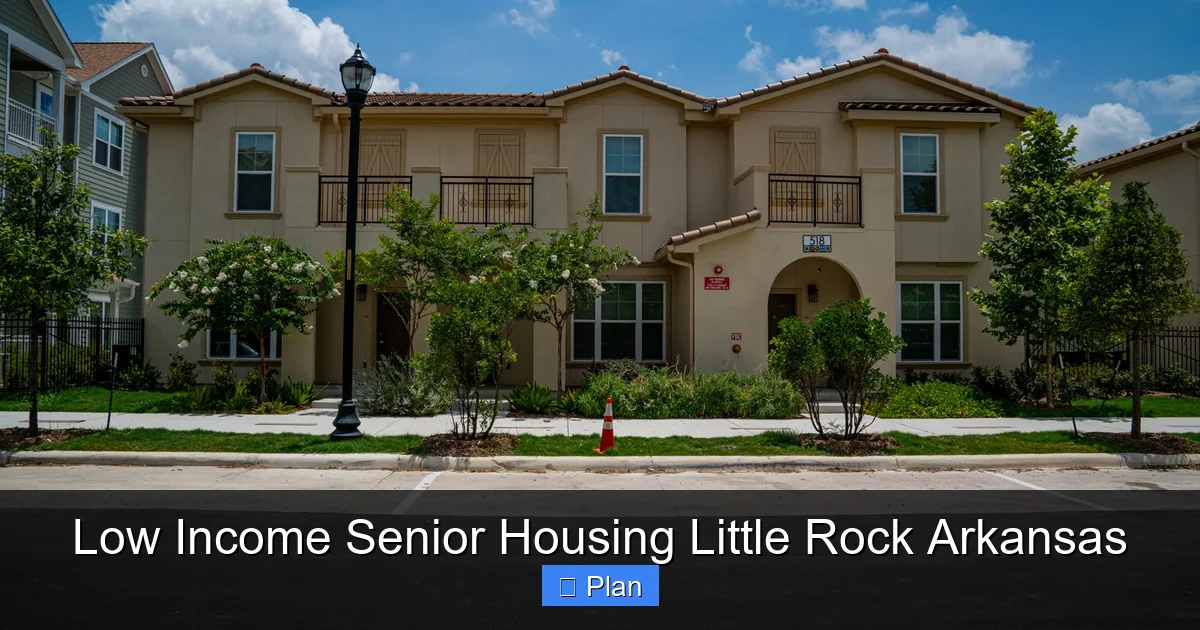
Visual guide about Low Income Senior Housing Little Rock Arkansas
Image source: homesa.org
Step 1: Get Your Documents in Order
Before you even pick up the phone, gather this paperwork. Having it ready will make every application smoother:
- Proof of Age: Driver’s license, state ID, or birth certificate.
- Proof of Income: Most recent Social Security award letter, bank statements showing deposits, pension statements, and last year’s tax return.
- Proof of Assets: Bank statements, stock/bond statements. (Some programs have asset limits).
- Proof of Residency: Current lease or mortgage statement, utility bill.
- Photo ID: For all household members.
Make copies. You will submit these repeatedly.
Step 2: Apply to the Little Rock Housing Authority (LRHA)
This is non-negotiable. The LRHA administers the Housing Choice Voucher program for the city of Little Rock and some surrounding areas. You must apply to get on their waiting list. Check their official website regularly for when the waiting list is open. It is only open periodically, sometimes for just a few days. When it opens, apply online immediately. You can also apply by mail or in person at their office. Get on this list first and foremost. You can also inquire if they have any project-based units they manage directly.
Step 3: Apply to Individual Properties
You must contact each senior apartment building you are interested in. Find their management office number (often listed on the property’s website or on signs). Call and ask: “Do you have an open waiting list for Section 202 subsidized apartments? What is the current wait time? What documents do you need to start an application?” Apply to as many as you can realistically see yourself living in. Don’t limit yourself to just one or two. Apply to 10+ if possible. The wait times for the most popular properties can be 3-5 years. By applying to multiple, you increase your chances of getting an offer sooner from one of them.
Step 4: The Waiting Game & Updates
Once you are on a waiting list, your job is to keep your information current. Notify the housing authority and every property of any change in address, phone number, household size, or income. If they can’t reach you, you can be removed from the list. Every 6-12 months, you may need to submit a “continued interest” form to stay active. Mark your calendar.
Step 5: The Offer and Move-In
When your name comes up, you will be contacted for an interview and to submit full documentation. They will verify your income and eligibility. If approved, you’ll sign a lease. For voucher holders, you must find a unit that passes inspection within a certain timeframe (usually 60-120 days). For project-based units, you move into the specific apartment offered. You will likely have to pay a security deposit, though some programs assist with this.
Financial Assistance Beyond Rent
Securing an affordable rent is the biggest hurdle, but day-to-day costs matter too. Here are other financial supports to explore in Little Rock.
Utility Assistance
The Low Income Home Energy Assistance Program (LIHEAP) helps with cooling and heating bills. In Arkansas, this is administered by the Arkansas Department of Energy and Environment. The Senior Services Center of Pulaski County also often has funds or can help you apply for local utility assistance programs. If your rent doesn’t include utilities, this can be a lifesaver, especially during Arkansas’s hot summers and cold winters.
Moving Cost Assistance
For those coming from homelessness or an unstable situation, one-time grants for moving costs, security deposits, and first month’s rent may be available through local non-profits or the Continuum of Care for the Little Rock area. Contact the Central Arkansas Resource Exchange (CARE) or the Pulaski County Human Services Department to inquire about emergency assistance funds.
Food Assistance
Don’t forget SNAP (Supplemental Nutrition Assistance Program, formerly food stamps). Many seniors qualify but don’t apply. The Senior Services Center can help with SNAP applications. Local food pantries and meal delivery programs like Meals on Wheels (run by the same Senior Services Center) can also stretch your food budget significantly.
Local Resources and Contacts for Little Rock Seniors
You don’t have to do this alone. Here are your key local contacts:
- Little Rock Housing Authority (LRHA): Your central hub for Section 8 vouchers. Website: www.lrha.org. Phone: (501) 340-5300. Office: 2100 W. Markham St., Little Rock.
- Senior Services Center of Pulaski County: An absolutely vital non-profit. They are the Area Agency on Aging. They offer benefits counseling (help with SNAP, Medicare, etc.), information and referral for housing, and operate the Meals on Wheels program. Website: www.seniorservices.org. Phone: (501) 661-0324.
- Arkansas Development Finance Authority (ADFA): They administer many of the state’s affordable housing tax credits and have a list of affordable rental properties. Their website is a good research tool: www.arkansas.gov/adfa/.
- HUD’s Local Field Office: The Dallas Regional Office covers Arkansas. They can answer questions about federal programs and provide a list of subsidized properties. Website: www.hud.gov/offices.
- 211: Dial 211 or visit www.211ar.org for a comprehensive directory of human services in Central Arkansas, including housing, food, and utility assistance.
When you call any of these places, be prepared to wait on hold. Be polite, persistent, and take detailed notes of who you speak to and what they tell you.
Practical Tips for Success and Common Pitfalls
Based on the experiences of many seniors who have navigated this system, here is some hard-won advice.
Apply Early and Apply Everywhere
We said it before, but it bears repeating. The moment you realize you need affordable housing, start applying. Do not wait until a crisis hits. Apply to the LRHA waiting list the second it opens. Get applications in the mail to 10-15 properties. The system is designed for those who are proactive and persistent.
Be Your Own Best Advocate
Caseworkers are overworked. Follow up on your applications. Call every 3-6 months to confirm you are still on the waiting list and your information is current. Be polite but firm. Keep a spreadsheet with columns for: Property Name, Phone, Date Applied, Contact Person, Next Follow-up Date, Status.
Beware of Scams
Never, ever pay money to get on a housing waiting list or to “guarantee” an apartment. Legitimate applications are free. Be wary of anyone asking for personal financial information over the phone unless you initiated the call to a verified number. If an offer seems too good to be true (e.g., a brand-new luxury apartment for $200/month), it is.
Consider Location and Transportation
Little Rock has limited public transit (Rock Region Metro). When looking at a property, consider its proximity to a bus line, grocery stores, and your doctor. A cheaper rent 10 miles from a bus stop may end up costing more in taxi/Uber fares. Factor in your total transportation budget.
Understand Your Lease and Rights
Once you move in, you are a tenant with rights. Read your lease thoroughly. Know the rules about guests, quiet hours, and pet policies. If you have a Housing Choice Voucher, your lease must go through the LRHA for approval. The landlord cannot evict you without cause. If you have issues, contact the LRHA tenant office or a local legal aid society like the Center for Arkansas Legal Services.
Finally, remember that securing this housing is a major victory. It provides stability and peace of mind, freeing up your limited income for other necessities like medicine, food, and enjoying your retirement. The journey requires patience, but a safe, affordable, and community-oriented home in Little Rock is an achievable goal for low-income seniors. Start your research today, get your documents together, and take that first step.
Frequently Asked Questions
What is the maximum income to qualify for low-income senior housing in Little Rock?
Income limits are based on HUD’s Area Median Income (AMI) for the Little Rock metro area. For most subsidized apartments, you must earn at or below 50% or 60% of the AMI. For a one-person household in 2024, 50% AMI is approximately $37,100. Limits increase with household size. Always verify the current year’s limits with the specific property or the Little Rock Housing Authority.
How long is the waiting list for Section 202 apartments in Little Rock?
Waiting times vary significantly by property. Some of the most popular, well-maintained complexes have wait times of 3 to 5 years. Others may have shorter lists of 1-2 years. The Housing Choice Voucher waiting list with the Little Rock Housing Authority is also typically closed for years at a time and when open, can have a wait of 1-3 years after you get on the list. Applying to multiple properties is essential to potentially shorten your wait.
Can I have a pet in low-income senior housing?
It depends entirely on the property’s pet policy. Many Section 202 complexes have strict “no pet” rules, though they must make reasonable accommodations for service animals. Some properties may allow small pets (cats, small dogs) with a pet deposit and possibly monthly pet rent. If you have a pet, you must ask about the policy before applying or accepting an offer. With a Housing Choice Voucher, you must follow the landlord’s standard pet policy.
Are utilities included in the rent?
It varies by property. Many Section 202 apartments include water, sewage, and trash removal in the rent. Gas, electric, and internet are typically the tenant’s responsibility. Always ask during your interview or when reviewing the lease: “Which utilities are paid by the tenant and which are included in the rent?” This is critical for accurate budgeting.
What if my income is just slightly above the limit?
Some properties have a small number of units at slightly higher income limits (e.g., 80% AMI). These are fewer and also have waiting lists. You should still apply and explain your situation, as certain medical or disability-related expenses can be deducted from your gross income to calculate your “adjusted income,” which might bring you under the limit. Always ask the property manager about these possibilities.
Who can help me fill out the applications?
The Senior Services Center of Pulaski County is your best local resource. Their benefits counselors can help you understand the process, gather documents, and even assist with filling out forms. You can also seek help from the staff at the specific apartment management offices; they are accustomed to assisting prospective tenants. Never pay a fee for this help—it should be free from non-profit agencies.