
Waldorf Senior Center Waldorf Md


Digital Thermometer

Orthopedic Pillow

Automatic Pill Dispenser
The Waldorf Senior Center in Waldorf, MD, stands as a vital community cornerstone, offering a dynamic schedule of social, educational, and health-focused activities designed to enrich the lives of adults aged 50 and older. From fitness classes and creative workshops to nutritious meals and essential support services, the center actively combats isolation and promotes holistic well-being for Charles County’s growing senior population. It’s more than a building; it’s a welcoming space where friendships flourish, skills are shared, and active aging is celebrated every day.
Key Takeaways
- Holistic Hub: The center provides far more than social events; it integrates physical health, mental stimulation, and nutritional support into a single, accessible location for Waldorf seniors.
- Community Pillar: It plays a critical role in reducing senior isolation by fostering intergenerational connections and partnerships with local organizations and similar hubs nationwide.
- Accessible & Affordable: Programs are designed to be low-cost or free, with transportation assistance and sliding scale fees ensuring inclusivity for residents across Waldorf and surrounding areas.
- Health & Wellness Focus: On-site health screenings, chronic disease management workshops, and partnerships with local providers make it a proactive health destination, complementing care from a dedicated senior medical center.
- Volunteer-Driven: The center thrives on senior volunteerism, allowing members to share their talents, from teaching tech classes to leading craft sessions, creating a powerful culture of mutual support.
- Future-Ready: With a 2026 strategic plan, the center is expanding digital literacy, telehealth access, and outdoor programming to meet evolving senior needs and technological advancements.
[FEATURED_IMAGE_PLACEHOLDER]
📑 Table of Contents
- A Beacon of Connection in Waldorf
- History, Mission, and the 2026 Vision
- Facilities, Amenities, and Daily Life
- Programs and Services: Something for Everyone
- Health and Wellness: A Proactive Approach
- Community Impact and Partnerships
- How to Get Involved: Membership, Volunteering, and Support
- Conclusion: A Model for the Future of Aging
A Beacon of Connection in Waldorf
Nestled in the heart of Charles County, the Waldorf Senior Center is far more than a physical space—it’s the vibrant, living room of the community for hundreds of local seniors. In 2026, as our society continues to navigate the lasting impacts of recent global shifts, the need for dedicated, welcoming spaces for older adults has never been greater. This center directly addresses the profound challenge of senior isolation, a silent issue affecting mental and physical health nationwide. It offers a consistent, reliable anchor where individuals can find purpose, friendship, and support. Walking through its doors, you’re greeted not by a sterile institutional atmosphere, but by the warm hum of conversation, the clatter of game pieces, and the shared laughter of friends old and new. It represents a proactive, joyful approach to aging, shifting the narrative from decline to growth, engagement, and continued contribution.
The center’s philosophy is simple yet powerful: every person, regardless of age or ability, deserves a place to belong, to learn, and to be seen. It serves as a critical nexus, connecting residents to resources, to each other, and to the wider Waldorf community. Whether you’re a retiree looking to fill your days with meaningful activity, a caregiver seeking respite, or a senior eager to share a lifetime of skills, this center is designed with you in mind. Its comprehensive ecosystem of services works to support independence, dignity, and a high quality of life, making it an indispensable asset for families and individuals across Waldorf, MD.
History, Mission, and the 2026 Vision
Roots in Community Need
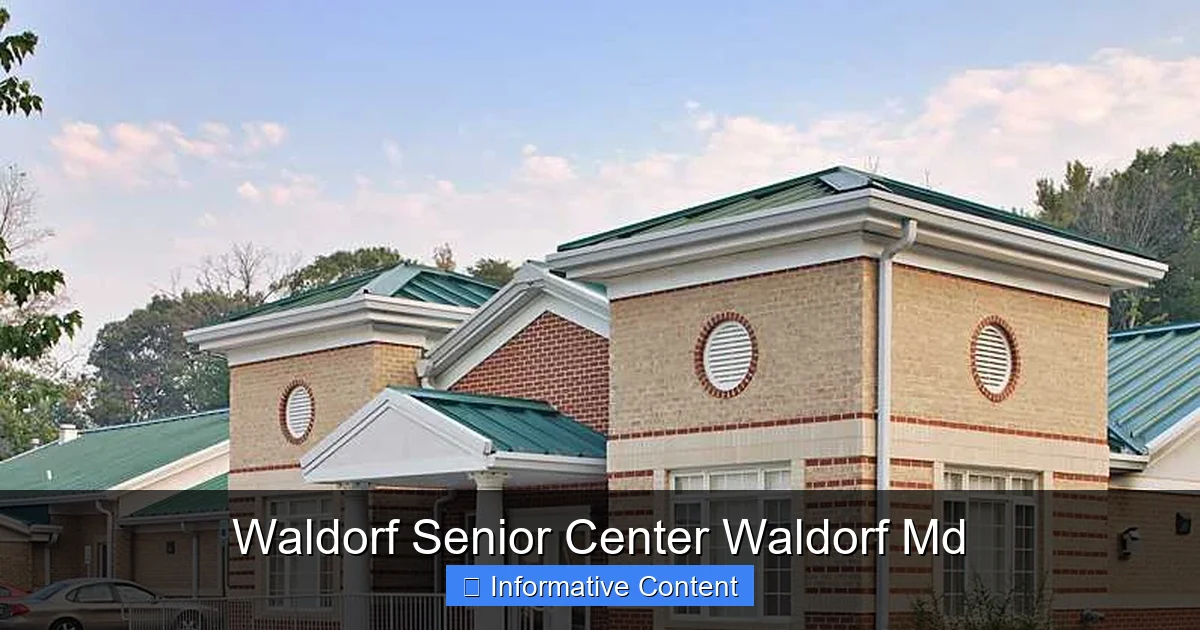
The Waldorf Senior Center emerged from a collective community push in the early 2000s, as local leaders and seniors themselves recognized a glaring gap in services for the area’s aging population. Charles County’s demographic shift toward an older median age necessitated a dedicated facility. After years of planning and advocacy, the center opened its doors, initially operating with limited hours and a small staff, heavily reliant on passionate volunteers. Its early mission was straightforward: provide a safe place for seniors to gather. Over the years, that mission has elegantly expanded, shaped by member feedback and evolving best practices in aging services.
Visual guide about Waldorf Senior Center Waldorf Md
Image source: genesishcc.com
Evolving Mission for Modern Seniors
Today, the center’s mission is a forward-thinking statement: “To empower adults 50+ in Charles County to live healthy, engaged, and connected lives through exceptional programs, partnerships, and advocacy.” This language emphasizes empowerment—not just passive reception of services—and explicitly includes the “50+” demographic, acknowledging that active aging begins well before traditional retirement age. The focus is on “exceptional” delivery, reflecting a commitment to quality and innovation.
The 2026 Strategic Plan: Looking Ahead
As we look to 2026, the center is guided by a strategic plan that builds on its strengths while boldly embracing the future. Key pillars include Digital Inclusion, with expanded tech labs and one-on-one coaching to bridge the digital divide; Health Integration, creating deeper ties with local healthcare systems for seamless wellness management; Environmental Design, planning for accessible outdoor gardens and walking paths to promote nature connection; and Intergenerational Programming, formalizing partnerships with Waldorf schools to create mentorship opportunities. This plan ensures the center remains a dynamic, responsive hub, not a static relic. The leadership team actively studies trends, such as those discussed in resources on integrated senior health models, to inform their roadmap.
Facilities, Amenities, and Daily Life
A Tour of the Space
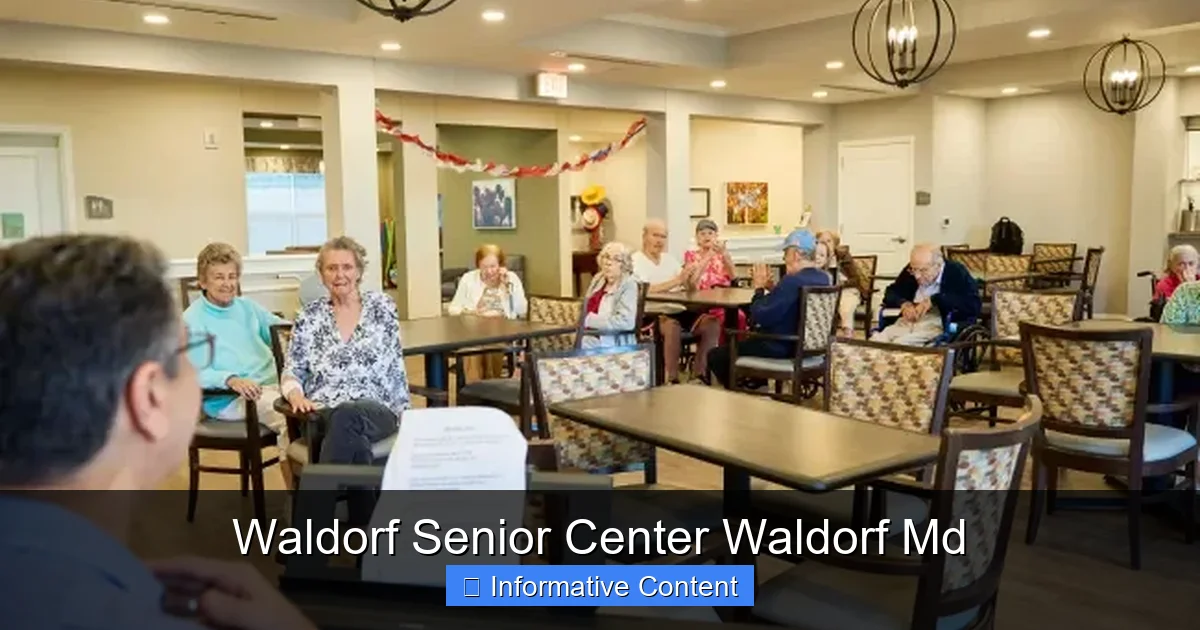
The physical layout of the Waldorf Senior Center is intentionally designed for accessibility and comfort. Entering the main atrium, you find a sunny communal lounge with comfortable, movable seating arranged for casual conversation or quiet reading. To one side, a bustling activity hall hosts everything from line dancing to bingo. A dedicated arts and crafts studio is well-lit and stocked, filled with the satisfying scent of clay and paint. A commercial-grade kitchen not only prepares the daily lunch service but also hosts cooking demonstrations. There is a quiet library nook with large-print books and puzzles, a fully-equipped fitness room with senior-friendly equipment, and smaller meeting rooms for support groups or club gatherings. The entire facility is compliant with ADA standards, featuring wide hallways, non-slip flooring, and ample handrails.
Visual guide about Waldorf Senior Center Waldorf Md
Image source: g5-assets-cld-res.cloudinary.com
The Heart of the Day: The Lunch Program
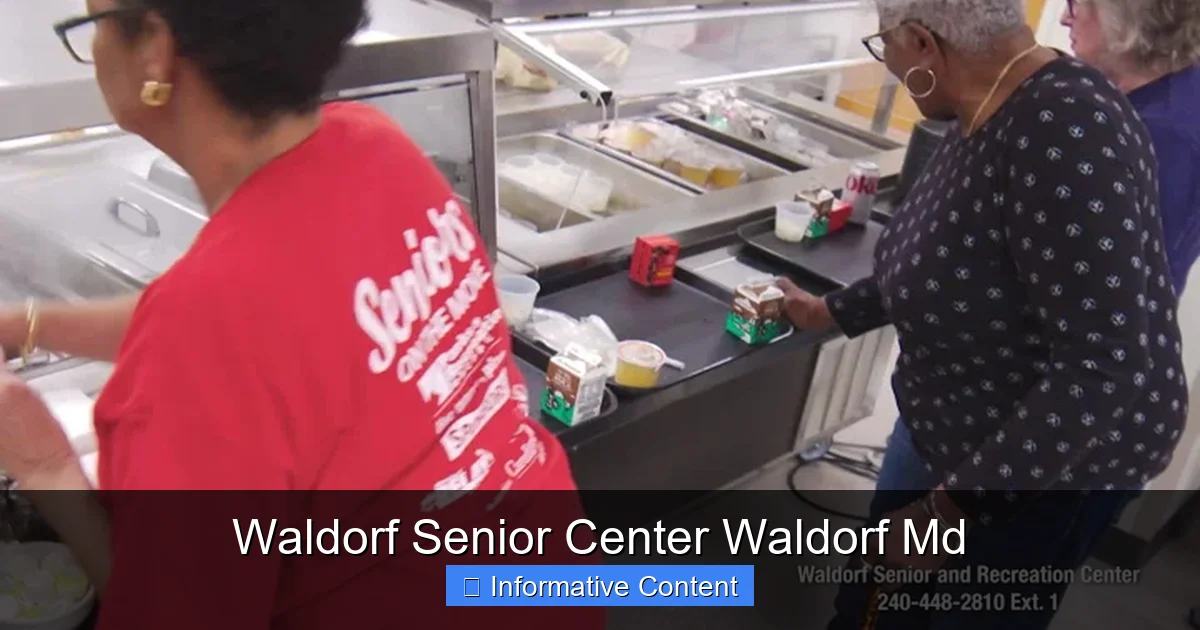
For many members, the weekday lunch is the center’s cornerstone. Served promptly at noon, the meals are far from typical institutional fare. Prepared with input from nutritionists and often featuring locally sourced ingredients, the menus are designed to be both appealing and health-conscious—think baked salmon with roasted vegetables, or a hearty vegetable soup with whole-grain bread. The dining room operates with a restaurant-like feel; servers take orders and deliver meals to tables, fostering a social atmosphere. The program is managed through a combination of county funding, federal grants (like the Older Americans Act), and a modest suggested donation of $3-$5 per meal, ensuring no senior is turned away due to cost. This daily ritual provides not just sustenance but a guaranteed social interaction, a vital check-in for those living alone.
Special Spaces for Special Needs
The center thoughtfully includes specialized areas. A “Sensory Room” offers a calm, low-stimulus environment with soft lighting and soothing sounds for members with dementia or anxiety. A small, private consultation room allows for confidential meetings with social workers or benefit counselors. There is also a secure, covered patio with raised garden beds where members with mobility challenges can participate in gardening therapy. These nuanced design elements demonstrate an understanding that “senior-friendly” means accommodating a wide spectrum of abilities and needs.
Programs and Services: Something for Everyone
Social & Recreational Lifelines
The activity calendar is a colorful, dense tapestry of options. Weekly staples include Bridge and Mahjong clubs, Watercolor painting classes, and Low-impact aerobics. Themed monthly events—like a “Roaring 20s” dance party, a holiday craft bazaar, or a “Senior Prom” with local high school students—create anticipation and excitement. The center also organizes regular off-site field trips to museums, historical sites, and casinos, often at deeply discounted group rates. These outings are crucial for members who no longer drive, offering a change of scenery and a shared adventure. The program roster is co-created; members can submit proposals to start new clubs, ensuring the offerings remain relevant and member-driven.
Visual guide about Waldorf Senior Center Waldorf Md
Image source: archive.org
Lifelong Learning & Skill Building
Combating the myth that learning stops with age, the center hosts a robust “Academy” series. Topics range from “Smartphone Photography” and “Understanding Medicare” to “Creative Writing Memoirs” and “Introduction to Genealogy.” These are often taught by volunteer experts from the community or by members themselves sharing a professional past—a retired accountant teaching tax basics, a former nurse leading a first-aid refresher. The center has also partnered with local colleges to offer audit-audit courses for free or minimal cost. This focus on intellectual engagement is directly linked to cognitive health, a point emphasized in many successful senior center models across the country.
Health, Wellness, and Support Services
Beyond recreation, the center is a gateway to essential health resources. A nurse is on-site several days a week for free blood pressure checks, glucose screenings, and medication reviews. Monthly, visiting pharmacists conduct comprehensive medication therapy management sessions. The center hosts regular workshops on fall prevention, nutrition for chronic conditions, and advance care planning, often featuring local physicians. A cornerstone service is the Benefits Counseling program, where trained volunteers and staff assist seniors in navigating complex systems like Social Security, SNAP (food stamps), and the Medicare Savings Programs. This direct application help can mean the difference between financial security and hardship for a fixed-income household.
Health and Wellness: A Proactive Approach
Fitness for Every Body
The fitness program is built on the principle of “move better, not just move.” Classes are tiered for ability. “Chair Yoga” and “Tai Chi for Arthritis” are immensely popular for their gentle, balance-building focus. The “Stronger Seniors” class uses resistance bands and light weights to combat sarcopenia (muscle loss). For the more active, there’s a “Cardio Dance” class set to classic Motown. The center also boasts a “Walking Club” that utilizes the nearby safe, paved trails, with volunteers accompanying those who need support. Instructors are certified in senior fitness and constantly adapt routines based on participant feedback and current research on aging and mobility.
Mental and Cognitive Wellness
Recognizing that mental health is inseparable from physical health, the center offers a suite of programs aimed at cognitive stimulation and emotional well-being. A weekly “Brain Fitness” class uses puzzles, memory games, and learning new skills to build cognitive reserve. A licensed social worker facilitates a bereavement support group and an “Anxiety & Aging” discussion circle. The center has also implemented the “Music & Memory” program, using personalized playlists to reach members with dementia, often unlocking memories and facilitating calm. These initiatives address the high prevalence of depression and anxiety in the senior population in a stigma-free, group setting.
Nutrition as Medicine
Building on the lunch program, the center runs a “Healthy Eating” series. A dietitian leads cooking demonstrations focusing on low-sodium, diabetes-friendly, and calcium-rich meals. The center maintains a small “Food Pantry” shelf with non-perishables and fresh produce (from a community garden partnership) for members in immediate need, a bridge until they can access larger food assistance programs. They also run a “Meals on Wheels” volunteer corps, where able members deliver hot lunches to homebound peers—a beautiful cycle of care that benefits both giver and receiver. This integrated view of nutrition as a direct component of health management is a model that could be enhanced by clearer guidance on medical insurance coverage for nutritional counseling.
Community Impact and Partnerships
More Than a Center: A Community Engine
The Waldorf Senior Center functions as an economic and social engine. It provides part-time employment for local residents (many of whom are semi-retired themselves) as activity aides, kitchen staff, and receptionists. It sources goods and services locally—from food suppliers to printing shops. Critically, it prevents or delays the need for more expensive institutional care by promoting independence. A senior who attends daily for lunch and a fitness class is more likely to remain safely in their home, reducing potential strain on family caregivers and the healthcare system. The center also serves as a disaster response point, a warming/cooling center, and an information hub during county emergencies.
Strategic Alliances
No senior center operates in a vacuum. The Waldorf center has cultivated deep partnerships. It has a formal collaboration with the Charles County Department of Health, which provides vaccination clinics and health educator presentations. A partnership with the local library system allows for mobile book deliveries and joint author talks. They work closely with home care agencies to provide seamless transitions for members who eventually need in-home support, ensuring they don’t lose their community connection. They also have a “Business Partner” program where local dentists, optometrists, and attorneys offer pro-bono consultations on-site. These alliances multiply the center’s impact and provide a trusted, centralized point of access for seniors.
How to Get Involved: Membership, Volunteering, and Support
Becoming a Member: It’s Easier Than You Think
Membership is open to any resident of Waldorf or Charles County aged 50 or older. The annual membership fee is intentionally low—$25 for an individual and $40 for a couple—making it accessible. There is no complex application; a simple form with basic contact information and an emergency contact is all that’s required. Many programs, including the lunch service and most activities, are open to non-members from the area on a per-visit basis, though members receive discounts and priority registration. The center actively recruits through local churches, libraries, and physician offices, understanding that the hardest-to-reach seniors are often those not already connected to community networks.
Volunteer: Your Skills Are Needed
Volunteers are the lifeblood of the center, and opportunities match every interest and availability. Roles range from a two-hour weekly commitment (front desk greeter, lunch server) to project-based work (grant writing, event planning). Skilled volunteers teach classes, lead clubs, or provide tech support. A particularly impactful program is the “Friendly Visitor” initiative, where volunteers are paired with homebound seniors for regular check-in calls or visits. The center provides training and background checks for all volunteers. For many retired professionals, volunteering here offers a sense of purpose, structure, and continued use of their hard-earned expertise.
Supporting the Mission
As a non-profit, the center relies on a mix of county funding, grants, membership dues, and private donations. The “Friends of the Waldorf Senior Center” is a 501(c)(3) nonprofit auxiliary that raises funds for special projects—like new fitness equipment, scholarship funds for trips, or the sensory room. They host an annual gala and smaller fundraisers. Corporate sponsorships are available, often tied to program naming rights. The center is transparent, publishing an annual impact report showing how donations translate into meals served, classes held, and seniors served. For families wanting to honor a loved one, tribute gifts are a meaningful option.
Conclusion: A Model for the Future of Aging
The Waldorf Senior Center in Waldorf, MD, exemplifies what a 21st-century senior center can and should be. It is a testament to community foresight and continuous adaptation. In 2026, it stands not as a passive waiting room for old age, but as an active laboratory for vitality, a place where the narrative of aging is rewritten daily with every shared meal, every learned skill, and every friendship forged. It addresses the full human spectrum of need—social, physical, intellectual, and emotional—with a dignity and joy that is palpable. For the seniors who walk through its doors, it provides a critical service: a reason to get up in the morning. For the broader community, it is an invaluable investment in the health and happiness of its eldest residents. Supporting and utilizing this center is not just an act of charity; it is an act of community building, ensuring that Waldorf, MD, is a place where people of all ages can thrive. If you or a loved one are in the area, a visit is the first step to discovering a world of opportunity. Pick up a schedule, say hello to the staff, and see for yourself how this center is helping to define the art of aging well.
Frequently Asked Questions
Who can join the Waldorf Senior Center?
Membership is open to any Charles County resident aged 50 or older. There is a small annual fee, but most core programs and the lunch service are also accessible to non-members on a per-visit basis.
Is there a cost for the programs and meals?
Programs are either free or very low-cost. The daily lunch program operates on a suggested donation of $3-$5 per meal, ensuring no one is denied service due to inability to pay. Some specialty classes or trips may have separate, material-based fees.
Does the center provide transportation?
Yes, the center coordinates with the Charles County Transit senior van service for door-to-door transportation to and from the center for eligible residents. They also help members sign up for this service and provide information on other local transportation options.
What are the hours of operation?
The center is typically open Monday through Friday from 8:00 AM to 4:00 PM. Core programming, including lunch, runs from 10:00 AM to 2:00 PM. Hours for specific fitness rooms or the library may vary slightly. Always check the current monthly calendar for exact times.
Can I volunteer if I’m not a senior?
Absolutely. The center welcomes volunteers of all ages, including younger adults and students. Volunteer roles are diverse, from assisting with events and the kitchen to providing administrative support or teaching a skill. A background check is required for roles involving direct member contact.
How can I donate or support the center?
You can donate directly to the “Friends of the Waldorf Senior Center” through their website or by mail. They also accept in-kind donations of craft supplies, paperback books, and non-perishable food items for their pantry shelf. Corporate sponsorships and planned giving opportunities are also available.
