
Withholding Water from Senior Dog at Night


Hands-Free Neck Magnifier

Reading Light for Bed

Weighted Blanket
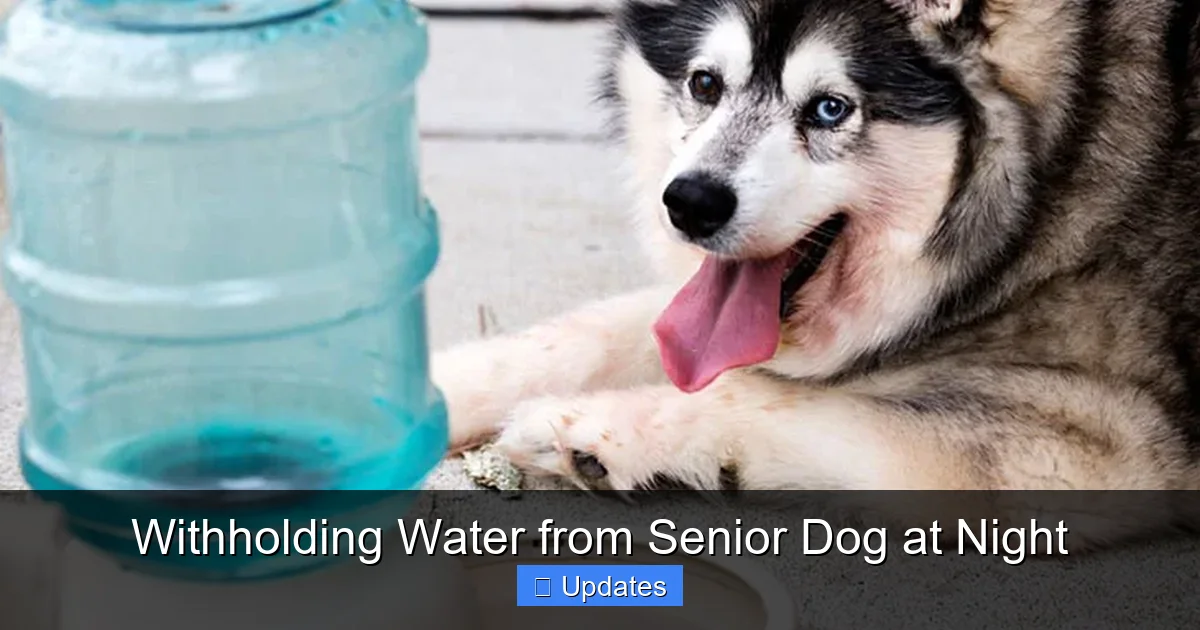
Withholding water from senior dog at night can be a helpful strategy for managing nighttime accidents or urinary incontinence, but it must be done carefully to avoid dehydration. Senior dogs often experience changes in kidney function, bladder control, and sleep patterns that may require adjustments to their routine.
While some owners reduce evening water intake to prevent bedtime accidents, others find it worsens discomfort or increases thirst-related anxiety. Always consult your vet before making changes, especially if your dog shows signs of excessive drinking, frequent urination, or coughing after drinking. Proper hydration supports joint health, digestion, and overall wellness—even in older dogs.
As our beloved canine companions grow older, many of us notice subtle shifts in their daily routines. One common concern among pet parents is whether they should withhold water from senior dog at night. It’s natural to worry about nighttime accidents, disrupted sleep, or even urinary incontinence. But here’s the truth: while limiting late-night water might seem like a quick fix, it’s not always the best approach—and sometimes, it can do more harm than good.
Senior dogs undergo numerous physiological changes that affect everything from metabolism to organ function. Their kidneys become less efficient at filtering waste, their bladders lose elasticity, and their sense of thirst may diminish. These changes can lead to increased nighttime urination or confusion about where to relieve themselves. However, cutting off water access after sunset isn’t a one-size-fits-all solution. In fact, forcing an older dog to go without water during critical hours can trigger dehydration, constipation, or even worsen existing health issues like arthritis pain or cognitive decline.
So how do you balance your dog’s comfort, safety, and dignity with practical household management? The answer lies in understanding your senior dog’s unique needs and working closely with your veterinarian. This article will walk you through what happens when you withhold water from senior dog at night, explore safer alternatives, and offer actionable steps to support your aging pup through this sensitive stage of life.
—
Key Takeaways
- Senior dogs may need reduced nighttime water access due to weakened bladder control or nocturia (frequent nighttime urination), but this should only be done under veterinary guidance.
- Dehydration risks outweigh convenience—restricting water entirely can harm kidneys, cause constipation, and increase stress in aging pets.
- Monitor for underlying conditions such as Cushing’s disease, diabetes, or heart issues that lead to increased thirst; these require medical attention, not just dietary tweaks.
- Offer water earlier in the day and use elevated bowls if needed to encourage full consumption without disrupting sleep cycles.
- Consider alternatives like moisture-rich foods—canned dog food or bone broth adds hydration without promoting nighttime bathroom trips.
- Track your dog’s behavior—if panting at night or restless sleeping persists, it could signal discomfort beyond simple hydration habits.
- Work with your vet on a tailored plan that balances comfort, mobility, and health needs specific to your senior dog’s breed, age, and medical history.
📑 Table of Contents
- Why Do Some Owners Withhold Water From Senior Dogs at Night?
- The Risks of Withholding Water From Senior Dogs
- When Is It Okay to Limit Evening Water?
- Safer Alternatives to Withholding Water
- Signs Your Senior Dog Needs Medical Attention
- Building a Gentle Routine for Your Aging Dog
- Conclusion: Prioritize Health Over Convenience
Why Do Some Owners Withhold Water From Senior Dogs at Night?
Many pet owners consider restricting water intake in the evening because of real concerns: wet beds, frequent nighttime trips outside, or accidents inside the home. For dogs suffering from urinary incontinence—a surprisingly common issue in seniors—the urge to urinate during sleep can’t always be controlled. While it’s frustrating for caregivers, simply stopping water access doesn’t address the root cause and can create new problems.
Another reason people restrict evening hydration is related to sleep disturbances. Just like humans, dogs benefit from uninterrupted rest. If your senior dog is waking up multiple times to drink or relieve themselves, both you and your furry friend may end up exhausted. That’s why some owners experiment with “last drink” schedules—giving water only several hours before bedtime—to consolidate bathroom breaks into fewer, more manageable windows.
But again, this strategy comes with caveats. Dogs don’t process fluids the same way we do. They absorb moisture continuously throughout the day, and their bodies rely on steady hydration—not spikes and drops—to function properly. Suddenly removing water access can shock their system, leading to dry gums, lethargy, or refusal to eat.
—
The Risks of Withholding Water From Senior Dogs

Visual guide about Withholding Water from Senior Dog at Night
Image source: doggrowth.com
Before deciding to limit your senior dog’s water intake at night, it’s crucial to understand the potential downsides. Hydration plays a foundational role in nearly every bodily process, especially as dogs age. Here are some key risks to watch out for:
1. Increased Risk of Dehydration
Older dogs are naturally prone to dehydration due to reduced kidney function and lower baseline fluid levels. When you restrict water availability, especially in warm climates or active breeds, your dog may struggle to replenish lost fluids. Signs include dry nose, sunken eyes, sticky gums, or decreased skin elasticity (try gently pinching the skin behind the neck—it should snap back quickly).
2. Constipation and Digestive Issues
Water helps soften stools and keeps the gastrointestinal tract moving smoothly. Without adequate hydration, senior dogs often develop constipation, which can cause bloating, abdominal pain, and loss of appetite. Chronic constipation is particularly dangerous in dogs with heart conditions or mobility limitations.
3. Worsened Kidney Function
Kidneys filter toxins and maintain electrolyte balance. Even mild dehydration stresses these organs further, accelerating decline in dogs already dealing with early-stage kidney disease. Veterinarians often recommend increased moisture in senior diets precisely to support renal health.
4. Behavioral Changes and Anxiety
Dogs are creatures of habit. Sudden changes to feeding or watering routines can induce stress, leading to pacing, whining, or destructive behaviors. If your dog associates mealtime with water and suddenly feels denied, they may become anxious or withdrawn.
5. Exacerbation of Existing Conditions
Conditions like congestive heart failure, respiratory diseases, or neurological disorders can be aggravated by dehydration. For example, thickened blood from lack of fluids increases clot risk, while stiff joints become harder to move without proper lubrication.
—
When Is It Okay to Limit Evening Water?
Visual guide about Withholding Water from Senior Dog at Night
Image source: doggrowth.com
Despite the risks, there are situations where adjusting your senior dog’s water schedule makes sense—but only under professional supervision. Here’s when a modified approach might be appropriate:
Urinary Incontinence Management
If your dog leaks urine while sleeping, your vet may suggest a trial period of limiting water after 6 PM. However, this should never be permanent. Instead, combine it with other strategies like prescribed medications (e.g., phenylpropanolamine) or scheduled bathroom breaks right before bed.
Post-Surgical Recovery
After procedures involving anesthesia or bladder surgery, your vet may temporarily restrict fluids to minimize strain on healing tissues. Again, this is short-term and strictly monitored.
Psychological Comfort
Some owners feel better knowing they’ve taken steps to protect their home. If your dog has severe anxiety around bathroom accidents, discussing options like absorbent bedding or nighttime enclosures with your vet can provide peace of mind without compromising health.
Remember: every dog is different. What works for one senior pup may backfire on another. Never assume your dog can handle less water just because they’re “used to it.”
—
Safer Alternatives to Withholding Water

Visual guide about Withholding Water from Senior Dog at Night
Image source: doggrowth.com
Instead of eliminating water altogether, try these gentler approaches to manage nighttime bathroom needs while keeping your dog well-hydrated:
1. Schedule Final Bathroom Break Earlier
Give your dog their last outdoor potty break 90 minutes to two hours before bedtime. This allows their bladder to empty fully without rushing them. Use positive reinforcement—praise and a treat—when they go outside, so they associate the time with calm behavior.
2. Increase Moisture in Diet
Switch to high-moisture senior dog food (like wet or canned varieties). Foods with 70–80% moisture content reduce the need for free-choice water bowls. You can also mix dry kibble with warm broth (low-sodium chicken or beef, no onions/garlic) to boost hydration.
3. Use Elevated Feeders
Raised bowls make eating and drinking more comfortable for dogs with arthritis or hip dysplasia. They also help prevent gulping, which can contribute to bloating or reflux.
4. Monitor Thirst Triggers
Is your dog drinking more after meals, exercise, or exposure to heat? Adjust accordingly. Avoid intense activity within 2 hours of bedtime, and ensure they have cool, shaded areas to relax.
5. Track Fluid Intake
Keep a log of how much your dog drinks each day. Normal range is about ½ to 1 ounce per pound of body weight daily. Drinking significantly more or less warrants a vet visit.
For more insights into why your senior dog might be drinking excessively, check out our guide: Why Is My Senior Dog Drinking So Much Water?
—
Signs Your Senior Dog Needs Medical Attention
Before altering your dog’s water routine, rule out serious underlying causes. Watch for these red flags:
– Panting at night despite being still and cool (Senior Dog Panting At Night And Drinking Lots Of Water)
– Restless sleeping or pacing
– Frequent urination (more than once every 2–3 hours)
– Blood in urine or straining to pee
– Loss of appetite or vomiting
These symptoms could indicate infections, hormonal imbalances, or organ dysfunction. Early intervention improves outcomes dramatically.
—
Building a Gentle Routine for Your Aging Dog
Creating consistency helps reduce stress for both you and your senior dog. Try this sample evening schedule:
– **6:00 PM**: Dinner + water bowl (fill halfway)
– **6:30 PM**: Last supervised bathroom break
– **7:00 PM**: Offer small amount of water if interested
– **9:00 PM**: Bedtime—provide cozy, quiet space with easy access to bedding
Use soft, washable blankets and place the bed near a door for quick exits if needed. Consider using puppy pads or absorbent mats overnight, but remove them during the day to avoid confusion.
—
Conclusion: Prioritize Health Over Convenience
Withholding water from senior dog at night is rarely necessary—and often counterproductive. While it may seem like a logical step to prevent accidents or protect furniture, it ignores the complex needs of aging canines. True care means supporting their physical comfort, mental well-being, and long-term health.
Always start with a conversation with your veterinarian. Together, you can design a personalized plan that addresses incontinence, mobility challenges, and nutritional requirements without sacrificing hydration. Remember, your senior dog relies on you for stability and compassion. Small, thoughtful adjustments today can mean more peaceful nights—for everyone involved.
—
Frequently Asked Questions
Is it bad to take away my senior dog’s water at night?
Yes, it can be harmful. Restricting water deprives your dog of essential hydration needed for kidney function, digestion, and joint health. It may lead to constipation, urinary tract infections, or worsened incontinence over time.
How do I stop my senior dog from drinking too much water at night?
Focus on daytime hydration instead. Feed moisture-rich foods, limit evening activity, and ensure they empty their bladder before bed. If excessive drinking persists, see your vet—it could signal diabetes, Cushing’s disease, or anxiety.
Can withholding water help with senior dog incontinence?
Temporarily, maybe—but only under veterinary guidance. Reducing water slightly may decrease nighttime leaks, but it doesn’t treat the cause. Medications, behavioral training, or dietary changes are safer long-term solutions.
What’s the best time to give my senior dog their last drink?
Ideally, 2–3 hours before bedtime. This gives their bladder time to drain while still allowing normal daytime intake. Avoid abrupt cutoff—gradually phase out evening water if needed.
Should I wake my dog up to drink at night?
Only if they’re dehydrated and refuse water otherwise. Forcing fluids can disrupt sleep and cause choking. Instead, offer fresh water at regular intervals during the day.
Are wet foods better for senior dogs who struggle with water?
Absolutely. Wet or canned dog food provides 70–80% moisture, reducing reliance on free-choice bowls. Look for formulas designed for seniors, with easy-to-chew textures and added glucosamine for joint support.
