
Who Owns Dedicated Senior Medical Center


Automatic Can Opener

Air Fryer for Easy Cooking

Electric Heating Pad
Dedicated Senior Medical Center is owned and operated by ChenMed, a physician-led healthcare organization focused on delivering personalized care to Medicare-eligible seniors. With a mission to redefine primary care for older adults, ChenMed’s ownership ensures a patient-centered approach rooted in accessibility, preventive care, and long-term health outcomes.
When it comes to senior healthcare, knowing who’s behind the care you or your loved one receives matters—especially when that care is labeled “dedicated.” If you’ve ever walked into a Dedicated Senior Medical Center and wondered, “Who actually owns this place?” you’re not alone. The answer isn’t just about corporate structure—it’s about understanding the philosophy, mission, and people driving the care model that’s changing how older adults experience medicine in America.
Dedicated Senior Medical Center is not a standalone clinic or a franchise. It’s part of a larger, mission-driven healthcare organization known as ChenMed. Founded by Dr. James Chen, a physician who immigrated to the U.S. and witnessed firsthand the challenges seniors face in accessing quality, affordable care, ChenMed has grown from a single practice into a national network of primary care centers exclusively serving Medicare-eligible seniors. The “Dedicated” brand represents ChenMed’s flagship model—designed to go beyond traditional primary care by offering extended visits, comprehensive care teams, and a deep focus on preventive health.
What sets Dedicated Senior Medical Centers apart isn’t just the name—it’s the ownership structure and the values that come with it. Unlike many healthcare providers that prioritize profit or volume, ChenMed operates on a physician-led, value-based care model. That means doctors are in charge of clinical decisions, and the organization is rewarded not for how many patients they see, but for how well those patients stay healthy. This shift in focus has led to better outcomes, fewer hospitalizations, and higher patient satisfaction—especially among seniors who often juggle multiple chronic conditions.
Key Takeaways
- ChenMed is the parent company: Dedicated Senior Medical Center operates under ChenMed, a national healthcare provider specializing in senior care.
- Physician-led model: The organization is led by doctors who prioritize patient relationships and preventive health strategies.
- Focus on underserved communities: Many centers are located in low-income areas to improve access to quality healthcare for seniors.
- Value-based care approach: ChenMed uses a value-based model that rewards better health outcomes, not just service volume.
- Expansion across the U.S.: Dedicated Senior Medical Centers have grown rapidly, now operating in multiple states including Florida, Georgia, and Ohio.
- Integrated care services: Patients benefit from on-site labs, diagnostics, and care coordination to streamline treatment.
- Commitment to affordability: Low out-of-pocket costs and no surprise bills make care accessible for Medicare beneficiaries.
📑 Table of Contents
- Understanding the Ownership: ChenMed’s Role
- The Mission Behind the Name: Why “Dedicated” Matters
- How ChenMed’s Model Differs from Traditional Healthcare
- Expansion and Growth: Where Dedicated Senior Medical Centers Operate
- Patient Experience: What It’s Like to Be Under ChenMed’s Care
- The Future of Senior Care: ChenMed’s Vision
- Conclusion: Ownership That Puts Patients First
Understanding the Ownership: ChenMed’s Role
At the heart of Dedicated Senior Medical Center is ChenMed, a privately held healthcare company headquartered in Miami, Florida. Founded in 1985 by Dr. James Chen, the organization began as a small family practice in Louisville, Kentucky, focused on caring for elderly patients with complex health needs. Over the decades, Dr. Chen and his team realized that the traditional fee-for-service model—where doctors are paid per visit or procedure—was failing seniors. Appointments were rushed, care was fragmented, and preventable hospitalizations were common.
To fix this, ChenMed developed a new model: one where doctors spend more time with patients, coordinate care across specialties, and focus on keeping people healthy rather than just treating illness. This led to the creation of Dedicated Senior Medical Centers—larger, purpose-built clinics designed to serve high-need senior populations with a full suite of integrated services.
ChenMed owns and operates these centers directly, which means they have full control over staffing, technology, care protocols, and patient experience. This vertical integration allows for consistency across locations and ensures that every center adheres to the same high standards of care. Unlike hospital systems or insurance companies that may outsource primary care, ChenMed keeps everything in-house, from hiring physicians to managing electronic health records.
One of the most important aspects of ChenMed’s ownership is its physician leadership. Dr. Chen remains actively involved in the company’s strategy, and many of the top executives are practicing physicians. This ensures that clinical decisions are made by people who understand the realities of patient care, not just business metrics. It also fosters a culture where doctors are empowered to do what’s best for their patients—even if it means spending an extra 30 minutes in a visit or ordering additional tests to catch a problem early.
The Mission Behind the Name: Why “Dedicated” Matters

Visual guide about Who Owns Dedicated Senior Medical Center
Image source: newmedicare.com
The name “Dedicated Senior Medical Center” isn’t just marketing—it reflects a deep commitment to a specific population. These centers are built exclusively for seniors, particularly those on Medicare who often face barriers to care such as long wait times, limited access to specialists, and high out-of-pocket costs. By focusing solely on older adults, ChenMed can tailor every aspect of the experience to meet their unique needs.
For example, appointments at Dedicated Senior Medical Centers typically last 30 to 60 minutes—far longer than the average 15-minute visit at a traditional clinic. This extra time allows doctors to listen, ask detailed questions, and build strong relationships with patients. It also gives them the space to address multiple concerns in one visit, reducing the need for follow-ups and improving continuity of care.
Another key part of the “dedicated” philosophy is preventive care. Instead of waiting for symptoms to appear, ChenMed’s model emphasizes regular screenings, chronic disease management, and lifestyle counseling. Patients receive personalized care plans that include nutrition advice, exercise recommendations, and medication reviews. Care teams—including nurses, pharmacists, and social workers—work together to support patients between visits, ensuring they stay on track with their health goals.
This proactive approach has proven effective. Studies have shown that patients at Dedicated Senior Medical Centers have lower rates of hospitalization, emergency room visits, and complications from chronic conditions like diabetes and heart disease. In fact, ChenMed reports that its patients experience 30–50% fewer hospital admissions compared to national averages—a testament to the power of dedicated, relationship-based care.
How ChenMed’s Model Differs from Traditional Healthcare

Visual guide about Who Owns Dedicated Senior Medical Center
Image source: s3-media0.fl.yelpcdn.com
To truly understand who owns Dedicated Senior Medical Center—and why it matters—it helps to compare ChenMed’s model to the traditional healthcare system. Most primary care practices operate on a fee-for-service basis, meaning doctors are paid for each visit, test, or procedure. This creates an incentive to see as many patients as possible, often leading to rushed appointments and fragmented care.
ChenMed flips this model on its head. Instead of paying per service, insurance companies and Medicare pay ChenMed a fixed monthly fee per patient—known as capitation. This fee covers all primary care services, and ChenMed keeps the difference if patients stay healthy. If patients require more care, ChenMed bears the cost. This aligns the financial incentive with patient outcomes: the healthier the population, the more successful the practice.
This value-based approach allows ChenMed to invest in things that traditional clinics often can’t afford—like longer visits, care coordinators, and on-site services. For example, many Dedicated Senior Medical Centers have full-service pharmacies, labs, and imaging equipment right in the building. This means patients can get blood work, X-rays, or prescriptions filled without traveling to multiple locations. It also reduces delays in diagnosis and treatment, which is especially important for seniors with mobility issues or transportation challenges.
Another key difference is the care team structure. At a typical clinic, you might see a doctor once every few months and a nurse occasionally. At a Dedicated Senior Medical Center, patients have access to a multidisciplinary team that includes physicians, nurse practitioners, medical assistants, pharmacists, and behavioral health specialists. These teams meet regularly to discuss patient cases, adjust treatment plans, and ensure everyone is on the same page.
This collaborative approach is particularly beneficial for seniors managing multiple conditions. For instance, a patient with diabetes, high blood pressure, and arthritis might see three different specialists at three different offices. At a Dedicated center, the primary care team coordinates all aspects of care, reducing the risk of conflicting treatments or missed information.
Expansion and Growth: Where Dedicated Senior Medical Centers Operate
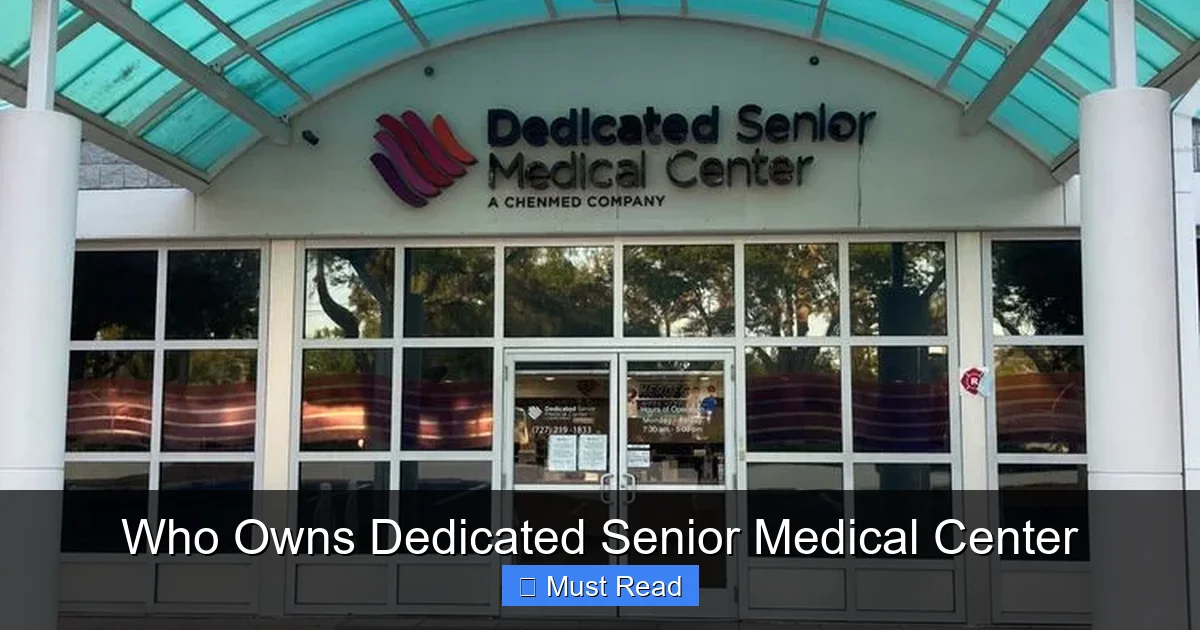
Visual guide about Who Owns Dedicated Senior Medical Center
Image source: s3-media0.fl.yelpcdn.com
Since its founding, ChenMed has expanded rapidly, bringing the Dedicated Senior Medical Center model to communities across the United States. As of 2024, the network includes more than 100 centers in over a dozen states, with a strong presence in the Southeast and Midwest.
Some of the key markets include:
– **Florida:** With a large senior population, Florida is a natural fit for Dedicated centers. Locations in Miami, Orlando, Tampa, and Jacksonville serve thousands of Medicare beneficiaries.
– **Georgia:** Atlanta and surrounding areas have multiple centers, many located in underserved neighborhoods where access to care is limited.
– **Ohio:** Cities like Columbus and Cleveland have seen significant growth, with centers designed to serve both urban and suburban seniors.
– **Louisiana:** New Orleans and Baton Rouge are home to several centers, reflecting ChenMed’s commitment to reaching diverse communities.
– **Texas:** Houston and Dallas have recently welcomed new locations, expanding access in one of the fastest-growing senior populations in the country.
Each center is strategically placed to serve high-need populations, often in areas with limited primary care options. ChenMed uses data on Medicare enrollment, chronic disease rates, and social determinants of health to identify where its model can have the greatest impact. This targeted approach ensures that resources go where they’re needed most.
The expansion isn’t just about opening new buildings—it’s about building trust within communities. ChenMed often partners with local organizations, churches, and senior centers to educate residents about the services available. They also offer transportation assistance, language interpretation, and outreach programs to help seniors enroll in Medicare and understand their benefits.
This community-focused growth strategy has helped Dedicated Senior Medical Centers become trusted healthcare providers in their regions. Many patients report feeling seen, heard, and valued—something that’s often missing in traditional healthcare settings.
Patient Experience: What It’s Like to Be Under ChenMed’s Care
If you’re a senior or caring for one, you might be wondering: What’s it actually like to receive care at a Dedicated Senior Medical Center? The experience is designed to be as seamless and supportive as possible, with a strong emphasis on dignity, respect, and convenience.
One of the first things patients notice is the environment. Unlike sterile, clinical offices, Dedicated centers are warm and welcoming, with comfortable seating, natural light, and calming colors. There’s often background music, artwork, and even coffee stations to make the space feel more like a community center than a medical facility.
Appointments are scheduled with flexibility in mind. Many centers offer same-day or next-day visits for urgent concerns, and telehealth options are available for follow-ups or consultations. Patients can also call a dedicated care line to speak with a nurse or care coordinator anytime—no waiting on hold or navigating complex phone trees.
During visits, doctors take time to listen. They ask about more than just physical symptoms—they discuss mental health, social support, financial concerns, and life goals. This holistic approach helps uncover issues that might otherwise go unnoticed, such as depression, food insecurity, or medication non-adherence.
For example, a patient might mention they’ve been skipping meals because they can’t afford groceries. The care team can connect them with a social worker who helps apply for food assistance programs. Another patient might admit they’re feeling isolated since their spouse passed away. The team can refer them to a support group or arrange regular check-ins.
This level of personalized attention is possible because of ChenMed’s ownership model. Doctors aren’t pressured to rush through appointments or meet quotas. They’re evaluated on patient satisfaction, health outcomes, and teamwork—not on how many charts they close in a day.
Patients also benefit from integrated services. Need a flu shot? It’s available on-site. Need a prescription refill? The pharmacy is right down the hall. Need help understanding your Medicare plan? A benefits counselor can walk you through it. This “one-stop-shop” approach reduces stress and saves time, especially for seniors who may have difficulty traveling.
The Future of Senior Care: ChenMed’s Vision
Looking ahead, ChenMed has ambitious plans to expand the Dedicated Senior Medical Center model even further. The company aims to open dozens of new centers in the coming years, with a focus on rural and underserved areas where healthcare access is most limited.
Technology will also play a bigger role. ChenMed is investing in digital health tools like remote monitoring devices, mobile apps, and AI-driven analytics to help patients manage their conditions at home. For example, a patient with heart failure might wear a smart scale that alerts the care team if their weight spikes—a sign of fluid retention that could lead to hospitalization if not addressed.
ChenMed is also exploring partnerships with hospitals, specialists, and home health agencies to create a more connected care ecosystem. The goal is to ensure that patients receive the right care, in the right place, at the right time—whether that’s at home, in the clinic, or in a hospital.
Ultimately, ChenMed’s vision is to prove that high-quality, affordable senior care is possible at scale. By combining physician leadership, value-based payment models, and a deep commitment to patient relationships, they’re challenging the status quo and setting a new standard for what primary care can be.
For seniors and their families, this means more than just better health—it means peace of mind. Knowing that your care is guided by doctors who truly understand your needs, supported by a team that’s invested in your well-being, and backed by an organization that puts patients first.
Conclusion: Ownership That Puts Patients First
So, who owns Dedicated Senior Medical Center? The answer is clear: ChenMed—a physician-founded, mission-driven organization that’s redefining senior healthcare in America. Their ownership isn’t just about business—it’s about values, vision, and a relentless focus on improving the lives of older adults.
From extended visits and integrated services to community outreach and preventive care, every aspect of the Dedicated model reflects ChenMed’s commitment to putting patients first. And because they own and operate the centers directly, they have the freedom to innovate, adapt, and grow in ways that truly benefit seniors.
If you or a loved one is on Medicare and looking for a healthcare provider that listens, cares, and goes the extra mile, a Dedicated Senior Medical Center might be exactly what you’ve been searching for. It’s not just about who owns the place—it’s about who’s in charge of your care. And at ChenMed, that’s always the patient.
Frequently Asked Questions
Who owns Dedicated Senior Medical Center?
Dedicated Senior Medical Center is owned and operated by ChenMed, a physician-led healthcare organization founded by Dr. James Chen. ChenMed specializes in providing primary care exclusively to Medicare-eligible seniors across the United States.
Is ChenMed a for-profit company?
Yes, ChenMed is a privately held, for-profit company. However, its business model is built around value-based care, meaning it earns more when patients stay healthier—aligning financial incentives with patient outcomes.
Are Dedicated Senior Medical Centers only for low-income seniors?
No, Dedicated Senior Medical Centers serve all Medicare-eligible seniors, regardless of income. However, many centers are located in underserved communities to improve access to high-quality care for vulnerable populations.
How is care at a Dedicated center different from a regular doctor’s office?
Care is more personalized and comprehensive. Visits are longer, care teams are multidisciplinary, and services like labs, pharmacies, and care coordination are often available on-site—reducing the need for multiple appointments.
Can I keep my current specialist if I switch to a Dedicated Senior Medical Center?
Yes, Dedicated centers work with outside specialists and hospitals. The primary care team helps coordinate referrals and ensures all providers are informed about your health plan.
Does Medicare cover care at Dedicated Senior Medical Centers?
Yes, all services are covered by Medicare. Most patients pay little to nothing out-of-pocket, and there are no surprise bills. Dedicated centers also help patients understand and maximize their Medicare benefits.