
Walking Assistance Tips for Caregivers to Boost Safety

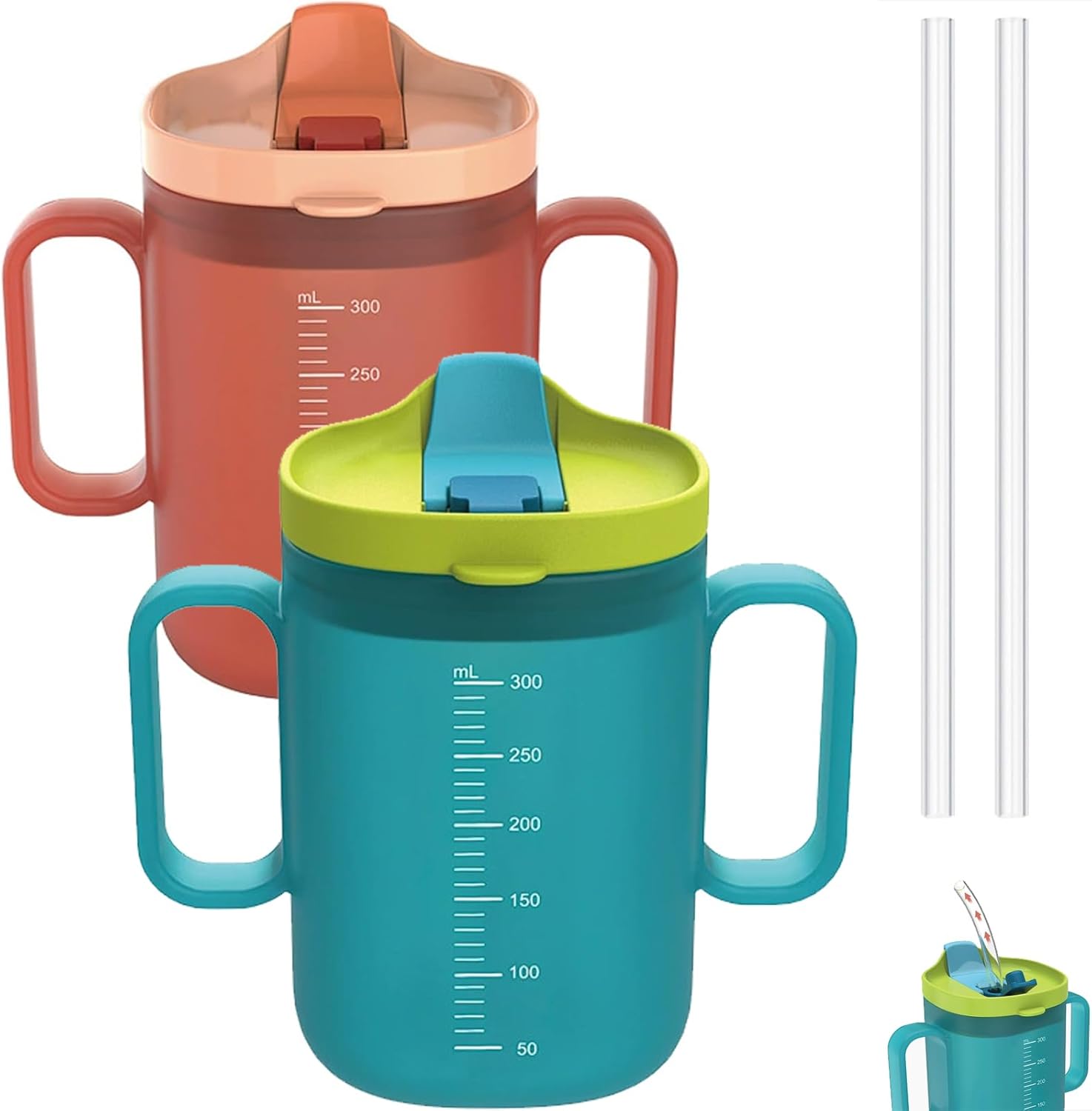
Spill-Proof Adult Cup

Medication Reminder Alarm

Non-Slip Slippers
Safe walking support starts with slow pacing, clear communication, and the right support method for the senior’s balance and strength. If walking becomes painful, dizzy, or suddenly harder, stop and talk to your doctor or healthcare provider.
Helping an older adult walk safely is one of the most important daily caregiving tasks. The right support can reduce falls, ease fear, and help a person keep as much independence as possible.
Good walking assistance is not about “holding on tighter.” It is about watching closely, using calm guidance, and choosing the safest support for the person’s strength, balance, and health needs.
- Watch closely: Unsteady steps, shuffling, and fear of falling are signs to help.
- Use the right support: Light arm support, gait belts, and mobility aids fit different needs.
- Prepare the path: Clear clutter, improve lighting, and reduce trip hazards.
- Move slowly: Short cues and steady pacing lower fall risk.
- Know when to escalate: Sudden weakness, dizziness, or repeated falls need medical review.
Understanding Walking Assistance for Seniors: When Caregivers Should Step In
Many older adults can walk on their own for short distances, but that can change after illness, pain, medication changes, or a recent fall. A caregiver should step in when walking looks unsteady, rushed, painful, or unsafe.
If you are unsure how much help is appropriate, talk to your doctor or healthcare provider. A physical therapist or occupational therapist can also show the safest way to assist based on the person’s condition.
Signs a senior needs hands-on walking support
Look for shuffling steps, grabbing furniture, leaning heavily on walls, or needing to pause often. Trouble getting started, hesitation at doorways, and uneven weight on one side are also common signs.
Other warning signs include recent falls, new weakness, dizziness, confusion, or fear of walking. If the person seems to “freeze” before taking a step, they may need more than verbal encouragement.
Common mobility risks in the home and outdoors
Inside the home, risks often include loose rugs, cords, narrow walkways, slippery floors, and poor lighting. Bathrooms and stairs are especially risky because surfaces can be wet, tight, or hard to grip.
Outside, curbs, cracked sidewalks, wet leaves, uneven pavement, and crowded areas can all increase fall risk. Weather changes matter too, since rain, ice, heat, and glare can make walking harder and more tiring.
If a senior suddenly cannot bear weight, has chest pain, severe shortness of breath, fainting, or a new injury after a fall, seek urgent medical help right away.
Core Walking Assistance Tips for Caregivers to Improve Safety
The safest walking support usually starts before the first step. Make sure the person has proper footwear, the path is clear, and you are both ready to move slowly.
For many families, a simple routine helps. If walking support is needed often, you may also find it useful to pair these habits with a senior caregiver daily checklist so important safety steps are not missed.
How to position yourself beside or slightly behind the person
Stand close enough to help, but not so close that you block the person’s natural movement. In many cases, walking beside the person slightly behind the weaker side gives you room to react if they lose balance.
Keep your body stable, knees slightly bent, and avoid twisting your back. If the person begins to wobble, guide them gently rather than trying to catch them with a sudden pull.
Using slow pacing, clear cues, and steady communication
Use short, simple directions such as “stand tall,” “take one step,” or “pause here.” Clear cues are easier to follow than long instructions, especially for someone who is tired, anxious, or recovering from illness.
Match your pace to the person’s pace. A slow, steady rhythm gives the body more time to balance and lowers the chance of rushing into a stumble.
Count steps out loud only if it helps the person stay calm and focused. For some seniors, too much talking can be distracting, so keep your voice steady and simple.
Helping with turns, stops, and uneven surfaces
Turning is a common time for falls because balance shifts quickly. Encourage the person to take small steps when turning instead of pivoting sharply on one foot.
Use extra caution on ramps, thresholds, gravel, grass, or cracked pavement. If the surface looks uneven, slow down, shorten the walk, or choose a different route.
Choosing the Right Support Method: Arm Support, Gait Belts, or Mobility Aids
Not every person needs the same level of help. Some only need a light touch, while others are safer with a gait belt or a mobility aid such as a cane or walker.
If you are unsure which option is best, ask a physical therapist, occupational therapist, or doctor. The wrong support method can sometimes increase fall risk instead of reducing it.
When light arm support is appropriate
Light arm support may be enough when the person is steady, alert, and only needs reassurance or a brief steadying touch. This is more appropriate for short walks on level ground than for stairs or long outdoor trips.
Do not let the senior hang their full weight on your arm. That can strain your shoulder and may not protect them if they suddenly lose balance.
How and when to use a gait belt correctly
A gait belt is a sturdy belt placed around the waist so a caregiver has a secure handhold. It is often used when a person is weak, unsteady, or recovering from surgery or illness.
The belt should be snug but not tight, and it should be used only when you have been shown the correct method. If the person has a recent abdominal surgery, feeding tube, ostomy, or another condition that makes waist pressure unsafe, consult a healthcare provider before using one.
A gait belt is a support tool, not a lifting device. If a person starts to fall, the caregiver should try to guide the descent safely rather than trying to hold the full body weight.
Comparing canes, walkers, and rollators for daily use
Canes can help with mild balance problems or one-sided weakness, but they must be the right height and used correctly. Walkers offer more support and are often better when balance is more fragile.
Rollators have wheels and brakes, which can be helpful for people who need a seat or want to move more easily, but they require good hand control and safe braking habits. A therapist can help match the device to the person’s strength and walking pattern.
| Option | Best For | Note |
|---|---|---|
| Cane | Mild balance support | Must be fitted correctly |
| Walker | More stability indoors or outdoors | Needs enough upper-body strength |
| Rollator | Longer walks and resting breaks | Brakes must be used every time |
Preparing the Walking Path at Home and in the Community
A safe walking path can prevent many falls before they happen. Small changes at home often make a big difference, especially for someone who uses a cane, walker, or hand support.
For families managing larger changes, such as senior housing or a move to a safer setting, it can also help to compare living options and layouts. Some readers review resources like senior apartments in Toms River or other community-focused housing articles when planning ahead.
Removing tripping hazards, clutter, and poor lighting
Clear away shoes, cords, pet toys, magazines, and loose rugs from walking routes. Make sure hallways and bedroom paths are open enough for a walker if one is used.
Bright, even lighting matters, especially at night. Nightlights in bedrooms, hallways, and bathrooms can help reduce confusion and missteps.
Managing stairs, thresholds, bathrooms, and entryways
Stairs should have sturdy handrails, and both feet should be placed fully on each step before moving again. If the person is weak or dizzy, stairs may need to be avoided until a professional says they are safe.
Bathrooms and entryways often need extra attention because of wet floors, tight spaces, and raised thresholds. Non-slip mats, grab bars, and clear floor space can make these areas safer.
Outdoor walking safety: sidewalks, curbs, weather, and crowds
Choose smooth, familiar routes when possible. Avoid walking in poor weather, on icy surfaces, or in crowded places where sudden stops and turns are common.
When crossing curbs or uneven pavement, slow down and give the person time to place each foot securely. If the route feels unsafe, it is better to turn back than to push through.
Practical Step-by-Step Walking Assistance Examples for Caregivers
Examples can make the routine easier to picture. The goal is always the same: steady support, clear communication, and enough time for safe movement.
If the person’s condition changes often, ask the doctor or therapist for specific transfer and walking instructions. Guidance can vary after surgery, after a stroke, or with conditions like arthritis or Parkinson’s disease.
Assisting a short walk from bed to bathroom
Make sure the path is clear, the lights are on, and shoes or nonslip footwear are nearby.
Give time to sit upright, place feet on the floor, and stand before starting to walk.
Stay close, use short cues, and pause if the person looks unsteady or tired.
Supporting a walk after illness, surgery, or a fall
After an illness or surgery, people may feel weaker than they expect. Start with shorter distances and more rest breaks, and do not assume yesterday’s ability will be the same today.
After a fall, fear can be just as limiting as weakness. Encourage confidence, but do not rush the person back to walking without medical guidance if pain, bruising, or dizziness is still present.
If walking is harder after surgery, illness, or a fall, ask whether the person needs a mobility assessment, therapy referral, or medication review. Some medicines can increase dizziness or sleepiness, so consult your pharmacist or healthcare provider if balance seems worse after a new prescription.
Helping a person with balance issues or mild weakness
For mild weakness, keep the walk short, predictable, and free of distractions. Let the person know exactly where you are going and when you will stop.
If balance problems are ongoing, a therapist can teach safer movement patterns. That is often more helpful than simply offering stronger physical support.
Common Mistakes Caregivers Make During Walking Assistance
Even caring helpers can make mistakes when they are trying to move quickly or prevent a fall. Slowing down and using the right technique protects both the caregiver and the older adult.
Pulling instead of guiding
Pulling on an arm, shoulder, or clothing can cause pain or make the person lose balance more quickly. It can also injure the caregiver’s back or shoulder.
Use the gait belt, stable hand placement, or light guidance instead of yanking. The goal is to steer movement, not force it.
Rushing the person or talking too much at once
Many seniors need more time to process movement steps, especially when they are tired or anxious. Too much talking can make it harder to focus on balance.
Keep directions short and give one instruction at a time. A calm pace often prevents more problems than constant reminders.
Ignoring pain, dizziness, fatigue, or shortness of breath
These symptoms are not just inconveniences; they can be warning signs. If the person reports pain, feels faint, becomes unusually tired, or cannot catch their breath, stop the walk and reassess.
Some symptoms need medical attention, especially if they are new or getting worse. When in doubt, call the doctor or healthcare provider for advice.
Many falls happen during everyday activities like getting up, turning, or walking to the bathroom—not only during long walks. That is why short, routine trips deserve just as much attention as outdoor outings.
When Walking Assistance Needs Professional Help or Medical Review
Some walking problems are best handled with professional evaluation rather than trial and error. That is especially true when the person’s balance changes suddenly or the caregiver feels unsure about safe support.
Warning signs that require a nurse, therapist, or doctor
Get medical advice if the person has repeated falls, new weakness, numbness, confusion, severe pain, or a major change in walking ability. New swelling, one-sided weakness, or a sudden limp should also be checked.
If walking becomes unsafe despite careful help, do not wait. A doctor or therapist can look for causes and suggest a safer plan.
Professional review can uncover pain, medication effects, or balance problems that need treatment.
When transfer training or mobility assessment is needed
Transfer training teaches safe ways to move from bed to chair, chair to toilet, or chair to standing. Mobility assessment looks at strength, balance, gait, and the best support tools for the person.
These services are often recommended after a fall, surgery, stroke, or a new diagnosis that affects movement. Ask your doctor whether physical therapy or occupational therapy is appropriate.
Cost and support comparison: home care aide vs. PT/OT guidance
Costs vary widely by location, care level, and insurance plan. Some families use a home care aide for daily hands-on help, while others rely on therapy visits to learn safer techniques and then provide support themselves.
Medicare or private insurance may cover certain therapy services when they are medically necessary, but coverage rules differ. Before starting services, confirm benefits with the plan or ask the provider’s office to help explain the expected out-of-pocket cost.
Final Recap: Safer Walking Support Starts with Preparation and Confidence
Walking assistance works best when the caregiver stays calm, the path is prepared, and the support method matches the person’s needs. Small habits like clear cues, proper positioning, and slow pacing can make daily movement much safer.
If you are unsure whether the person needs light support, a gait belt, or a mobility aid, consult a doctor or therapist. The right plan protects safety while still respecting dignity and independence.
Key takeaways for safer daily mobility support
Watch for warning signs such as unsteadiness, pain, dizziness, and fear of falling. Remove hazards, use clear communication, and choose the safest support tool for the situation.
Encouragement for caregivers balancing safety, dignity, and independence
Good caregiving is not about doing everything for someone. It is about helping them move with as much confidence and independence as possible while lowering risk.
With practice, patience, and professional guidance when needed, walking assistance can become a safer and more reassuring part of daily care.
Frequently Asked Questions
Step in when the person is unsteady, shuffling, leaning on furniture, or showing fear of falling. Also help if they have dizziness, recent falls, weakness, or a new change in walking ability.
Stand beside or slightly behind the person, close enough to help but not so close that you block movement. Keep your stance stable and guide gently instead of pulling.
A gait belt can help when a person is weak or unsteady, but it should be used correctly and only when appropriate. Ask a therapist or healthcare provider if you are unsure whether it is safe for the person’s condition.
Clear clutter, remove loose rugs, improve lighting, and keep walkways open. Add non-slip mats, handrails, and nightlights where needed, especially near bathrooms and stairs.
Stop the walk, help the person sit or stand safely, and watch for other symptoms. If dizziness is new, severe, or keeps happening, talk to your doctor or healthcare provider.
Get professional help after repeated falls, sudden weakness, major balance changes, or pain that makes walking unsafe. A doctor, nurse, physical therapist, or occupational therapist can assess the problem and recommend safer support.