
Used Senior Flex Graphite Irons


Large Print Keyboard

LED Magnifying Glass

Slow Cooker Crock Pot
Used senior flex graphite irons offer experienced golfers a smart, affordable way to upgrade their game without breaking the bank. These lightweight clubs are engineered for slower swing speeds, helping senior players generate more power and control. With proper selection and inspection, buying pre-owned can mean big performance gains and serious savings.
Golf isn’t just for the young anymore—it’s a lifelong sport full of joy, challenge, and community. But as we age, our bodies change: flexibility decreases, muscle strength wanes, and swing speed naturally slows. For many senior golfers, this means struggling with stiff or regular-flex irons that feel too heavy or hard to control. Enter used senior flex graphite irons—a game-changer for those looking to enjoy the course longer without sacrificing distance or accuracy.
These clubs aren’t just old versions of new ones. They’re specifically crafted with lightweight materials and flexible shafts to match the physical needs of older players. And when you buy them pre-owned? You get top-tier performance at a price that won’t send your budget into the rough.
Whether you’re returning to the game after years away or stepping up from beginner gear, used senior flex graphite irons can make all the difference. Let’s dive into why these clubs deserve a spot in your bag—and how to pick the right ones.
Key Takeaways
- Understanding used senior flex graphite irons: Provides essential knowledge
📑 Table of Contents
Why Choose Used Senior Flex Graphite Irons?
When it comes to selecting golf equipment, most people think new is always better. But that’s not always true—especially when shopping for senior golfers. Used senior flex graphite irons combine affordability, performance, and adaptability in ways new clubs often can’t match. Here’s why they’re worth considering:
First off, cost matters. A brand-new set of high-end irons can easily run over $1,000. Meanwhile, a gently used set of senior flex graphite irons might cost half that—or even less. That kind of savings lets you invest in lessons, range balls, or even a new putter without draining your wallet.
Second, technology has evolved fast. Many used sets come from recent model years and include features like cavity-back designs, perimeter weighting, and improved center-of-gravity placement—all proven to enhance forgiveness and launch angle.
Third, graphite shafts themselves offer unique advantages. Unlike steel, graphite is lighter and more flexible, allowing senior golfers to generate higher swing speeds and smoother contact. This leads to longer drives and straighter shots—even on days when your timing isn’t perfect.
And let’s not forget convenience. Most used senior flex graphite iron sets include matched shafts across all clubs (drivers, fairways, hybrids, and irons), so you don’t have to worry about mixing and matching incompatible components. It’s like getting a ready-to-play package straight out of the box.
The Science Behind Senior Flex Shafts
So what exactly makes a senior flex different? It all comes down to torque, bend profile, and kick point. Senior flex shafts are softer than regular or stiff options, meaning they flex more during the swing. This increased flexibility helps compensate for lower swing speeds by allowing the clubhead to catch up slightly at impact—resulting in better ball flight and reduced spin.
Think of it like this: when you swing a stiff-shafted iron, the club behaves almost like a rigid stick. But with a senior flex shaft, it bends gently along its length, acting somewhat like a spring. That spring-like action transfers energy more efficiently from your hands to the ball, boosting distance and consistency.
Graphite adds another layer of benefit. Steel shafts tend to be heavier and stiffer overall, which can tire out arms and shoulders over time. Graphite keeps total club weight low, reducing fatigue and making it easier to maintain proper form throughout a round.
For reference, here’s a quick comparison:
| Shaft Type | Typical Weight | Flexibility | Best For |
|——————|—————-|————-|——————————|
| Senior Flex | Light | Soft | Seniors, beginners |
| Regular Flex | Medium | Moderate | Average players |
| Stiff/RPM Flex | Heavy | Firm | Stronger, faster swingers |
As you can see, senior flex strikes the sweet spot for aging athletes who need help generating power without losing control.
Benefits of Graphite Over Steel for Seniors
You might wonder: why graphite specifically? Why not just grab any used senior flex irons with steel shafts? The answer lies in physics and physiology.
Graphite shafts are significantly lighter than steel—sometimes up to 30% less weight per club. That reduction translates directly into easier swings. For someone with arthritic joints or reduced shoulder mobility, lighter clubs mean less strain and greater comfort.
Plus, graphite dampens vibration. When you hit a ball off-center, steel transmits shock through your hands and wrists. Graphite absorbs much of that impact, protecting sensitive tissues and improving feel. Many senior golfers report fewer hand tremors and joint pain when using graphite compared to steel.
Another plus? Improved swing tempo. Because graphite clubs respond quicker and require less force to accelerate, players often develop smoother, more rhythmic swings. That consistency pays dividends on the green—and in your scorecard.
Of course, graphite isn’t flawless. It’s generally more expensive than steel (which partly explains the higher resale value of used graphite sets), and some purists still prefer the traditional feel of steel. But for most seniors chasing distance and durability, graphite wins hands down.
How to Shop for Used Senior Flex Graphite Irons
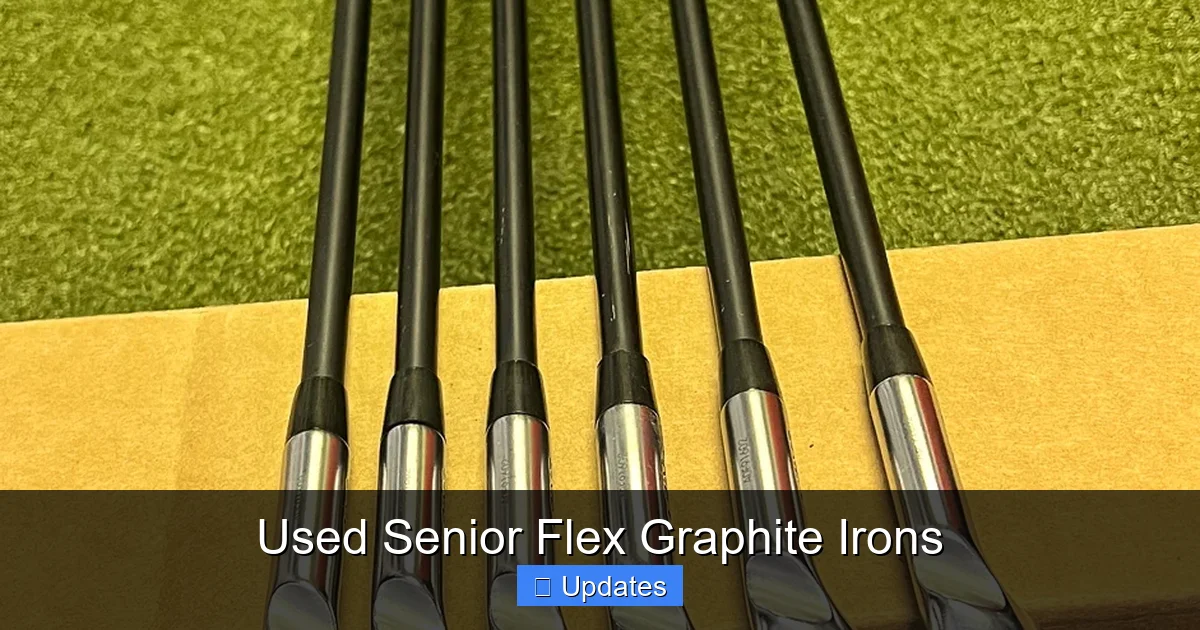
Visual guide about Used Senior Flex Graphite Irons
Image source: swingpoint.golf
Buying used golf clubs sounds risky—but it doesn’t have to be. With a little know-how, you can find excellent deals on quality senior flex graphite irons that perform like new. Follow these steps to shop smart:
Start by defining your budget. While new sets start around $600–$800, good used sets can go for $200–$400 depending on condition and brand. Set a ceiling early so you don’t overspend chasing flashy logos.
Next, decide which brands interest you. Top choices include Callaway, TaylorMade, Titleist, Cobra, Ping, and Mizuno—all known for producing forgiving, senior-friendly irons. Look for models released within the last 5–7 years; older tech may lack modern features like variable face thickness or tungsten weighting.
Now comes the fun part: inspecting the clubs. Check for dents, scratches, or bent shafts. Test the grip—it should be firm but not cracked or worn thin. If possible, ask the seller to demonstrate how the clubs feel when swung (many online sellers will record short videos). Listen for consistent sound and balance.
Don’t forget to verify shaft specifications. Confirm the flex reads “Senior” and that it’s indeed graphite. Some retailers mislabel hybrid shafts or use blended materials to cut costs. Cross-check serial numbers or product descriptions against official manufacturer specs if unsure.
Finally, consider purchasing from reputable sources. Online marketplaces like eBay, Facebook Marketplace, or specialized sites such as Senior Golf Irons For Sale offer buyer protections and verified reviews. Local pro shops or consignment stores can also be great resources—plus, you get to hold the clubs before buying!
What to Look for in Condition
Not all used clubs are created equal. Here’s what to watch for:
– **Clubheads:** Minor cosmetic wear is fine, but avoid deep grooves, cracks, or warping. These affect aerodynamics and ball strike quality.
– **Shafts:** Look for smooth taper and no discoloration. Blackening or yellowing indicates UV damage or age-related degradation.
– **Grips:** Replace any grips showing signs of hardening or separation. Even small tears compromise control.
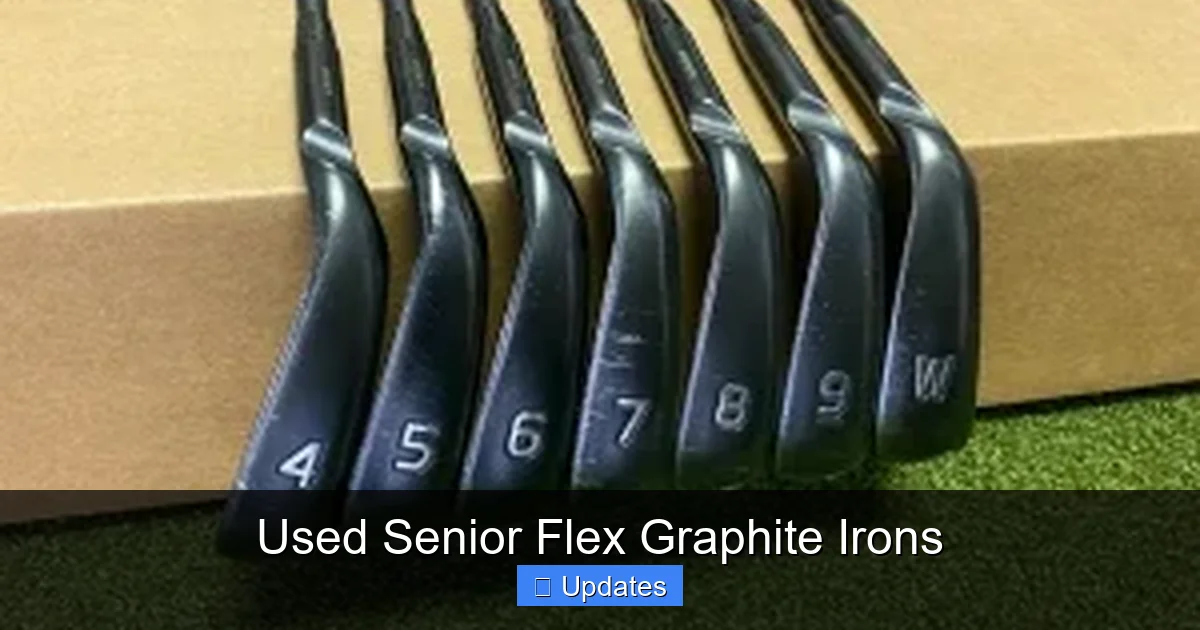
– **Set Completeness:** Ensure you’re getting a full set (typically 5-PW) with matching lofts and shaft flex. Mix-and-match sets rarely deliver optimal performance.
If inspecting in person isn’t an option, request detailed photos and videos. Ask about play history—how many rounds were logged? Were they stored properly (dry environment preferred)? Any repairs made?
Remember: even well-maintained used senior flex graphite irons lose value over time. But if handled correctly, they’ll still outperform bargain-bin newcomers.
Popular Models Worth Considering
Some used senior flex graphite iron sets stand out for their blend of performance, affordability, and availability. Here are a few crowd favorites:
**Callaway X2 Hot Max**: Known for its oversized head and high MOI design, this set offers maximum forgiveness—ideal for seniors with inconsistent ball striking. Graphite shafts come standard, and many used units still feature titanium inserts for added distance.
**TaylorMade SIM2 Max OS**: Released in 2020, this model remains highly sought after due to its low center of gravity and wide sole. The SIM2 Max OS generates high launch angles and soft landings, perfect for players seeking carry distance without sacrificing accuracy.
**Ping G425 SFT**: Designed specifically for left-handed and senior golfers, the G425 SFT (Slice-Fighting Technology) includes offset hosels and progressive sole widths to counteract slice tendencies. Used sets frequently appear on resale platforms at competitive prices.
**Cobra King F9 Speedback**: Lightweight and responsive, the F9 combines aerodynamic shaping with a shallow profile to promote steep descent angles. Great for seniors who want to keep approach shots low and controlled around greens.
When evaluating specific models, compare loft gaps, lie angles, and shaft lengths. Older sets may have non-standard configurations, so adjust expectations accordingly.
Fitting Your Used Senior Flex Graphite Irons
Visual guide about Used Senior Flex Graphite Irons
Image source: images.sidelineswap.com
Even the best clubs won’t help if they’re not fitted properly. Fortunately, fitting used senior flex graphite irons is simpler than you’d think—especially since most sets ship with uniform specs. Still, a few adjustments can make a world of difference:
Begin with basic measurements: height, arm length, and posture. These determine optimal shaft length and lie angle. Taller players typically need longer shafts and upright lie angles; shorter players benefit from shorter lengths and flatter lies.
Next, assess your swing speed. Use a radar device or smartphone app to measure average clubhead velocity. If your swing averages under 75 mph, senior flex is likely ideal. Between 75–85 mph? Consider senior or ladies flex depending on strength and flexibility.
Then, evaluate your ball flight tendencies. Do you consistently hook or slice? Fade or draw? Clubs with offset or cavity-back designs help correct these issues. Also note whether you struggle with low or high trajectory—some used sets allow loft adjustments via interchangeable tips.
Professional fittings aren’t always necessary—especially for complete sets—but they’re invaluable if you’re mixing components or customizing lofts/lies. Many local pro shops offer free or low-cost assessments during off-peak hours.
Finally, trust your gut. Hold each club and imagine taking a swing. Does it feel balanced? Comfortable? Responsive? If something feels off, don’t ignore it. Ill-fitting clubs lead to bad habits and frustration.
DIY Fitting Tips
No time for a professional fitting? No problem. Try this simple home test:
1. Place the club behind your back with the grip resting on the ground.
2. Bend knees slightly and reach down to grasp the grip.
3. Stand up straight—if the shaft touches your armpit, it’s probably the right length.
4. Adjust by adding or removing inches based on comfort.
For lie angle, lay the club flat on a table. If the heel lifts off more than the toe, the lie is too flat (common for taller players). Flip it over—if the toe lifts more, it’s too upright.
These quick checks won’t replace a full analysis, but they’ll keep you in the ballpark until you can visit a shop.
Maintaining Your Used Senior Flex Graphite Irons
Visual guide about Used Senior Flex Graphite Irons
Image source: k6e5s8d2.rocketcdn.me
Once you’ve found the perfect set, treat them right! Proper maintenance extends lifespan and preserves performance. Here’s how:
Store clubs in a dry place away from extreme temperatures. Heat warps graphite fibers; cold stiffens grips excessively. Avoid leaving bags in hot trunks or damp basements.
Clean clubs regularly with mild soap and water. Scrub clubheads to remove dirt buildup, then dry thoroughly. Never submerge shafts in water—they absorb moisture and weaken over time.
Replace worn grips every 12–18 months, even if they look okay. Cracked or hardened rubber loses cushioning and traction.
Inspect shafts quarterly for cracks, discoloration, or loose ferrules. Small hairline fractures may seem harmless but compromise structural integrity.
Consider investing in a club cover for travel or storage. This protects against nicks and scratches during transport.
And yes—you can resell them later! Well-cared-for used senior flex graphite irons retain significant value. Document care routines and original purchase details to support future listings.
Common Myths About Used Golf Clubs
Despite growing acceptance, some myths persist about buying used equipment. Let’s clear them up:
**Myth #1: Used clubs are dangerous.**
False. As long as inspected properly, used senior flex graphite irons pose no more risk than new ones. Reputable sellers disclose defects openly.
**Myth #2: Graphite wears out faster than steel.**
Partially true—graphite degrades over decades due to UV exposure. But most sets last 10+ years with normal use. Just avoid prolonged sun exposure.
**Myth #3: All used sets are mismatched.**
Unlikely. Complete sets from major brands usually include matched shafts and lofts. Always verify before purchasing.
By dispelling these myths, you’ll feel more confident exploring the used market.
Where to Buy Used Senior Flex Graphite Irons
Finding reliable sources takes research, but several channels deliver quality results consistently:
Online Marketplaces: eBay, Facebook Marketplace, and Craigslist dominate the space. Filter searches by “Senior Flex” and “Graphite” to narrow options. Read seller ratings carefully and request additional photos if uncertain.
Specialty Golf Retailers: Websites like Best Irons For Senior Golfers curate pre-owned inventory with grading systems and return policies. Brands like Golf Galaxy and PGA Superstore sometimes sell refurbished demo sets.
Local Pro Shops: Many stores accept trade-ins or host consignment programs. Staff can advise on fit and condition while building relationships for future upgrades.
Consignment Stores: Thrift shops focused on sports gear occasionally stock golf equipment. Prices are low, but selection varies widely.
Private Sellers: Friends, family, or neighbors upgrading their own gear can be trustworthy sources. Word-of-mouth referrals reduce risk significantly.
Whichever route you choose, communicate clearly about expectations. Specify desired flex, material, and condition thresholds upfront.
Red Flags to Avoid
Steer clear of listings with vague descriptions like “good condition” or missing key details such as shaft type or year of manufacture. Be wary of prices far below market rate—they could signal hidden damage or misrepresentation.
Never pay unless protected by escrow or buyer guarantees. Avoid cash-only deals or requests sent through gift cards.
If meeting in person, bring a friend and meet in public spaces during daylight hours.
Following these guidelines minimizes headaches and maximizes satisfaction.
Real-Life Success Stories
Meet John, 68, a retiree who hadn’t played seriously in 15 years. His old steel irons felt like swinging sledgehammers. After switching to used senior flex graphite irons—specifically a Callaway X2 Hot Max set—he regained confidence instantly. “I’m hitting farther than ever,” he says, “and my back doesn’t ache afterward.”
Linda, 72, struggled with slice issues despite trying multiple clubs. Her new TaylorMade SIM2 Max OS set corrected her ball flight within weeks. “The offset design really works,” she notes. “Now I’m saving strokes instead of losing them.”
Both discovered affordable, high-performance options through online forums and local recommendations. Their stories highlight how used senior flex graphite irons empower seniors to reclaim their love of golf.
Conclusion
Used senior flex graphite irons aren’t just a budget hack—they’re a strategic upgrade tailored to the needs of mature golfers. By prioritizing lightweight materials, flexible shafts, and forgiving designs, these clubs enable longer, straighter, and more enjoyable rounds.
With careful selection, proper fitting, and routine maintenance, you’ll maximize both performance and value. Whether you’re new to the game or returning after years away, there’s never been a better time to explore this dynamic category.
So next time you’re scouting for new gear, remember: great clubs don’t always come in shiny boxes. Sometimes, the smartest move is choosing used senior flex graphite irons that fit your swing—and your lifestyle—like a glove.
Frequently Asked Questions
Are used senior flex graphite irons worth buying?
Absolutely. Used senior flex graphite irons offer excellent performance at a fraction of new club prices. They’re ideal for golfers with slower swing speeds who need lightweight, flexible shafts to maximize distance and control.
How do I know if senior flex is right for me?
If your average swing speed is under 75 mph—or you feel stiff or fatigued using regular flex clubs—then senior flex is likely the best choice. A simple launch monitor test or consultation with a fitter can confirm this.
Can I mix used senior flex irons with other shafts?
Generally, no. Most manufacturers design matched sets with identical flex profiles and torque ratings. Mixing components risks inconsistency in feel, trajectory, and performance.
Do graphite shafts break easily?
Graphite shafts are durable but not indestructible. Avoid dropping clubs or exposing them to extreme heat/cold. Minor nicks are normal; deep cracks or visible damage warrant replacement.
How long do used senior flex graphite irons last?
With proper care, they typically last 5–10 years. Storage in dry conditions, regular cleaning, and timely grip replacements extend lifespan significantly.
Should I buy individual clubs or a full set?
Full sets simplify fitting and ensure uniformity across lofts. Unless you’re rebuilding an existing collection, a complete set of used senior flex graphite irons offers the best balance of convenience and performance.
