
University Senior Living Ann Arbor


Book Holder Stand

Sock Aid for Seniors

Portable Wheelchair
University Senior Living in Ann Arbor offers a unique blend of academic engagement, wellness programs, and community support tailored for older adults. Located near the University of Michigan, this innovative model combines lifelong learning, health services, and social connection to enhance quality of life.
When it comes to choosing a place to live during your golden years, most people think of quiet neighborhoods, golf courses, or retirement villages tucked away from the city. But what if your ideal senior living experience included attending a lecture on Renaissance art, joining a book club with university students, or taking a morning yoga class in a campus wellness center? That’s exactly what University Senior Living in Ann Arbor offers—a refreshing, forward-thinking approach to aging that blends the energy of academia with the comfort and care seniors deserve.
Ann Arbor, home to the prestigious University of Michigan, is known for its intellectual vibrancy, cultural richness, and strong sense of community. It’s no surprise, then, that the city has become a hub for innovative senior living models that go beyond traditional retirement communities. University Senior Living in Ann Arbor is designed specifically for older adults who want to stay mentally active, socially engaged, and physically healthy—all while enjoying the support and security of a dedicated senior community.
This unique model isn’t just about proximity to a university—it’s about integration. Residents don’t just live near the campus; they become part of it. From auditing classes to attending theater performances, from volunteering in research projects to mentoring students, the opportunities for involvement are endless. And because the community is built with seniors in mind, every aspect—from housing design to wellness programming—is tailored to promote independence, dignity, and joy in later life.
Key Takeaways
- Academic Integration: Residents enjoy access to university courses, lectures, and cultural events, fostering lifelong learning.
- Holistic Wellness Programs: Comprehensive health services include fitness centers, nutrition counseling, and on-site medical support.
- Strong Community Network: A vibrant social environment with clubs, volunteer opportunities, and intergenerational activities.
- Flexible Living Options: Independent living, assisted living, and memory care options to meet evolving needs.
- Prime Location: Situated in Ann Arbor, residents benefit from urban amenities, healthcare access, and natural beauty.
- Supportive Staff: Trained professionals provide personalized care and daily assistance when needed.
- Affordable Options: Various pricing models and financial planning resources help make senior living accessible.
📑 Table of Contents
What Is University Senior Living?
University Senior Living is a modern concept that reimagines retirement by connecting older adults with the resources, culture, and energy of a university environment. Unlike traditional senior communities that operate in isolation, these programs are often affiliated with colleges or universities, allowing residents to participate in campus life while enjoying age-appropriate housing and support services.
In Ann Arbor, this model takes on a particularly dynamic form. The University of Michigan is one of the top public research universities in the country, offering world-class academics, arts, and innovation. University Senior Living communities in the area leverage this strength to create a lifestyle that’s both enriching and empowering for seniors.
These communities typically offer a range of living arrangements—from independent apartments to assisted living suites and memory care units—ensuring that residents can age in place as their needs change. But what truly sets them apart is the emphasis on lifelong learning and intergenerational connection.
Imagine starting your day with a coffee at a campus café, then heading to a philosophy seminar in the afternoon. Or joining a student-led choir, attending a guest lecture by a Nobel laureate, or even taking a class in digital photography. These aren’t just perks—they’re core components of daily life in University Senior Living.
The Philosophy Behind the Model
At its heart, University Senior Living is built on the belief that aging should be a time of growth, not decline. The traditional view of retirement as a period of rest and withdrawal is being replaced by a more active, engaged vision—one where older adults continue to contribute, learn, and connect.
This philosophy is supported by research. Studies show that lifelong learning and social engagement are strongly linked to better cognitive health, emotional well-being, and longevity. People who stay mentally and socially active are less likely to experience depression, dementia, and other age-related challenges.
By placing seniors in a university setting, these communities tap into a natural source of stimulation and inspiration. The presence of young people, the buzz of academic inquiry, and the constant flow of new ideas create an environment where curiosity thrives.
How It Differs from Traditional Retirement Communities
Traditional retirement communities often focus on comfort, safety, and leisure. While these are important, they can sometimes lead to isolation or a sense of stagnation. Activities might include bingo nights, shuffleboard, or group outings to local attractions—nice, but not necessarily intellectually or emotionally fulfilling.
University Senior Living, by contrast, emphasizes purpose and participation. Residents aren’t just observers; they’re contributors. They might serve as guest speakers in classrooms, mentor undergraduates, or collaborate on community projects. This sense of relevance and contribution can be deeply meaningful, especially for people who have spent decades in careers or caregiving roles.
Additionally, the proximity to a university means access to cutting-edge resources. From state-of-the-art fitness centers to telehealth services, from art galleries to research libraries, residents benefit from the infrastructure of a major academic institution.
Life in University Senior Living Ann Arbor
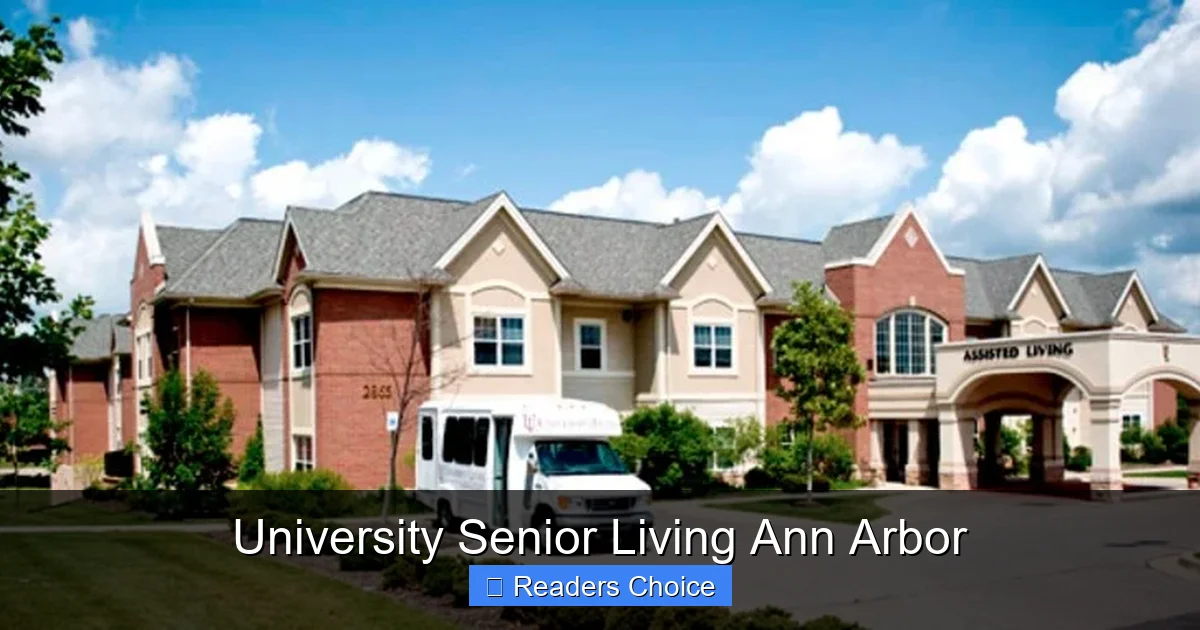
Visual guide about University Senior Living Ann Arbor
Image source: d13iq96prksfh0.cloudfront.net
Living in University Senior Living in Ann Arbor isn’t just about where you sleep—it’s about how you live. Every day offers new opportunities to learn, connect, and grow. Whether you’re a retired professor, a former business executive, or a lifelong learner with a passion for the arts, there’s a place for you in this vibrant community.
Residents enjoy a wide range of activities and amenities designed to support physical health, mental sharpness, and emotional well-being. But what truly makes life here special is the sense of belonging. You’re not just a resident; you’re a member of a dynamic, intergenerational community.
Daily Routines and Activities
A typical day in University Senior Living might start with a morning walk through the university’s scenic North Campus, followed by a healthy breakfast at the community dining hall. After that, the schedule is wide open.
Some residents choose to attend a lecture on climate change or global politics. Others might join a writing workshop, take a painting class, or participate in a discussion group on current events. Fitness is also a priority—many communities offer yoga, tai chi, water aerobics, and strength training classes tailored to older adults.
Social events are plentiful. There might be a weekly movie night, a book club meeting, or a concert in the campus auditorium. Seasonal festivals, holiday celebrations, and cultural events keep the calendar full and the atmosphere lively.
Intergenerational Connections
One of the most rewarding aspects of University Senior Living is the opportunity to interact with younger generations. Students often volunteer at the community, helping with technology, reading to residents, or simply sharing stories over coffee.
These relationships are mutually beneficial. Seniors gain energy and new perspectives from young people, while students benefit from the wisdom, experience, and life stories of older adults. Some programs even pair seniors with student “buddies” for regular check-ins and activities.
For example, a retired engineer might mentor a group of engineering students on a design project. A former teacher could lead a storytelling session for education majors. These interactions foster empathy, understanding, and a deeper sense of community across age groups.
Support Services and Care Options
While the focus is on independence and engagement, University Senior Living also recognizes that needs change over time. That’s why these communities offer a spectrum of care options.
Independent living is ideal for active seniors who want freedom and flexibility. Apartments are designed for comfort and accessibility, with modern kitchens, walk-in showers, and emergency call systems.
For those who need a little extra help, assisted living provides support with daily tasks like medication management, bathing, and meal preparation. Staff are available 24/7, but residents still enjoy full access to community activities and campus life.
Memory care units are available for individuals with Alzheimer’s or other forms of dementia. These specialized environments offer structured routines, sensory stimulation, and trained caregivers who understand the unique needs of people with cognitive challenges.
The goal is to allow residents to “age in place”—staying in the same community even as their health needs evolve.
Benefits of University Senior Living in Ann Arbor
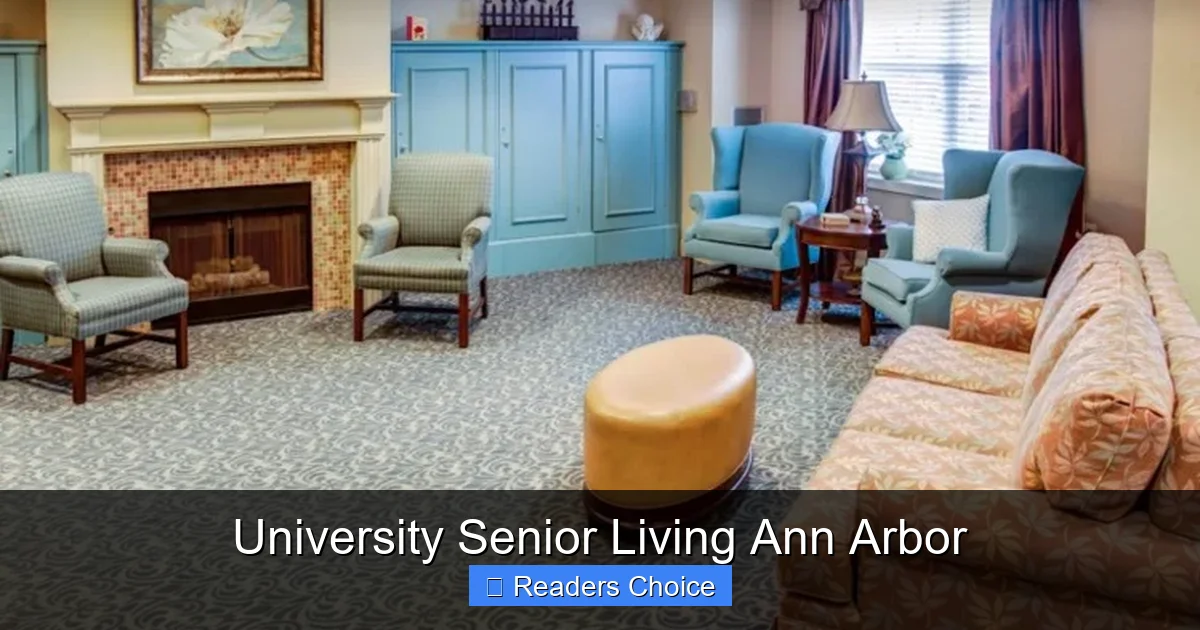
Visual guide about University Senior Living Ann Arbor
Image source: d13iq96prksfh0.cloudfront.net
Choosing University Senior Living in Ann Arbor comes with a host of advantages—many of which go beyond what you’d find in a typical retirement community. From intellectual stimulation to healthcare access, the benefits are both practical and profound.
Intellectual Stimulation and Lifelong Learning
One of the biggest draws is the chance to keep learning. Whether you’re curious about quantum physics, ancient history, or digital marketing, there’s likely a course or lecture you can attend.
Many University of Michigan departments welcome senior auditors—older adults who can sit in on classes for free or at a reduced cost. This isn’t just a perk; it’s a powerful tool for cognitive health. Engaging with new ideas, solving problems, and discussing complex topics helps keep the brain sharp.
Beyond formal classes, there are countless informal learning opportunities. Guest speakers, film screenings, museum tours, and discussion groups keep the mind active and engaged.
Enhanced Physical and Mental Health
Staying active is easier when you’re surrounded by resources. University Senior Living communities often feature fitness centers with equipment designed for older adults, group exercise classes, and outdoor walking paths.
But it’s not just about physical fitness. Mental health is equally important. The social nature of these communities helps combat loneliness and depression—two major concerns for older adults.
Regular social interaction, meaningful activities, and a sense of purpose all contribute to emotional well-being. And because many residents are in similar life stages, it’s easy to form deep, lasting friendships.
Access to Top-Tier Healthcare
Ann Arbor is home to the University of Michigan Health System, one of the best medical centers in the country. Residents of University Senior Living benefit from proximity to world-class doctors, specialists, and research trials.
Many communities have partnerships with the health system, offering on-site clinics, wellness screenings, and telehealth services. Some even provide transportation to medical appointments, making it easy to stay on top of your health.
For those with chronic conditions, having access to cutting-edge care can make a significant difference in quality of life.
Convenient Location and Amenities
Ann Arbor is a walkable, bike-friendly city with a vibrant downtown, excellent restaurants, and cultural attractions. Residents can easily visit the Ann Arbor Art Fair, catch a show at the Michigan Theater, or explore the Matthaei Botanical Gardens.
Public transportation is reliable, and many communities offer shuttle services to campus and local destinations. This makes it easy to stay connected to the broader community without needing a car.
Financial Flexibility and Affordability
While University Senior Living may sound exclusive, many programs are designed to be accessible. Pricing models vary—some communities offer month-to-month leases, while others require entrance fees with monthly maintenance costs.
Financial planning resources are often available to help families understand their options. Some programs even accept long-term care insurance or offer sliding scale fees based on income.
It’s important to compare costs and services, but many find that the value—especially when factoring in healthcare savings and quality of life—makes it a worthwhile investment.
How to Choose the Right Community
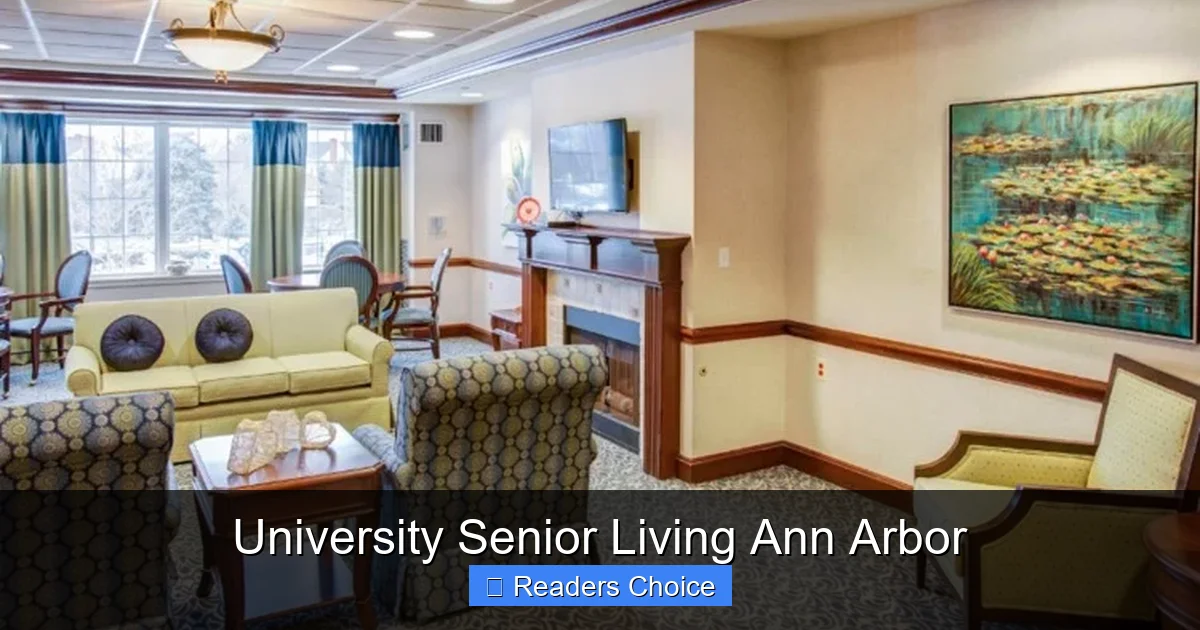
Visual guide about University Senior Living Ann Arbor
Image source: d13iq96prksfh0.cloudfront.net
With several University Senior Living options in Ann Arbor, it’s important to find the one that best fits your lifestyle, needs, and budget. Here are some tips to help you make the right choice.
Visit in Person
Nothing beats a firsthand experience. Schedule a tour of the community, talk to residents, and observe daily life. Pay attention to the atmosphere—does it feel welcoming? Are people smiling and engaged?
Ask to join a meal or activity during your visit. This will give you a sense of the food quality, social dynamics, and overall vibe.
Ask About Academic Partnerships
Not all senior living communities have strong ties to the university. Ask how residents can access classes, events, and campus resources. Are there dedicated staff members who help coordinate academic involvement?
Find out if auditing classes is allowed, and whether there are any restrictions or fees.
Evaluate Care Options
Even if you’re currently independent, it’s wise to choose a community that offers a full continuum of care. This ensures you won’t have to move if your health needs change.
Ask about staff qualifications, staff-to-resident ratios, and emergency response procedures. For memory care, inquire about specialized training and programming.
Consider Location and Accessibility
Think about proximity to family, healthcare providers, and favorite local spots. Is the community close to public transit? Are there sidewalks and crosswalks for safe walking?
Also consider the layout of the building—are elevators available? Are hallways wide enough for walkers or wheelchairs?
Review Costs and Contracts
Understand the full financial picture. What’s included in the monthly fee? Are there additional charges for meals, activities, or transportation?
Read the contract carefully and ask about refund policies, fee increases, and what happens if you need to leave early.
Talk to Current Residents
Residents are often the best source of information. Ask them about their experiences—what they love, what they’d change, and whether they’d recommend the community to a friend.
Real-Life Stories: Voices from the Community
To truly understand the impact of University Senior Living in Ann Arbor, it helps to hear from those who live it every day.
Margaret, 78, moved to a University Senior Living community after retiring from a career in education. “I was worried about feeling isolated,” she says. “But here, I’m busier than ever. I audit a history class every semester, volunteer in the library, and even joined a choir with students. It’s like being back in college—but with better coffee!”
Robert, 82, appreciates the health benefits. “I have arthritis, so I joined the water aerobics class. The instructors are fantastic, and I’ve made friends who understand what I’m going through. Plus, my doctor is just 10 minutes away.”
Linda, 75, chose the community for her husband, who has early-stage dementia. “The memory care unit is amazing. They have art therapy, music sessions, and even a garden he can tend to. He’s happier now than he’s been in years.”
These stories highlight the transformative power of a community that values connection, growth, and dignity.
The Future of Senior Living
University Senior Living in Ann Arbor represents a shift in how we think about aging. It’s no longer about slowing down—it’s about stepping up. By integrating older adults into the fabric of academic life, these communities are redefining what it means to grow older.
As the population ages, models like this will become increasingly important. They offer a sustainable, enriching alternative to traditional retirement, one that benefits not just seniors, but society as a whole.
Intergenerational learning, shared wisdom, and mutual support are the cornerstones of a healthier, more connected world. And in Ann Arbor, that future is already here.
Conclusion
University Senior Living in Ann Arbor is more than a place to live—it’s a lifestyle. It’s for people who want to stay curious, stay active, and stay connected. Whether you’re drawn to the intellectual energy of a university campus, the support of a caring community, or the peace of mind that comes with access to top healthcare, this model offers something truly special.
It’s not for everyone—some may prefer a quieter, more traditional setting. But for those who value learning, engagement, and purpose, University Senior Living in Ann Arbor is a game-changer.
If you’re considering your next chapter, take a closer look. Visit a community, talk to residents, and imagine what your days could look like. You might just find that the best years of your life are still ahead.
Frequently Asked Questions
What is University Senior Living?
University Senior Living is a modern senior housing model that connects older adults with university resources, allowing them to participate in campus life while enjoying age-appropriate housing and support services.
Can I attend University of Michigan classes as a resident?
Yes, many residents audit classes at the University of Michigan, often for free or at a reduced cost, depending on the program and department policies.
What types of care are available?
Communities typically offer independent living, assisted living, and memory care, allowing residents to age in place as their needs change.
Is University Senior Living expensive?
Costs vary, but many programs offer flexible pricing models, financial planning help, and accept long-term care insurance to improve affordability.
How do I know if it’s right for me?
Visit a community, talk to residents, and consider your lifestyle preferences. If you value learning, social connection, and engagement, it may be a great fit.
Are family members allowed to visit?
Absolutely. Most communities welcome family visits and encourage participation in events, meals, and activities to strengthen intergenerational bonds.