
Tucson Senior Meal Programs Suspended


Easy Grip Knife Set

Non-Slip Bathroom Mat

Adaptive Eating Utensils
Tucson senior meal programs have been temporarily suspended, leaving many older adults without reliable access to nutritious meals. The suspension stems from a combination of funding shortfalls, staffing challenges, and increased demand. Community leaders and nonprofits are working to find short-term solutions while advocating for long-term support.
For decades, Tucson’s senior meal programs have been a lifeline for older adults across the city. Whether it was a warm lunch served at a local senior center or a nutritious meal delivered right to their doorstep, these services provided more than just food—they offered connection, dignity, and peace of mind. But in early 2024, that lifeline was abruptly cut. The suspension of Tucson’s senior meal programs has sent shockwaves through the community, leaving hundreds of vulnerable seniors wondering where their next meal will come from.
The decision to pause these essential services didn’t come lightly. It was the result of a perfect storm: dwindling federal and state funding, a national shortage of healthcare and social service workers, and a growing number of seniors in need. As inflation drives up food and transportation costs, the financial strain on these programs has become unsustainable. For many older adults, especially those living on fixed incomes or with limited mobility, the meal programs were more than a convenience—they were a necessity.
This article dives deep into what led to the suspension, who is most affected, and what’s being done to help. We’ll explore the history of senior meal services in Tucson, the immediate consequences of their pause, and the grassroots efforts emerging to fill the gap. Whether you’re a senior, a caregiver, or a concerned community member, understanding this crisis is the first step toward finding solutions.
Key Takeaways
- Program suspension affects hundreds of seniors: Over 500 older adults in Tucson who relied on daily meal services are now facing food insecurity due to the sudden halt in operations.
- Funding and staffing shortages are primary causes: The programs lost key federal grants and struggled to retain staff, making it impossible to continue meal delivery and congregate dining.
- Congregate and home-delivered meals both impacted: Both in-person dining at senior centers and Meals on Wheels-style delivery services have been paused indefinitely.
- Local nonprofits stepping in with emergency aid: Organizations like the Community Food Bank of Southern Arizona and Pima Council on Aging are distributing emergency food boxes and connecting seniors with resources.
- Advocacy efforts underway for restoration: City officials and senior advocates are pushing for emergency funding and policy changes to reinstate the programs as quickly as possible.
- Seniors encouraged to explore alternative options: Immediate alternatives include food pantries, SNAP benefits, and volunteer-based meal delivery from local churches and community groups.
- Long-term solutions needed to prevent future disruptions: Experts stress the need for sustainable funding models and workforce development to support aging populations in Tucson and beyond.
📑 Table of Contents
Background: The Role of Senior Meal Programs in Tucson
Senior meal programs have long been a cornerstone of support for older adults in Tucson. These services, often operated through partnerships between local government, nonprofits, and federal programs like the Older Americans Act, were designed to combat food insecurity and social isolation among the aging population.
In Tucson, the two primary models have been congregate meals and home-delivered meals. Congregate meals are served at designated senior centers, such as the El Pueblo Neighborhood Center and the Armory Park Senior Center. These gatherings not only provide a hot, balanced meal but also foster community engagement. Seniors come together to eat, play games, attend health workshops, and simply enjoy each other’s company. For many, it’s the highlight of their week.
Home-delivered meals, often referred to as “Meals on Wheels,” serve those who are homebound due to illness, disability, or lack of transportation. Volunteers and staff deliver nutritious meals directly to seniors’ homes, often checking in on their well-being during the visit. This dual approach ensures that even the most vulnerable seniors receive regular nourishment and human contact.
Funding Sources and Operational Challenges
Historically, these programs have relied on a mix of federal grants, state funding, local donations, and volunteer labor. The Older Americans Act, passed in 1965, provides the bulk of federal support, but funding has not kept pace with inflation or the growing senior population. In recent years, Tucson’s programs have seen a steady decline in per-meal reimbursement rates, even as food and fuel costs have soared.
Additionally, the pandemic exposed and worsened existing vulnerabilities. Many senior centers were forced to close temporarily, and when they reopened, they faced reduced capacity and increased sanitation costs. At the same time, demand surged—more seniors found themselves isolated and in need of support. The system, already stretched thin, began to buckle under the pressure.
Who Relied on These Programs?
The average participant in Tucson’s senior meal programs is over 75, lives alone, and has a monthly income below the federal poverty line. Many have chronic health conditions that require specialized diets, such as low-sodium or diabetic-friendly meals. For them, missing even one meal can have serious health consequences.
Take Maria, a 78-year-old widow who lives in the Barrio Viejo neighborhood. She relies on the daily meal delivery from the Pima Council on Aging. “That meal is my main source of nutrition,” she says. “I can’t afford to buy fresh food, and I can’t drive to the store anymore. When they stopped delivering, I didn’t know what I was going to do.”
Stories like Maria’s are not uncommon. According to a 2023 report by the Arizona Department of Economic Security, over 15% of adults aged 60 and older in Pima County experience food insecurity. That number is likely higher now, with the suspension of meal services.
Why Were the Programs Suspended?
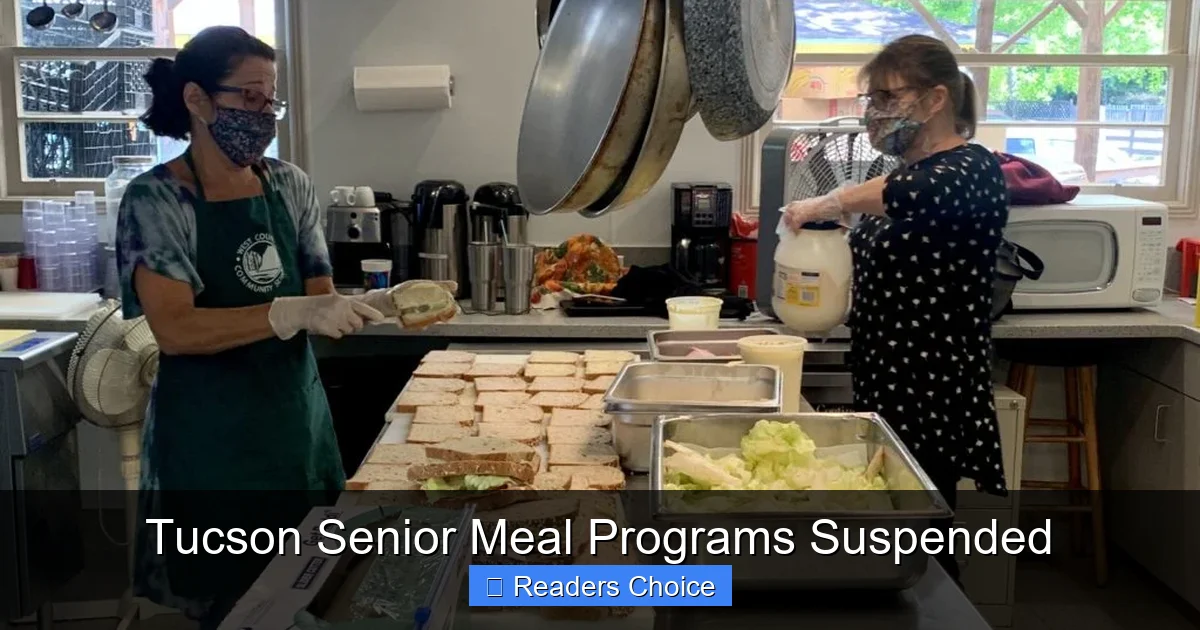
Visual guide about Tucson Senior Meal Programs Suspended
Image source: westcountyservices.org
The official announcement of the suspension came in March 2024, citing “insufficient funding and staffing shortages” as the primary reasons. But the roots of the crisis go much deeper.
Funding Shortfalls
One of the biggest blows came when a key federal grant from the Administration for Community Living (ACL) was not renewed. This grant had covered nearly 40% of the operating budget for Tucson’s senior nutrition programs. Without it, the programs were left with a $1.2 million deficit.
Local fundraising efforts couldn’t make up the difference. While community donations increased slightly, they were nowhere near enough to offset the loss. “We applied for emergency grants, launched crowdfunding campaigns, and reached out to local businesses,” says Linda Torres, director of the Pima Council on Aging. “But the need is just too great, and the funding landscape is too competitive.”
Staffing and Volunteer Shortages
Even if funding had been available, staffing would have remained a major hurdle. The senior meal programs depend heavily on paid staff and volunteers to prepare, pack, and deliver meals. But like many service industries, they’ve been hit hard by workforce shortages.
“We’ve had positions open for months,” Torres explains. “We’re competing with fast-food chains and retail stores that can offer higher wages and more flexible hours. It’s hard to ask someone to work for $15 an hour packing meals when they could make $18 at a grocery store.”
Volunteer numbers have also dropped. Many long-time volunteers are themselves seniors and have health concerns about returning to in-person service. Others have moved away or taken on caregiving responsibilities for family members.
Rising Operational Costs
Inflation has driven up the cost of everything from food to fuel to packaging. The price of fresh produce, lean proteins, and dairy has increased by nearly 20% over the past two years. At the same time, delivery routes have become longer and more expensive as gas prices fluctuate.
“We used to deliver 300 meals a day with three drivers,” says Carlos Mendez, a former meal delivery coordinator. “Now, with fewer staff and higher fuel costs, we’d need five drivers just to maintain the same level of service. It’s just not feasible.”
Immediate Impact on Seniors and Families
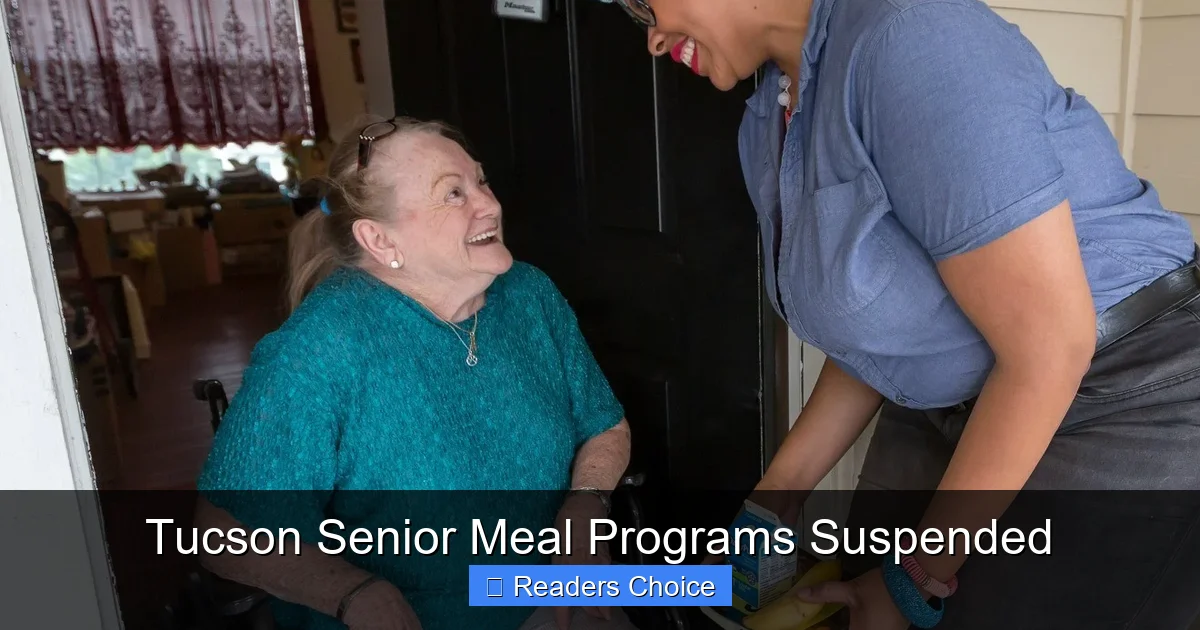
Visual guide about Tucson Senior Meal Programs Suspended
Image source: mealsonwheelscentraltexas.org
The suspension of meal programs has had a ripple effect across Tucson’s aging community. For many seniors, the loss of daily meals has meant choosing between food and other essentials like medication or utilities.
Increased Food Insecurity
Food insecurity among seniors is not just about hunger—it’s about health. Poor nutrition can worsen chronic conditions like diabetes, heart disease, and hypertension. It can also lead to fatigue, depression, and a weakened immune system.
Dr. Elena Ramirez, a geriatrician at Banner – University Medical Center Tucson, has seen the effects firsthand. “I’ve had patients come in with low blood sugar because they skipped meals,” she says. “Others are rationing their medications to save money for food. This is a public health crisis.”
Social Isolation and Mental Health
Beyond nutrition, the meal programs provided a vital social outlet. For seniors who live alone, the daily visit from a meal delivery driver or the chance to eat with friends at a senior center was a key source of connection.
“When the meals stopped, so did the visits,” says James Carter, 81, a regular at the Armory Park Senior Center. “I used to see my friends every day. Now I’m alone most of the time. It’s lonely.”
Mental health professionals warn that prolonged isolation can lead to depression and cognitive decline. The loss of routine and social interaction is especially hard on seniors who already struggle with mobility or vision loss.
Strain on Caregivers and Families
Families and caregivers are also feeling the burden. Many adult children have stepped in to help their parents shop for groceries or prepare meals, but not everyone has the time, resources, or ability to do so.
“I work full-time and have two kids,” says Jessica Lopez, whose 76-year-old mother lives in Tucson. “I can’t be there every day to cook for her. I’ve been relying on the meal program for years. Now I’m scrambling to find alternatives.”
Some families have turned to paid meal delivery services, but these can cost $10–$15 per meal—far beyond what most seniors can afford on a fixed income.
Community Response and Emergency Solutions

Visual guide about Tucson Senior Meal Programs Suspended
Image source: mealpro.net
In the face of this crisis, Tucson’s community has rallied to support its seniors. Nonprofits, faith-based organizations, and volunteers are stepping up to fill the gap.
Emergency Food Distribution
The Community Food Bank of Southern Arizona has launched an emergency senior food box program. Each box contains a week’s worth of non-perishable food, including canned vegetables, pasta, peanut butter, and shelf-stable milk. Distribution sites have been set up at senior centers, libraries, and churches across the city.
“We’re prioritizing seniors who were previously enrolled in meal programs,” says Maria Gonzalez, a spokesperson for the food bank. “We’re also partnering with Meals on Wheels volunteers to deliver boxes to homebound individuals.”
Volunteer-Led Meal Delivery
Local churches and community groups have organized their own meal delivery initiatives. St. Augustine Cathedral, for example, now delivers 50 meals every Tuesday and Thursday using a team of parishioners.
“We’re not replacing the full program, but we’re trying to help where we can,” says Father Michael O’Brien. “It’s about compassion and community.”
Other groups, like the Tucson Senior Center and the Sunnyside Neighborhood Association, are hosting pop-up meal events and grocery giveaways.
Advocacy and Policy Efforts
Advocates are also pushing for systemic change. The Pima Council on Aging has launched a campaign urging state and federal lawmakers to increase funding for senior nutrition programs. They’re calling for emergency appropriations and long-term reforms to the Older Americans Act.
“This isn’t just a Tucson problem—it’s a national issue,” says Torres. “We need sustainable funding, better reimbursement rates, and support for workforce development. Seniors deserve better.”
City council members have responded by allocating $250,000 in emergency funds to support temporary meal services. While this won’t restore full operations, it will help cover the cost of food boxes and limited deliveries for the next few months.
Alternatives and Resources for Seniors
While the full meal programs remain suspended, there are still options for seniors in need. Here are some practical alternatives:
Apply for SNAP Benefits
The Supplemental Nutrition Assistance Program (SNAP), formerly known as food stamps, can help low-income seniors afford groceries. Eligibility is based on income and household size. Seniors can apply online through the Arizona Department of Economic Security or get assistance from a local nonprofit.
Tip: Many seniors don’t realize they qualify for SNAP. Even those with small pensions or Social Security income may be eligible.
Visit Local Food Pantries
Tucson has over 30 food pantries that offer free groceries to those in need. Some, like the Gospel Rescue Mission and the Salvation Army, have dedicated senior hours or delivery options.
Tip: Call ahead to check hours and availability. Some pantries require proof of income or residency.
Explore Congregate Dining at Other Centers
While some senior centers have paused meals, others are still operating—just at reduced capacity. The Tucson Jewish Community Center, for example, continues to serve lunch three days a week.
Tip: Contact the Pima Council on Aging at (520) 790-7262 for an updated list of open meal sites.
Consider Paid Meal Delivery Services
Companies like Mom’s Meals and Magic Kitchen offer pre-made, nutritious meals delivered to your door. While not free, they may be covered by Medicare Advantage plans or long-term care insurance.
Tip: Ask your doctor or insurance provider if meal delivery is a covered benefit.
Join a Community Garden or Food Co-op
For seniors who are able, growing their own food or joining a food co-op can be a cost-effective and rewarding option. The Tucson Village Farm and the Community Gardens of Tucson offer plots and resources for older adults.
Looking Ahead: The Path to Restoration
The suspension of Tucson’s senior meal programs is a wake-up call. It highlights the fragility of our social safety net and the urgent need for investment in aging services.
Short-Term Goals
In the coming months, the focus will be on stabilizing the situation. That means securing emergency funding, expanding food box distributions, and recruiting more volunteers. The city and county are also exploring partnerships with local restaurants and food distributors to provide low-cost meals.
Long-Term Solutions
To prevent future disruptions, experts recommend:
– Increasing federal and state funding for senior nutrition programs
– Creating workforce training programs to attract and retain meal service staff
– Expanding telehealth and remote check-ins to reduce isolation
– Integrating meal services with broader aging-in-place initiatives
“We can’t go back to business as usual,” says Dr. Ramirez. “We need a new model—one that’s resilient, sustainable, and centered on dignity.”
How You Can Help
Community involvement is key. You can support seniors by:
– Volunteering with a local food bank or meal delivery program
– Donating to organizations like the Pima Council on Aging or the Community Food Bank
– Advocating for policy changes by contacting your elected officials
– Checking in on elderly neighbors and offering assistance
Every action counts. Together, we can ensure that no senior in Tucson goes hungry.
The suspension of Tucson’s senior meal programs is more than a logistical challenge—it’s a moral one. These services were built on the belief that every older adult deserves to age with dignity, health, and connection. While the road to recovery may be long, the resilience of the community gives hope. With continued advocacy, innovation, and compassion, Tucson can rebuild a stronger, more inclusive system for its seniors.
Frequently Asked Questions
Why were Tucson senior meal programs suspended?
The programs were suspended due to a combination of funding shortfalls, staffing shortages, and rising operational costs. A key federal grant was not renewed, leaving a $1.2 million deficit that could not be covered by local donations or reduced staffing.
How many seniors are affected by the suspension?
Over 500 seniors in Tucson who regularly participated in congregate or home-delivered meal programs are directly affected. Many more may be at risk of food insecurity as a result.
Are there any meal services still available for seniors?
Yes, some alternatives exist, including emergency food boxes from the Community Food Bank, volunteer-led meal deliveries from churches, and limited congregate dining at select centers. Seniors are encouraged to contact the Pima Council on Aging for updated resources.
How can I help seniors affected by the meal program suspension?
You can volunteer with local food banks, donate to senior service organizations, advocate for increased funding, or check in on elderly neighbors. Even small acts of kindness can make a big difference.
Will the meal programs be restored?
Advocates are working to secure emergency funding and long-term solutions. While there’s no set timeline for full restoration, temporary measures are in place to support seniors until a sustainable plan is developed.
Can seniors apply for food assistance programs?
Yes, seniors can apply for SNAP benefits, visit food pantries, or explore Medicare-covered meal delivery options. Assistance with applications is available through local nonprofits and government agencies.