
Texas Senior Pro Rodeo Association


Shower Chair for Elderly

Automatic Can Opener

Smart Plug with Alexa
The Texas Senior Pro Rodeo Association (TSPRA) is a vibrant organization dedicated to preserving the rodeo spirit for competitors aged 40 and up. With events across Texas, it offers seasoned athletes a chance to stay active, compete, and connect with fellow rodeo enthusiasts in a supportive, high-energy environment.
The Texas Senior Pro Rodeo Association (TSPRA) isn’t just another rodeo circuit—it’s a celebration of grit, experience, and the enduring spirit of the American West. While most professional rodeos spotlight younger athletes, the TSPRA flips the script by giving seasoned cowboys and cowgirls over 40 a chance to saddle up, compete, and shine. Think of it as the “masters division” of rodeo, where age is not a barrier but a badge of honor. These aren’t retirees watching from the sidelines—they’re still riding, roping, and racing with the same fire that fueled their younger years.
What makes the TSPRA truly special is its deep-rooted connection to Texas culture. Rodeo is more than a sport here—it’s a way of life. From dusty arenas in small towns to larger venues in cities like Fort Worth and San Angelo, the TSPRA brings together competitors who’ve spent decades honing their craft. Whether it’s a 55-year-old barrel racer shaving seconds off her time or a 60-year-old team roper making a perfect catch, these athletes prove that passion and skill don’t fade with age. The association honors that legacy by providing a structured, competitive, and welcoming environment where experience is valued as much as speed.
Key Takeaways
- Open to riders 40+: The TSPRA welcomes experienced rodeo athletes aged 40 and older, offering a competitive yet inclusive platform.
- Diverse rodeo events: Competitors can participate in classic events like barrel racing, team roping, and bull riding, tailored for senior athletes.
- Statewide events: Rodeos are held in cities across Texas, making it accessible for participants and fans throughout the state.
- Community and camaraderie: Beyond competition, the TSPRA fosters friendships, mentorship, and a strong sense of rodeo family.
- Affordable entry and support: Low entry fees and volunteer-driven operations make participation accessible and sustainable.
- Preserving rodeo heritage: The association plays a key role in keeping traditional rodeo culture alive for future generations.
- Family-friendly atmosphere: Events are designed to entertain fans of all ages, blending competition with Western hospitality.
📑 Table of Contents
What Is the Texas Senior Pro Rodeo Association?
The Texas Senior Pro Rodeo Association is a nonprofit organization founded to promote and sustain professional rodeo competition for athletes aged 40 and older. Established in the early 1990s, the TSPRA was created by a group of veteran rodeo competitors who wanted to continue competing beyond the traditional age limits of mainstream rodeo circuits. They believed that age should not be a barrier to participation—only skill, dedication, and love for the sport should matter.
Unlike youth or open rodeos, the TSPRA sets a minimum age requirement of 40, ensuring that all competitors have significant experience under their belts. This isn’t about slowing down—it’s about competing on a level playing field with peers who understand the physical demands and mental focus required. The association operates under a set of standardized rules aligned with the Professional Rodeo Cowboys Association (PRCA) and Women’s Professional Rodeo Association (WPRA), but with modifications to accommodate the needs of older athletes.
Membership is open to anyone who meets the age requirement and is willing to uphold the values of sportsmanship, safety, and respect. The TSPRA is run by a volunteer board of directors, many of whom are active competitors themselves. This grassroots leadership ensures that the organization remains responsive to the needs of its members. From scheduling events to managing finances and promoting safety, the TSPRA is a true community effort.
Mission and Values
At its core, the TSPRA is driven by a simple but powerful mission: to provide a competitive rodeo platform for senior athletes while preserving the traditions of Western heritage. The association believes that rodeo is more than just a sport—it’s a cultural legacy that deserves to be passed down through generations. By giving older competitors a chance to stay active and engaged, the TSPRA helps keep that legacy alive.
The values of the TSPRA are rooted in respect, integrity, and camaraderie. Competitors are expected to treat each other, officials, and fans with dignity. Cheating, unsportsmanlike conduct, or reckless behavior is not tolerated. The organization also emphasizes safety, requiring all participants to use proper equipment and follow event protocols. This focus on safety is especially important for older athletes, who may need to adjust their techniques or training routines to prevent injury.
Another key value is inclusivity. While the TSPRA is based in Texas, it welcomes members from neighboring states and even out-of-region competitors who travel to participate. The association also encourages family involvement, often hosting events that include youth demonstrations, vendor booths, and Western-themed entertainment. This creates a festival-like atmosphere that draws crowds and strengthens community ties.
How It Differs from Other Rodeo Organizations
So, how does the TSPRA stand out from other rodeo groups? For starters, its age-based eligibility is unique. Most professional rodeos don’t have an upper age limit, but they also don’t cater specifically to older athletes. The TSPRA fills that gap by creating a space where experience is celebrated, not overlooked.
Additionally, the TSPRA places a strong emphasis on affordability and accessibility. Entry fees are kept low—typically under $100 per event—making it possible for competitors to participate regularly without breaking the bank. Many events are held in rural or semi-rural areas, reducing travel costs for local members. The association also relies on volunteer labor for setup, judging, and cleanup, which keeps operational costs down.
Another distinguishing feature is the sense of community. While mainstream rodeos can feel competitive and high-pressure, the TSPRA fosters a more relaxed, family-oriented vibe. Competitors often know each other from years of traveling the circuit, and friendships formed on the rodeo grounds extend beyond the arena. It’s not uncommon to see veterans mentoring younger members or sharing tips on training and recovery.
Who Can Join the TSPRA?

Visual guide about Texas Senior Pro Rodeo Association
Image source: seniorrodeo.net
One of the most common questions about the TSPRA is: “Can I join?” The answer is a resounding yes—if you’re 40 or older and passionate about rodeo. The association is open to both men and women, and there are no restrictions based on previous professional status. Whether you’re a former PRCA champion or someone who’s been riding for fun for decades, you’re welcome to apply.
Membership is straightforward. Interested individuals can visit the official TSPRA website or contact a local chapter to request an application. The process typically involves filling out a form, providing proof of age, and paying a small annual membership fee (usually around $50). Once approved, members receive a membership card, access to the event schedule, and eligibility to compete in TSPRA-sanctioned rodeos.
Eligibility Requirements
To join the TSPRA, applicants must meet the following criteria:
– Be at least 40 years old by the start of the rodeo season (typically January 1).
– Have a valid ID or birth certificate to verify age.
– Agree to follow TSPRA rules and code of conduct.
– Pay the annual membership fee.
There are no skill-level requirements, but competitors are expected to have basic riding and event experience. For example, a barrel racer should be able to safely navigate a pattern, and a roper should understand cattle handling. The TSPRA does not provide training, but many members offer informal coaching or practice sessions.
Types of Members
The TSPRA attracts a diverse group of members, including:
– Retired professional rodeo athletes looking to stay active.
– Weekend warriors who’ve kept their skills sharp through local competitions.
– Former college rodeo participants transitioning to senior circuits.
– Enthusiasts who’ve always loved rodeo but never competed professionally.
This mix creates a rich tapestry of backgrounds and experiences. You might see a 45-year-old rancher competing in team roping alongside a 62-year-old grandmother barrel racing with her granddaughter cheering from the stands. The common thread? A deep love for the sport and a desire to keep riding.
How to Become a Member
Becoming a TSPRA member is simple:
1. Visit the official TSPRA website or contact a regional representative.
2. Download and complete the membership application.
3. Submit the form along with a copy of your ID and membership fee.
4. Await confirmation and receive your membership materials.
New members are encouraged to attend an orientation or introductory event to meet other competitors and learn about the rules and schedule. Many chapters also host social gatherings, such as barbecues or trail rides, to help newcomers feel at home.
Rodeo Events Offered by the TSPRA

Visual guide about Texas Senior Pro Rodeo Association
Image source: circletarena.net
The TSPRA offers a full slate of traditional rodeo events, each adapted to suit the abilities and safety needs of senior competitors. While the core events mirror those found in professional rodeos, the TSPRA emphasizes skill, precision, and sportsmanship over sheer speed or strength. This approach allows athletes to compete at a high level while minimizing the risk of injury.
Barrel Racing
Barrel racing is one of the most popular events in the TSPRA, especially among female competitors. In this timed event, riders guide their horses through a cloverleaf pattern around three barrels. The goal is to complete the pattern as quickly as possible without knocking over any barrels, which results in a 5-second penalty.
For senior riders, the TSPRA allows for slight modifications, such as wider turns or adjusted barrel spacing, to accommodate older horses or riders with joint issues. Many competitors use well-trained, seasoned horses that are calm and responsive—qualities that often improve with age. The event is judged purely on time, with the fastest clean run taking the win.
Team Roping
Team roping is a fan favorite and a staple of the TSPRA circuit. In this event, two riders work together to rope a steer—one catches the head (header), and the other catches the heels (heeler). The team with the fastest time wins.
Senior ropers often rely on experience and timing rather than raw speed. Many teams have been riding together for years, developing a默契 (mòqì)—a word that means “tacit understanding” in Chinese, but perfectly captures the unspoken coordination between partners. The TSPRA encourages teamwork and communication, and many events include practice sessions to help teams refine their timing.
Breakaway Roping
Breakaway roping is a variation of team roping designed for individual competitors. In this event, a rider on horseback chases a calf, throws a loop to catch it by the neck, and then the rope “breaks away” from the saddle horn when the calf is caught. The time stops when the rope breaks.
This event is popular among senior cowgirls because it’s less physically demanding than other roping events. It requires precision and quick reflexes, but not the same level of strength or coordination as team roping. Many breakaway ropers use lightweight ropes and well-trained horses to improve their chances of a fast catch.
Bull Riding and Bareback Riding
While less common due to the higher risk, bull riding and bareback riding are still part of the TSPRA lineup—especially in larger events. These events are strictly regulated for safety, with mandatory protective gear, experienced stock contractors, and medical personnel on site.
Senior bull riders often have decades of experience and know how to read a bull’s behavior. They focus on balance, timing, and controlled movements rather than aggressive riding. The TSPRA limits the number of rides per competitor and requires medical clearance for participants over a certain age.
Steer Wrestling and Saddle Bronc Riding
Steer wrestling and saddle bronc riding are offered at select events, depending on location and availability of stock. These events are physically demanding and typically attract the more experienced and agile senior competitors.
Steer wrestling requires a rider to leap from a horse onto a running steer and wrestle it to the ground. Saddle bronc riding involves staying mounted on a bucking horse for eight seconds using only a saddle and rein. Both events are judged on time and style, with safety as the top priority.
Event Schedule and Locations
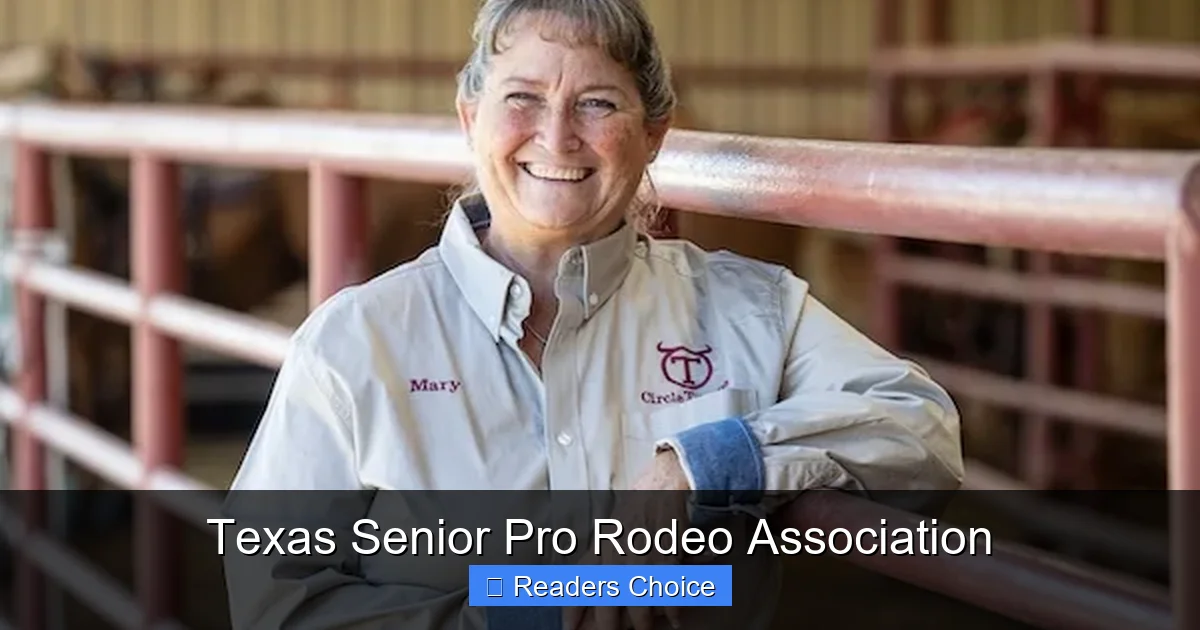
Visual guide about Texas Senior Pro Rodeo Association
Image source: circletarena.net
The TSPRA hosts rodeos throughout the year, with the peak season running from spring through fall. Events are held in towns and cities across Texas, from the Panhandle to the Gulf Coast. This statewide presence ensures that members don’t have to travel far to compete.
Typical Event Calendar
The TSPRA season usually kicks off in March and runs through October, with events scheduled nearly every weekend during the summer. A typical calendar might include:
– March: Season opener in San Angelo
– April: Events in Fort Worth and Lubbock
– May: Rodeos in Amarillo and Midland
– June: Summer series in College Station and Waco
– July: Independence Day rodeo in Fredericksburg
– August: Events in Kerrville and Georgetown
– September: Fall classics in Austin and Temple
– October: Season finale in Dallas
Each event lasts one to two days and includes multiple rodeo events, vendor booths, food trucks, and live music. Many rodeos also feature special activities, such as youth mutton busting, trick riding demonstrations, and Western art shows.
How to Find Events Near You
The best way to stay updated on TSPRA events is to visit the official website or follow the association on social media. The website features a searchable event calendar, location maps, and registration links. Members also receive a printed schedule each year and regular email updates.
Local chapters often promote events through community bulletin boards, radio stations, and rodeo clubs. Word of mouth is also a powerful tool—many competitors learn about upcoming rodeos from friends or fellow riders.
What to Expect at a TSPRA Rodeo
Attending a TSPRA rodeo is a full-day experience. Gates typically open at 10 a.m., with events starting around noon. The atmosphere is festive, with country music playing, vendors selling Western wear and crafts, and families enjoying food and drinks.
Competitors arrive early to check in, warm up their horses, and review the event schedule. There’s usually a riders’ meeting before each event to go over rules, safety protocols, and any last-minute changes.
The rodeo itself is fast-paced and exciting. Each event runs in a set order, with announcers providing commentary and keeping the crowd engaged. After all events are complete, awards are presented in a ceremony, often followed by a social hour or dinner.
Benefits of Joining the TSPRA
Joining the Texas Senior Pro Rodeo Association offers more than just a chance to compete. It’s a lifestyle choice that promotes physical health, mental well-being, and social connection.
Physical and Mental Health Benefits
Rodeo is a physically demanding sport, but for senior athletes, it’s also a form of active aging. Regular riding and training help maintain strength, balance, and coordination. Many TSPRA members report improved joint flexibility, cardiovascular health, and muscle tone.
Mentally, the sport provides a sense of purpose and accomplishment. Setting goals, practicing routines, and competing in events boost self-esteem and reduce feelings of isolation. For retirees or those dealing with health challenges, the TSPRA offers a supportive community that encourages resilience and positivity.
Social and Community Benefits
One of the biggest draws of the TSPRA is the sense of belonging. Members often describe the association as a “second family.” They share meals, travel together, and support each other through injuries, losses, and personal challenges.
The TSPRA also fosters intergenerational connections. Many events include youth activities, and older members often mentor younger riders. This passing down of knowledge helps preserve rodeo traditions and inspires the next generation.
Affordable and Accessible Competition
Compared to other sports or recreational activities, the TSPRA is remarkably affordable. Membership fees are low, and many events are held in rural areas with minimal travel costs. The association also offers scholarships and travel stipends for members in need.
For those who can’t compete due to injury or health issues, the TSPRA welcomes volunteers, judges, and spectators. There are plenty of ways to stay involved without riding.
How to Support the TSPRA
Even if you’re not a competitor, there are many ways to support the Texas Senior Pro Rodeo Association. The organization relies on community involvement to thrive.
Volunteer Opportunities
Volunteers are the backbone of the TSPRA. They help with everything from setting up arenas and managing registration to selling tickets and cleaning up after events. No experience is necessary—just a willingness to help and a love for rodeo.
Common volunteer roles include:
– Arena crew (setting up barrels, gates, and chutes)
– Timekeepers and scorekeepers
– Concession stand helpers
– Parking and crowd control
– Event photographers and videographers
Volunteers often receive free admission, meals, and TSPRA merchandise as a thank-you.
Sponsorship and Donations
Local businesses can support the TSPRA through sponsorships. Sponsors receive logo placement on banners, programs, and websites, as well as recognition during events. Donations help fund prizes, equipment, and operational costs.
Individuals can also make tax-deductible donations through the TSPRA website. Contributions go directly toward supporting members and preserving rodeo heritage.
Spread the Word
One of the simplest ways to help is by spreading the word. Share TSPRA events on social media, invite friends to attend, or write a review online. The more people who know about the association, the stronger it becomes.
Conclusion
The Texas Senior Pro Rodeo Association is more than a sports organization—it’s a living testament to the enduring spirit of the American West. For riders over 40, it offers a rare opportunity to stay active, compete, and connect with others who share their passion. Through a blend of tradition, community, and competition, the TSPRA keeps the rodeo flame burning bright for generations to come.
Whether you’re a seasoned competitor, a curious spectator, or a proud Texan, the TSPRA invites you to be part of something special. Come for the rodeo, stay for the camaraderie, and leave with a deeper appreciation for the values that define the Lone Star State.
Frequently Asked Questions
What is the minimum age to join the Texas Senior Pro Rodeo Association?
You must be at least 40 years old by January 1 of the current rodeo season to join the TSPRA. Proof of age, such as a driver’s license or birth certificate, is required during registration.
Can women compete in the TSPRA?
Absolutely! The TSPRA welcomes both men and women. Events like barrel racing and breakaway roping are especially popular among female competitors, and women often dominate in these categories.
Do I need to be a professional rodeo athlete to join?
No. The TSPRA is open to anyone aged 40 and up, regardless of past experience. Whether you’re a former pro or a weekend rider, you’re welcome to compete.
How much does it cost to join the TSPRA?
Annual membership is typically around $50, and entry fees for events range from $50 to $100. These low costs make the TSPRA one of the most affordable rodeo circuits in the country.
Are TSPRA events open to the public?
Yes! All TSPRA rodeos are open to spectators. Tickets are usually sold at the gate, and many events offer family-friendly activities, food, and entertainment.
How can I find a TSPRA event near me?
Visit the official TSPRA website for a searchable event calendar. You can also follow the association on Facebook or contact a local chapter for updates on upcoming rodeos.