
Suite Living Senior Care of West St. Paul


Audiobook Player

Reacher Grabber Tool

Quad Cane for Seniors
Suite Living Senior Care of West St. Paul provides expert memory care services in a warm, home-like environment. With personalized care plans and a focus on dignity, this facility supports seniors with Alzheimer’s and dementia through trained staff and engaging daily routines. Families trust Suite Living for its compassionate approach and strong community connections in the Twin Cities area.
Welcoming a loved one into a memory care community can feel overwhelming—but choosing the right provider makes all the difference. At Suite Living Senior Care of West St. Paul, families find more than just a place to live; they discover a true home filled with understanding, respect, and daily moments of connection. Nestled in a quiet neighborhood just minutes from downtown St. Paul, this memory care community blends modern amenities with a cozy, residential atmosphere that honors each resident’s individuality.
What sets Suite Living apart is its unwavering commitment to person-centered care. Every decision—from meal timing to activity selection—is made with input from the resident (as much as possible) and their family. This philosophy ensures that no one feels like a number; instead, each person is seen, heard, and valued. Whether your loved one is in the early stages of memory loss or requires more intensive support, Suite Living West St. Paul creates a nurturing environment where dignity and comfort come first.
Key Takeaways
- Specialized Memory Care: Suite Living Senior Care of West St. Paul offers dedicated memory care programs tailored to individuals living with Alzheimer’s disease or other forms of dementia.
- Personalized Support Plans: Each resident receives a customized care plan developed by licensed professionals, ensuring attention to medical, emotional, and social needs.
- Safe & Comfortable Environment: The facility features secure common areas, sensory stimulation rooms, and calming décor designed to reduce confusion and promote well-being.
- Engaging Daily Activities: From music therapy to art projects and reminiscence sessions, residents enjoy meaningful activities that stimulate cognitive function and foster joy.
- Family-Centered Approach: Regular updates, open communication, and family involvement are central to the care model at Suite Living West St. Paul.
- Trained & Compassionate Staff: All team members complete dementia-specific training, including techniques like validation therapy and person-centered care strategies.
- Location & Accessibility: Conveniently located in West St. Paul, MN, Suite Living offers easy access for families in the greater Minneapolis-St. Paul metro area.
📑 Table of Contents
Understanding Memory Care Needs
As we age, changes in memory and cognition are natural—but when those changes begin to interfere with daily life, it may be time to consider specialized care. Memory care communities like Suite Living are designed specifically for individuals diagnosed with Alzheimer’s disease, vascular dementia, or other types of cognitive decline. These facilities go beyond basic assistance with bathing, dressing, and medications by addressing the unique emotional and psychological challenges that come with memory loss.
One of the biggest concerns families face is safety. Individuals with dementia often wander, become disoriented, or experience anxiety in unfamiliar settings. Suite Living West St. Paul addresses these risks through secured entryways, monitored exits, and interior signage that uses familiar landmarks rather than numbers or colors that might confuse residents. The layout encourages gentle movement while reducing stress triggers.
Another critical aspect is routine. People with memory impairment thrive on predictability. That’s why Suite Living structures each day with consistent meal times, scheduled activities, and quiet periods for rest. This stability helps reduce agitation and confusion—common symptoms in those living with dementia.
The Role of Person-Centered Care
At the heart of Suite Living’s mission is the belief that every person deserves to be treated as an individual, not just a diagnosis. Their care model emphasizes getting to know each resident’s history, preferences, hobbies, and values before creating a personalized plan. For example, if someone used to play piano, the staff might incorporate music sessions into their weekly schedule—even if they can no longer play themselves. If a resident loved gardening, photos of flowers or nature sounds might be used during calming exercises.
This approach extends to how staff interact with residents. Instead of correcting mistakes (“No, you didn’t get married in 1965”), they use validation therapy techniques: “It sounds like that was such a happy day for you.” These small but powerful shifts help preserve self-esteem and reduce frustration for both residents and caregivers.
Staff Training and Certification
All direct care staff at Suite Living Senior Care of West St. Paul undergo extensive training in dementia care. This includes courses on communication strategies, managing behavioral symptoms, medication administration, and emergency response protocols. Many team members also hold certifications in Alzheimer’s Association best practices or similar programs.
Beyond formal education, the staff embodies empathy and patience. They understand that aggression, wandering, or repetitive questioning aren’t “bad behavior”—they’re signs of distress caused by confusion or unmet needs. By responding with compassion rather than correction, the team helps de-escalate difficult situations and maintain a peaceful atmosphere throughout the community.
Facility Features and Amenities
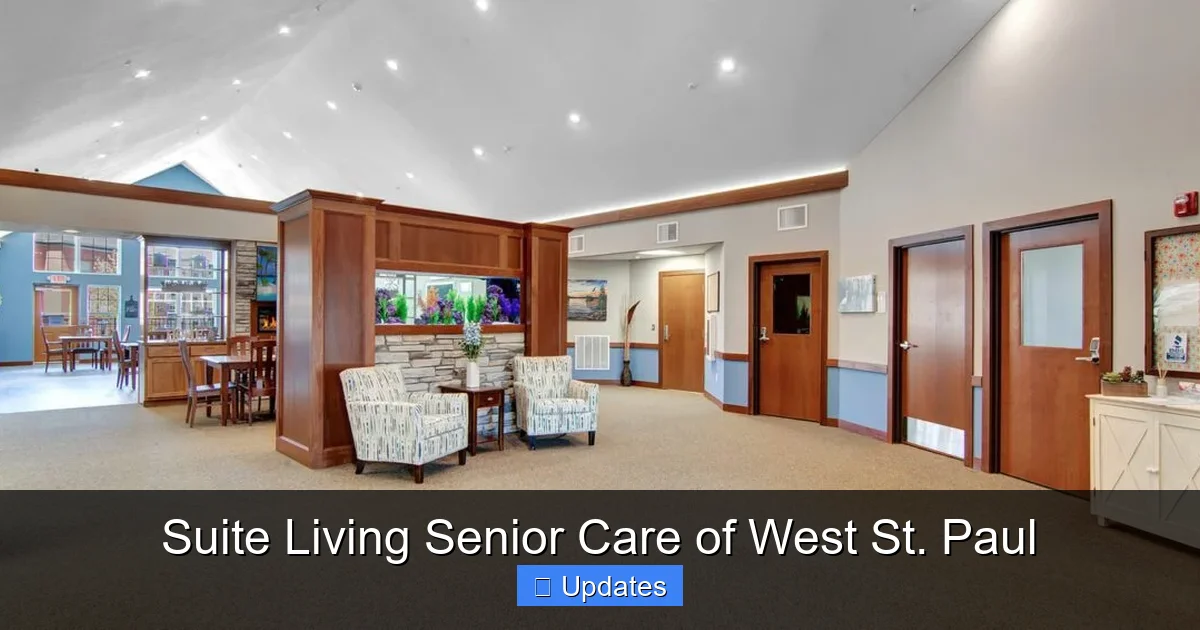
Visual guide about Suite Living Senior Care of West St. Paul
Image source: suitelivingseniorcare.com
Suite Living West St. Paul occupies a thoughtfully designed building that prioritizes both safety and comfort. The main entrance is locked, but interior doors are wide enough for easy wheelchair navigation and feature visual cues like pictures instead of words. Common areas include a bright dining room, a library nook with soft lighting, and a garden patio where residents can enjoy fresh air under supervision.
One standout feature is the Sensory Room—a softly lit space equipped with textured objects, calming music, and familiar scents like lavender or vanilla. Residents often retreat here when feeling overwhelmed, allowing them to reset in a safe, soothing environment.
Meals are prepared fresh daily using seasonal ingredients. Dietary restrictions and cultural preferences are always accommodated. Family-style dining encourages social interaction, and staff sit with residents during meals to assist as needed while promoting conversation.
Outdoor spaces include walking paths surrounded by native plants and benches positioned for shaded rest. While outdoor access is monitored closely due to safety considerations, the goal is always to offer opportunities for gentle exercise and connection with nature—key elements in maintaining physical and mental health.
Technology and Safety Systems
Modern technology enhances safety without compromising privacy. Motion sensors alert staff if a resident attempts to leave unsupervised. Emergency call buttons are available in bathrooms and bedrooms. Additionally, wearable ID tags help identify residents quickly if they do wander—though the facility works hard to prevent wandering altogether through environmental design and redirection techniques.
Electronic health records ensure seamless coordination among physicians, pharmacists, and caregivers. Families receive regular updates via phone calls, emails, or scheduled video meetings, keeping them informed about their loved one’s progress and any changes in condition.
Daily Life at Suite Living West St. Paul
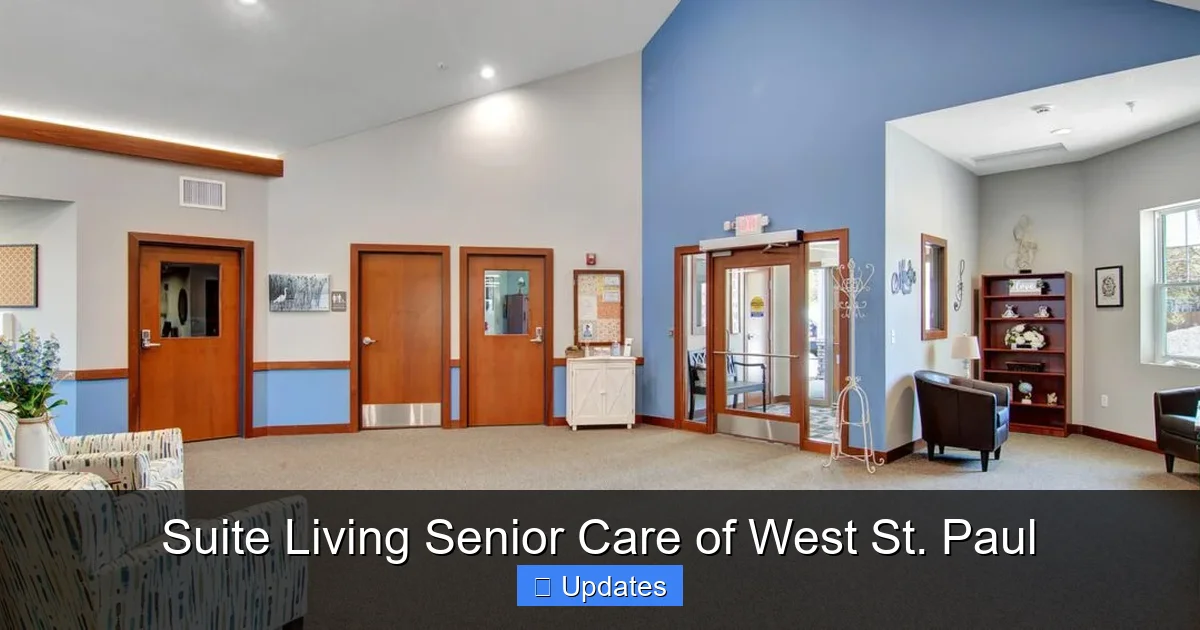
Visual guide about Suite Living Senior Care of West St. Paul
Image source: suitelivingseniorcare.com
A typical day at Suite Living begins with gentle wake-up calls and breakfast served between 7:00 and 8:30 AM. Residents who prefer later meals are accommodated without pressure. Morning hygiene tasks—like brushing teeth or getting dressed—are completed with support from trained aides who prioritize independence wherever possible.
Mid-morning usually features group activities such as chair yoga, puzzle games, or listening to favorite songs from past decades. Afternoons might include arts and crafts, pet therapy visits (with certified therapy animals), or guided reminiscence sessions where residents share stories about their lives.
Lunch is followed by a short rest period or quiet reading time. Some residents nap; others simply relax with a book or listen to audiobooks. Dinnertime is another highlight, often involving family members if schedules allow. Evening routines include light snacks, bedtime preparation, and calming activities like aromatherapy or soft music.
Throughout the day, staff members check in frequently, offering reassurance and adjusting support as needed. There’s no rigid schedule—flexibility is built in so residents can choose when to eat, sleep, or engage socially.
Family Involvement and Communication
Families play a vital role at Suite Living West St. Paul. Upon admission, each family meets with the care coordinator to discuss expectations, routines, and communication preferences. Monthly newsletters keep everyone updated on community events and resident achievements. Families are also invited to quarterly care conferences where they can voice concerns, ask questions, and collaborate on care decisions.
Many families appreciate the transparency—they’re never left wondering what happened if their loved one has a bad day. Instead, they receive honest feedback and practical advice for supporting their family member at home when visiting.
For siblings or adult children living far away, Suite Living offers virtual tour options and video call capabilities within the facility, making it easier to stay connected even across distances.
Why Choose Suite Living Senior Care?
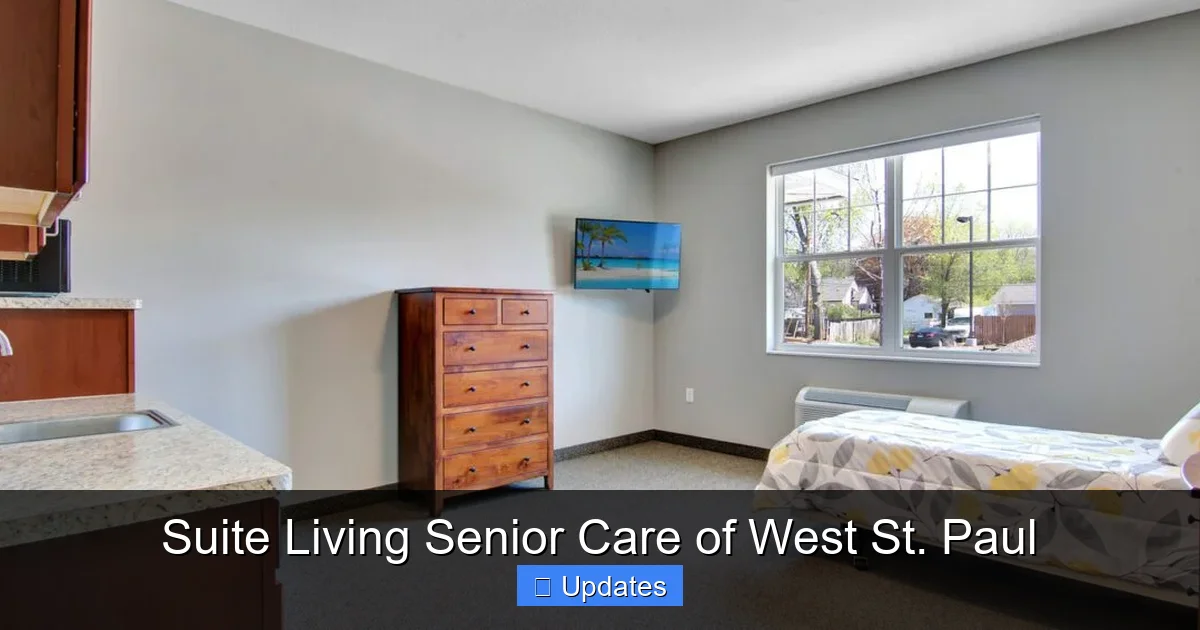
Visual guide about Suite Living Senior Care of West St. Paul
Image source: suitelivingseniorcare.com
Selecting a memory care community is one of the most important decisions a family will make. With so many options in the Twin Cities area, what makes Suite Living Senior Care of West St. Paul stand out?
First, their reputation for compassionate care is backed by consistent positive reviews from families. Many mention how quickly staff learned their loved one’s quirks and responded with kindness. Others praise the cleanliness, organization, and sense of peace they observed during visits.
Second, Suite Living maintains a low resident-to-staff ratio, meaning personalized attention remains a priority even as the community grows. This staffing level allows aides to spend quality time with residents rather than rushing between tasks.
Third, the facility invests in ongoing staff development. New hires shadow experienced team members for weeks before working independently. Ongoing training covers topics like recognizing signs of depression, handling financial exploitation concerns, and navigating end-of-life conversations with grace.
Finally, Suite Living partners with local healthcare providers to ensure continuity of care. If a resident develops a new medical issue, their primary doctor can easily access records and coordinate treatment through shared platforms.
Comparing Memory Care Options
When exploring memory care communities, families often compare pricing, location, and services offered. Suite Living West St. Paul falls mid-range in terms of cost compared to luxury facilities but offers higher staffing ratios and more individualized attention than budget-conscious options. Unlike some larger chains, they don’t rely heavily on automation—everything from laundry to meal prep is handled by human hands, adding warmth and accountability.
Visiting multiple communities helps clarify differences. At Suite Living, you’ll notice staff greeting residents by name, residents smiling during activities, and hallways free of clutter or loud alarms. These details reflect a culture centered on respect and dignity.
Preparing for Admission
The transition process starts long before move-in day. Suite Living recommends scheduling a private tour at least two months ahead of desired occupancy. During the visit, families observe interactions between staff and residents, ask about emergency procedures, and review sample care plans.
Financial planning is another key step. Most families pay privately initially, though some insurance plans cover portions of memory care costs. Medicaid eligibility varies by state and income level, so consulting a financial advisor familiar with senior housing is wise.
Packing essentials should be approached gently. Bring clothing that’s easy to put on (elastic waistbands, Velcro closures), personal items that spark joy (photo albums, heirlooms), and anything that reminds your loved one of home (a favorite blanket, religious icon). Avoid bringing electronics unless approved by staff—many devices can cause distraction or confusion.
Once moved in, give your loved one time to adjust. Visit regularly, bring snacks they enjoy, and participate in community events together. Consistency helps build trust and familiarity over time.
What to Expect During Your First Month
In the first week, focus on settling in. Staff will help establish routines based on your loved one’s habits. Don’t expect immediate changes—adjustment takes days or weeks.
By week two, your loved one may start participating more fully in activities. Encourage them to try new things but respect their limits. Some days will be better than others, and that’s okay.
After a month, most residents settle into a rhythm. You’ll likely see improvements in mood, appetite, and engagement. If concerns arise, speak up—Suite Living welcomes feedback and adjusts care plans promptly.
Community Impact and Local Partnerships
Suite Living Senior Care of West St. Paul isn’t just a business—it’s part of the local fabric. They sponsor annual health fairs, collaborate with nearby churches on volunteer programs, and host intergenerational events like school visits or holiday celebrations open to neighbors.
Their partnership with the Alzheimer’s Association provides residents and families with educational resources and support groups. Volunteers from the community often lead storytelling circles or teach simple crafts, strengthening bonds between generations.
By investing in the broader West St. Paul area, Suite Living demonstrates how elder care can uplift entire neighborhoods. Their presence brings jobs, attracts other businesses, and raises awareness about aging well.
Economic Benefits
Memory care facilities like Suite Living contribute significantly to Minnesota’s economy. They employ dozens of full-time and part-time workers, from registered nurses to culinary specialists. Many team members live locally, spending wages at nearby restaurants, gas stations, and shops.
Additionally, Suite Living supports local suppliers for food, linens, and medical equipment. This ripple effect strengthens the regional economy and reduces reliance on distant vendors.
Future Developments and Innovations
Looking ahead, Suite Living plans to expand their therapeutic offerings. Upcoming additions include a horticulture therapy garden where residents can tend plants (under supervision) and a digital reminiscence lab featuring vintage televisions, radios, and photo kiosks that recreate memories from decades past.
They’re also piloting AI-assisted monitoring tools that track sleep patterns, hydration levels, and activity trends—without invading privacy. These insights help staff intervene early if something seems off.
Sustainability is another focus. Solar panels on the roof reduce energy costs, and composting programs divert waste from landfills. Green initiatives align with their mission to create healing environments.
Advocacy and Education
Beyond direct care, Suite Living advocates for policy changes that benefit older adults. They’ve testified at city council meetings about improving sidewalk accessibility and supported legislation expanding Medicaid coverage for memory care services.
They also offer free workshops for families navigating dementia diagnoses. Topics range from understanding legal documents (POAs, wills) to managing caregiver burnout. By empowering families with knowledge, Suite Living helps reduce crisis situations and promotes proactive planning.
Conclusion: A Place Where Dignity Thrives
Choosing Suite Living Senior Care of West St. Paul means choosing a future where your loved one’s dignity is protected, their story continues to matter, and their days are filled with purpose and comfort. In a world that often moves too fast, this community offers a sanctuary—a place where slowing down isn’t a sign of failure, but an invitation to rediscover joy in simplicity.
Whether your loved one is beginning to struggle with memory or needs comprehensive support, Suite Living provides the expertise, compassion, and stability that make all the difference. Families consistently report feeling relieved, knowing their relative is in capable, caring hands.
If you’re considering memory care options in the Twin Cities, take the next step: schedule a visit, meet the team, and experience the warmth for yourself. Sometimes, the best way to judge a home is by how it makes you feel—and at Suite Living West St. Paul, you’ll find peace of mind wrapped in genuine kindness.
For more information about Suite Living Senior Care of West St. Paul or to arrange a private tour, visit their website or contact their admissions office directly. You’re not alone on this journey—and neither is your loved one.
—
*Related Reading:*
– Explore how Suite Living Senior Care Of Rosemount implements similar person-centered models in [this detailed review](https://seniorsprotalk.com/suite-living-senior-care-of-rosemount/).
– Learn about memory care innovations at Suite Living Senior Care Of Prior Lake in [their facility spotlight](https://seniorsprotalk.com/suite-living-senior-care-of-prior-lake/).
– Discover community engagement efforts at Suite Living Senior Care Of Maple Grove through [their volunteer programs](https://seniorsprotalk.com/suite-living-senior-care-of-maple-grove/).
Frequently Asked Questions
What types of memory care does Suite Living Senior Care of West St. Paul offer?
Suite Living provides specialized memory care for individuals with Alzheimer’s disease, vascular dementia, and other forms of cognitive decline. Their programs focus on safety, personalized routines, and emotional support tailored to each resident’s needs.
How does Suite Living ensure resident safety?
The facility uses secured entrances, motion sensors, wearable ID tags, and interior signage with familiar images to prevent wandering and confusion. Staff are trained to monitor movements and redirect safely without restricting freedom unnecessarily.
Can families visit regularly?
Yes! Families are encouraged to visit anytime during operating hours. Suite Living also offers scheduled video calls and participates in community events, making it easy to stay connected regardless of distance.
Is medical care provided on-site?
While Suite Living isn’t a skilled nursing facility, they have licensed nurses available for medication management, health assessments, and coordination with external doctors. Emergency care is accessed through partnerships with local clinics and hospitals.
What should I pack when moving my loved one in?
Bring comfortable clothing with easy closures, personal items that evoke positive memories (photos, music), and familiar bedding. Avoid small objects that could be swallowed or electronic devices unless approved by staff.
How much does memory care cost at Suite Living West St. Paul?
Pricing varies based on room type and care level. Most families pay privately initially, though some insurance or long-term care policies may cover portions. Contact their admissions team for a customized estimate and payment options.