
Senior Portraits What to Wear


Anti-Glare Reading Glasses

Electric Recliner Lift Chair

Medical Alert System
Choosing what to wear for senior portraits can feel overwhelming, but it doesn’t have to be. With the right guidance, you can pick outfits that reflect your personality, flatter your features, and stand the test of time. This guide covers everything from color choices to accessories, helping you feel confident and look amazing in every shot.
Key Takeaways
- Choose timeless styles over trends: Opt for classic cuts and solid colors that won’t look dated in a few years.
- Stick to a cohesive color palette: Pick 2-3 complementary colors to create harmony across your outfits.
- Consider your background and location: Match your clothing to the setting—earthy tones for nature, neutrals for urban backdrops.
- Layer smartly for variety: Bring a jacket, cardigan, or scarf to add depth and change up your look between shots.
- Prioritize fit and comfort: Clothes should fit well and let you move freely—avoid anything too tight or restrictive.
- Accessorize with purpose: Use jewelry, hats, or belts to add personality, but keep it minimal to avoid distraction.
- Bring backup options: Pack 3-5 outfit changes to give your photographer flexibility and ensure you love the final results.
📑 Table of Contents
- Why What You Wear Matters in Senior Portraits
- Choosing the Right Colors for Your Skin Tone and Setting
- Fabrics, Fits, and What to Avoid
- Outfit Ideas for Different Styles and Personalities
- Layering and Accessorizing Like a Pro
- Planning and Preparing for Your Shoot
- Final Thoughts: Be Yourself and Have Fun
Why What You Wear Matters in Senior Portraits
Senior portraits are more than just photos—they’re a celebration of who you are at this pivotal moment in life. Whether you’re heading off to college, starting a new chapter, or simply marking the end of high school, these images will be shared with family, friends, and future employers. That’s why what you wear matters. Your outfit doesn’t just cover your body; it communicates your personality, style, and confidence.
Think of your senior portrait session as a visual story. The clothes you choose are part of that narrative. A well-chosen outfit can highlight your best features, complement the setting, and create a timeless look that you’ll be proud of for years. On the flip side, a poor clothing choice—like a busy pattern or an unflattering fit—can distract from your face and expression, the true focus of the photo.
The good news? You don’t need a designer wardrobe or a stylist to look amazing. With a few smart choices, you can create a polished, authentic look that feels like *you*. This guide will walk you through everything you need to know about senior portraits what to wear—from colors and fabrics to layering and accessories—so you can step in front of the camera with confidence.
Choosing the Right Colors for Your Skin Tone and Setting
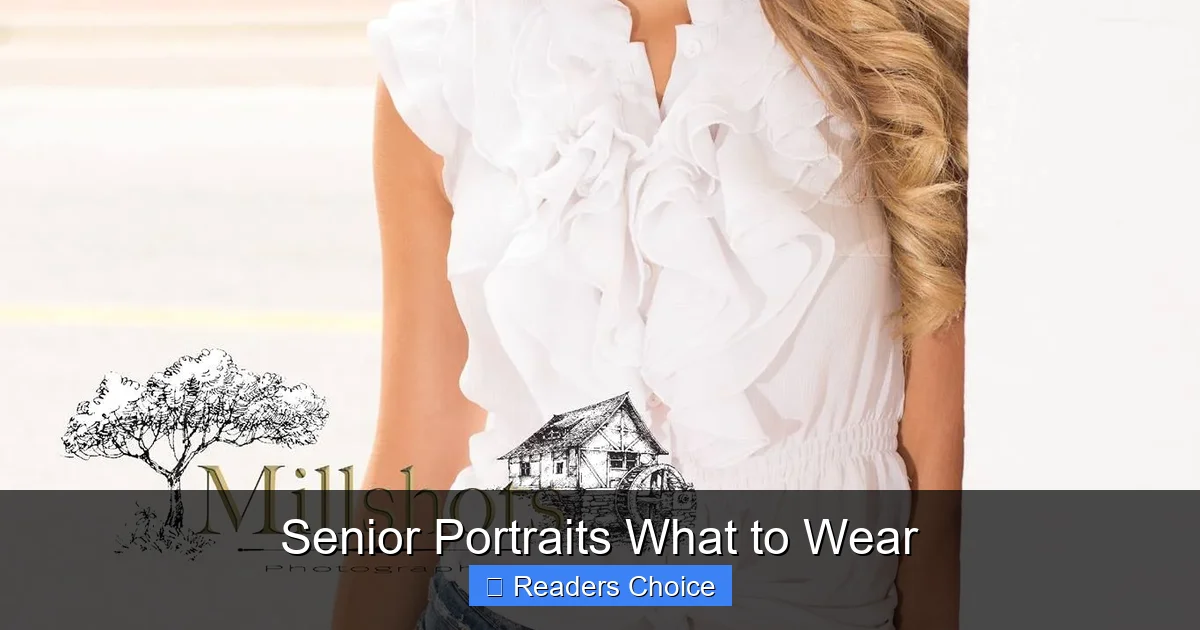
Visual guide about Senior Portraits What to Wear
Image source: millshotsphotography.com
One of the most common questions about senior portraits what to wear is: “What colors should I choose?” The answer depends on two key factors: your skin tone and the location of your shoot.
Match Colors to Your Skin Tone
Your skin has undertones—cool, warm, or neutral—that influence which colors look best on you. Cool undertones pair well with blues, purples, and grays. Warm undertones shine in earthy tones like olive green, mustard yellow, and burnt orange. If you have neutral undertones, you’re lucky—you can pull off almost any color.
A simple way to test your undertone is to look at the veins on your wrist. Blue or purple veins suggest cool undertones, while greenish veins indicate warm ones. Mixing colors (like blue-green) means you’re likely neutral. Once you know your undertone, choose clothing in shades that enhance your natural coloring. For example, a warm-toned person wearing a soft peach or coral top will glow, while a cool-toned person might look radiant in a deep teal or lavender.
Coordinate with Your Background
Your outfit should also complement the location. If you’re shooting in a forest or park, earthy tones like browns, greens, and creams blend beautifully with nature. For urban settings—like brick buildings or city streets—neutral shades such as black, gray, navy, or white create a clean, modern contrast.
Avoid wearing colors that match the background too closely. For instance, don’t wear bright green in a grassy field—you’ll blend in and lose definition. Instead, choose a color that pops against the environment. A red sweater in a snowy landscape or a mustard yellow dress against a gray wall can create stunning contrast.
Stick to a Simple Palette
Limit your color scheme to 2-3 main colors. This creates visual harmony and prevents your outfit from looking chaotic. For example, pair a navy blazer with a white shirt and dark jeans. Or go for a burgundy top, camel coat, and black pants. These combinations are classic, elegant, and photogenic.
Avoid overly bright or neon colors unless they’re part of a specific theme. While they might seem fun, they can be harsh under certain lighting and may not age well in photos. Instead, opt for rich, muted tones that feel timeless.
Fabrics, Fits, and What to Avoid
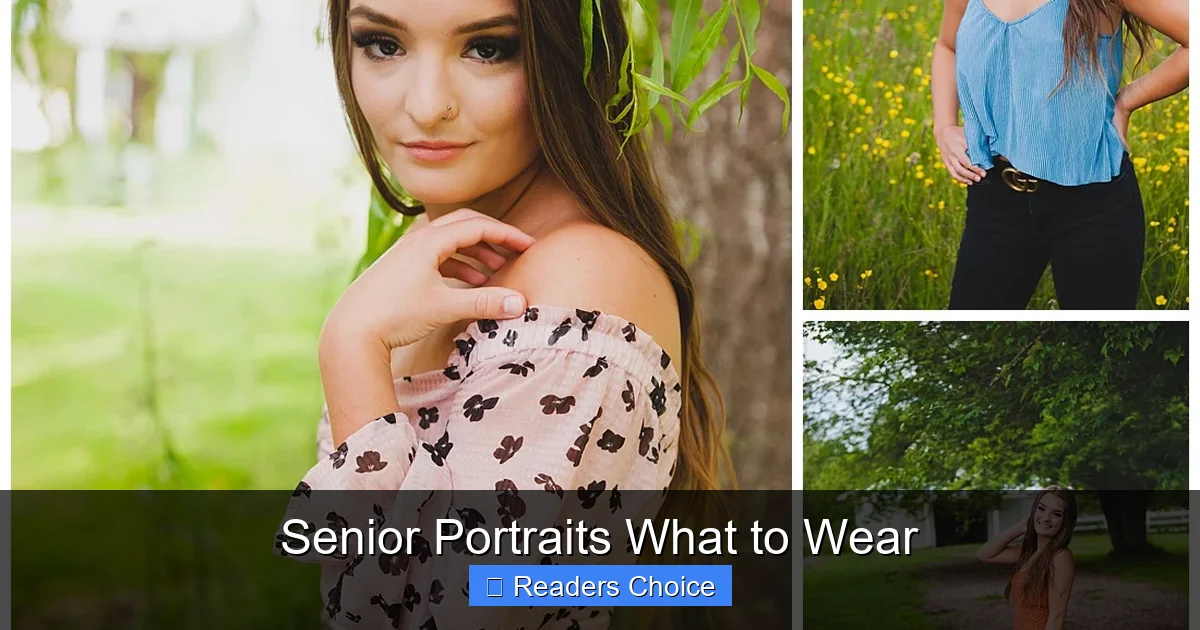
Visual guide about Senior Portraits What to Wear
Image source: amandahowseseniors.com
Once you’ve picked your colors, it’s time to think about fabric and fit. These details can make or break your look in photos.
Choose Flattering Fabrics
Natural fabrics like cotton, linen, wool, and silk tend to photograph better than synthetic materials. They drape well, resist wrinkles, and don’t create unwanted shine under studio lights. Avoid shiny or reflective fabrics like satin or polyester blends—they can create hot spots and distract from your face.
For outdoor shoots, breathable fabrics like cotton or linen are ideal. They keep you comfortable and look relaxed and natural. If you’re shooting in cooler weather, opt for soft knits or wool blends that add texture without bulk.
Prioritize Fit Over Fashion
A well-fitted outfit always looks better than something trendy but ill-fitting. Clothes should skim your body—not cling too tightly or hang loosely. Tailored pieces like blazers, structured shirts, or A-line dresses create clean lines and highlight your best features.
Avoid oversized sweaters or baggy jeans unless they’re part of a specific style you’re going for. In most cases, a slightly fitted look photographs better. If you’re unsure about fit, try on your outfit a few days before the shoot and take a photo in natural light. This will help you spot any issues.
Steer Clear of These Common Mistakes
– **Busy patterns:** Stripes, florals, or bold graphics can create visual noise and distract from your face. If you love patterns, choose small, subtle ones like micro-checks or tiny dots.
– **Logos and graphics:** Avoid shirts with large brand names, slogans, or cartoon characters. They date the photo and shift focus away from you.
– **White shirts without layers:** Pure white can blow out in photos, especially in bright sunlight. Opt for off-white, cream, or light gray instead.
– **Sheer or see-through fabrics:** These can be unflattering and inappropriate for formal portraits. Always check your outfit in good lighting.
Remember, the goal is to look like the best version of yourself—not a fashion model. Comfort and confidence come from wearing clothes that fit well and feel like *you*.
Outfit Ideas for Different Styles and Personalities
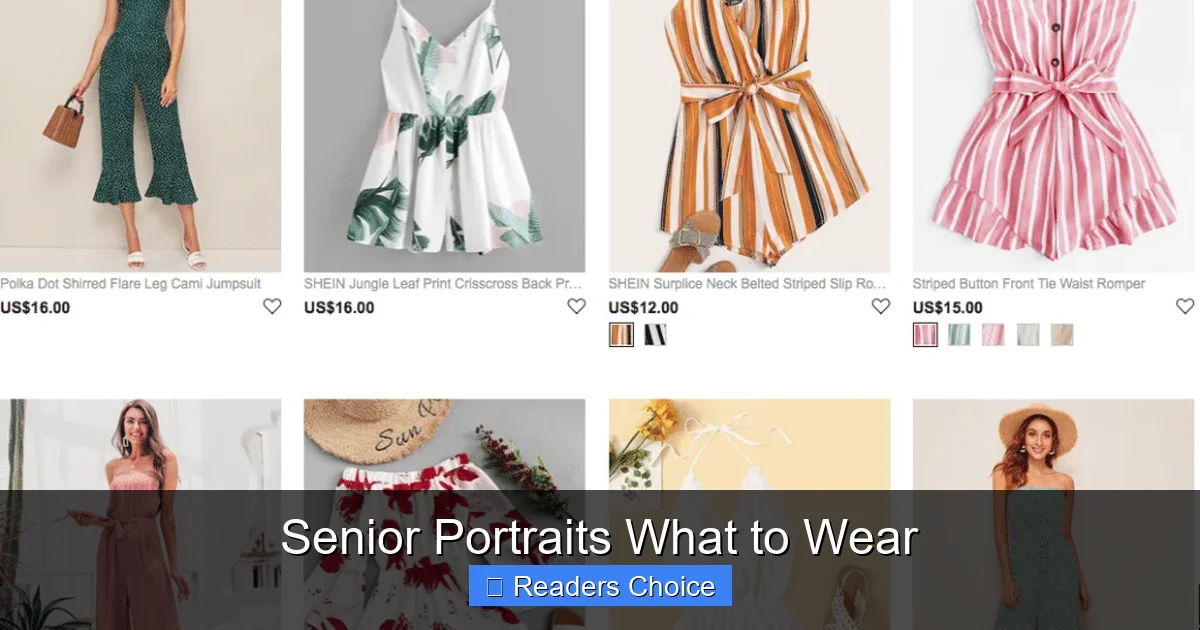
Visual guide about Senior Portraits What to Wear
Image source: tonyaboltonphotography.com
Your senior portraits should reflect your unique personality. Whether you’re classic, edgy, bohemian, or sporty, there’s an outfit style that will showcase who you are.
The Classic Look
If you love timeless style, go for clean lines and neutral tones. A crisp white button-down shirt with dark jeans and leather boots is a winning combo. Add a tailored blazer or a simple cardigan for layering. This look works well in almost any setting—from a library to a city street—and never goes out of style.
For women, a little black dress with a denim jacket or a trench coat offers versatility. Pair it with ankle boots or ballet flats for a polished yet approachable vibe.
The Boho Vibe
Love flowy fabrics and earthy tones? A boho style might be perfect. Think maxi dresses in soft cotton, layered necklaces, and wide-brimmed hats. Earthy colors like rust, sage green, and cream work beautifully in natural settings like fields or beaches.
Add texture with a crochet vest, fringe bag, or leather sandals. Keep makeup natural and hair loose for an effortless, free-spirited look.
The Edgy or Modern Style
If you’re into streetwear or alternative fashion, don’t shy away from it. A black leather jacket, ripped jeans, and combat boots can look striking in an urban or industrial backdrop. Pair with a simple band tee or a graphic hoodie for a cool, authentic vibe.
For a more refined edge, try a sleek jumpsuit, a structured coat, or bold accessories like chunky boots or a statement belt. Just keep the overall look balanced—too many bold elements can overwhelm the photo.
The Sporty or Casual Look
Athletes or outdoor enthusiasts might want to incorporate their passions into their portraits. A well-fitted team jersey, a letterman jacket, or hiking gear can add personality. Just make sure the outfit still looks intentional—avoid wrinkled or dirty clothes.
Pair athletic wear with clean sneakers and a baseball cap for a relaxed, approachable style. This works especially well in park or campus settings.
The Creative or Artistic Style
If you’re into art, music, or performance, let that shine through. Wear a paint-splattered denim jacket, a vintage band tee, or a handmade accessory. Choose colors and textures that reflect your creative side—think bold reds, deep purples, or metallic accents.
Props like a guitar, sketchbook, or instrument case can also enhance your photos and tell your story.
Layering and Accessorizing Like a Pro
Layering and accessories are secret weapons for creating dynamic, interesting portraits. They add depth, variety, and personality—without needing a full outfit change.
Smart Layering Tips
Layering gives you flexibility during the shoot. Start with a base layer—like a simple tee or blouse—and add a cardigan, blazer, or jacket on top. This lets you switch between looks quickly. For example, you can start with a blazer for a formal shot, then remove it for a more relaxed vibe.
Choose layers that complement each other in color and texture. A soft knit cardigan over a collared shirt adds warmth and dimension. A denim jacket over a dress creates a cool, casual contrast.
Avoid bulky layers that add unnecessary volume. Thin sweaters, lightweight scarves, and fitted jackets work best.
Accessorize with Purpose
Accessories should enhance, not overpower, your look. A simple watch, delicate necklace, or classic earrings can add polish without distraction. Avoid large, shiny jewelry that reflects light or draws attention away from your face.
Hats, scarves, and belts can also be great additions—just make sure they fit the overall style. A wide-brimmed hat works for boho or outdoor shoots, while a sleek belt can define your waist in a dress or jumpsuit.
Shoes Matter Too
Don’t forget about footwear! Shoes complete your look and should match the setting. Clean sneakers work for casual or urban shots, while boots or loafers suit more formal or rustic environments. Avoid flip-flops or overly worn shoes—they can look sloppy in photos.
If you’re shooting in multiple locations, bring a few shoe options. A pair of heels, flats, and sneakers can give you variety without extra hassle.
Planning and Preparing for Your Shoot
The key to a successful senior portrait session is preparation. The more thought you put into your outfits ahead of time, the more confident you’ll feel on shoot day.
Plan 3-5 Outfit Options
Bring a mix of styles to give your photographer flexibility. Include at least one formal look, one casual look, and one that reflects your personality. This ensures you have options for different backgrounds and lighting conditions.
Lay out your outfits a few days before the shoot. Check for wrinkles, stains, or missing buttons. Steam or iron clothes as needed.
Do a Trial Run
Try on your outfits and take photos in natural light. This helps you see how colors and fabrics look on camera. Pay attention to how the clothes fit and whether you feel comfortable moving in them.
If something feels off—like a shirt that gaps or pants that ride up—swap it out. Comfort is key to looking relaxed and natural in photos.
Pack a Styling Kit
Bring a small bag with essentials:
– Safety pins or fashion tape for quick fixes
– Stain remover pen
– Hair ties, bobby pins, and a small brush
– Makeup for touch-ups
– A lint roller
– Water and snacks
These little items can save the day if something goes wrong.
Communicate with Your Photographer
Share your outfit ideas with your photographer ahead of time. They can offer feedback and suggest combinations that will work best with the lighting and location. Some photographers even provide styling guides or Pinterest boards for inspiration.
On the day of the shoot, arrive early to allow time for hair, makeup, and outfit changes. Stay hydrated and relaxed—your confidence will shine through in every photo.
Final Thoughts: Be Yourself and Have Fun
At the end of the day, your senior portraits are about *you*. They’re a snapshot of who you are right now—your style, your energy, your journey. While it’s important to choose clothes that photograph well, it’s even more important to wear something that feels authentic.
Don’t stress over perfection. A little wrinkle or a slightly mismatched accessory won’t ruin your photos. What matters most is that you feel confident, comfortable, and proud of how you look.
So take a deep breath, trust your instincts, and enjoy the process. Laugh with your photographer, try a few silly poses, and let your personality shine. The best senior portraits aren’t just about what you wear—they’re about how you feel.
And when you look back at these photos years from now, you’ll be glad you took the time to choose outfits that truly represented you. Because these aren’t just pictures. They’re memories in the making.
Frequently Asked Questions
What should I avoid wearing in senior portraits?
Avoid busy patterns, large logos, neon colors, and overly shiny fabrics. These can distract from your face and date the photos. Stick to solid colors, subtle textures, and classic styles for a timeless look.
Can I wear glasses in my senior portraits?
Yes! If you wear glasses daily, include them in some shots. Choose frames that complement your face and outfit. For others, ask your photographer about using non-reflective lenses or taking a few shots without glasses.
How many outfits should I bring?
Bring 3-5 outfit options to give your photographer flexibility. Include a mix of formal, casual, and personal styles to match different backgrounds and moods.
Should I match my outfit to my best friend’s if we’re doing a joint session?
Coordinate, don’t match. Choose complementary colors or styles that look good together without being identical. This creates harmony while keeping your individuality.
What if I don’t have a lot of nice clothes?
You don’t need expensive outfits to look great. Focus on fit, color, and simplicity. Borrow from friends or family, or shop at affordable stores. A well-fitted, clean outfit in a flattering color will always photograph well.
Can I include props in my senior portraits?
Absolutely! Props like instruments, sports gear, or books can add personality. Just make sure they enhance the photo and don’t distract from your face. Discuss prop ideas with your photographer ahead of time.
