
Senior Pictures with a Horse


Digital Blood Pressure Monitor

Sock Aid for Seniors

Heated Blanket
Senior pictures with a horse offer a one-of-a-kind way to celebrate your high school journey. Whether you’re an equestrian or simply love horses, these photos blend elegance, strength, and personal passion into timeless images.
Key Takeaways
- Personalize Your Story: Horses add a unique, personal touch that reflects your interests and personality.
- Choose the Right Horse: Pick a calm, well-trained horse that matches your energy and comfort level.
- Location Matters: Natural settings like barns, pastures, or trails enhance the rustic charm of your photos.
- Coordinate Outfits: Match your clothing to the setting—think boots, denim, or flowing dresses—without overpowering the scene.
- Work with a Pro: A photographer experienced in animal photography ensures safety and stunning results.
- Plan for Timing: Early morning or golden hour light creates soft, flattering lighting for both you and your horse.
- Safety First: Always have a handler present and prioritize your and the horse’s comfort throughout the shoot.
📑 Table of Contents
Why Senior Pictures with a Horse Are a Game-Changer
Let’s be honest—senior year is a big deal. It’s the final chapter of high school, a time to reflect on memories, celebrate growth, and look ahead to the future. And what better way to mark this milestone than with photos that truly represent who you are? While classic cap-and-gown shots are timeless, more and more graduates are choosing creative themes that reflect their passions. Enter: senior pictures with a horse.
These aren’t just photos—they’re storytelling moments. A horse adds a layer of grace, strength, and connection to nature that’s hard to replicate. Whether you’ve spent years riding, volunteered at a stable, or simply admire these majestic animals, incorporating a horse into your senior portraits creates images that are both personal and powerful. They stand out in yearbooks, on social media, and in family albums for all the right reasons.
But it’s not just about aesthetics. Horses symbolize freedom, loyalty, and resilience—qualities that resonate deeply with the senior experience. As you prepare to leave high school behind, a photo with a horse can represent your journey: steady, courageous, and full of spirit. Plus, let’s face it—there’s something undeniably cool about standing beside a 1,000-pound animal that looks at you like you’re the most important person in the world.
Choosing the Right Horse for Your Shoot
Visual guide about Senior Pictures with a Horse
Image source: horseyhooves.com
Not all horses are created equal—especially when it comes to photo shoots. You want a horse that’s calm, well-trained, and comfortable around people and cameras. A nervous or skittish horse can make the experience stressful for everyone involved, and that stress will show in your photos.
Start by talking to your trainer, barn manager, or equestrian friend. Ask about horses that are known for their gentle temperament and experience with handling. A horse that’s used to being around people, standing still, and responding to cues will make the process much smoother. If you don’t own a horse, many stables offer rental or photo session services—just make sure to book in advance.
Consider the horse’s size and coloring, too. A tall horse can make you look elegant and statuesque, while a smaller pony might add a playful, whimsical vibe. In terms of color, chestnuts and bays photograph beautifully in natural light, while grays and palominos can add a dreamy, ethereal quality. Avoid horses with overly bold markings unless you’re going for a specific look—they can distract from your face in close-ups.
Should You Use Your Own Horse?
If you’re an equestrian, using your own horse is a no-brainer. The bond between rider and horse is palpable, and that connection will shine through in your photos. You already know how your horse behaves, what calms them, and how to communicate—this familiarity leads to more relaxed, natural shots.
But even if you don’t ride regularly, having a horse you’ve spent time with can still work. Maybe you’ve volunteered at a rescue, taken lessons, or helped care for a friend’s horse. The key is comfort. If you’re at ease around the animal, the camera will pick up on that confidence.
If you don’t have access to a horse you know, don’t stress. Many photographers partner with local stables or equestrian centers to provide horses for shoots. Just make sure to schedule a meet-and-greet beforehand. Spend 15–20 minutes walking, petting, and talking to the horse. This builds trust and helps the horse see you as a friend, not a stranger with a camera.
What If the Horse Gets Nervous?
Even the calmest horse can get spooked by sudden noises, bright lights, or unfamiliar surroundings. That’s why it’s crucial to have a handler present during the shoot. This person should be experienced with horses and able to guide them gently if they get anxious.
Signs of nervousness include pinned ears, swishing tail, shifting weight, or trying to move away. If you notice these behaviors, take a break. Let the horse relax, offer a treat (if allowed), and give them space. Never force a pose or rush the process. A few extra minutes of patience can save you from a ruined session.
Also, avoid using flash or loud equipment near the horse. Natural light is always best—it’s softer, more flattering, and less likely to startle the animal. If you’re shooting near a road or busy area, choose a quieter time of day to minimize distractions.
Picking the Perfect Location
Visual guide about Senior Pictures with a Horse
Image source: helpfulhorsehints.com
The setting of your senior pictures with a horse can make or break the final result. You want a backdrop that complements both you and the horse without overwhelming the scene. Think natural, rustic, and timeless.
Barns and Stables
A classic red barn with weathered wood and open doors creates a warm, inviting atmosphere. It’s a nod to tradition and rural life, perfect for someone who loves the countryside. Plus, barns offer built-in props—hay bales, wooden fences, and vintage tack—that add charm and texture.
Just make sure the barn is clean and safe. Remove any sharp objects, loose nails, or slippery surfaces. If the interior is dim, use reflectors or shoot near a large doorway to let in natural light.
Pastures and Open Fields
Wide-open spaces give a sense of freedom and adventure. A green pasture at sunrise or sunset is pure magic—the golden light wraps around you and the horse, creating a soft, glowing effect. This setting works especially well if you’re going for a dreamy, romantic vibe.
Look for fields with gentle slopes or interesting terrain. A hill in the background adds depth, while wildflowers or tall grass can add pops of color. Avoid areas with too many weeds or uneven ground—safety first!
Trails and Forests
For a more adventurous look, consider a wooded trail or forest clearing. Dappled sunlight filtering through trees creates a natural spotlight effect, perfect for moody, artistic shots. This setting is great if you love hiking, camping, or just being outdoors.
Just be mindful of the terrain. Horses can be cautious on narrow or rocky paths, so choose a trail that’s wide and well-maintained. And always check for ticks, poison ivy, or other hazards before heading in.
Beaches and Lakeshores
If you live near water, a lakeshore or beach can be stunning. The reflection of the sky on the water adds a serene, peaceful quality. Plus, horses often enjoy wading in shallow water—just make sure it’s safe and the horse is comfortable.
Avoid windy days, as blowing sand or water can irritate the horse’s eyes. And remember, saltwater can be harsh on a horse’s coat, so rinse them off afterward if possible.
Styling Your Outfit for the Shoot
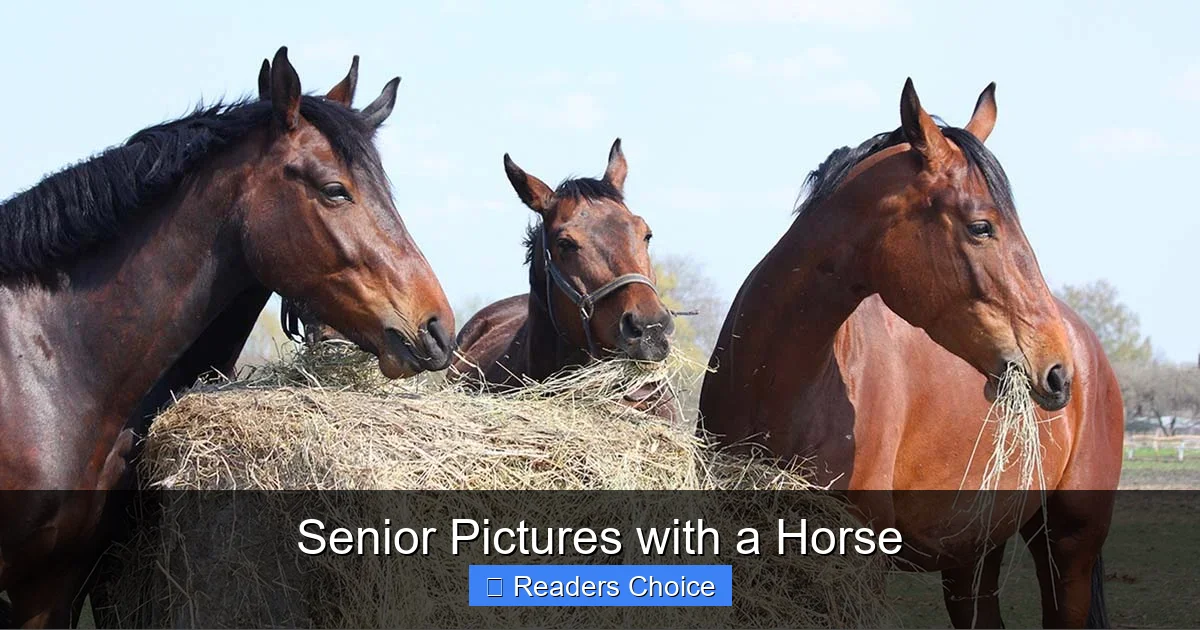
Visual guide about Senior Pictures with a Horse
Image source: horsesandpeople.com.au
Your outfit should reflect your personality while complementing the setting and the horse. The goal is to look like *you*—not a costume—but with a touch of elegance that matches the moment.
Classic Country Chic
Think denim, boots, and flannel. A well-fitted pair of jeans, a crisp white shirt, and cowboy boots are timeless and practical. Add a leather belt or a bandana for a pop of color. This look works beautifully in barn or pasture settings.
For girls, a flowy midi dress in earth tones (olive, rust, or cream) paired with riding boots strikes the perfect balance between feminine and rugged. Avoid anything too frilly or delicate—it might not hold up well in a field or barn.
Elegant and Timeless
If you’re going for a more formal vibe, a simple black or navy dress with heels can look stunning against a natural backdrop. The contrast between the sleek outfit and the rustic environment creates a striking visual.
Just make sure your shoes are practical. Stilettos and muddy fields don’t mix! Opt for block heels or wedges, or bring a change of shoes for walking.
Casual and Comfortable
Not every senior wants to dress up—and that’s okay. A cozy sweater, leggings, and boots can be just as beautiful, especially in a forest or lakeside setting. The key is to choose fabrics that drape well and colors that don’t clash with the horse or background.
Avoid busy patterns, neon colors, or logos. Solid tones or subtle plaids work best. And remember: comfort is confidence. If you’re fidgeting in your clothes, it will show in the photos.
Accessories That Add Personality
A few well-chosen accessories can elevate your look without stealing the spotlight. A wide-brimmed hat, a delicate necklace, or a scarf can add interest. If you ride, consider wearing your helmet or bringing your saddle as a prop.
Just keep it minimal. The horse is already a focal point—your outfit should enhance, not compete.
Working with Your Photographer
Not all photographers are comfortable shooting with animals. That’s why it’s essential to find someone with experience in equine or outdoor photography. They’ll know how to work around the horse’s movements, use natural light effectively, and keep everyone safe.
Ask the Right Questions
Before booking, ask if they’ve done senior pictures with a horse before. Request to see examples of their work. Do the photos feel natural? Is the horse relaxed? Are the lighting and composition strong?
Also, ask about their approach. Do they prefer posed shots or candid moments? How do they handle unexpected behavior from the horse? A good photographer will have a plan—and a backup plan.
Communicate Your Vision
Share your ideas, inspiration photos, and any specific shots you want. Maybe you dream of a silhouette at sunset, a close-up of your hand on the horse’s mane, or a playful moment where the horse nudges your shoulder. The more detail you provide, the better they can bring your vision to life.
But also be open to their suggestions. They might spot a perfect lighting angle or a unique composition you hadn’t considered.
Timing Is Everything
Golden hour—the first hour after sunrise and the last hour before sunset—is ideal for outdoor shoots. The light is soft, warm, and flattering, reducing harsh shadows and creating a dreamy glow. It’s also cooler, which keeps both you and the horse comfortable.
Avoid midday sun, which can create unflattering shadows and make the horse sweat or irritable. If you must shoot during the day, look for shaded areas under trees or near buildings.
Safety and Comfort: The Heart of the Shoot
No photo is worth risking your safety or the horse’s well-being. Always prioritize comfort, communication, and caution.
Have a Handler Present
A trained handler should be with the horse at all times. They can guide the horse, keep it calm, and step in if anything goes wrong. Never assume the photographer can manage both you and the horse—it’s too much.
If the horse is yours, you can act as the handler—but only if you’re confident and experienced. Otherwise, bring a friend or hire a professional.
Watch for Stress Signals
Horses communicate through body language. Ears pinned back, tail swishing, or frequent head tossing can mean discomfort. If the horse seems agitated, stop the shoot and give them a break.
Also, avoid sudden movements or loud noises. Speak in calm, soothing tones. Let the horse sniff the camera or tripod if they’re curious—it helps them feel more at ease.
Hydration and Breaks
Horses can overheat, especially in warm weather. Make sure there’s water available and take frequent breaks. A tired or dehydrated horse is more likely to misbehave.
Bring snacks for both you and the horse—carrots or apples are great treats (if allowed). A happy horse is a cooperative horse.
Making the Most of Your Session
A senior picture session with a horse is more than just a photo shoot—it’s an experience. Embrace the moment, have fun, and let your personality shine.
Start with Simple Poses
Begin with easy, low-pressure shots. Stand beside the horse, hold the reins, or gently stroke the mane. These moments help you and the horse relax and build trust.
As the session progresses, try more dynamic poses—walking together, turning toward the camera, or looking off into the distance. Candid shots often turn out the best.
Capture the Connection
The most powerful photos are the ones that show your relationship with the horse. A quiet moment of eye contact, a shared laugh, or a gentle nuzzle can speak volumes.
Don’t be afraid to get close. Lean your head against the horse’s neck, rest your hand on its shoulder, or sit on a nearby fence with the horse beside you. These intimate shots are often the most memorable.
Include Props and Personal Touches
Add elements that reflect your journey. A graduation cap perched on a fence, a bouquet of wildflowers, or a saddle with your initials can add meaning and depth.
If you’re part of a riding team or 4-H club, consider wearing your jacket or bringing a banner. These details make the photos uniquely yours.
Final Thoughts: A Lasting Memory
Senior pictures with a horse are more than just photos—they’re a celebration of who you are and what you love. They capture a moment in time when you’re on the brink of adulthood, full of dreams and possibilities. And with a horse by your side, that moment feels even more magical.
Whether you’re an experienced rider or just a horse enthusiast, this theme offers a unique way to express your individuality. It’s personal, powerful, and undeniably beautiful. So go ahead—step into the pasture, feel the sun on your face, and let the camera capture your story.
These images will last a lifetime. They’ll remind you of your strength, your passion, and the quiet beauty of connection—between you, the horse, and the world around you.
Frequently Asked Questions
Can I do senior pictures with a horse if I’ve never ridden before?
Absolutely! You don’t need to be an equestrian to have a beautiful photo session. Many seniors choose horses simply because they love the animals. Just make sure to work with a calm, well-trained horse and have a handler present for safety.
How much does it cost to do senior pictures with a horse?
Costs vary depending on the photographer, location, and whether you provide the horse. Expect to pay between $200 and $600 for a full session. Some photographers include horse rental in their package, while others charge extra.
What should I do if the horse doesn’t cooperate during the shoot?
Stay calm and patient. Take a break, offer a treat, and let the handler guide the horse. Sometimes a few minutes of rest is all it takes. Never force a pose—safety and comfort come first.
Can I bring my dog or other pets to the shoot?
It’s best to keep the focus on you and the horse. Other animals can distract or stress the horse. If you want to include a pet, consider a separate mini-session or save it for a different theme.
What time of day is best for senior pictures with a horse?
Golden hour—just after sunrise or before sunset—is ideal. The light is soft and flattering, and the temperature is cooler for both you and the horse.
Do I need permission to shoot at a stable or farm?
Yes, always get permission from the property owner before scheduling a shoot. Some stables charge a location fee or require a liability waiver. It’s also polite to clean up after yourself and respect the space.
