
Senior Nutrition Checklist for Caregivers Made Simple


Adjustable Walker with Wheels

Toilet Safety Rails
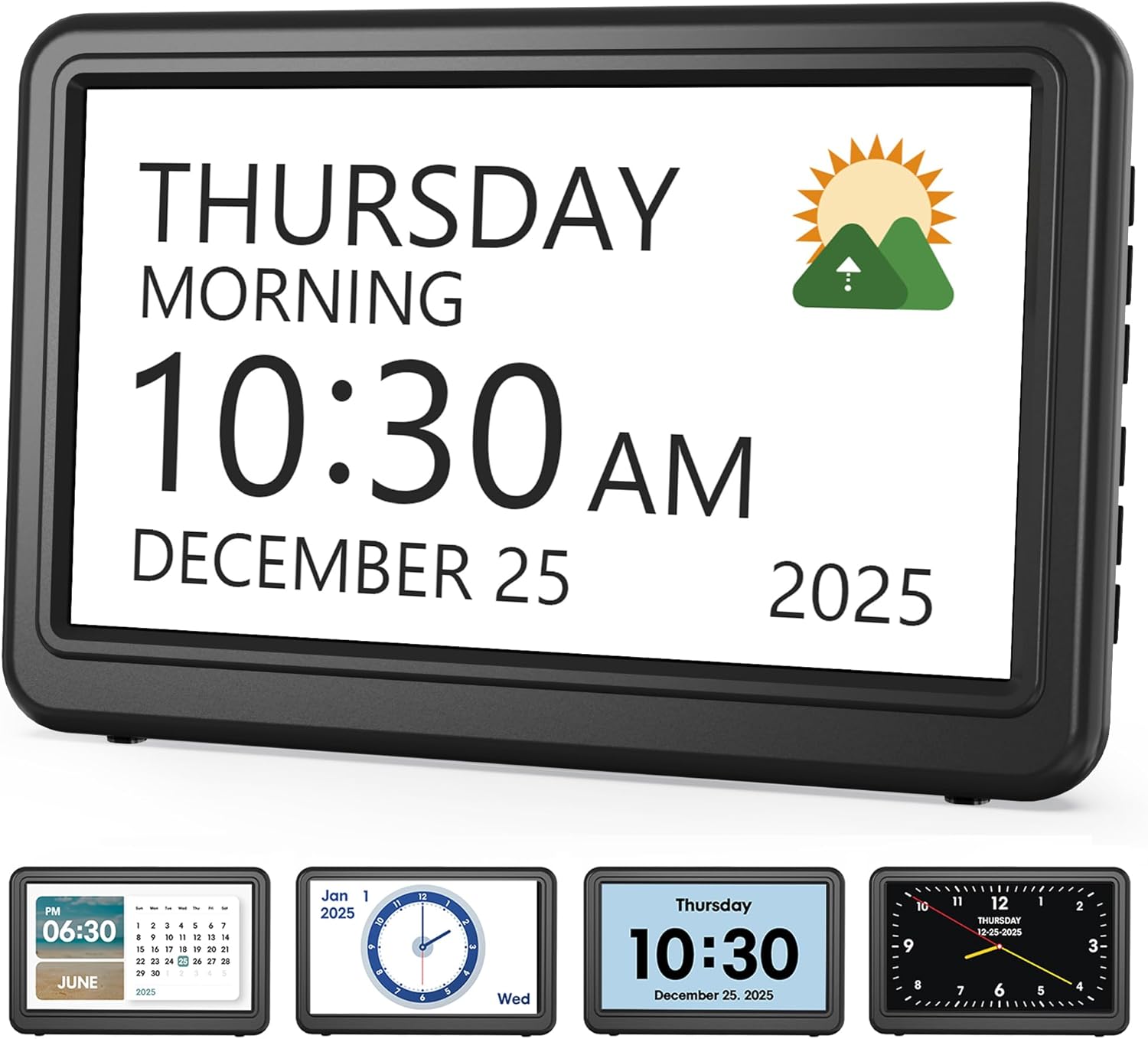
Medication Reminder Alarm
A senior nutrition checklist for caregivers should focus on regular meals, hydration, protein, and safe food textures. Watch for weight loss, low appetite, choking, or confusion and talk to the doctor early if these appear.
Helping an older adult eat well does not have to feel overwhelming. A good senior nutrition checklist for caregivers can make daily meals simpler, safer, and more consistent while supporting energy, strength, and independence.
As needs change with age, the best approach is usually practical rather than perfect. Focus on regular meals, enough fluids, easy-to-eat nutrient-rich foods, and close attention to appetite, weight, and any health conditions that affect eating.
- Focus basics: Meals, fluids, protein, and safe textures matter most.
- Track changes: Weight loss, weakness, and low intake need attention.
- Match conditions: Diabetes, heart, kidney, and swallowing needs may change the plan.
- Keep it simple: Small snacks and batch-prep can reduce stress and save time.
- Get help early: Call a doctor or pharmacist when eating becomes harder.
Senior Nutrition Checklist for Caregivers: What Matters Most in 2026
The most useful nutrition checklist is one that fits real life. For most older adults, the key goals are steady intake, enough protein, good hydration, and meals that match chewing ability, medications, and chronic conditions.
Caregivers do not need to track every bite. Instead, look for patterns: Is the person eating less than usual? Are meals becoming less varied? Is there more fatigue, constipation, or confusion? Those small changes can matter.
- Three meals a day, or smaller meals if appetite is low
- Protein at most meals
- Water or other fluids throughout the day
- Fruit, vegetables, and fiber-rich foods
- Safe textures for chewing or swallowing
- Medication-food timing concerns
If you also need a simple routine for daily care tasks, a senior caregiver daily checklist template can help organize meals, hydration, and other important reminders in one place.
Nutrition needs can change with age, illness, medications, dental problems, and activity level. If you are unsure what is appropriate, talk to your doctor or consult a registered dietitian or pharmacist.
How to Use a Senior Nutrition Checklist for Caregivers Day to Day
The easiest checklist is one that fits into the day without creating extra stress. Use it as a short routine, not a long report.
Try checking meals at the same times each day. That makes it easier to notice changes early and respond before poor intake becomes a bigger problem.
Meal timing, hydration, and appetite cues
Many older adults do better with smaller meals and snacks spread through the day. Appetite may be lower in the morning, or meals may be skipped when energy is low.
Watch for cues such as leaving food untouched, saying “I’m not hungry,” drinking very little, or taking a long time to finish a meal. These can signal that the person needs a smaller portion, a different texture, or a medical review.
Thirst often becomes less noticeable with age, so an older adult may be mildly dehydrated before they feel thirsty.
Simple tracking for weight, mood, and energy changes
A basic notebook or phone note is often enough. Write down meal intake, fluid intake, weight changes if you monitor them, and any noticeable shifts in mood, sleep, or energy.
These notes can be very helpful if you need to talk to a doctor later. They also make it easier to spot whether a problem is one bad day or a pattern that keeps happening.
Use breakfast, lunch, or dinner as your regular time to notice eating patterns.
Note meals eaten, fluids taken, and any trouble chewing, swallowing, or finishing food.
Look for low intake, weight loss, weakness, or changes in alertness over several days.
Core Nutrients Older Adults Often Miss and How to Cover Them
Older adults may eat less overall, which makes every bite count. The most common gaps are protein, fiber, calcium, vitamin D, vitamin B12, and fluids.
These nutrients support muscle, bones, digestion, energy, and brain function. A balanced plate is usually more helpful than relying on supplements alone, though some people do need supplements after talking with a doctor.
Protein, fiber, calcium, vitamin D, vitamin B12, and fluids
Protein helps maintain muscle and support healing. Fiber supports digestion and regular bowel movements. Calcium and vitamin D help protect bones. Vitamin B12 supports nerve and blood health. Fluids help with circulation, digestion, and alertness.
Some older adults absorb vitamin B12 less well from food, especially if they have stomach issues or take certain medicines. That is one reason it is smart to ask a healthcare provider whether food alone is enough.
Best food examples for each nutrient
Good food choices do not need to be fancy. Often the best options are the ones the person will actually eat regularly.
- Protein: Eggs, yogurt, milk, cottage cheese, fish, chicken, beans, tofu, nut butter
- Fiber: Oatmeal, berries, pears, beans, lentils, whole-grain bread, vegetables
- Calcium: Milk, yogurt, cheese, calcium-fortified plant milks, canned salmon with bones, tofu made with calcium
- Vitamin D: Fortified milk, fortified cereals, eggs, fatty fish, supplements if prescribed
- Vitamin B12: Meat, fish, dairy, eggs, fortified foods
- Fluids: Water, milk, soup, broth, herbal tea, fruit with high water content
Special Diet Needs: Matching the Checklist to Health Conditions
Many seniors need meals that fit a health condition such as diabetes, heart disease, kidney disease, or swallowing difficulty. The right plan depends on the person, so always confirm details with the doctor or dietitian.
It is also important not to make major diet changes on your own if the person has weight loss, frailty, or several conditions at once. What helps one condition may make another problem worse.
Diabetes-friendly, heart-healthy, low-sodium, and renal-aware choices
For diabetes-friendly meals, aim for consistent meal timing and balanced portions that include protein, fiber, and carbohydrates. That can help reduce big blood sugar swings, but exact choices vary by medication and care plan.
For heart-healthy meals, focus on vegetables, fruits, whole grains, lean proteins, and less saturated fat. For low-sodium meals, use herbs, lemon, garlic, and salt-free seasonings instead of heavily processed foods.
Renal-aware meals for kidney disease can be more complex because some foods and nutrients may need to be limited. Do not guess here; consult the healthcare team, since kidney needs differ by stage and lab results.
Do not start a restrictive diet for kidney disease, diabetes, or heart failure without medical guidance. Cutting too much food or fluid can lead to weakness, dehydration, or poor nutrition.
Texture changes for chewing, swallowing, or dental problems
If chewing is hard, softer foods may help. If swallowing is difficult, the person may need a special texture plan from a speech-language pathologist or doctor.
Examples include chopped meat, mashed vegetables, scrambled eggs, yogurt, oatmeal, soups, smoothies, and soft fruit. Avoid dry, crumbly, sticky, or mixed-texture foods if they cause coughing or choking.
Frequent coughing during meals, wet-sounding voice after swallowing, or food “sticking” in the throat should be checked promptly. These can be signs of a swallowing problem that needs professional care.
Practical Meal Planning Tips That Save Time, Stress, and Money
Good nutrition does not have to be expensive or complicated. A few routines can make shopping and cooking much easier for caregivers.
Think in terms of repeatable meals. A short list of trusted breakfasts, lunches, and dinners is often more realistic than trying to plan something new every day.
Budget-friendly grocery swaps and batch-prep ideas
Simple swaps can stretch the food budget without lowering nutrition. For example, choose store-brand yogurt, frozen vegetables, canned beans, oats, eggs, peanut butter, canned tuna, or brown rice when they fit the person’s diet.
Batch-prep can save time later in the week. Cook a pot of soup, roast a tray of vegetables, portion out snacks, or prepare several servings of soft protein foods at once.
- Less daily cooking stress
- More consistent meal quality
- Better chance of meeting protein and fluid needs
- Fewer last-minute fast-food choices
Comparing meal kits, senior meal delivery, and home-cooked meals
Each option has strengths. Home-cooked meals give the most control, meal kits can reduce prep work, and senior meal delivery may help when shopping or cooking is difficult.
Cost and coverage vary widely. Some meal services are paid out of pocket, while certain community programs or insurance-related benefits may help in specific situations. If money is tight, ask about local senior meal programs, Medicare-related coverage rules, or community resources in your area.
| Option | Best For | Note |
|---|---|---|
| Home-cooked meals | Full control over ingredients | Usually cheapest if someone can cook |
| Meal kits | Caregivers who want less planning | May still require chopping and cooking |
| Senior meal delivery | Low energy or limited mobility | Availability and cost vary by location |
Common Senior Nutrition Mistakes Caregivers Should Avoid
Even caring caregivers can miss a few common problems. The good news is that many of them are easy to correct once you know what to look for.
Small changes often make the biggest difference, especially when appetite is low or the person has a long list of medications.
Skipping snacks, relying on soft processed foods, and ignoring dehydration
Skipping snacks can leave older adults short on calories and protein. On the other hand, relying only on soft processed foods may fill the stomach without providing enough nutrients.
Dehydration is another common issue. Tea, soup, milk, fruit, popsicles, and water-rich foods can help, but some people need reminders throughout the day. If fluid restriction has been prescribed, follow that plan and ask questions if it is unclear.
- Regular snacks can support energy and weight
- Whole foods usually provide more nutrients
- Hydration can improve comfort and alertness
- Processed foods may be high in salt or sugar
- Long gaps between meals can worsen weakness
- Too little fluid may cause constipation or confusion
Overlooking medication-food interactions and reduced appetite
Some medicines affect appetite, taste, stomach comfort, or how certain nutrients are absorbed. Others should be taken with food, away from food, or with specific drinks.
Because these rules vary, it is wise to ask your pharmacist or healthcare provider to review the medication list. That review can prevent problems and may also uncover reasons why the person is eating less.
If a new medicine coincides with poor appetite, nausea, diarrhea, constipation, or confusion, bring that up at the next appointment. Medication side effects are a common but often fixable cause.
When to Get Help: Warning Signs That Need a Doctor, Dietitian, or Care Team
Some nutrition problems can wait a few days. Others need prompt attention, especially in older adults who are already at risk for weakness or dehydration.
When in doubt, it is better to ask. A quick call can prevent a small issue from becoming a hospital visit.
Unexpected weight loss, frequent choking, weakness, confusion, or poor intake
Call the doctor if you notice unexpected weight loss, very low food intake, repeated choking, new weakness, worsening confusion, or signs of dehydration such as dry mouth, dizziness, or very dark urine.
You should also get help if the person is sleeping through meals, refusing food for more than a day or two, or cannot safely chew and swallow. A dietitian, speech therapist, dentist, or home health team may be appropriate depending on the cause.
Seek medical advice sooner if poor intake is paired with fever, vomiting, chest pain, shortness of breath, fainting, or sudden confusion. Those symptoms need prompt evaluation.
Who to contact and what information to bring to the appointment
Start with the primary care doctor unless the issue is clearly urgent. Depending on the concern, the doctor may refer you to a dietitian, dentist, speech-language pathologist, pharmacist, or specialist.
Bring a short list of current medicines, recent weight changes, a sample food log, and notes about symptoms such as choking, nausea, constipation, or fatigue. If you have questions about cost, ask whether Medicare or supplemental insurance may help cover part of the visit or any recommended services.
- Track meals, fluids, appetite, and weight changes.
- Focus on protein, hydration, and easy-to-eat nutrient-rich foods.
- Match the plan to medical conditions and swallowing needs.
- Ask for help early if intake drops or warning signs appear.
Final Recap: A Simple Caregiver Nutrition Checklist That Supports Health and Independence
A senior nutrition checklist for caregivers works best when it is short, realistic, and easy to repeat. The goal is not perfect eating; it is steady nourishment that supports strength, comfort, and independence.
Check for regular meals, enough fluids, protein at most meals, and any signs that eating has become harder. If something changes, talk to your doctor or healthcare provider early so you can adjust the plan before the problem grows.
For many families, that simple routine is enough to make mealtimes safer and less stressful. And when more support is needed, the right professional guidance can make all the difference.
Frequently Asked Questions
A useful checklist includes regular meals, enough fluids, protein, fiber, and safe food textures. It should also track appetite, weight changes, and any symptoms that make eating harder.
Common signs include skipped meals, smaller portions, weight loss, weakness, or low energy. If poor intake lasts more than a day or two, talk to the doctor.
Small, frequent meals often work better than large ones. Protein-rich foods like eggs, yogurt, soup with beans, and soft casseroles can help when appetite is low.
Offer drinks regularly through the day and include water-rich foods like soup, fruit, and milk if they fit the diet. If fluid limits are prescribed, follow the healthcare provider’s instructions.
Call the doctor for unexpected weight loss, frequent choking, confusion, weakness, or very poor intake. These can be signs of a problem that needs professional evaluation.
Coverage varies by plan, service, and medical need. Ask the doctor, dietitian, or insurance provider what may be covered before scheduling nutrition-related services.