
Senior Independent Living Pinellas County

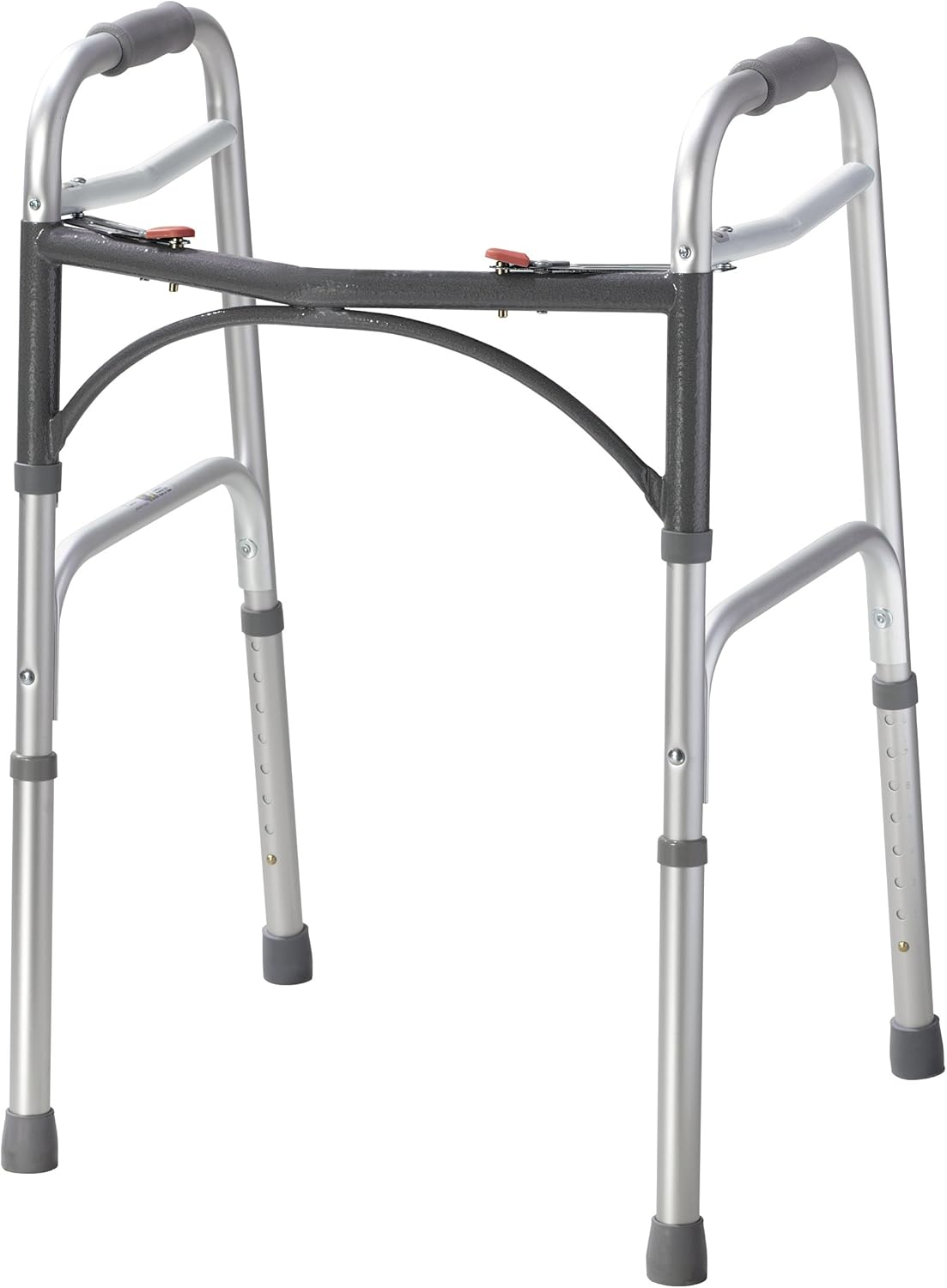
Drive Medical Folding Walker

AUVON Plug-in LED Night Light 4 Pack, Motion & Dusk to Dawn Sensor

REHAND Walking Cane - Foldable, Adjustable, Collapsible
Senior independent living in Pinellas County offers vibrant, maintenance-free lifestyles for older adults who want comfort without the responsibilities of homeownership. With no medical care required, these communities provide social engagement, fitness programs, and convenient access to Tampa Bay’s cultural attractions. Residents enjoy private apartments, shared dining, and on-site activities—all within a supportive environment that promotes wellness and connection. Whether you’re downsizing or simply seeking more freedom, Pinellas County’s senior living options blend convenience with community spirit.
Key Takeaways
- Independent living means no daily chores: Housekeeping, meals, and maintenance are handled by staff, so residents focus on enjoying life.
- Social opportunities abound: From book clubs to fitness classes, Pinellas County communities foster friendships and lifelong learning.
- Location matters: Many communities are near beaches, medical centers, shopping, and cultural venues like the Mahaffey Theater.
- Cost varies widely: Entry fees range from $100K–$400K+, with monthly rent starting around $2,000–$3,500 depending on size and services.
- Assistance is available if needed: While not required, many communities offer optional assisted living add-ons for future flexibility.
- Pet-friendly policies: Most independent living communities welcome cats and small dogs, enhancing emotional well-being.
- Respite stays possible: Short-term rentals allow families to try before committing or give caregivers a break.
What Is Senior Independent Living?
Imagine waking up in your own spacious apartment without having to mow the lawn, fix a leaky faucet, or worry about grocery shopping. That’s the essence of senior independent living—a lifestyle option tailored specifically for adults 65 and older who are generally healthy and capable of managing daily tasks but choose to live in a supportive, amenity-rich environment.
In Pinellas County, Florida, this concept has become increasingly popular among retirees and empty-nesters looking to downsize while staying socially active. Unlike assisted living or memory care facilities, independent living communities don’t provide hands-on healthcare or personal care services. Instead, they offer maintenance-free living where utilities, housekeeping, meal preparation, and transportation are included as part of the monthly fee. This allows residents to focus on hobbies, travel, volunteering, or simply relaxing by the pool.
The beauty of senior independent living lies in its balance: you maintain your autonomy and privacy while gaining peace of mind knowing help is nearby if ever needed. It’s ideal for those who value convenience, safety, and community but still want the freedom to come and go as they please.
How Does It Differ From Assisted Living?
A common question is: “When should I consider moving from independent living to assisted living?” The answer usually comes when an individual needs help with activities of daily living (ADLs) such as bathing, dressing, medication management, or mobility assistance. Independent living doesn’t include these supports—but many communities make it easy to transition later.
For example, some Pinellas County communities have partnerships with local providers or offer “assisted living suites” within their campuses. Others allow residents to bring in outside caregivers or use visiting nurse services. This flexibility makes independent living a smart long-term choice, even if health needs evolve over time.
Who Benefits Most From Independent Living?
Independent living appeals to a wide range of seniors, including:
- Empty nesters who no longer need large homes
- Couples wanting to simplify life without sacrificing luxury
- Active retirees interested in golf, arts, or volunteer work
- Those relocating from colder climates seeking year-round warmth
- Adult children helping aging parents find safer, more accessible housing
If you’re over 65, live alone, or simply crave a low-maintenance lifestyle without sacrificing comfort, independent living in Pinellas County could be perfect for you.
Top Benefits of Choosing Independent Living in Pinellas County
Pinellas County stands out as one of Florida’s premier destinations for senior living due to its mild climate, coastal charm, and abundance of high-quality retirement communities. Here’s why so many seniors choose independent living here:
1. Maintenance-Free Living
One of the biggest draws is the elimination of household responsibilities. No more worrying about snow removal (yes, even in Florida!), gutter cleaning, appliance repairs, or landscaping. Staff handle everything from trash pickup to minor maintenance issues. This frees up valuable time for what really matters—spending quality moments with family, pursuing passions, or exploring new interests.
2. Rich Social Calendar
Boredom is rare in independent living communities. Daily activities include everything from yoga and tai chi to bridge tournaments, movie nights, and themed dinners. Weekly outings might take residents to Clearwater Beach, the Dalí Museum in St. Petersburg, or local farmers markets. Clubs form around shared interests—knitting circles, birdwatching groups, photography walks—creating instant friendships and reducing isolation.
3. Health and Wellness Focus
Many Pinellas County communities feature fitness centers, walking trails, swimming pools, and nutrition counseling. On-site nurses often host health seminars on topics like diabetes management or fall prevention. Some even partner with nearby hospitals for routine check-ups or emergency response systems. This proactive approach helps residents stay healthy and confident.
4. Convenient Location
With easy access to Interstate 275, residents can reach downtown Tampa in under 30 minutes, St. Pete-Clearwater International Airport in 15 minutes, and world-class medical facilities like Bayfront Health St. Petersburg or Morton Plant Hospital. Plus, beaches, parks, and cultural venues are just miles away.
5. Pet-Friendly Policies
Emotional support animals matter. Most independent living communities in Pinellas County welcome cats and small dogs, recognizing how companionship improves mental health and reduces stress. Even larger pets may be accommodated in certain units or outdoor spaces.
6. Financial Flexibility
While costs vary, most communities offer transparent pricing models. Many require an entrance fee (which may be partially refundable upon move-out) plus monthly rent covering food, utilities, housekeeping, and activities. Financing options—including reverse mortgages or life insurance conversions—can make ownership more manageable.
Popular Independent Living Communities in Pinellas County
Pinellas County boasts dozens of award-winning independent living communities, each offering unique features and philosophies. Below are some standout options worth exploring:
Osprey Manor Independent Senior Living
Located in Clearwater, Osprey Manor combines resort-style amenities with personalized service. Residents enjoy chef-prepared meals, a library, arts studio, and scheduled excursions. The community also offers optional concierge services for grocery delivery or prescription pickups. With a 98% resident retention rate, it’s clear they get it right.
👉 Learn more about Osprey Manor Independent Senior Living
Volante Senior Living of Pinellas Park
This modern community in Pinellas Park emphasizes wellness and connection. Features include a state-of-the-art fitness center, heated pool, and mindfulness garden. Weekly happy hours and intergenerational programs with local schools round out the calendar. Monthly rents start at $2,200, with all utilities included.
👉 Explore Volante Senior Living of Pinellas Park
Tyler Street Tower Independent Senior Living
Situated in St. Petersburg’s historic Midtown district, Tyler Street Tower blends old-world elegance with contemporary comfort. Studio to two-bedroom units feature kitchenettes, walk-in closets, and balconies. Nearby, residents enjoy proximity to the Edge District restaurants, art galleries, and the Green Bench Park.
👉 Discover Tyler Street Tower Independent Senior Living
Peachstone Independent Senior Living Apartments
For those seeking apartment-style living with added perks, Peachstone in Largo offers private balconies, full kitchens, and weekly housekeeping. Their “Wellness Wednesdays” program includes blood pressure checks and flu shots. Pet deposits are minimal, and short-term leases are available.
👉 Visit Peachstone Independent Senior Living Apartments
Eastside Active Living Community
Though technically in Hillsborough County just across the county line, Eastside Active Living is frequently recommended for Pinellas residents due to its proximity to Safety Harbor. This vibrant campus features pickleball courts, a putting green, and a café open to the public. They also offer memory care wings for future needs.
👉 See Eastside Active Living Community Details
Tips for Touring Communities
When visiting potential communities, ask about:
- Staff-to-resident ratios during meals vs. overnight
- Emergency call system coverage in bathrooms and bedrooms
- Options for dietary restrictions (vegan, diabetic-friendly, etc.)
- Guest policy flexibility (how many visitors allowed nightly?)
- Transportation availability for doctor appointments
Also, observe how staff interact with residents—are they respectful, attentive, and genuinely kind? Trust your instincts.
Costs and Financial Considerations
Understanding pricing structures is crucial before making a decision. While “all-inclusive” sounds great, the devil—and the details—are in the fine print.
Entrance Fees vs. Rental Models
Most Pinellas County independent living communities operate on a candlelight model: a one-time entrance fee plus monthly rent. Entrance fees typically range from $100,000 to over $400,000 depending on unit size, location, and amenities. These fees are often refundable (e.g., 90% after 10 years), but terms vary widely.
Some newer developments use a pure rental model with no upfront payment, though monthly rates tend to be higher to offset lost entrance revenue. Always clarify refund policies, transferability, and whether fees cover respite stays or spouse occupancy if you pass away first.
Monthly Costs Breakdown
Average monthly expenses for independent living in Pinellas County include:
- Base rent: $2,000–$3,500 (studio to one-bedroom)
- Utilities: Included (electricity, water, gas, cable)
- Meals: Three meals/day or meal plan credits ($30–$50 per day extra if ordering à la carte)
- Housekeeping: Weekly deep clean + daily linen service
- Activities: Fully covered
- Transportation: Scheduled shuttles to errands/doctors
Additional costs may include:
• Parking fees ($50–$150/month)
• Guest suite rentals ($100+/night)
• Laundry service ($50–$100/month)
• Personal care items (shampoos, razors, etc.)
Financing Your Move
Several strategies can ease the financial burden:
- Reverse mortgage: Convert home equity into cash to pay entrance fees
- Life insurance conversion: Use a life settlement to unlock value
- Long-term care insurance: May cover future assisted living costs
- Selling your current home: Many communities offer temporary housing until sale closes
- Family contributions: Pool resources with siblings or children
Consult a financial advisor familiar with senior housing—they can help compare options and avoid hidden traps.
Making the Transition: What to Expect
Moving into independent living is a big step, but with proper planning, it can be smooth and even exciting. Here’s how to prepare:
Packing Smart
Declutter early! Keep only what brings joy or serves a purpose. Donate, sell, or discard unused items months in advance. Label boxes clearly and keep essentials (medications, glasses, charger) unpacked in your new room.
Setting Up Utilities
Transfer phone, internet, and mail forwarding to your new address. Ask the community if they provide Wi-Fi setup or tech support—many do free of charge.
Introducing Yourself
Your neighbors will be curious! Bring photos of grandkids, favorite books, or travel souvenirs to share at coffee hour. Join a club or volunteer for a committee to build connections quickly.
Navigating Rules and Policies
Review the community handbook carefully. Understand quiet hours, pet regulations, guest policies, and how disputes are resolved. If something feels off, speak up—most managers welcome feedback.
Staying Connected With Family
Schedule regular video calls, invite family for Sunday brunch, or host holiday gatherings at the community lounge. Many places allow overnight guests, so you won’t feel isolated.
Resources for Seniors in Pinellas County
Beyond housing, Pinellas offers robust support networks:
Pinellas County Aging & Veterans Services
This department provides information on benefits, caregiver support, legal aid referrals, and transportation vouchers. Call (727) 464-6188 or visit pinellascounty.org/aging.
Area Agency on Aging of West Central Florida
Offers free counseling, case management, and advocacy services. Their helpline (1-800-963-5337) is staffed Monday–Friday.
Senior Centers
Locations like the St. Petersburg Senior Center (1440 1st Ave S) and Clearwater Senior Activity Center (250 S Bastanchury Rd) host fitness classes, computer labs, and social events open to all ages.
Transportation Options
Pinellas Public Transit (PSTA) offers discounted senior fares. Many independent living communities also run their own shuttles to malls, libraries, and medical offices.
Final Thoughts: Is Independent Living Right for You?
Choosing senior independent living in Pinellas County isn’t just about where you’ll live—it’s about designing a life filled with purpose, connection, and ease. Whether you dream of morning swims, afternoon lectures, or evening strolls along the pier, these communities remove barriers so you can focus on joy.
Remember, there’s no rush. Tour multiple communities, talk to current residents, and trust your gut. And when you’re ready, know that Pinellas County welcomes you with open arms—sunshine included.
Ready to Explore Your Options?
Start by scheduling tours at communities like Brightview North Andover (for comparison insights) or Bloomingdale Horizon. Even virtual visits can give you a sense of the culture and vibe.
And don’t forget: many communities offer complimentary lunches or wine tastings for prospective residents. Why not treat yourself to a taste of paradise?
This is a comprehensive guide about senior independent living pinellas county.
Key Takeaways
- Understanding senior independent living pinellas county: Provides essential knowledge
Frequently Asked Questions
What age qualifies for independent living in Pinellas County?
Most communities require residents to be at least 62 or 65 years old. Some may accept applicants in their late 50s with exceptions for spouses or specific health considerations.
Are pets allowed in independent living communities?
Yes, most Pinellas County communities welcome cats and small dogs. Larger pets may be permitted in certain units or outdoor areas. Check individual policies for breed restrictions or weight limits.
Can I have overnight guests?
Generally yes, though advance notice is appreciated. Some communities limit guests to 30 consecutive days per year or charge extra for extended stays beyond a certain number of nights.
What happens if my health declines?
While independent living doesn’t provide hands-on care, many communities offer optional assisted living suites on-site or partner with nearby facilities for seamless transitions. Emergency response systems are standard.
Is there a waiting list?
Yes, popular communities like Volante or Tyler Street Tower often have waitlists of 6–12 months. Register early and consider backup options if timing is critical.
Do I need to sell my current home first?
Not necessarily. Many communities offer temporary housing while your home sells, or you can use proceeds from a reverse mortgage or life insurance settlement to cover entrance fees upfront.