
Senior Housing Salt Lake City Low Income


Spill-Proof Travel Mug

Memory Foam Seat Cushion

Medication Reminder Alarm
Finding affordable senior housing in Salt Lake City for low income individuals can feel overwhelming—but it doesn’t have to be. With a mix of government programs, nonprofit support, and community resources, seniors can access safe, dignified living options that fit their budget and lifestyle needs.
Key Takeaways
- Multiple affordable options exist: From HUD-subsidized apartments to nonprofit-run communities, Salt Lake City offers several low income senior housing choices.
- Income and age requirements apply: Most programs require applicants to be 62+ and meet specific income limits based on area median income (AMI).
- Apply early and often: Waitlists can be long, so it’s smart to apply to multiple properties and update applications regularly.
- Nonprofits provide vital support: Organizations like The Road Home and Utah Nonprofit Housing Corporation help seniors navigate the application process.
- Amenities vary by location: Some facilities offer meal plans, transportation, and on-site medical care, while others focus on basic affordability.
- Location matters: Proximity to family, healthcare, and public transit can greatly impact quality of life—consider these factors when choosing a home.
- Advocacy and assistance are available: Free counseling through agencies like AAA (Area Agency on Aging) can guide seniors through housing decisions.
📑 Table of Contents
- Finding Safe and Affordable Senior Housing in Salt Lake City
- Understanding Low Income Senior Housing Options
- Eligibility Requirements and How to Qualify
- How to Apply for Senior Housing in Salt Lake City
- Support Services and Resources for Seniors
- Tips for Choosing the Right Senior Housing
- Success Stories: Real Seniors Finding Home
- Conclusion: You Deserve a Safe and Comfortable Home
Finding Safe and Affordable Senior Housing in Salt Lake City
As we age, one of the most important decisions we face is where to live. For many seniors in Salt Lake City, especially those living on fixed or low incomes, finding housing that is both affordable and safe can feel like searching for a needle in a haystack. Between rising rent prices, limited availability, and complex application processes, the journey to secure senior housing can be stressful—even discouraging.
But here’s the good news: Salt Lake City has a growing network of resources designed specifically to help low income seniors find stable, comfortable homes. Whether you’re looking for a subsidized apartment, a nonprofit-run community, or a shared living arrangement, there are real solutions available. The key is knowing where to look, understanding the requirements, and taking action early.
This guide will walk you through everything you need to know about senior housing in Salt Lake City for low income individuals. We’ll cover the types of housing available, how to qualify, where to apply, and how to get help along the way. Think of this as your friendly, step-by-step roadmap to finding a place you can truly call home in your golden years.
Understanding Low Income Senior Housing Options
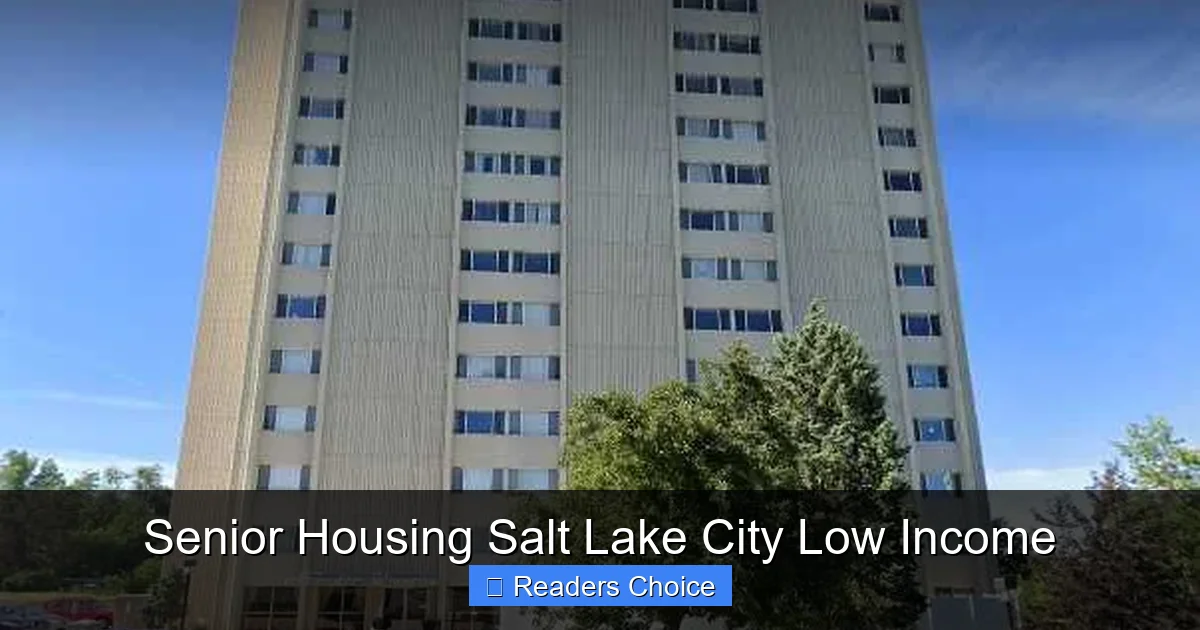
Visual guide about Senior Housing Salt Lake City Low Income
Image source: lowincomehousing.us
When it comes to senior housing in Salt Lake City, “low income” doesn’t mean low quality. In fact, many affordable housing communities offer clean, well-maintained units with access to supportive services. The term “low income” typically refers to individuals or households earning below a certain percentage of the Area Median Income (AMI), which is set annually by the U.S. Department of Housing and Urban Development (HUD).
There are several types of housing options available for seniors with limited incomes:
HUD-Subsidized Housing
One of the most common and reliable sources of affordable senior housing is through HUD’s Section 202 Supportive Housing for the Elderly program. These are apartment complexes specifically designed for seniors aged 62 and older. Rent is typically set at 30% of the resident’s adjusted monthly income, making it highly affordable.
In Salt Lake City, examples include the Hillside Village Apartments and Liberty Heights Senior Apartments. These properties often feature on-site maintenance, community rooms, and sometimes even meal programs or social activities. While the application process can be competitive, the long-term affordability makes them a top choice.
Public Housing and Housing Choice Vouchers (Section 8)
Salt Lake City Housing Authority (SLCHA) manages public housing units and administers the Section 8 Housing Choice Voucher program. Seniors can apply for vouchers that allow them to rent privately owned apartments at a reduced cost. The voucher covers the difference between what the tenant can afford (usually 30% of income) and the market rent.
One advantage of Section 8 is flexibility—you’re not limited to specific buildings. However, waitlists can be long, sometimes stretching over a year. It’s wise to apply as soon as you’re eligible and to check in regularly for updates.
Nonprofit and Faith-Based Housing
Several local nonprofits operate senior housing communities with a mission to serve low income residents. For example, Utah Nonprofit Housing Corporation (UNHC) manages multiple properties across the city, including Sunrise Senior Living (Salt Lake City location) and Parkview Senior Apartments. These buildings often include utilities in the rent and may offer additional services like transportation or wellness programs.
Faith-based organizations also play a role. The Catholic Community Services and Jewish Family Service sometimes partner with housing providers to offer subsidized units or emergency housing assistance.
Shared Housing and Co-Ops
For seniors who are open to living with others, shared housing can be a cost-effective and socially enriching option. Some programs match seniors with compatible roommates to split rent and utilities. Others are organized as cooperatives, where residents collectively manage the property and share responsibilities.
While not as common in Salt Lake City as in larger metropolitan areas, shared housing is gaining traction. Organizations like Senior Cohousing Utah are working to develop intentional communities where seniors can live independently but with built-in support networks.
Eligibility Requirements and How to Qualify
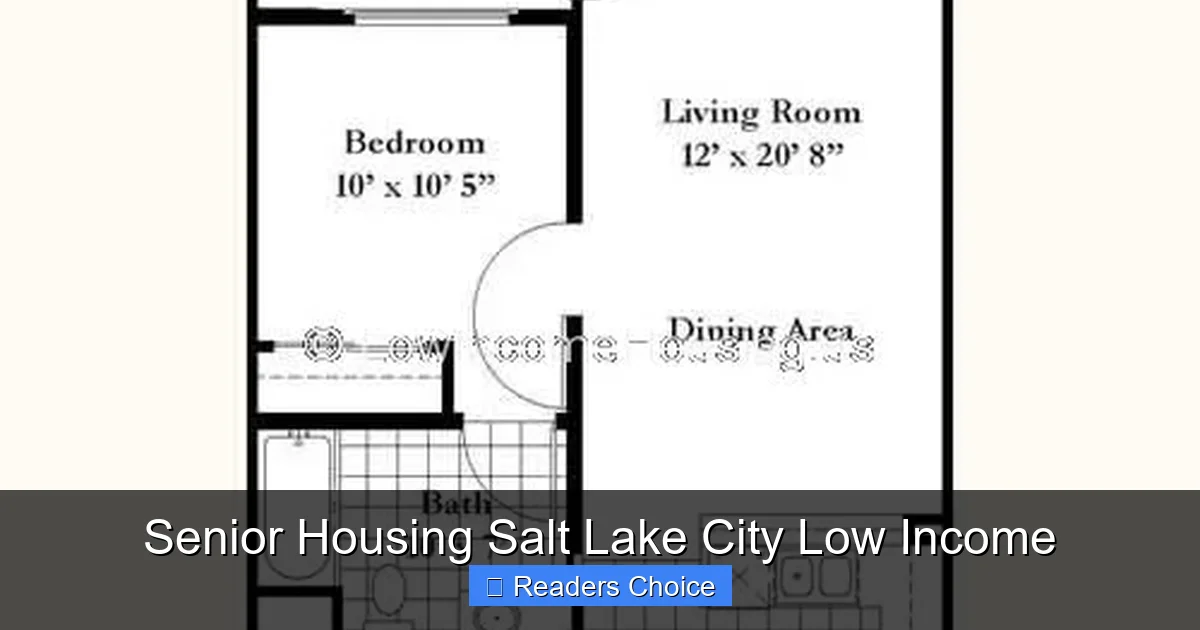
Visual guide about Senior Housing Salt Lake City Low Income
Image source: lowincomehousing.us
Before you start touring apartments or filling out applications, it’s important to understand the eligibility criteria for low income senior housing in Salt Lake City. While each program has its own rules, most follow similar guidelines based on age, income, and residency.
Age Requirements
Nearly all senior housing programs require applicants to be at least 62 years old. Some may allow younger individuals if they have a disability or are caring for a dependent. Be sure to check the specific age policy for each property or program.
Income Limits
Income is the biggest factor in determining eligibility. HUD sets income limits each year based on family size and the local AMI. For 2024, a single senior in Salt Lake County earning less than $38,000 annually would likely qualify as “low income.” A couple earning under $43,400 would also fall into this category.
These limits are broken down into tiers:
– Extremely Low Income: Below 30% of AMI
– Very Low Income: 30–50% of AMI
– Low Income: 50–80% of AMI
Most subsidized housing programs prioritize applicants in the extremely low and very low income brackets. However, even those in the “low income” range may qualify for certain vouchers or nonprofit housing.
Residency and Citizenship
Applicants must be U.S. citizens or eligible non-citizens (such as lawful permanent residents). Proof of identity, Social Security number, and Utah residency may be required. Some programs also ask for proof of income, such as Social Security statements, pension letters, or tax returns.
Background Checks and References
While not all properties conduct criminal background checks, many do—especially those receiving federal funding. Minor offenses may not disqualify you, but serious or recent convictions could affect eligibility. It’s best to be honest on your application and explain any past issues if asked.
Asset Limits
Some programs also consider assets, such as savings accounts, investments, or property ownership. However, primary residences and personal belongings are usually excluded. If you have significant assets, you may still qualify if your monthly income is low.
How to Apply for Senior Housing in Salt Lake City
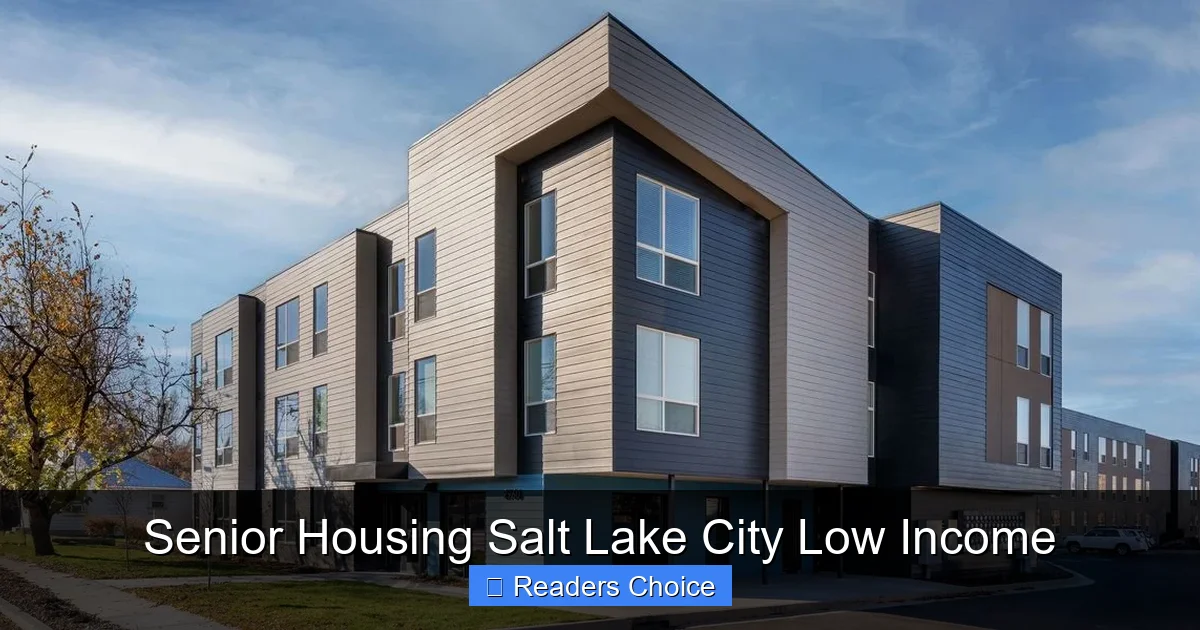
Visual guide about Senior Housing Salt Lake City Low Income
Image source: lowincomehousing.us
Applying for low income senior housing can feel daunting, but breaking it down into manageable steps makes it much easier. Here’s a practical guide to help you navigate the process.
Step 1: Gather Your Documents
Before you apply, collect the following:
– Photo ID (driver’s license, state ID, or passport)
– Social Security card
– Proof of income (Social Security award letter, pension statements, etc.)
– Bank statements (last 2–3 months)
– Proof of Utah residency (utility bill, lease, or voter registration)
– List of references (landlords, employers, or community contacts)
Having these ready will speed up the application process and reduce stress.
Step 2: Research Available Properties
Start by making a list of senior housing options in Salt Lake City. Use resources like:
– Salt Lake City Housing Authority website
– HUD’s Multifamily Housing Search tool
– Utah Nonprofit Housing Corporation’s property listings
– Local senior centers and Area Agency on Aging
Look for properties that match your budget, location preferences, and needed amenities. For example, if you rely on public transit, prioritize buildings near TRAX stations or bus routes.
Step 3: Submit Applications
Apply to multiple properties to increase your chances. Many applications can be completed online, by mail, or in person. Be sure to:
– Fill out every section completely
– Sign and date the form
– Include all required documents
– Keep a copy for your records
Some properties charge a small application fee (usually $25–$50), but this is often waived for low income applicants.
Step 4: Join Waitlists and Stay in Touch
After submitting your application, you’ll likely be placed on a waitlist. Wait times vary—some are a few months, others over a year. To stay active:
– Call or email every 3–6 months to confirm your status
– Update your contact information if you move
– Notify the housing office of any changes in income or household size
Being proactive shows you’re serious and helps keep your application current.
Step 5: Prepare for an Interview or Inspection
If you’re selected from the waitlist, you may be invited for an interview or home inspection. This is standard procedure to verify your eligibility and ensure the unit is a good fit. Dress neatly, be honest, and bring any additional documents they request.
Support Services and Resources for Seniors
Finding a place to live is just one part of the equation. Many low income seniors also need access to healthcare, transportation, meals, and social support. Fortunately, Salt Lake City offers a range of services to help seniors thrive.
Area Agency on Aging (AAA)
The AAA of Utah provides free counseling and assistance with housing, healthcare, and benefits. Their Housing Counselors can help you understand your options, complete applications, and appeal denials if needed. They also offer workshops on topics like financial planning and tenant rights.
Meals on Wheels and Food Assistance
Seniors who struggle with grocery shopping or cooking can benefit from programs like Meals on Wheels Salt Lake, which delivers hot meals directly to your door. Additionally, the Utah Food Bank operates senior food pantries and offers SNAP (food stamp) application assistance.
Transportation Services
Getting around can be a challenge for seniors, especially those without cars. UTA’s Paratransit service offers door-to-door rides for individuals with disabilities. Seniors aged 65+ also ride regular UTA buses and trains for free with a valid ID.
Healthcare and Wellness Programs
Many senior housing communities partner with local clinics to offer on-site health screenings, flu shots, and wellness classes. The University of Utah Health and Intermountain Healthcare both have programs focused on senior care, including home visits and chronic disease management.
Legal and Advocacy Support
If you face eviction, discrimination, or unfair treatment, organizations like Utah Legal Services and AARP Utah offer free or low-cost legal help. They can also advocate on your behalf with landlords or housing authorities.
Tips for Choosing the Right Senior Housing
With so many options available, how do you pick the best one for your needs? Here are some practical tips to help you make an informed decision.
Consider Your Lifestyle and Needs
Ask yourself:
– Do I need help with daily tasks (bathing, cooking, medication)?
– Do I want to live alone or with others?
– How important is proximity to family, doctors, or places of worship?
– Do I need wheelchair accessibility or other accommodations?
If you need significant support, look for properties with on-site staff or partnerships with home health agencies.
Visit the Property in Person
Photos and brochures can be misleading. Whenever possible, schedule a tour. Pay attention to:
– Cleanliness and maintenance
– Noise levels and neighbor behavior
– Safety features (lighting, handrails, emergency call systems)
– Availability of elevators or ramps
Talk to current residents if you can—they often give the most honest feedback.
Ask About Amenities and Services
Make a list of must-have features. For example:
– Laundry facilities
– Community room or activities
– Pet policies
– Guest parking
– Security measures
Some buildings even offer gardening plots, fitness centers, or computer labs.
Understand the Lease and Fees
Read the lease carefully before signing. Ask about:
– Rent increases (are they capped?)
– Security deposits
– Utility costs (are they included?)
– Rules about guests, pets, or renovations
If something isn’t clear, ask for clarification. You have the right to understand your agreement.
Plan for the Future
Think about how your needs might change. If you’re relatively healthy now but worry about mobility issues later, choose a building with accessible units or on-site care options. Some communities offer tiered services, allowing you to “age in place” without moving.
Success Stories: Real Seniors Finding Home
Hearing from others who’ve been through the process can be incredibly encouraging. Here are a few real-life examples from Salt Lake City seniors who found affordable housing.
Martha’s Story: From Homelessness to Stability
Martha, 71, had been living in her car after losing her job during the pandemic. With the help of The Road Home, she applied for a Section 8 voucher and was placed in a senior apartment within six months. “I never thought I’d have my own place again,” she says. “Now I have neighbors, a garden, and peace of mind.”
Robert’s Journey: Downsizing with Dignity
After his wife passed away, Robert, 68, struggled to afford his large home on a fixed income. He moved into a nonprofit-run senior community where rent was based on his Social Security. “I was worried about losing my independence,” he shares. “But here, I have privacy, activities, and people who care.”
Linda’s Choice: A Community of Friends
Linda, 75, chose a shared housing arrangement after her children moved out of state. She now lives with two other seniors in a three-bedroom home managed by a local nonprofit. “We cook together, watch movies, and look out for each other,” she says. “It’s like having a built-in support system.”
These stories show that with the right support, affordable senior housing in Salt Lake City is not only possible—it can be life-changing.
Conclusion: You Deserve a Safe and Comfortable Home
Finding low income senior housing in Salt Lake City may take time and effort, but it’s absolutely worth it. No one should have to choose between paying rent and buying medicine, or between safety and dignity. The resources are there—government programs, nonprofit organizations, and community advocates are all working to ensure seniors have access to quality housing.
Start by assessing your needs, gathering your documents, and reaching out for help. Don’t be afraid to ask questions or apply to multiple places. And remember, you’re not alone. Thousands of seniors in Salt Lake City have walked this path before you, and many are thriving in homes that meet their needs and respect their budgets.
Your golden years should be about joy, connection, and peace—not stress over where to live. With the right information and support, you can find a place that feels like home, no matter your income.
Frequently Asked Questions
What is the average wait time for senior housing in Salt Lake City?
Wait times vary by property and program, but most range from 6 months to over 2 years. Applying to multiple locations and staying in touch with housing offices can help reduce delays.
Can I apply for senior housing if I own a home?
Yes, you can still qualify if your home is your primary residence and your income is low. Owning property doesn’t automatically disqualify you, but it may affect eligibility for certain vouchers.
Are pets allowed in low income senior housing?
It depends on the property. Some allow small pets with a deposit, while others have strict no-pet policies. Always check the rules before applying.
What if I’m denied housing due to a criminal record?
You have the right to appeal or request a review. Many housing providers consider the nature and timing of offenses. Legal aid organizations can help you navigate this process.
Can family members help me apply for senior housing?
Absolutely. Family members can assist with applications, attend interviews, and provide support. Just make sure to sign a consent form if someone else is acting on your behalf.
Is there emergency housing for seniors in crisis?
Yes. Organizations like The Road Home and Catholic Community Services offer emergency shelter and rapid rehousing programs for seniors facing homelessness. Contact 211 for immediate assistance.