
Senior Home Care Checklist for Beginners Easy Guide


Indoor Security Camera

Memory Foam Seat Cushion
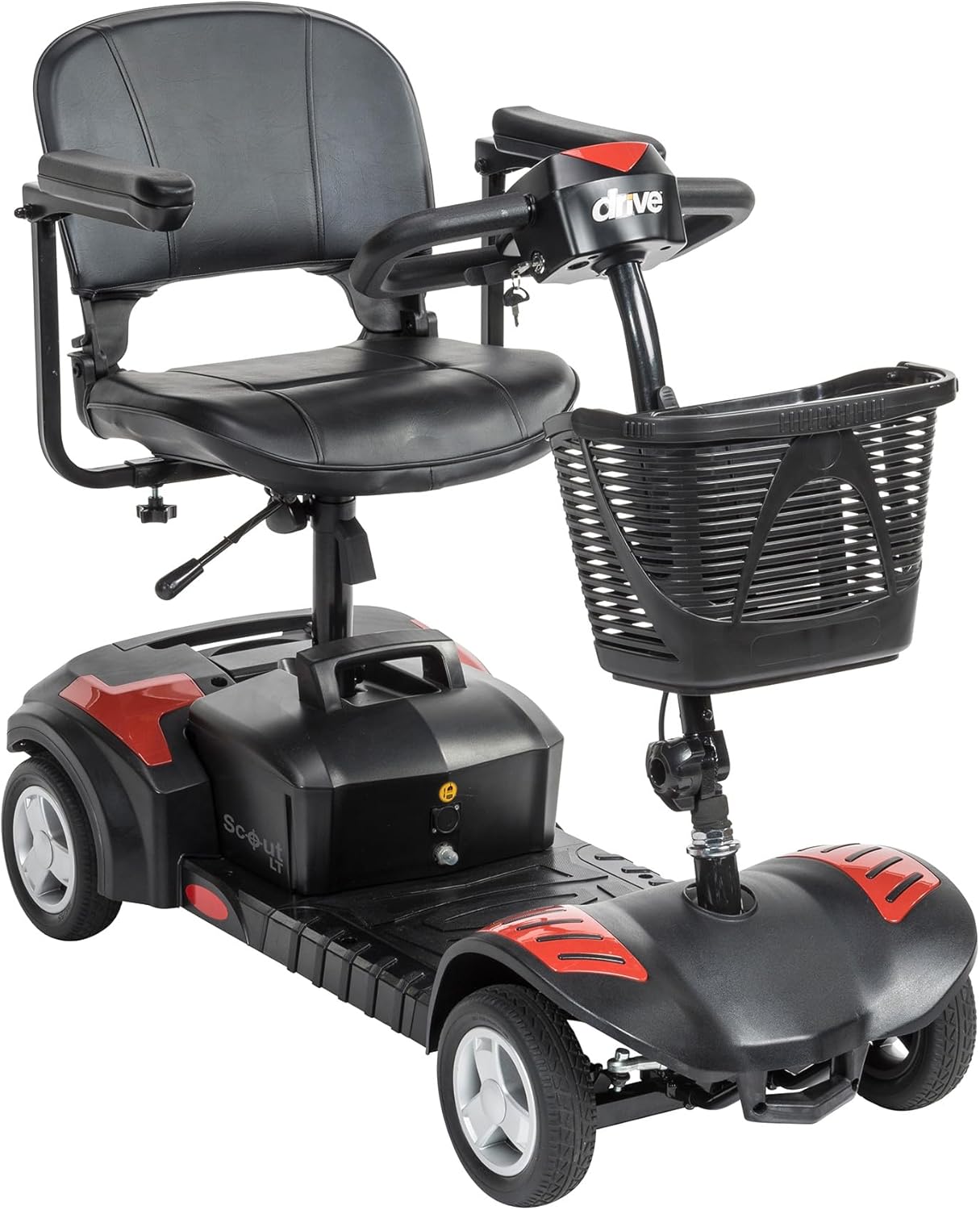
Electric Mobility Scooter
A senior home care checklist for beginners should start with daily needs, home safety, and a simple routine. From there, families can compare care options, plan a budget, and watch for signs that professional help is needed.
Starting care at home can feel overwhelming, especially if you are helping a parent, spouse, or other loved one for the first time. A simple senior home care checklist for beginners can make the process easier by turning a big job into clear, manageable steps.
This guide from SeniorsProTalk Editorial Team walks you through what to look for, how to build a safe routine, and when it may be time to bring in extra help. If your loved one has a complex health condition, always talk to your doctor or healthcare provider for advice that fits the person, the medications, and the home setting.
- Start with needs: Check mobility, meals, bathing, medications, and supervision.
- Fix safety first: Focus on fall risks in bathrooms, stairs, and entryways.
- Keep routines simple: A clear daily schedule helps everyone stay organized.
- Compare care options: Family help, aides, and agencies each have tradeoffs.
- Get help early: Repeated falls, confusion, or burnout are warning signs.
Understanding the Senior Home Care Checklist for Beginners in 2026
Home care means more than “help around the house.” For many older adults, it is the support that makes daily life safer, calmer, and more comfortable while allowing them to stay at home longer.
In 2026, families are often balancing work, distance, finances, and changing health needs. That is why a clear checklist matters: it helps you focus on what your loved one actually needs instead of guessing.
Who this checklist is for: new family caregivers, adult children, and first-time care planners
This checklist is designed for people who are just getting started. That includes adult children helping a parent, spouses sharing care duties, and family members who suddenly need to make decisions after a fall, hospital stay, or memory concern.
It is also useful if you are planning ahead. A little preparation now can prevent rushed choices later, especially when you need to compare family caregiving, hired help, and agency services.
What “home care” includes: personal care, companionship, medication reminders, and household support
Home care can include bathing help, dressing support, meal preparation, light housekeeping, transportation, companionship, and reminders for medications. Some seniors only need a few of these tasks, while others need daily hands-on support.
It is important to remember that home care is not the same as medical treatment. If you are unsure whether a task is safe for your loved one, talk to your doctor, pharmacist, or another healthcare provider before making changes.
Assessing the Senior’s Daily Needs Before Choosing Care
Before you hire anyone or build a schedule, start with the basics: what does the person need help with each day? A careful review now can prevent missed needs later.
Try to look at the full day, not just one moment. Morning routines, meals, bathroom trips, and bedtime can all reveal where help is needed most.
Mobility, bathing, dressing, toileting, and meal support
Ask whether your loved one can walk safely, get in and out of bed, use the bathroom alone, and wash without falling. Also check whether they can dress themselves, open food containers, and prepare meals safely.
Even small struggles matter. If a person skips meals because cooking feels too hard, or avoids bathing because the tub feels unsafe, that is a sign that support may be needed sooner rather than later.
Memory, safety, and supervision needs for aging adults with cognitive decline
Some older adults can manage physical tasks but still need supervision because of memory loss, confusion, or poor judgment. They may forget appointments, leave the stove on, wander outside, or repeat medications.
When memory changes are involved, home care planning should be more cautious. If you notice new confusion, sudden behavior changes, or safety problems, talk to your doctor promptly.
If your loved one is having frequent confusion, new falls, or trouble managing medications, ask a doctor or pharmacist to review the situation. Some problems can be caused by illness, dehydration, medication side effects, or other treatable issues.
How to spot the difference between occasional help and ongoing care
Occasional help may mean rides to appointments, help with groceries, or a weekly check-in. Ongoing care is different. It usually means daily support, repeated supervision, or help with tasks the person can no longer do safely on their own.
A good rule is this: if the same task keeps becoming difficult, risky, or forgotten, it is probably no longer “just a little help.”
Home Safety and Fall-Prevention Checklist for Beginners
Many families assume a familiar home is automatically safe. In reality, homes often need small changes to reduce fall risk and make daily care easier.
Falls are a major concern for older adults, so safety planning should be one of your first steps. If your loved one has balance issues, dizziness, vision problems, or a history of falls, ask a healthcare provider for guidance.
Room-by-room safety review: bathroom, bedroom, kitchen, stairs, and entryways
Start with the bathroom, where wet floors and hard surfaces can be especially dangerous. Then review the bedroom for clear walking paths, the kitchen for easy-to-reach items, stairs for sturdy handrails, and entryways for good lighting and no loose rugs.
Look for anything that could cause a trip, slip, or strain. A home does not need to be perfect, but it should be practical for the person’s current abilities.
- Loose rugs, cords, and clutter on walking paths
- Poor lighting in hallways, stairs, and doorways
- Slippery bathroom floors and hard-to-reach items
- Unstable furniture used for balance support
- Missing grab bars or handrails where needed
Practical examples of simple home modifications that improve safety
Simple changes often make a big difference. Examples include brighter bulbs, non-slip mats, shower chairs, raised toilet seats, grab bars, and moving frequently used items to waist height.
For some homes, a walker-friendly layout or a first-floor sleeping area may help. If mobility is changing quickly, ask an occupational therapist or other professional what modifications make the most sense.
Common mistakes families make when assuming the home is already “safe enough”
One common mistake is waiting until after a fall to make changes. Another is assuming that because someone has lived in the home for years, they can still navigate it safely today.
Families also sometimes overlook small hazards, such as dim lighting, slippery slippers, or a pet underfoot. These details matter more as strength and balance change.
Building a Daily Care Routine That Actually Works
A good routine reduces stress for both the caregiver and the older adult. It also makes it easier to notice changes, because you can tell when something is off.
The best schedule is one that feels realistic. If a plan is too complicated, it usually will not last.
Creating a morning, afternoon, and evening care schedule
Break the day into simple blocks. Morning can cover waking up, toileting, washing, dressing, breakfast, and medications. Afternoon may include meals, rest, movement, errands, or companionship. Evening can focus on dinner, hydration, hygiene, and bedtime safety.
Keep the routine flexible enough to adjust for appointments, fatigue, or pain. Many older adults do better with a steady rhythm than with a packed schedule.
Write down everything that needs attention, from meals to medication reminders to bathing support.
Place each task in the morning, afternoon, or evening so the day feels organized and predictable.
Decide whether family, a paid caregiver, or both will handle each part of the routine.
Tracking medications, meals, hydration, and personal hygiene tasks
Use a simple notebook, calendar, or checklist to track medications, meals, water intake, bathing, and other personal care tasks. This helps you spot missed doses, skipped meals, or patterns of low energy.
If there are multiple prescriptions or health conditions, ask your pharmacist or healthcare provider how to organize the schedule safely. Do not change medications on your own.
Medication timing can vary by condition and prescription. Always confirm the schedule with your doctor or pharmacist, especially if your loved one takes more than one medicine.
How to balance independence with hands-on support
Many seniors want to keep doing as much as they can, and that is a healthy goal. The key is to support independence without creating unnecessary risk.
For example, a person may be able to brush their own hair, choose clothes, or fold laundry, even if they need help bathing or preparing meals. Let them do what they can safely do, and step in where safety or comfort is at risk.
Choosing Between Family Care, Home Care Aides, and Agency Services
There is no single “best” option for every family. The right choice depends on the level of need, the family’s schedule, the budget, and the person’s health.
It also helps to think about backup coverage. Care needs can change quickly after illness, surgery, or a fall.
Comparison of informal family caregiving vs. hired caregivers vs. licensed home care agencies
Family caregiving is often the most familiar and affordable starting point, but it can be hard to sustain alone. Hired caregivers can provide relief and consistency, while licensed agencies may offer more oversight, screening, and backup staffing.
If you are comparing options, look at reliability, training, supervision, and whether the service can adapt as needs change. A helpful overview of planning tools can also be found in our senior caregiver daily checklist template.
| Option | Best For | Note |
|---|---|---|
| Family caregiving | Light to moderate help | Flexible, but can lead to burnout |
| Hired caregiver | Regular daily support | Good for routine tasks and companionship |
| Agency service | Need for backup and oversight | Policies and screening vary by provider |
When part-time help is enough and when 24/7 support may be needed
Part-time help may be enough if the person is mostly safe, can be alone for periods, and only needs support with a few tasks. But if they fall often, wander, forget medications, or cannot be left alone safely, more coverage may be needed.
For some families, overnight or around-the-clock support becomes necessary after a hospitalization or when dementia symptoms increase. If you are unsure, ask a doctor, geriatric care manager, or home care professional to help assess the level of care.
Questions to ask before hiring a caregiver or agency in 2026
Ask about training, background checks, scheduling flexibility, emergency backup, supervision, and how the caregiver communicates with the family. Also ask what happens if the regular caregiver is sick or unavailable.
When you are comparing agencies, read the contract carefully and ask which tasks are included. If a service involves medication help or health-related support, confirm what is allowed in your area and whether a healthcare provider should be involved.
Budgeting for Senior Home Care Without Overpaying
Cost is one of the biggest concerns for beginners. Home care can be less expensive than a facility, but expenses can still add up quickly if the plan is not clear.
Before you commit, decide what services are truly needed and which ones can be handled by family or community support.
Typical cost factors: hourly rates, overnight care, specialized dementia support, and supplies
Costs often depend on the number of hours needed, whether care is overnight, and whether the person needs specialized support for dementia or mobility problems. Supplies such as gloves, wipes, incontinence items, and safety equipment can also add to the total.
Insurance and Medicare coverage vary by situation and plan. In many cases, families still pay some costs out of pocket, so it is smart to ask what is covered before making assumptions.
Ways to compare services and avoid hidden fees
Ask for a written list of charges and service details. Look for extra fees tied to weekends, holidays, minimum hours, transportation, or last-minute scheduling changes.
It also helps to compare more than one provider. A lower hourly rate is not always the best value if the service lacks backup coverage, supervision, or clear communication.
Budgeting mistakes beginners often make when planning home care
One mistake is planning only for “good weeks” and not for sick days, emergencies, or caregiver time off. Another is forgetting the cost of supplies, transportation, and home safety changes.
Families also sometimes delay help too long, which can lead to a crisis and more expensive decisions. A modest plan early on may be easier to manage than a rushed plan later.
Warning Signs That Professional Help Is Needed
Some situations call for more than family support. Knowing the warning signs can help you act before a small issue becomes an emergency.
If you are seeing repeated problems, do not wait too long to ask for help. A doctor or care professional can help you decide what level of support is safest.
Red flags for falls, medication errors, missed meals, isolation, and caregiver burnout
Watch for falls, near-falls, bruises, missed medications, spoiled food, weight loss, loneliness, or a growing fear of being alone. These signs can mean the current care plan is no longer enough.
Caregiver burnout matters too. If the family caregiver is exhausted, short-tempered, or overwhelmed, the whole plan can become unsafe.
Repeated falls, confusion, sudden weakness, chest pain, trouble breathing, or a major change in alertness need prompt medical attention. If symptoms are severe or sudden, seek emergency help right away.
When to contact a doctor, geriatric care manager, or home care agency immediately
Contact a doctor if your loved one has a sudden change in memory, mobility, appetite, mood, or medication response. A geriatric care manager can help with planning, coordination, and next-step decisions.
Reach out to a home care agency if the person needs regular hands-on help, overnight supervision, or backup coverage that family cannot provide consistently.
Expert guidance on when home care is no longer enough
Home care may no longer be enough when the person cannot stay safe between visits, needs constant supervision, or requires medical support beyond what family and non-medical caregivers can provide. The right next step may be more in-home help or a different care setting.
This decision is personal and can be emotional, so take it one step at a time. If needed, ask your doctor or another qualified professional to help you weigh the options.
Final Senior Home Care Checklist Recap for Beginners
If you are just getting started, remember that the goal is not perfection. The goal is a safer, steadier routine that matches your loved one’s real needs.
A simple checklist can help you stay organized, reduce stress, and make smarter choices about care.
Quick step-by-step summary of the most important checklist items
First, identify daily needs such as bathing, dressing, meals, medication reminders, and supervision. Next, review the home for fall risks and make practical safety changes.
Then build a realistic routine, decide who will provide care, compare costs, and watch for signs that more support is needed. If health conditions are involved, always check with your doctor or pharmacist before making care changes.
- Start with daily needs, not assumptions.
- Make the home safer before problems grow.
- Use a simple routine that supports independence.
- Compare family care, aides, and agency help carefully.
- Watch for warning signs and get professional advice early.
Next actions for families starting care planning in 2026
Begin with one conversation, one checklist, and one safety improvement. Small steps can make a big difference when you are caring for an older adult at home.
If you need more structure, consider writing down tasks, calling the doctor with questions, and comparing care options before there is a crisis. A calm plan today can save a lot of stress later.
Frequently Asked Questions
Start with daily needs, home safety, medications, meals, and supervision. Then decide who will provide care and how often support is needed.
Look for trouble with bathing, dressing, meals, medications, falls, or memory. If safety is becoming a concern, talk to the doctor and consider more help.
Home care usually means non-medical help such as companionship, meal prep, and personal care. Home health care involves medical services and should be guided by a healthcare provider.
Remove clutter, improve lighting, secure rugs, and add grab bars or non-slip mats where needed. Focus first on bathrooms, stairs, and walkways.
List the hours of care needed, supplies, transportation, and any overnight support. Compare providers carefully and ask what Medicare or insurance may cover, since coverage varies.
Call a doctor if there are falls, sudden confusion, medication errors, missed meals, or major changes in health or behavior. Severe or sudden symptoms may need urgent medical care.