
Senior Highway Driving Tips for Safer Journeys


Bathtub Transfer Bench

Electric Jar Opener
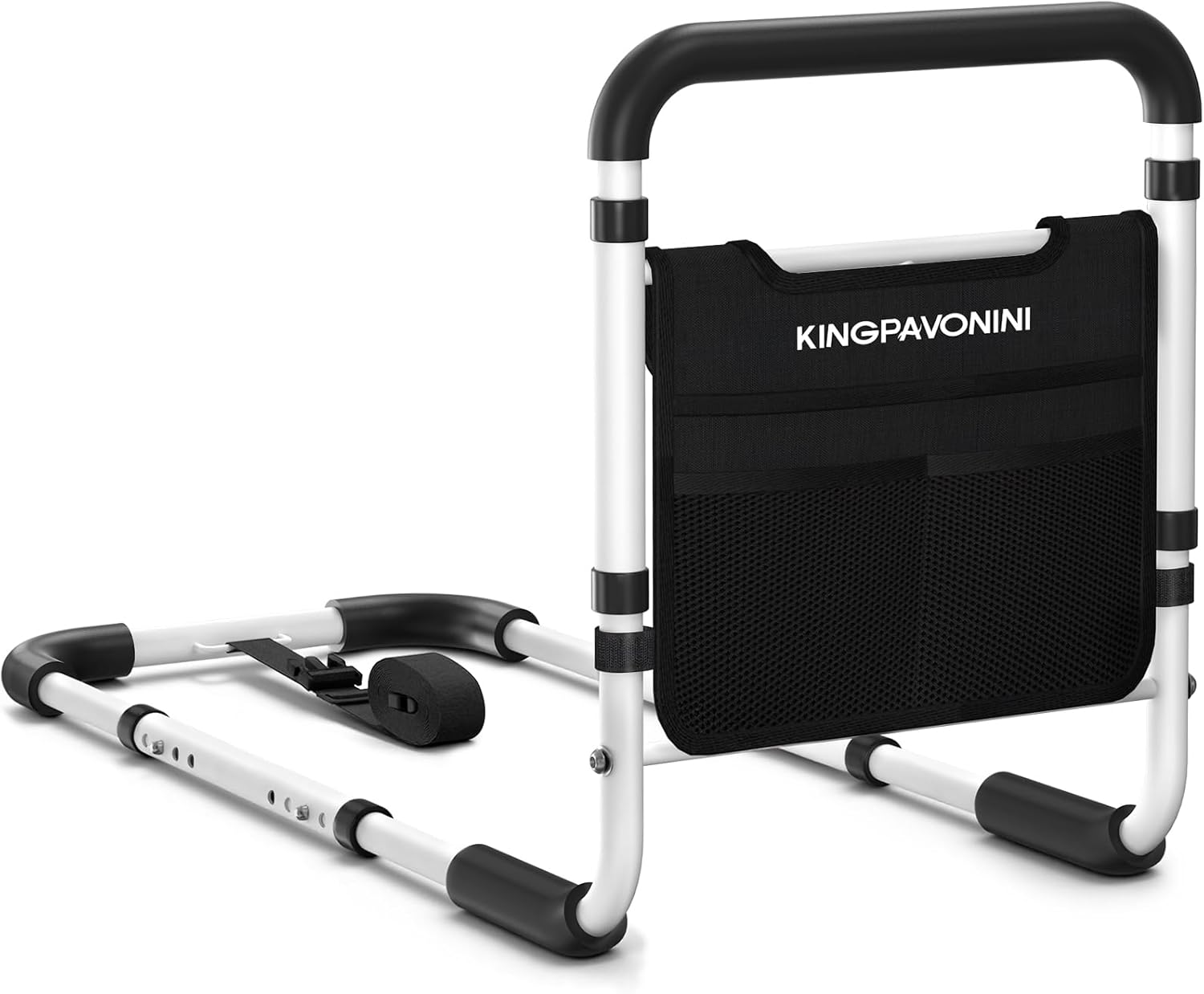
Bed Rail for Seniors
Seniors can enhance highway safety through pre-trip vehicle checks, careful route planning, and maintaining situational awareness. Practicing safe driving techniques like proper following distance and utilizing mirrors are key to confident journeys.
Highway driving can be a vital part of maintaining independence and staying connected. For seniors, navigating highways offers freedom but also presents unique challenges. This guide provides practical advice and essential tips to ensure safer and more confident highway journeys in 2025.
- Vehicle Prep: Ensure tires, brakes, lights, and fluids are in good condition before highway trips.
- Route Planning: Use GPS and maps, and consider time of day, traffic, and weather conditions.
- Safe Techniques: Maintain proper lane position, use the three-second rule for following distance, and check blind.
- Adaptability: Adjust speed for weather, be cautious during night driving, and plan for breaks to.
- Self-Awareness: Recognize personal limitations and seek professional guidance or alternative transportation when driving becomes challenging.
Senior Highway Driving Tips for Safer Journeys in 2025
Understanding the Evolving Challenges of Highway Driving for Seniors
As we age, our bodies and senses naturally change, which can impact driving abilities. The modern highway environment itself has also become more complex.
Age-Related Changes and Their Impact on Driving Skills
Vision is a primary concern. Changes like reduced night vision, slower adaptation to glare, and a narrower field of vision can make it harder to spot hazards or read signs. Hearing can also diminish, making it difficult to hear emergency sirens or honking horns.
Reaction times may slow down, a critical factor on highways where speed and quick responses are necessary. Cognitive functions, such as attention span and the ability to process multiple pieces of information simultaneously, can also be affected.
Physical changes, like decreased flexibility or arthritis, might make it harder to turn your head to check blind spots or operate controls smoothly. These age-related changes are normal, but it’s important to be aware of how they might influence your driving.
Discuss any concerns about your vision, hearing, or physical capabilities with your healthcare provider. They can recommend appropriate tests and solutions, and advise on driving suitability.
The Unique Demands of Modern Highway Environments
Modern highways are designed for higher speeds and continuous flow. This means dealing with faster-moving traffic, more complex interchanges, and a constant stream of information from road signs, other vehicles, and GPS devices.
The sheer volume of traffic can be overwhelming. Understanding how to merge smoothly, maintain a safe following distance, and anticipate the actions of other drivers is crucial. Road construction, dynamic speed limits, and electronic signage add further layers of complexity.
The pace of highway driving requires sustained attention and quick decision-making. It’s a different experience than driving on familiar local roads, demanding a higher level of alertness and awareness.
Pre-Trip Preparations: Setting the Stage for a Successful Drive
A little preparation goes a long way in ensuring a safe and stress-free highway trip. This includes ensuring your vehicle is in top condition and planning your route thoroughly.
Vehicle Maintenance: Ensuring Your Car is Highway-Ready
Your vehicle is your partner on the road. Regular maintenance is not just about longevity; it’s about safety, especially for highway speeds.
Essential Checks: Tires, Brakes, Lights, and Fluids
Tires: Ensure your tires are properly inflated and have adequate tread depth. Worn tires can lose grip, especially in wet conditions. Check for any signs of damage or uneven wear.
Brakes: Listen for any grinding or squealing noises. Your brakes are critical for safely slowing down and stopping. If they feel spongy or less responsive, have them checked immediately.
Lights: Make sure all headlights, taillights, brake lights, and turn signals are working correctly. Good visibility is a two-way street; you need to see, and others need to see you.
Fluids: Check and top up essential fluids like engine oil, coolant, brake fluid, and windshield washer fluid. Low fluid levels can lead to overheating or other mechanical issues.
What to Check Before Your Trip
- Tire pressure and tread depth
- Brake responsiveness and sounds
- All exterior lights (headlights, taillights, signals, brake lights)
- Windshield wiper function and fluid level
- Engine oil and coolant levels
Route Planning: Navigating with Confidence
Knowing where you’re going and anticipating potential issues can significantly reduce anxiety and improve safety.
Utilizing GPS and Traditional Maps Effectively
GPS: GPS devices and smartphone apps are invaluable tools for real-time navigation, traffic updates, and alternative route suggestions. Familiarize yourself with your chosen device before you start your trip.
Traditional Maps: Don’t discard paper maps entirely. They can be a reliable backup if your GPS fails or loses signal. They also offer a broader overview of your route, helping you understand your progress.
Combine Tools: Use a GPS for turn-by-turn directions and traffic alerts, but keep a general understanding of your route from a map. This dual approach ensures you’re less likely to be caught off guard.
Considering Time of Day and Traffic Conditions
Time of Day: Driving during daylight hours is generally safer due to better visibility. Avoid peak commuting times in and around major cities to minimize exposure to heavy traffic and aggressive drivers.
Traffic: Check traffic conditions before you leave and consider potential delays. Websites and apps like Google Maps or Waze can provide real-time traffic information.
Weather: Always check the weather forecast for your route. Adverse weather conditions can make highway driving significantly more challenging and hazardous.
Mastering Highway Navigation: Techniques for Enhanced Awareness
Effective navigation on the highway involves more than just following directions. It’s about actively engaging with your surroundings and employing safe driving techniques.
Maintaining Proper Lane Position and Following Distance
Lane Position: Aim to drive in the middle of your lane. Avoid drifting too close to the lane lines, as this can be perceived as erratic driving by others and can be dangerous if another vehicle drifts into your lane.
Following Distance: This is one of the most critical safety measures. It provides the necessary space and time to react to sudden stops or hazards ahead.
The “Three-Second Rule” and Beyond
The “three-second rule” is a good starting point: pick a fixed object you see (like a sign or bridge) and count how many seconds it takes for the car in front of you to pass it. If it’s less than three seconds, you’re too close.
On the highway, especially at higher speeds or in poor weather, you may need to increase this to four or even five seconds. This buffer is essential for maintaining a safe margin.
Effective Use of Mirrors and Blind Spot Checks
Your mirrors are your eyes and ears for what’s happening around you. Regularly check your rearview and side mirrors to stay aware of surrounding traffic.
Blind Spots: Every vehicle has blind spots—areas not visible in mirrors. To check your blind spot, turn your head slightly to look over your shoulder in the direction you intend to move. This is crucial before changing lanes or making any significant maneuvers.
Health Tip
To improve your ability to check blind spots, consider adjusting your side mirrors slightly outwards and tilting your rearview mirror so you can see more of the road behind you.
Understanding and Responding to Traffic Flow
Highway traffic is dynamic. Observe the speed and flow of vehicles around you. Are cars moving faster or slower than you?
Anticipate how traffic might change. If you see brake lights ahead, start to slow down gradually. If traffic is building up, be prepared for potential slowdowns or stops.
Use your turn signals well in advance of changing lanes or exiting. This communicates your intentions to other drivers, reducing the risk of confusion or sudden braking.
Adapting to Highway Conditions: Staying Safe in Varied Scenarios
Highways present different challenges depending on the time of day, weather, and your own physical state. Being prepared for these variations is key to safety.
Driving in Different Weather Conditions
Weather can dramatically alter road conditions and visibility, requiring adjustments to your driving.
Rain, Fog, and Sun Glare: Strategies for Reduced Visibility
Rain: Reduce speed significantly. Use your headlights, even in daylight, to be more visible. Ensure your windshield wipers are in good condition and turn them on to maintain clear visibility.
Fog: Slow down even more. Use low-beam headlights, as high beams can reflect off fog and worsen visibility. If fog is dense, consider pulling over until conditions improve.
Sun Glare: This is particularly dangerous when the sun is low on the horizon (sunrise/sunset). Wear sunglasses and use your car’s sun visor. If glare is blinding, slow down or pull over safely.
Important
Never use your phone or try to adjust settings while driving in challenging visibility conditions. Pull over to a safe location if you need to make adjustments.
Night Driving Precautions for Senior Drivers
Night driving can be more challenging due to reduced visibility and increased glare from headlights. Many seniors find their vision is significantly impacted after dark.
Adjust Speed: Drive slower at night. The faster you go, the less time you have to react to hazards you might not see until the last moment.
Maximize Headlight Use: Ensure your headlights are clean and properly aimed. Use your high beams when appropriate, but dim them for oncoming traffic.
Reduce Glare: Avoid looking directly at oncoming headlights. Focus on the white line on the right edge of your lane.
Consider Alternatives: If night driving feels unsafe, consider limiting trips to daylight hours or arranging for alternative transportation.
Managing Fatigue and Distractions on Long Drives
Long highway drives can be tiring, and distractions can easily creep in, increasing the risk of an accident.
Recognizing the Signs of Drowsiness and Planning Breaks
Signs of Drowsiness: Yawning frequently, heavy eyelids, difficulty focusing, drifting from your lane, missing exits, or feeling restless are all signs of fatigue.
Plan Breaks: Stop for a break at least every two hours, even if you don’t feel tired. Get out of the car, stretch, and walk around. A short nap can also be very effective.
Stay Alert: Avoid driving during times you would normally be asleep. If you feel drowsy, pull over to a safe rest stop or service area and rest.
Health Tip
Stay hydrated and avoid heavy meals before and during long drives, as they can contribute to fatigue. Caffeine can provide a temporary boost but isn’t a substitute for rest.
Common Pitfalls for Senior Highway Drivers and How to Avoid Them
Certain driving habits or situations can be more challenging for seniors. Being aware of these potential pitfalls can help you avoid them.
Speed Management: The Dangers of Driving Too Slowly or Too Fast
Driving Too Slowly: While it might seem safer, driving significantly slower than the flow of traffic can be dangerous. It can cause traffic to back up, leading to abrupt lane changes and frustration for other drivers, increasing the risk of rear-end collisions.
Driving Too Fast: Exceeding the speed limit or driving too fast for conditions reduces your reaction time and increases the severity of any accident. It also makes it harder to navigate curves or avoid obstacles.
Finding the Balance: Aim to drive at or slightly below the posted speed limit, matching the general flow of traffic. Adjust your speed for weather, road conditions, and traffic density.
Confusion with Merging and Exiting Highways
Merging: Merging onto a highway requires accelerating to match traffic speed and finding a gap. Be aware of vehicles in your blind spot and don’t hesitate to use the acceleration lane fully.
Exiting: Plan your exit well in advance. Signal your intention early and move to the appropriate lane. Avoid sudden braking or last-minute maneuvers.
Practice: If you find these maneuvers challenging, practice them during off-peak hours with a trusted companion or consider taking a refresher driving course.
If you experience significant anxiety or confusion around highway merging or exiting, it might be a sign that your driving skills need re-evaluation. Consult your doctor or a driving specialist.
Over-Reliance on Habit vs. Active Scanning
It’s easy to drive on “autopilot,” relying on familiar routes and habits. However, highways demand constant vigilance.
Active Scanning: Instead of just looking at the car in front, actively scan the road ahead, to the sides, and in your mirrors. Look for potential hazards, traffic changes, and road signs.
Stay Engaged: Consciously engage with the driving task. Avoid distractions like loud music, complex conversations, or fiddling with the radio or GPS. This active approach keeps your mind focused on the road.
When to Seek Professional Guidance or Re-evaluate Driving Abilities
Maintaining driving independence is important, but safety for yourself and others must always come first. Recognizing when to seek help is a sign of wisdom and responsibility.
Recognizing Personal Limitations and Warning Signs
Be honest with yourself about your driving capabilities. Warning signs include:
- Frequent near misses or minor collisions.
- Getting lost on familiar routes.
- Difficulty seeing at night or in glare.
- Increased anxiety or fear when driving.
- Complaints from passengers about your driving.
- Struggling to interpret road signs or traffic signals.
If you notice any of these, it’s time to consider a change.
The Role of Vision and Hearing Tests in Driving Safety
Regular vision and hearing checks are crucial for all drivers, but especially for seniors. Many age-related vision and hearing changes can be corrected or managed.
Vision: Ensure your prescription glasses or contact lenses are up-to-date. Discuss with your eye doctor any issues with night vision, glare, or peripheral vision. Sometimes, special lenses can help.
Hearing: Hearing aids can significantly improve your ability to detect important sounds like sirens, horns, or engine trouble.
Schedule regular eye and hearing examinations with your healthcare providers. Discuss your driving concerns with them to get personalized advice.
Exploring Alternative Transportation Options
Driving isn’t the only way to get around. Exploring alternatives can provide peace of mind and maintain your mobility and independence.
Public Transportation: Buses, trains, and subways can be cost-effective options.
Ride-Sharing Services: Apps like Uber and Lyft offer convenient on-demand transportation.
Senior Transportation Services: Many communities offer specialized transportation for seniors, often with door-to-door assistance.
Family and Friends: Don’t hesitate to ask loved ones for rides when needed.
Consider Senior Living: For some, transitioning to senior living communities, which often offer transportation services, can be a solution for maintaining mobility without the stress of driving.
Recap: Your Roadmap to Safer Senior Highway Driving
Highway driving can remain a safe and enjoyable activity for seniors with the right preparation, awareness, and proactive approach. By understanding potential challenges, maintaining your vehicle, planning your trips, and practicing safe driving techniques, you can enhance your confidence and safety on the road.
Remember to listen to your body, adapt to changing conditions, and don’t hesitate to seek professional advice or explore alternative transportation when needed. Your safety and well-being are paramount.
Frequently Asked Questions
Seniors may face challenges due to age-related changes affecting vision, reaction time, and cognitive processing. Modern highways also present increased complexity with faster traffic, intricate interchanges, and a constant flow of information.
Essential vehicle checks include ensuring tires have adequate tread and proper inflation, brakes are responsive, all lights are functional, and essential fluids are at the correct levels. Regular maintenance is key.
Seniors should maintain proper lane position and a safe following distance (the ‘three-second rule’ or more). Regularly using mirrors and checking blind spots is also crucial for staying aware of surroundings.
In poor weather like rain or fog, reduce speed significantly and use headlights. For night driving, slow down, use headlights effectively, and avoid direct glare from oncoming vehicles. Always prioritize visibility.
Common pitfalls include driving too slowly or too fast, confusion with merging/exiting, and relying on habit rather than active scanning. Avoiding these involves matching traffic flow, planning maneuvers, and staying engaged with the driving environment.
If you experience frequent near misses, getting lost, increased anxiety, or struggle with specific maneuvers, it’s time to re-evaluate. Regular vision/hearing tests and exploring alternative transportation options are also recommended.