
Senior Dog Tooth Fell Out


Adjustable Bed Wedge Pillow

Electric Heating Pad

Hands-Free Neck Magnifier
If your senior dog’s tooth fell out, it’s often a sign of advanced dental disease—not just aging. While some tooth loss can be natural, most cases require veterinary attention to prevent pain, infection, and further complications. Early detection and proper care can keep your older dog comfortable and healthy.
Key Takeaways
- Tooth loss in senior dogs is rarely normal: Unlike humans, dogs don’t naturally lose teeth as they age—most tooth loss is due to periodontal disease or injury.
- Dental disease is common in older dogs: Over 80% of dogs over age three show signs of oral health issues, making regular checkups essential.
- Pain may not be obvious: Dogs often hide discomfort, so a missing tooth could mean your dog has been in pain for weeks or months.
- Prompt vet care prevents complications: Untreated dental problems can lead to infections, tooth root abscesses, and even organ damage.
- Home care makes a big difference: Brushing, dental chews, and water additives can slow disease progression and improve oral health.
- Diet and chewing habits matter: Soft foods and lack of chewing can accelerate plaque buildup, while appropriate toys help clean teeth naturally.
- Anesthesia-free cleanings aren’t enough: Full dental exams under anesthesia allow vets to treat hidden problems below the gumline.
📑 Table of Contents
- Why Did My Senior Dog’s Tooth Fall Out?
- Understanding Dental Disease in Senior Dogs
- Signs Your Senior Dog May Be Losing Teeth
- When to See a Veterinarian
- How to Care for Your Senior Dog’s Teeth at Home
- Can a Senior Dog Live Comfortably After Losing a Tooth?
- Preventing Future Dental Problems
- Final Thoughts: Your Senior Dog Deserves a Pain-Free Smile
Why Did My Senior Dog’s Tooth Fall Out?
Finding a tooth on the floor or noticing a gap in your older dog’s smile can be alarming. You might wonder, “Is this normal?” The short answer: not really. While it’s true that senior dogs are more prone to dental issues, a tooth falling out is almost always a symptom of an underlying problem—not just the natural aging process.
Unlike humans, dogs don’t lose their adult teeth as they get older. Their teeth are designed to last a lifetime. So when a tooth falls out, especially in a senior dog, it’s usually because of advanced dental disease, trauma, or infection. The most common culprit? Periodontal disease—a silent but serious condition that affects the gums, ligaments, and bone supporting the teeth.
Many pet parents assume that bad breath or slightly red gums are just part of getting older. But these are early warning signs. By the time a tooth becomes loose or falls out, the damage is often extensive. The good news? With proper care and timely veterinary attention, you can help your senior dog stay comfortable and even prevent further tooth loss.
Understanding Dental Disease in Senior Dogs
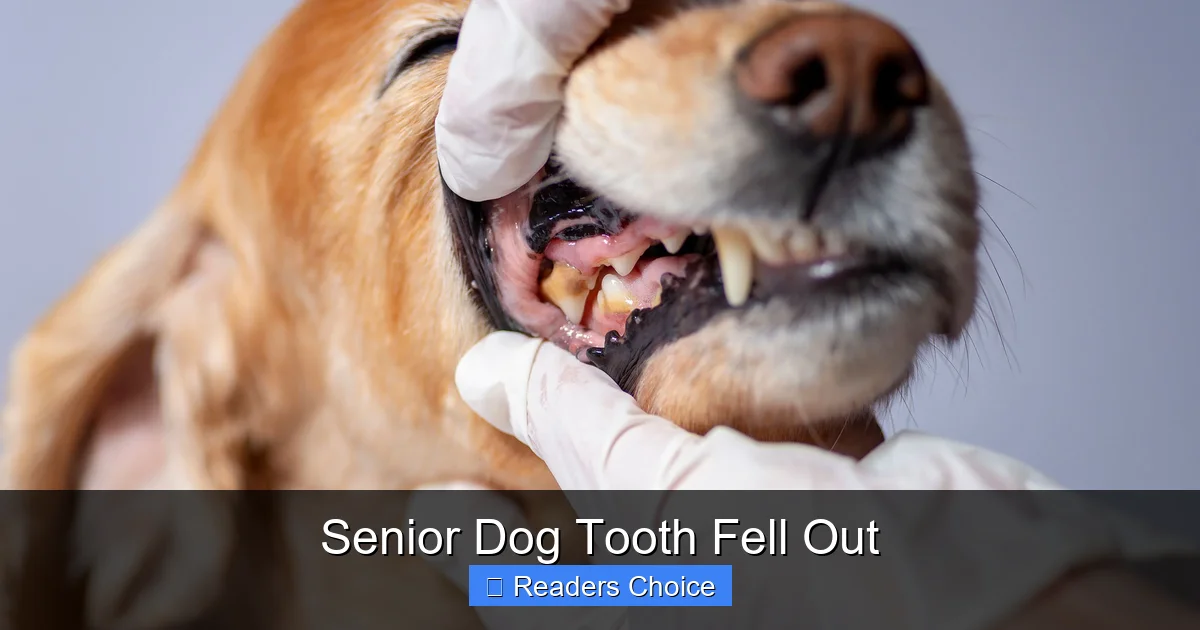
Visual guide about Senior Dog Tooth Fell Out
Image source: pawtracks.com
Dental disease is one of the most common health problems in older dogs—yet it’s also one of the most overlooked. According to the American Veterinary Dental College, more than 80% of dogs over the age of three have some form of periodontal disease. That’s a staggering number, and it only increases with age.
But what exactly is periodontal disease? It starts with plaque—a sticky film of bacteria that forms on teeth after eating. If not removed, plaque hardens into tartar, which irritates the gums and leads to gingivitis (inflammation). Over time, the infection spreads below the gumline, destroying the tissues and bone that hold teeth in place. This is when teeth become loose and may eventually fall out on their own.
The scary part? This process is often painless in the early stages. Dogs are masters at hiding discomfort, so you might not notice anything until the disease is quite advanced. By the time a tooth falls out, your dog may have been living with chronic pain for weeks or even months.
Stages of Periodontal Disease
Veterinarians classify periodontal disease in four stages:
- Stage 1 (Gingivitis): Gums are red and swollen, but no bone loss has occurred. This stage is reversible with proper cleaning.
- Stage 2 (Early Periodontitis): Up to 25% of the supporting structures are lost. Gums may bleed, and bad breath becomes noticeable.
- Stage 3 (Moderate Periodontitis): 25–50% bone loss. Teeth may become loose, and pockets form between gums and teeth where bacteria thrive.
- Stage 4 (Advanced Periodontitis): More than 50% bone loss. Teeth are very loose or missing, and abscesses or infections are common.
A tooth falling out typically happens in Stage 3 or 4. At this point, the damage is severe, and your dog is likely in significant pain—even if they’re still eating and acting normally.
Why Senior Dogs Are at Higher Risk
As dogs age, their immune systems weaken, making it harder for their bodies to fight off bacterial infections in the mouth. Additionally, years of accumulated plaque and tartar take a toll. Senior dogs are also more likely to have other health issues—like kidney disease, diabetes, or heart problems—that can worsen dental disease or make treatment more complex.
Another factor? Diet. Many senior dogs are switched to soft, wet food for easier chewing, but these foods don’t provide the mechanical cleaning action that kibble or dental chews do. Without that scrubbing effect, plaque builds up faster.
And let’s not forget genetics. Small breeds like Chihuahuas, Dachshunds, and Yorkshire Terriers are especially prone to dental problems due to crowded teeth and shallow roots. But even large breeds aren’t immune—especially if they’ve never had regular dental care.
Signs Your Senior Dog May Be Losing Teeth
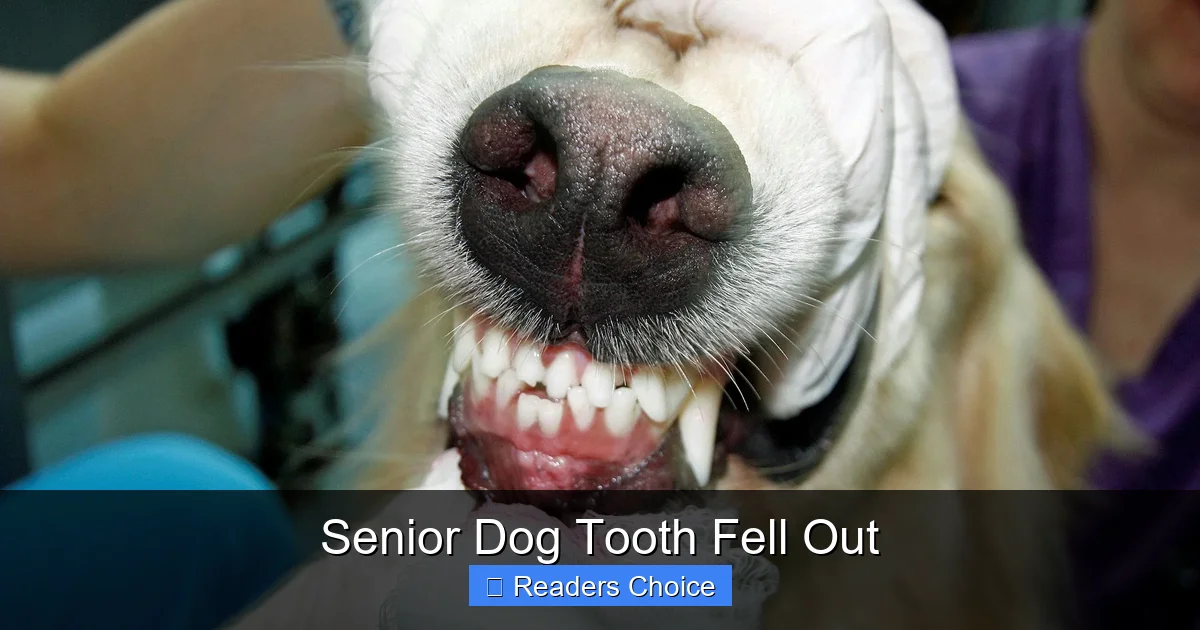
Visual guide about Senior Dog Tooth Fell Out
Image source: images.wagwalkingweb.com
You might not always catch a tooth falling out in the act. But there are several warning signs that your senior dog is dealing with dental issues—even before a tooth goes missing.
Common Symptoms to Watch For
- Bad breath (halitosis): While “dog breath” is common, a foul, persistent odor is a red flag. It’s often caused by bacteria in the mouth.
- Red, swollen, or bleeding gums: Healthy gums should be pink and firm. If they’re bright red, puffy, or bleed easily, it’s a sign of inflammation.
- Drooling more than usual: Excessive drooling can indicate pain or difficulty swallowing due to oral discomfort.
- Difficulty eating or chewing: Your dog may drop food, chew on one side of the mouth, or avoid hard kibble altogether.
- Pawing at the mouth or face: This is a clear sign of pain or irritation.
- Visible tartar or discolored teeth: Yellow or brown buildup on the teeth, especially near the gumline, is a sign of advanced plaque.
- Loose or missing teeth: This is the most obvious sign—but by the time it happens, the problem is usually severe.
If you notice any of these signs, it’s time to schedule a vet visit. The earlier you catch dental disease, the better the outcome for your dog.
What to Do If You Find a Lost Tooth
If you discover a tooth on the floor, in your dog’s food bowl, or stuck in a toy, don’t panic—but do act quickly.
First, try to locate the tooth. If it’s a baby tooth (small, sharp, and pointed), it might be normal—especially in puppies. But adult teeth should never fall out on their own.
Next, examine your dog’s mouth gently. Look for:
– A gap where the tooth used to be
– Swelling or redness around the area
– Pus or discharge
– A foul smell
If the socket looks raw, bleeding, or infected, your dog needs veterinary care immediately. Even if the area seems okay, it’s still important to see a vet. A missing tooth can leave the root exposed, leading to infection or abscess formation.
When to See a Veterinarian
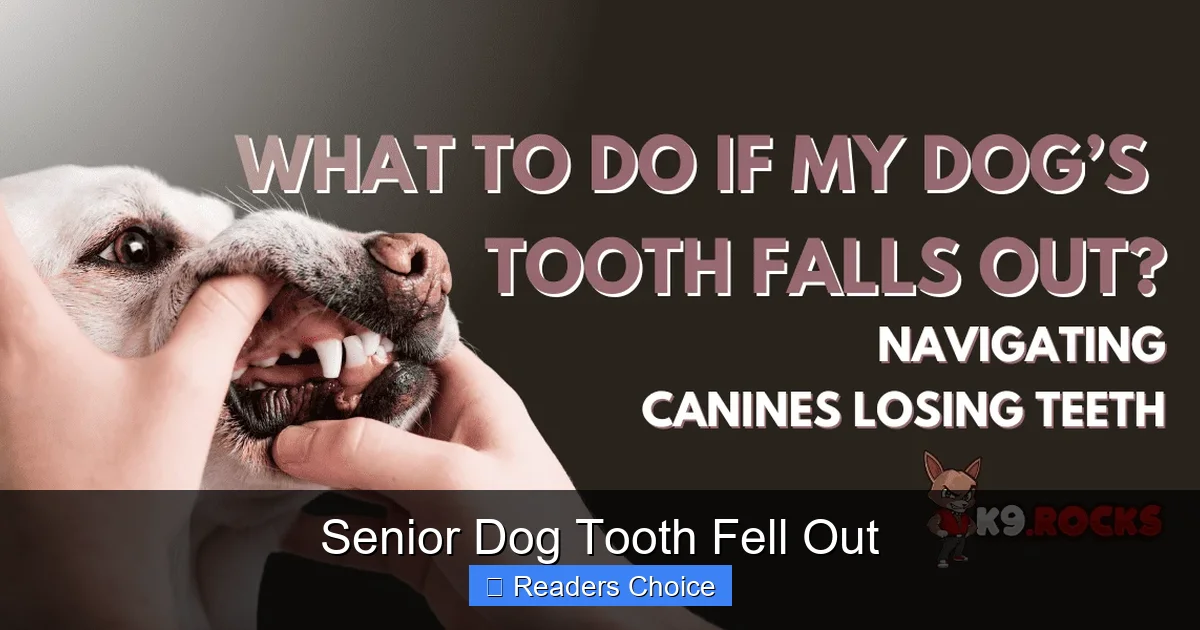
Visual guide about Senior Dog Tooth Fell Out
Image source: k9.rocks
Not every loose tooth requires an emergency trip to the vet—but most do. Here’s when you should seek professional help right away:
- Your dog is in visible pain (whining, shaking, refusing to eat)
- There’s swelling, pus, or a foul odor from the mouth
- The tooth fell out suddenly or after trauma (e.g., chewing a hard toy or getting hit)
- Your dog is drooling excessively or bleeding from the mouth
- You notice a change in behavior, such as lethargy or irritability
Even if your dog seems fine, it’s wise to schedule a dental exam. Vets can assess the extent of the damage, take X-rays to check for hidden problems (like root fractures or bone loss), and recommend treatment.
The Importance of Dental X-Rays
One of the biggest misconceptions about dog dental care is that a visual exam is enough. But up to 60% of dental disease occurs below the gumline—where you can’t see it. That’s why dental X-rays are essential.
During a full dental cleaning under anesthesia, vets can take X-rays of every tooth. This allows them to:
– Detect hidden abscesses or infections
– Assess bone loss around the roots
– Identify cracked or fractured teeth
– Determine if a tooth needs extraction
Without X-rays, many problems go undiagnosed—and untreated. That’s why anesthesia-free “cleanings” offered by some groomers or mobile services are not a substitute for a full veterinary dental procedure.
What Happens During a Dental Procedure?
If your vet recommends a dental cleaning or extraction, here’s what to expect:
Your dog will be placed under general anesthesia—this is safe for most senior dogs when properly monitored. The vet will:
1. Perform a full oral exam
2. Take dental X-rays
3. Scale and polish all teeth (removing plaque and tartar above and below the gumline)
4. Extract any severely damaged or infected teeth
5. Apply a fluoride treatment or sealant if needed
After the procedure, your dog may need pain medication, antibiotics, or a soft diet for a few days. Most dogs recover quickly and feel much better once the source of pain is removed.
How to Care for Your Senior Dog’s Teeth at Home
Prevention is the best medicine—especially for senior dogs. While you can’t reverse advanced dental disease, you can slow its progression and keep your dog more comfortable.
Daily Tooth Brushing
Yes, brushing your dog’s teeth really works—and it’s the gold standard of at-home dental care. Aim to brush daily, or at least 3–4 times a week.
Use a dog-specific toothbrush (finger brushes work well for small dogs) and enzymatic toothpaste (never human toothpaste—it’s toxic to dogs). Focus on the outer surfaces of the teeth, especially the back molars where plaque builds up fastest.
If your dog resists brushing, start slowly. Let them lick the toothpaste, then gently touch their teeth with the brush. Reward with praise and treats. Over time, most dogs accept—or even enjoy—the routine.
Dental Chews and Toys
Not all chews are created equal. Look for products approved by the Veterinary Oral Health Council (VOHC), which have been proven to reduce plaque and tartar.
Good options include:
– Rubber chew toys (like Kongs or Nylabones)
– Dental chews (such as Greenies or Virbac C.E.T. chews)
– Raw bones (only under supervision—cooked bones can splinter)
Avoid hard toys like antlers, hooves, or nylon bones, which can crack teeth.
Dental Diets and Water Additives
Some dog foods are specially formulated to promote dental health. These kibbles are larger and have a unique texture that helps scrub teeth as your dog chews.
Water additives are another easy option. They contain enzymes or antimicrobial agents that reduce bacteria in the mouth. Just add a few drops to your dog’s water bowl daily.
Regular Vet Checkups
Even with great home care, senior dogs need professional dental cleanings. Most vets recommend annual dental exams, with cleanings every 1–2 years depending on your dog’s risk factors.
During these visits, your vet can catch problems early and adjust your dog’s care plan as needed.
Can a Senior Dog Live Comfortably After Losing a Tooth?
Absolutely. Many dogs live happy, pain-free lives after losing one or more teeth—especially if the underlying infection is treated.
Dogs are remarkably adaptable. Once a painful tooth is removed, they often start eating better, playing more, and showing improved energy levels. In fact, many pet parents report that their senior dogs seem “younger” after dental treatment.
That said, tooth loss can affect chewing, especially if multiple back teeth are missing. You may need to switch to a softer diet or soak kibble in water or broth to make it easier to eat.
Avoid giving your dog hard treats or toys that could irritate the gums or damage remaining teeth. And continue with daily dental care to protect the teeth your dog still has.
Preventing Future Dental Problems
The best way to handle a senior dog’s tooth loss is to prevent it from happening in the first place. Here’s how:
- Start dental care early: Even if your dog is older, it’s never too late to begin brushing or using dental products.
- Feed a balanced diet: Avoid excessive soft foods. Choose high-quality kibble or dental diets when possible.
- Limit sugary treats: Just like in humans, sugar feeds bacteria in the mouth. Opt for healthy, low-sugar alternatives.
- Monitor chewing habits: If your dog suddenly stops chewing toys or starts favoring one side of the mouth, it could signal pain.
- Stay consistent: Dental care isn’t a one-time fix. It requires daily effort and regular vet visits.
Remember, a healthy mouth contributes to overall health. Studies show that dogs with good dental care live longer, healthier lives. By taking care of your senior dog’s teeth, you’re not just preventing bad breath—you’re protecting their heart, kidneys, and immune system.
Final Thoughts: Your Senior Dog Deserves a Pain-Free Smile
Finding out that your senior dog’s tooth fell out can be unsettling, but it’s not the end of the world. With prompt veterinary care and consistent home maintenance, your dog can enjoy a comfortable, happy life—even with fewer teeth.
The key is to act quickly. Don’t wait for more teeth to fall out or for your dog to show obvious signs of pain. Schedule a dental exam, follow your vet’s recommendations, and commit to daily care.
Your senior dog has given you years of love and loyalty. Now it’s your turn to give back—by ensuring their golden years are as healthy and pain-free as possible. A little attention to their teeth today can make a big difference in their quality of life tomorrow.
Frequently Asked Questions
Is it normal for a senior dog to lose teeth?
No, it’s not normal. Unlike humans, dogs don’t naturally lose adult teeth as they age. Tooth loss in senior dogs is almost always due to advanced dental disease, infection, or trauma and requires veterinary attention.
Can a dog live comfortably after losing a tooth?
Yes, most dogs adapt well after losing a tooth, especially if the source of pain is removed. They can still eat, play, and enjoy life—especially with proper care and a soft diet if needed.
How can I prevent my senior dog from losing more teeth?
Brush your dog’s teeth daily, provide dental chews approved by the VOHC, use water additives, feed a dental diet if recommended, and schedule regular veterinary dental exams and cleanings.
Should I be worried if my dog’s tooth fell out suddenly?
Yes, sudden tooth loss can indicate severe infection, abscess, or trauma. Even if your dog seems fine, see a vet promptly to check for hidden damage and prevent complications.
Are anesthesia-free dental cleanings safe for senior dogs?
No, they are not a substitute for full veterinary dental care. Anesthesia allows vets to examine below the gumline, take X-rays, and properly clean and treat all teeth—something impossible without sedation.
What should I feed my senior dog after a tooth extraction?
Your vet may recommend a soft diet for a few days to a week. You can soak kibble in warm water or broth, or feed wet food. Avoid hard treats until your vet says it’s safe.