
Senior Dog Suddenly Doesn’t Want to Come Inside


Adjustable Bed Frame

Large Button TV Remote

Reading Light for Bed
If your senior dog suddenly doesn’t want to come inside, it’s often a sign of discomfort, fear, or an underlying health issue. Understanding the root cause—whether it’s pain, anxiety, or environmental changes—can help you respond with compassion and care to restore your dog’s routine and well-being.
Key Takeaways
- Health issues like arthritis or vision loss can make indoor spaces uncomfortable or confusing for senior dogs. Pain when walking on hard floors or navigating stairs may discourage them from coming inside.
- Anxiety or fear, especially after a traumatic event, can cause dogs to avoid familiar spaces. Loud noises, new people, or changes in routine may trigger this behavior.
- Cognitive dysfunction syndrome (similar to dementia in humans) affects many older dogs. Disorientation and confusion can lead to reluctance to enter the house.
- Environmental factors such as temperature, lighting, or odors may deter your dog. A drafty entryway or strong cleaning smells could be off-putting.
- Behavioral changes in senior dogs should never be ignored. Sudden refusal to come inside warrants a vet visit to rule out medical causes.
- Creating a safe, inviting indoor environment can encourage your dog to return. Use ramps, non-slip mats, and cozy bedding to reduce physical strain.
- Patience, routine, and positive reinforcement are key to helping your senior dog feel secure. Never force your dog inside—gentle encouragement works best.
📑 Table of Contents
Why Your Senior Dog Suddenly Doesn’t Want to Come Inside
It’s a quiet evening. You call your senior dog in from the yard, just like you have every day for the past ten years. But tonight, something’s different. He sits by the door, ears back, tail low. He looks at you, then turns away, refusing to budge. You try treats, your happiest voice, even a favorite toy—but nothing works. He just won’t come inside.
If this sounds familiar, you’re not alone. Many dog owners experience this puzzling shift in behavior, especially as their pets age. While it might seem like stubbornness or a sudden attitude change, the truth is often far more complex—and deeply rooted in your dog’s physical and emotional well-being.
Senior dogs, typically those over seven years old (depending on breed and size), undergo significant changes. Their bodies slow down, their senses dull, and their minds may begin to wander in ways that aren’t immediately obvious. What looks like defiance could actually be fear, pain, or confusion. The good news? Most of these issues are manageable—once you understand what’s really going on.
In this article, we’ll explore the common reasons why a senior dog might suddenly refuse to come inside, how to identify the underlying cause, and what you can do to help your beloved companion feel safe and comfortable again. Whether it’s a medical condition, environmental trigger, or behavioral shift, we’ll walk you through practical solutions with empathy and clarity.
Common Health Issues That Affect Senior Dogs
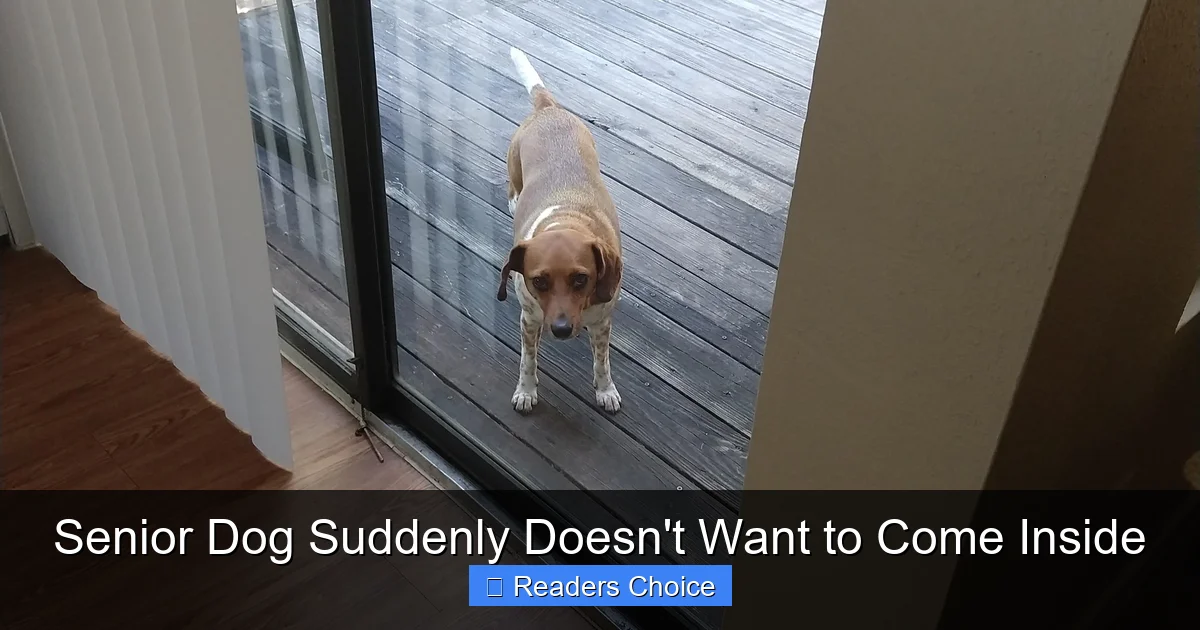
Visual guide about Senior Dog Suddenly Doesn’t Want to Come Inside
Image source: i.redd.it
When a senior dog suddenly doesn’t want to come inside, the first thing to consider is their health. As dogs age, they become more susceptible to a range of medical conditions that can affect mobility, comfort, and overall quality of life. Ignoring these signs can lead to worsening symptoms, so early detection is crucial.
Arthritis and Joint Pain
One of the most common culprits behind reluctance to enter the house is arthritis. This degenerative joint disease affects up to 20% of dogs over the age of one, and the risk increases significantly with age. Arthritis causes inflammation, stiffness, and pain in the joints—especially in the hips, knees, and spine.
Imagine trying to walk across a cold, slippery kitchen floor when your hips ache and your knees are stiff. That’s what it might feel like for your dog. Hardwood, tile, or linoleum floors can be especially painful for arthritic dogs, making the journey from the door to their bed feel like a marathon.
Signs to watch for:
– Limping or favoring one leg
– Difficulty standing up after resting
– Reluctance to jump on furniture or climb stairs
– Stiffness after waking up
If your dog hesitates at the threshold or seems to “think twice” before stepping inside, it could be because the indoor environment is physically uncomfortable. Even a short walk from the door to the living room might be too much when every step sends a jolt of pain through their joints.
Vision and Hearing Loss
As dogs age, their senses naturally decline. Cataracts, glaucoma, and other eye conditions can lead to partial or complete vision loss. Similarly, age-related hearing loss (presbycusis) can make dogs less responsive to calls or commands.
A dog with poor vision might be hesitant to enter a dimly lit house, especially if the lighting has changed recently. Shadows, reflections, or unfamiliar objects can appear threatening or confusing. They may not recognize doorways or hallways the way they used to, leading to hesitation or avoidance.
Hearing loss can also play a role. If your dog can’t clearly hear you calling them, they might not respond—even if they want to come in. This can be mistaken for disobedience, but it’s really a communication barrier.
Tip: Use consistent verbal cues and hand signals. Keep indoor lighting soft but adequate, and avoid rearranging furniture, which can disorient a visually impaired dog.
Cognitive Dysfunction Syndrome (CDS)
Often called “doggy dementia,” cognitive dysfunction syndrome affects up to 68% of dogs over the age of 15. It’s similar to Alzheimer’s in humans and can cause confusion, disorientation, and changes in behavior.
Dogs with CDS may forget familiar routines, get lost in their own home, or seem anxious for no apparent reason. They might stand at the door, unsure whether to go in or out, or wander aimlessly once inside. This mental fog can make the simple act of coming indoors feel overwhelming.
Symptoms of CDS include:
– Sleeping more during the day and being restless at night
– Forgetting house training
– Staring at walls or into space
– Reduced interaction with family members
If your senior dog suddenly doesn’t want to come inside and seems mentally “checked out,” CDS could be the cause. While there’s no cure, medications, supplements, and environmental enrichment can help slow progression and improve quality of life.
Other Medical Concerns
Other health issues can also contribute to this behavior:
– **Bladder or bowel problems:** A dog with incontinence or frequent urination may avoid coming inside to prevent accidents.
– **Dental pain:** Toothaches or gum disease can make eating or drinking uncomfortable, leading to general irritability and reluctance to engage.
– **Heart or respiratory conditions:** These can cause fatigue, making movement more difficult.
The bottom line? Any sudden change in behavior—especially in an older dog—should prompt a visit to the veterinarian. Many of these conditions are treatable or manageable with the right care.
Behavioral and Emotional Factors
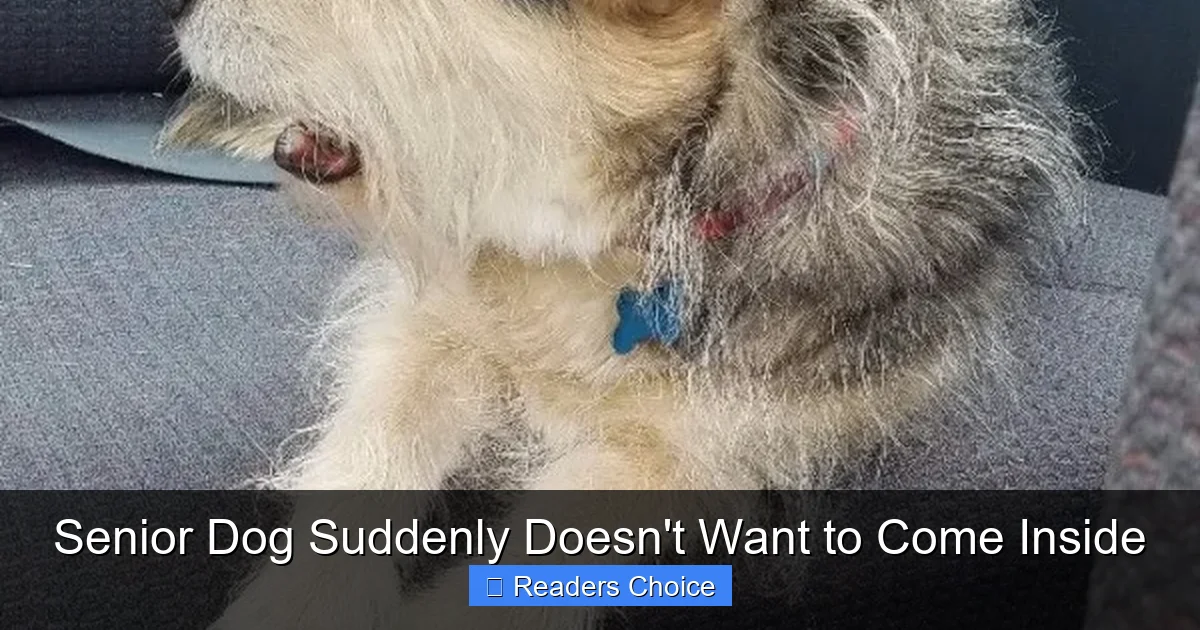
Visual guide about Senior Dog Suddenly Doesn’t Want to Come Inside
Image source: img.thrfun.com
Not all reasons for refusing to come inside are physical. Sometimes, the cause is emotional or psychological. Senior dogs, like humans, can experience anxiety, fear, and stress—especially when their world changes.
Anxiety and Fear Responses
A sudden refusal to enter the house might be triggered by a traumatic event. Did your dog recently experience a loud noise (like fireworks or construction), a fall, or an encounter with another animal? Even a minor scare can leave a lasting impression.
Dogs are creatures of habit. If something negative happened near the doorway—like slipping on the floor or being startled by a sudden noise—they may associate the entrance with danger. This creates a conditioned fear response, making them hesitant to return.
For example, imagine your dog slipped on the kitchen floor last week while trying to come in. Now, every time they approach the door, they remember that moment of panic. Their instinct tells them: “Stay outside. It’s safer.”
This kind of fear-based avoidance is common and treatable with patience and positive reinforcement.
Changes in Routine or Environment
Senior dogs thrive on routine. Any disruption—such as a new pet, a move, a family member leaving, or even a change in your work schedule—can cause stress. If your dog suddenly doesn’t want to come inside, consider what’s changed recently.
Did you start working from home less? Is there a new baby in the house? Has the dog been left alone more often? These shifts can make indoor spaces feel less predictable or safe.
Even small changes matter. A new air freshener, a rearranged living room, or a different type of flooring can be disorienting. Your dog might not recognize their favorite spot or feel uneasy in a space that no longer “smells” like home.
Tip: Maintain a consistent daily schedule for feeding, walks, and bedtime. Use familiar scents (like a blanket with your scent) to create a sense of security.
Separation Anxiety
While often associated with younger dogs, separation anxiety can develop or worsen in senior dogs—especially if they’ve experienced a loss (like the death of a companion pet or owner). If your dog becomes anxious when you leave, they may resist coming inside because they fear being left alone.
This can create a vicious cycle: the dog stays outside to avoid being alone indoors, which increases your concern, leading to more stress for both of you.
Signs of separation anxiety in senior dogs:
– Excessive barking or howling when left alone
– Destructive behavior (chewing, scratching doors)
– Pacing or restlessness
– Reluctance to enter the house when you’re not present
Addressing separation anxiety often involves gradual desensitization, calming aids, and sometimes professional training or medication.
Environmental Triggers and Home Setup
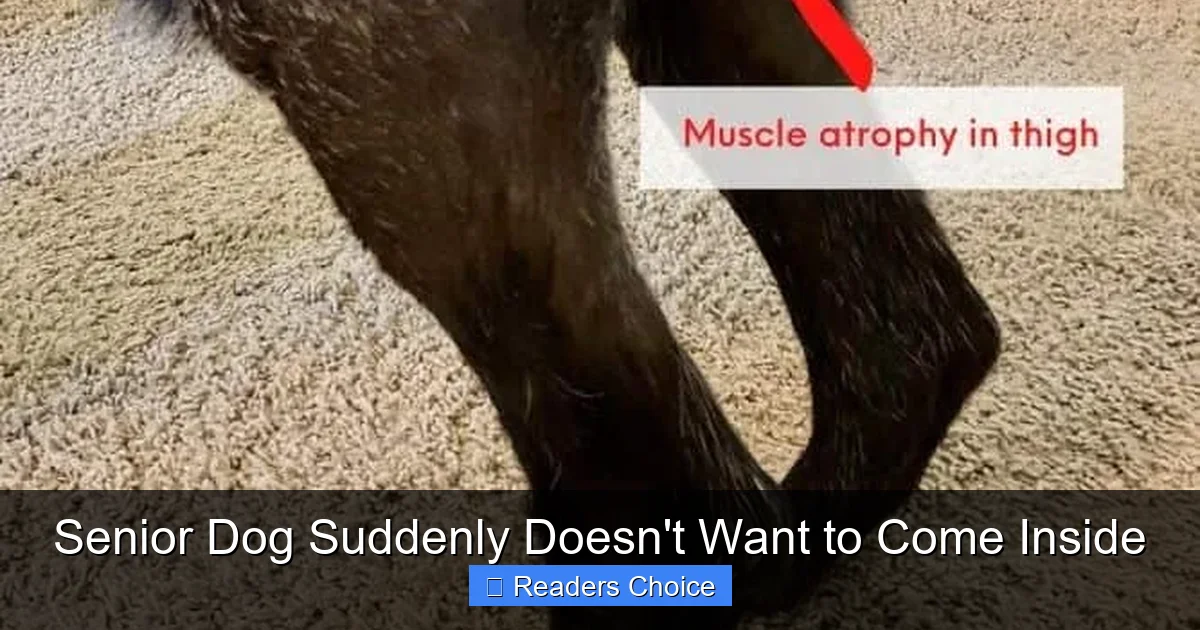
Visual guide about Senior Dog Suddenly Doesn’t Want to Come Inside
Image source: naturalpetshq.com
Sometimes, the problem isn’t the dog—it’s the environment. The indoor space you take for granted might be uncomfortable, confusing, or even frightening for your senior pet.
Temperature and Drafts
Older dogs are more sensitive to temperature changes. They may avoid coming inside if the house is too cold, especially in winter. Drafts near doors or windows can make entryways feel unwelcoming.
Conversely, in summer, a poorly ventilated home might feel stuffy or hot. If your dog prefers the cooler outdoor shade, they may resist coming in during the day.
Solution: Use a pet-safe space heater or fan to regulate temperature. Ensure the entryway is draft-free and consider a heated dog bed for added comfort.
Lighting and Visibility
Dim lighting can be a major deterrent for dogs with declining vision. If the house is dark when they’re outside in daylight, they may hesitate to enter, fearing they can’t see where they’re going.
Install soft nightlights in hallways and near the door. Avoid sudden bright lights, which can be startling. Motion-activated lights can help, but make sure they’re not too harsh.
Odors and Cleaning Products
Strong smells from cleaning products, air fresheners, or cooking can be overwhelming for senior dogs, whose sense of smell remains sharp even as other senses fade. A recently cleaned floor with chemical residue might smell “wrong” or even toxic to them.
Use pet-safe, fragrance-free cleaners. Allow surfaces to dry completely before letting your dog walk on them. Avoid plug-in air fresheners or scented candles near entryways.
Floor Surfaces and Mobility
Slippery floors are a common issue. Hardwood, tile, and vinyl can be treacherous for dogs with arthritis or weak legs. A single slip can create lasting fear.
Solution: Place non-slip mats or rugs near the door and along common pathways. Consider installing carpet runners or using adhesive grip strips on smooth surfaces.
How to Help Your Senior Dog Feel Safe Indoors
Once you’ve identified potential causes, it’s time to take action. The goal is to make coming inside a positive, comfortable experience—not a chore or a challenge.
Create a Welcoming Entryway
Make the transition from outside to inside as smooth as possible:
– Install a ramp if there are steps.
– Use a non-slip mat at the door.
– Keep the area well-lit and clutter-free.
– Place a familiar bed or blanket just inside the door.
This gives your dog a safe “landing zone” where they can rest and feel secure.
Use Positive Reinforcement
Never force or scold your dog for refusing to come in. This can increase fear and damage trust. Instead, use treats, praise, and gentle encouragement.
Try this:
1. Stand at the door with a high-value treat (like cooked chicken or cheese).
2. Call your dog in a calm, happy voice.
3. When they take a step inside, reward immediately.
4. Gradually increase the distance they need to walk for a reward.
Over time, your dog will associate coming inside with good things.
Establish a Routine
Consistency is key. Feed, walk, and call your dog in at the same times each day. This predictability reduces anxiety and helps them feel in control.
If your dog still resists, try shortening the outdoor time. A quick potty break followed by immediate indoor rewards can build positive associations.
Consult Your Veterinarian
If the behavior persists, schedule a vet visit. Bloodwork, X-rays, and a neurological exam can rule out serious conditions. Your vet may recommend pain medication, supplements (like glucosamine or CBD), or behavioral therapy.
In some cases, a referral to a veterinary behaviorist may be helpful, especially if anxiety or CDS is suspected.
When to Seek Professional Help
While many cases of refusal to come inside can be managed at home, some situations require expert intervention.
Seek help if:
– Your dog shows signs of pain (whimpering, limping, reluctance to move)
– They appear disoriented or lost indoors
– The behavior starts suddenly and worsens quickly
– They stop eating, drinking, or using the bathroom normally
These could indicate a medical emergency, such as a stroke, infection, or neurological disorder.
Don’t wait. Early intervention can make a huge difference in your dog’s comfort and longevity.
Conclusion
If your senior dog suddenly doesn’t want to come inside, it’s rarely just a phase or a test of your patience. More often than not, it’s a cry for help—a signal that something in their world has shifted, and they’re struggling to cope.
Whether it’s arthritis making the floor feel like ice, confusion from cognitive decline, or fear from a past experience, your dog’s behavior is rooted in real discomfort. By approaching the issue with empathy, observation, and action, you can help restore their confidence and comfort.
Start with a vet visit to rule out medical causes. Then, evaluate your home environment—lighting, flooring, smells, and routines—and make adjustments to support your dog’s needs. Use positive reinforcement, not pressure, to encourage indoor time.
Remember: your senior dog has given you years of love, loyalty, and joy. Now, it’s your turn to give back—with patience, understanding, and a little extra care. With the right support, your faithful companion can continue to enjoy their golden years, safe and sound—right where they belong: by your side, inside the warmth of home.
Frequently Asked Questions
Why is my senior dog suddenly refusing to come inside?
This behavior is often linked to pain, fear, or confusion. Common causes include arthritis, vision loss, anxiety, or cognitive dysfunction. A vet visit is recommended to rule out medical issues.
Could my dog be scared of something inside the house?
Yes. Loud noises, new smells, or a past traumatic event near the door can create fear. Dogs may associate the indoor space with danger, especially if they’ve slipped or been startled recently.
How can I make coming inside more comfortable for my senior dog?
Use non-slip mats, soft lighting, and a cozy bed near the door. Maintain a consistent routine and reward your dog with treats and praise when they come in willingly.
Is cognitive dysfunction common in older dogs?
Yes. Cognitive dysfunction syndrome affects many dogs over 11–15 years old. Symptoms include disorientation, changes in sleep patterns, and house soiling. Medications and enrichment can help manage it.
Should I force my dog to come inside if they refuse?
No. Forcing can increase fear and damage trust. Instead, use gentle encouragement, high-value treats, and patience. If the behavior persists, consult your veterinarian.
Can weather affect my dog’s willingness to come inside?
Absolutely. Extreme cold, heat, or humidity can make outdoor or indoor environments uncomfortable. Senior dogs are especially sensitive to temperature changes and may seek shelter accordingly.