
Senior Dog Peeing in Sleep


Hearing Aid Cleaning Kit

Bed Exit Alarm Sensor

Adaptive Eating Utensils
Senior dog peeing in sleep can be distressing, but it’s often manageable with proper care. This guide covers medical causes, behavioral factors, and practical solutions to support your aging dog’s health and dignity.
Key Takeaways
- Medical conditions like kidney disease or UTIs are common causes: These issues weaken bladder control and require veterinary diagnosis and treatment.
- Cognitive dysfunction syndrome (CDS) affects senior dogs: Similar to dementia in humans, CDS can lead to confusion and accidents during sleep.
- Hormonal imbalances, especially in spayed females, contribute to incontinence: Estrogen deficiency can weaken the urethral sphincter muscle.
- Medications and supplements can help manage symptoms: Drugs like phenylpropanolamine or natural remedies may improve bladder tone.
- Lifestyle adjustments make a big difference: Frequent potty breaks, waterproof bedding, and easy access to outdoor areas reduce accidents.
- Never punish your dog for accidents: Incontinence is involuntary—positive reinforcement and patience are key.
- Regular vet checkups are essential: Early detection of underlying issues improves outcomes and quality of life.
📑 Table of Contents
- Understanding Why Senior Dogs Pee in Their Sleep
- Common Medical Causes of Incontinence in Senior Dogs
- Behavioral and Age-Related Factors
- Diagnosing the Underlying Cause
- Treatment and Management Options
- How to Care for Your Senior Dog with Incontinence
- When to Seek Immediate Veterinary Care
- Conclusion
Understanding Why Senior Dogs Pee in Their Sleep
Watching your beloved senior dog wake up in a puddle can be heartbreaking. You might feel frustrated, confused, or even embarrassed—but please know this: you’re not alone. Many dog owners face this challenge as their pets age. Senior dog peeing in sleep is more common than you think, and while it’s rarely a sign of intentional misbehavior, it often signals an underlying health or behavioral issue that deserves attention.
As dogs grow older, their bodies undergo natural changes. Muscles weaken, organs slow down, and cognitive functions may decline. The urinary system is no exception. The bladder muscles may lose tone, the urethral sphincter (the muscle that holds urine in) may become less effective, and the brain’s ability to signal the need to urinate can become impaired. These changes can lead to involuntary urination—especially during sleep, when the dog is relaxed and less aware of bodily functions.
It’s important to approach this issue with empathy and patience. Your dog isn’t doing this on purpose. In fact, many senior dogs are deeply distressed by these accidents, even if they can’t express it. The good news? Most causes of senior dog peeing in sleep are treatable or manageable with the right care, medical support, and lifestyle adjustments. By understanding the root causes and taking proactive steps, you can help your furry friend stay comfortable, clean, and happy in their golden years.
Common Medical Causes of Incontinence in Senior Dogs
Visual guide about Senior Dog Peeing in Sleep
Image source: koala.sh
When your senior dog starts peeing in their sleep, the first step should always be a visit to the veterinarian. While it’s tempting to assume it’s just “old age,” many medical conditions can cause or contribute to urinary incontinence. Identifying and treating these issues early can significantly improve your dog’s quality of life.
Urinary Tract Infections (UTIs)
One of the most common—and often overlooked—causes of incontinence in older dogs is a urinary tract infection. UTIs occur when bacteria enter the urinary system and multiply, leading to inflammation, discomfort, and a frequent, urgent need to urinate. In senior dogs, the immune system may be weaker, making them more susceptible.
Symptoms of a UTI include frequent urination, straining to pee, blood in the urine, and accidents in the house—even during sleep. Your vet can diagnose a UTI with a simple urine test and prescribe antibiotics to clear the infection. Once treated, incontinence often resolves quickly.
Kidney Disease
Chronic kidney disease is prevalent in older dogs and can lead to increased thirst and urination. As the kidneys lose their ability to concentrate urine, dogs produce larger volumes of dilute urine. This can overwhelm the bladder’s capacity, especially at night when the dog is lying down and gravity isn’t helping to retain urine.
Kidney disease is typically managed with dietary changes, hydration support, and medications. While it may not be curable, early intervention can slow progression and reduce symptoms like nighttime accidents.
Hormonal Imbalance (Especially in Spayed Females)
Spayed female dogs are particularly prone to a condition called hormone-responsive incontinence. After spaying, estrogen levels drop significantly. Estrogen helps maintain the strength of the urethral sphincter muscle—the gatekeeper that keeps urine in the bladder. When this muscle weakens, urine can leak out, especially when the dog is relaxed or sleeping.
This type of incontinence often develops months or even years after spaying and can be managed with medications like phenylpropanolamine (PPA) or estrogen supplements such as diethylstilbestrol (DES). Your vet can determine the best treatment based on your dog’s health and history.
Prostate Issues in Intact Males
Male dogs that haven’t been neutered may develop prostate enlargement or infections as they age. An enlarged prostate can press on the urethra, causing incomplete bladder emptying. This leads to residual urine in the bladder, which can leak out during sleep.
Neutering is often recommended for intact senior males with prostate issues, as it can reduce swelling and improve urinary function. Infections may require antibiotics.
Cognitive Dysfunction Syndrome (CDS)
Often compared to Alzheimer’s disease in humans, cognitive dysfunction syndrome affects up to 68% of dogs over the age of 15. Dogs with CDS may forget house training, become disoriented, or fail to recognize the need to go outside. They might urinate in their sleep simply because their brain no longer sends the right signals.
Signs of CDS include confusion, changes in sleep patterns, reduced interaction, and house soiling. While there’s no cure, medications like selegiline and supportive care—such as routine, mental stimulation, and calming supplements—can help manage symptoms.
Behavioral and Age-Related Factors
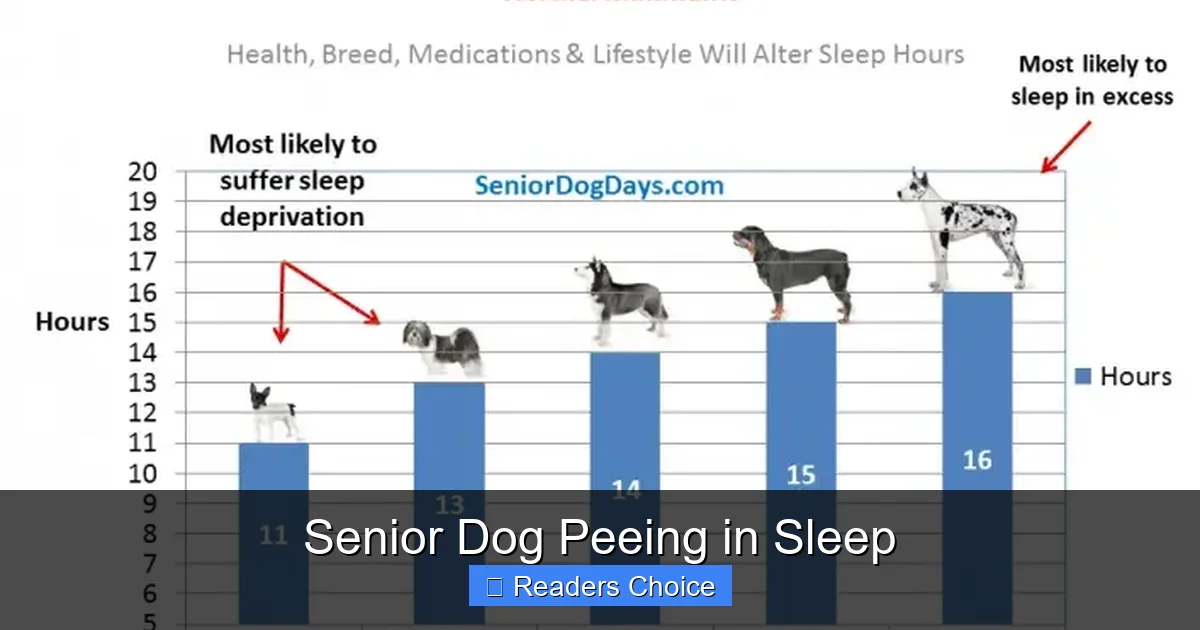
Visual guide about Senior Dog Peeing in Sleep
Image source: seniordogdays.com
Not all cases of senior dog peeing in sleep are due to disease. Sometimes, the cause is a combination of aging, lifestyle, and behavioral changes. Understanding these factors can help you create a more supportive environment for your dog.
Weakened Bladder and Sphincter Muscles
As dogs age, the muscles that control urination naturally lose strength. The detrusor muscle (which contracts to release urine) and the urethral sphincter (which holds urine in) may not function as efficiently. This is especially true in smaller breeds, which are more prone to urinary incontinence.
This weakening can lead to dribbling, especially when the dog shifts position while sleeping. It’s not painful, but it can be messy and uncomfortable for your dog.
Reduced Mobility and Access to Outdoor Areas
Arthritis, hip dysplasia, and other mobility issues are common in senior dogs. If your dog struggles to get up, walk, or climb stairs, they may not make it to their designated potty area in time—especially at night. Lying down for long periods can also increase pressure on the bladder, leading to leaks.
Improving accessibility—such as using ramps, placing potty pads near their bed, or installing doggy doors—can reduce accidents and give your dog more independence.
Changes in Sleep Patterns
Older dogs often sleep more deeply or experience fragmented sleep. During deep sleep, the body is more relaxed, and the brain may not respond to bladder fullness. Additionally, dogs with CDS may sleep at odd hours, increasing the chance of accidents during unsupervised periods.
Maintaining a consistent daily routine—with regular meal times, walks, and bathroom breaks—can help regulate your dog’s internal clock and reduce nighttime confusion.
Stress and Anxiety
Just like humans, dogs can experience stress and anxiety as they age. Changes in the household, loss of a companion, or fear of loud noises (like thunderstorms) can trigger incontinence. Anxiety may cause a dog to urinate submissively or lose control during sleep.
Creating a calm, predictable environment—using pheromone diffusers, soft bedding, and gentle reassurance—can help ease your dog’s stress and reduce accidents.
Diagnosing the Underlying Cause

Visual guide about Senior Dog Peeing in Sleep
Image source: puppysimply.com
If your senior dog is peeing in their sleep, a thorough veterinary evaluation is essential. Your vet will likely start with a physical exam and a detailed history, including when the accidents began, how often they occur, and any other symptoms.
Urinalysis and Blood Work
A urinalysis checks for signs of infection, blood, crystals, or abnormal protein levels. Blood work can reveal kidney function, liver health, and signs of systemic illness. These tests are crucial for ruling out UTIs, kidney disease, and diabetes.
Ultrasound or X-rays
Imaging tests can help identify structural issues like bladder stones, tumors, or prostate enlargement. An ultrasound provides a detailed view of the bladder and surrounding organs, while X-rays can detect larger abnormalities.
Neurological Assessment
If cognitive dysfunction is suspected, your vet may evaluate your dog’s mental state, reflexes, and coordination. They may also ask about changes in behavior, sleep, and interaction.
Specialized Tests
In some cases, your vet may recommend a urine culture (to identify specific bacteria), a thyroid panel (to check for hormonal imbalances), or a bladder pressure test (to assess muscle function).
Once a diagnosis is made, your vet can recommend a treatment plan tailored to your dog’s needs. Early intervention often leads to better outcomes and can prevent complications like skin irritation or urinary tract damage.
Treatment and Management Options
The good news is that most cases of senior dog peeing in sleep can be managed effectively—sometimes even resolved. Treatment depends on the underlying cause, but a combination of medical, behavioral, and environmental strategies usually works best.
Medications
– Phenylpropanolamine (PPA): Commonly prescribed for hormone-responsive incontinence, PPA helps tighten the urethral sphincter. It’s available in pill form and is usually well-tolerated.
– Estrogen supplements (e.g., DES): Used primarily in spayed females, these can improve urethral tone. They require careful monitoring due to potential side effects.
– Antibiotics: For UTIs or prostate infections, a course of antibiotics can clear the infection and restore normal urination.
– Selegiline: Approved for cognitive dysfunction, this medication can improve mental clarity and reduce confusion-related accidents.
Always follow your vet’s instructions and monitor for side effects like increased thirst, restlessness, or digestive upset.
Natural and Supportive Therapies
– Pumpkin supplements: High in fiber, pumpkin can help regulate digestion and reduce straining, which may indirectly support bladder health.
– Cranberry supplements: May help prevent UTIs by preventing bacteria from adhering to the bladder wall.
– Omega-3 fatty acids: Support brain and joint health, which can benefit dogs with CDS or arthritis.
– Acupuncture and physical therapy: Some owners report improvements in mobility and bladder control with these complementary therapies.
Lifestyle and Environmental Adjustments
– Frequent potty breaks: Take your dog out every 4–6 hours, especially before bedtime. Consider a nighttime potty run if your dog sleeps through the night.
– Waterproof bedding: Use washable, absorbent pads or orthopedic beds with waterproof covers to protect furniture and keep your dog dry.
– Potty pads or indoor grass patches: Place these near your dog’s sleeping area for easy access, especially if mobility is an issue.
– Ramps and non-slip flooring: Help your dog navigate safely and reduce the risk of accidents due to slipping or falling.
Routine and Consistency
Dogs thrive on routine. Feed your dog at the same times each day, take them out on a schedule, and maintain a calm, predictable environment. This reduces stress and helps regulate bodily functions.
How to Care for Your Senior Dog with Incontinence
Caring for a dog who pees in their sleep requires patience, compassion, and a few practical strategies. Your goal is to keep your dog comfortable, clean, and dignified while minimizing stress for both of you.
Keep Your Dog Clean and Dry
Wet fur can lead to skin irritation, infections, and unpleasant odors. After an accident, gently clean your dog with a damp cloth or pet-safe wipes. Use a mild, fragrance-free cleanser to avoid irritation. Dry thoroughly, especially in skin folds.
Consider using dog diapers or belly bands (for males) to contain leaks. Choose breathable, absorbent products and change them frequently to prevent chafing.
Protect Your Home
Use washable rugs, waterproof mattress covers, and furniture protectors. Avoid carpeted areas if possible, as urine can seep in and cause lingering odors. Baking soda and enzymatic cleaners can help remove stains and smells from accidents.
Monitor for Skin Issues
Prolonged exposure to urine can cause urine scald—red, inflamed skin. Check your dog’s belly, legs, and tail area regularly. If you notice redness, sores, or hair loss, consult your vet. They may recommend medicated shampoos or topical treatments.
Provide Emotional Support
Your dog may feel confused or ashamed after an accident. Avoid scolding or punishment—this can increase anxiety and worsen the problem. Instead, offer gentle reassurance and positive reinforcement when they go outside.
Spend quality time together—gentle petting, short walks, or quiet companionship can boost their mood and sense of security.
Stay in Touch with Your Vet
Regular checkups are crucial for senior dogs. Even if your dog is on medication, their condition may change over time. Your vet can adjust dosages, monitor for side effects, and catch new issues early.
Keep a journal of accidents, noting time, frequency, and any triggers. This can help your vet assess progress and make informed decisions.
When to Seek Immediate Veterinary Care
While occasional accidents are common, certain signs warrant urgent attention. Contact your vet right away if your dog shows any of the following:
– Straining to urinate or crying in pain
– Blood in the urine
– Lethargy, vomiting, or loss of appetite
– Swollen abdomen or signs of distress
– Sudden inability to urinate (this is a medical emergency)
These symptoms could indicate a blocked urethra, severe infection, or other serious condition requiring immediate treatment.
Conclusion
Senior dog peeing in sleep is a challenging but manageable issue. With the right combination of veterinary care, lifestyle adjustments, and emotional support, you can help your aging companion live comfortably and with dignity. Remember, your dog isn’t choosing to have accidents—they’re dealing with changes beyond their control.
By staying informed, proactive, and compassionate, you’re giving your dog the best possible care in their golden years. Celebrate the small victories, cherish the moments of connection, and know that your love and patience make all the difference.
Frequently Asked Questions
Is it normal for senior dogs to pee in their sleep?
Yes, it’s relatively common due to age-related changes in bladder control, hormonal shifts, or medical conditions. However, it should always be evaluated by a vet to rule out treatable causes.
Can diet affect urinary incontinence in older dogs?
Yes. A balanced diet supports kidney and bladder health. Avoid excessive salt, which can increase thirst and urination. Some prescription diets are formulated to support urinary function.
Are dog diapers safe for long-term use?
Yes, if changed regularly and used with breathable materials. Poorly fitting or infrequently changed diapers can cause skin irritation or infections.
Can exercise help reduce incontinence?
Gentle, regular exercise can improve muscle tone and mobility, which may support bladder control. Avoid overexertion, especially in dogs with arthritis or heart conditions.
Will my dog ever stop peeing in their sleep?
It depends on the cause. Some dogs respond well to treatment and regain control, while others may need ongoing management. The goal is comfort and quality of life.
Should I restrict water before bedtime?
No—dehydration is dangerous, especially for senior dogs. Instead, offer water earlier in the evening and take your dog out right before bed.