
Senior Dog Hind Leg Weakness


Leg Massager for Circulation

Puzzle Book for Seniors

Non-Slip Bathroom Mat
Senior dog hind leg weakness is a common issue that can stem from arthritis, nerve damage, or muscle loss. Early detection and proper care—like joint supplements, physical therapy, and home modifications—can significantly improve your dog’s comfort and mobility.
Key Takeaways
- Hind leg weakness is common in older dogs: As dogs age, their muscles, joints, and nerves naturally deteriorate, leading to reduced strength and coordination in the back legs.
- Arthritis is a leading cause: Degenerative joint disease affects up to 20% of dogs over age one, causing pain, stiffness, and reluctance to move.
- Early signs include difficulty standing or climbing stairs: Watch for limping, dragging toes, or a swaying gait—these are red flags that shouldn’t be ignored.
- Veterinary diagnosis is essential: Conditions like degenerative myelopathy or spinal issues require professional evaluation to rule out serious underlying problems.
- Supportive care can make a big difference: Joint supplements (like glucosamine), weight management, and gentle exercise help maintain mobility and reduce pain.
- Home modifications improve safety: Ramps, non-slip flooring, and orthopedic beds reduce strain and prevent falls.
- Quality of life matters most: With the right care, many senior dogs continue to enjoy happy, active lives despite hind leg weakness.
📑 Table of Contents
Understanding Senior Dog Hind Leg Weakness
As our beloved dogs enter their golden years, we often notice subtle changes in their behavior and movement. One of the most concerning—and common—issues is hind leg weakness. You might see your once-bouncy pup struggle to stand up after a nap, hesitate before climbing stairs, or even wobble while walking. While it’s easy to dismiss these signs as “just getting old,” hind leg weakness in senior dogs is rarely just a normal part of aging. It’s usually a symptom of an underlying condition that deserves attention.
Hind leg weakness can range from mild stiffness to complete loss of function. Some dogs may simply walk more slowly or sit down unexpectedly, while others may drag their back paws or collapse. This decline not only affects their physical health but can also lead to emotional distress, loss of independence, and reduced quality of life. The good news? Many causes of hind leg weakness are manageable—and sometimes even reversible—with early intervention and proper care.
Why Does Hind Leg Weakness Happen in Older Dogs?
The back legs are responsible for much of a dog’s propulsion, balance, and support. As dogs age, several systems can begin to break down: muscles weaken, joints stiffen, and nerves may lose their efficiency. When one or more of these systems fail, the result is often weakness in the hind limbs. This isn’t just about being “slow” or “tired”—it’s a real medical issue that can stem from a variety of causes, some of which are treatable.
For example, a dog with arthritis may avoid using their back legs because it’s painful. A dog with nerve degeneration might not feel their paws properly, leading to dragging or stumbling. Even something as simple as muscle atrophy—loss of muscle mass from inactivity—can make it hard for a senior dog to support their own weight. Understanding the root cause is the first step toward helping your dog feel better and move more freely.
Common Causes of Hind Leg Weakness in Senior Dogs
There’s no single reason why senior dogs develop hind leg weakness. In fact, it’s often a combination of factors. However, certain conditions are more prevalent than others. Knowing what to look for can help you and your vet pinpoint the issue and start treatment sooner.
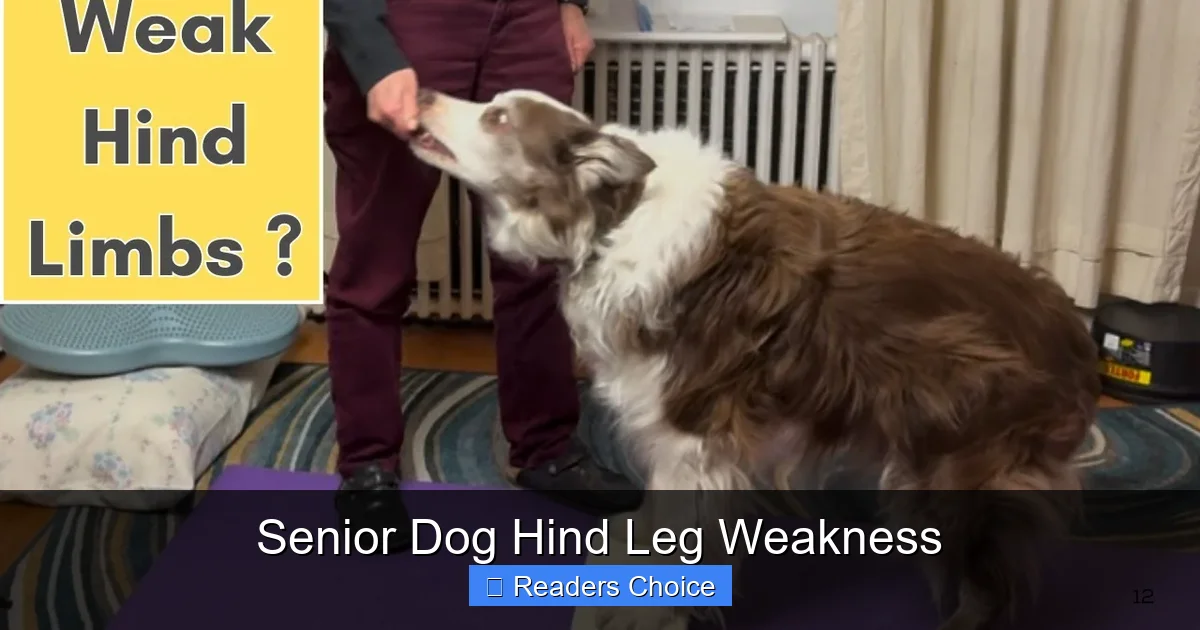
Visual guide about Senior Dog Hind Leg Weakness
Image source: i.ytimg.com
Arthritis and Joint Degeneration
Arthritis is one of the most frequent culprits behind hind leg weakness in older dogs. It occurs when the cartilage that cushions the joints wears down over time, leading to inflammation, pain, and stiffness. The hips, knees, and spine are especially vulnerable. Dogs with arthritis often show reluctance to jump, run, or climb stairs. They may also be stiff after resting and take longer to get up.
For instance, imagine your 12-year-old Labrador who used to leap into the car now hesitates at the edge of the back seat. He might try once, fail, and then sit down with a sigh. That’s not laziness—it’s pain. Arthritis can be managed with anti-inflammatory medications, joint supplements, weight control, and physical therapy. In some cases, injections or surgery may be recommended.
Degenerative Myelopathy
Degenerative myelopathy (DM) is a progressive disease of the spinal cord that affects older dogs, particularly large breeds like German Shepherds, Boxers, and Corgis. It starts with a slight wobble in the hind legs and gradually worsens, eventually leading to paralysis. Unlike arthritis, DM is not painful, but it does cause loss of coordination and muscle control.
One of the early signs is a “scuffing” or dragging of the back paws, which can wear down the nails unevenly. Dogs may also cross their back legs or have trouble balancing. While there’s no cure for DM, supportive care—like harnesses, physical therapy, and mobility carts—can help dogs stay mobile and comfortable for as long as possible.
Intervertebral Disc Disease (IVDD)
IVDD occurs when the discs between the vertebrae in the spine bulge or rupture, pressing on the spinal cord. This can cause pain, weakness, or even paralysis in the hind legs. Symptoms often come on suddenly and may include yelping, hunched back, reluctance to move, or loss of bladder control.
Small breeds like Dachshunds are especially prone to IVDD due to their long spines. If your dog shows signs of sudden hind leg weakness, seek veterinary care immediately. Treatment may include rest, medication, or surgery, depending on the severity.
Muscle Atrophy and Inactivity
When dogs slow down due to pain or age, their muscles begin to shrink from lack of use. This is called muscle atrophy. The hind legs, which bear much of the dog’s weight, are especially affected. A dog with weak back legs may struggle to stand, walk, or even go to the bathroom.
For example, a senior dog who spends most of the day lying down may develop noticeable thinning in their thigh muscles. This creates a vicious cycle: weak muscles make movement harder, which leads to more inactivity, which weakens the muscles further. Gentle, regular exercise—like short walks or swimming—can help rebuild strength and slow down atrophy.
Neurological Conditions
Problems with the nervous system can also lead to hind leg weakness. Conditions like lumbosacral stenosis (a narrowing of the spinal canal) or nerve compression can interfere with signals between the brain and the legs. Dogs may show signs like limping, dragging toes, or difficulty rising.
These issues often require imaging (like X-rays or MRIs) to diagnose. Treatment may include medication, surgery, or rehabilitation therapy. Early detection is key to preventing permanent damage.
Recognizing the Signs and Symptoms
Knowing what to watch for can help you catch hind leg weakness early—before it becomes severe. While every dog is different, there are common signs that something might be wrong.
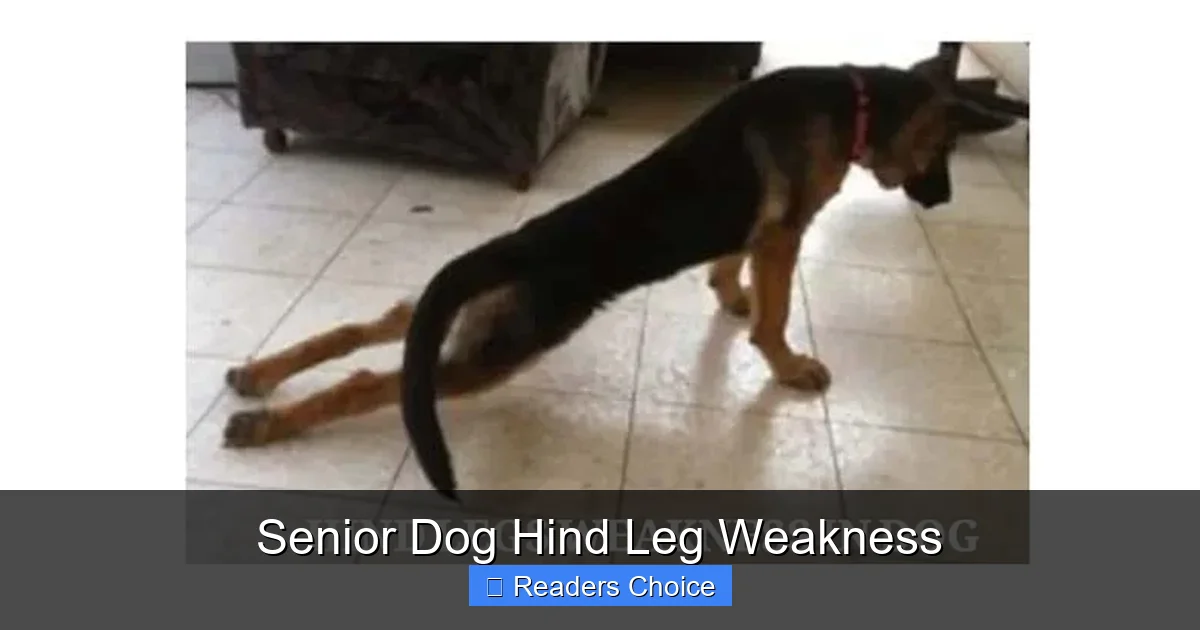
Visual guide about Senior Dog Hind Leg Weakness
Image source: vetnewsandviews.com
Early Warning Signs
- Difficulty standing up: Your dog may struggle to get to their feet, especially after lying down for a while.
- Stiffness or limping: They might favor one leg or move stiffly, particularly in the morning or after rest.
- Reluctance to climb stairs or jump: Tasks that were once easy now seem daunting.
- Wobbling or swaying gait: Their back end may sway side to side while walking.
- Dragging toes: You might notice worn-down nails on the back paws or hear a scraping sound.
Advanced Symptoms
As the condition progresses, symptoms may become more pronounced. These include:
- Inability to support weight: The dog may collapse or sit down unexpectedly.
- Loss of coordination: They might stumble, fall, or have trouble turning.
- Changes in bathroom habits: Weakness can make it hard to squat or aim, leading to accidents indoors.
- Muscle wasting: The thighs may appear thinner or less defined.
- Pain or vocalization: Some dogs whimper, yelp, or resist being touched in certain areas.
If you notice any of these signs, don’t wait. Schedule a vet visit as soon as possible. Early diagnosis can make a huge difference in your dog’s comfort and mobility.
Diagnosis and Veterinary Care
When you bring your senior dog to the vet for hind leg weakness, the goal is to identify the underlying cause. This usually involves a thorough physical exam, a review of symptoms, and possibly diagnostic tests.

Visual guide about Senior Dog Hind Leg Weakness
Image source: m.media-amazon.com
What to Expect at the Vet
Your veterinarian will start by observing your dog’s gait, posture, and reflexes. They’ll check for pain, swelling, or muscle loss. They may also perform a neurological exam to assess nerve function. Be prepared to describe when the weakness started, how it’s progressed, and any other changes in behavior or mobility.
Depending on the findings, your vet may recommend further testing. This could include:
- X-rays: To check for arthritis, fractures, or spinal issues.
- MRI or CT scan: For detailed images of the spine and nerves.
- Blood tests: To rule out infections, organ problems, or metabolic diseases.
- Nerve conduction studies: To evaluate nerve function.
Common Treatment Options
Once a diagnosis is made, your vet will discuss treatment options. These may include:
- Medications: Pain relievers, anti-inflammatories, or muscle relaxants.
- Joint supplements: Glucosamine, chondroitin, omega-3 fatty acids, and MSM can support joint health.
- Physical therapy: Exercises, massage, and hydrotherapy to improve strength and flexibility.
- Weight management: Keeping your dog at a healthy weight reduces stress on the joints.
- Surgery: In cases of IVDD or severe arthritis, surgery may be an option.
- Assistive devices: Harnesses, slings, or wheelchairs can help dogs stay mobile.
Always follow your vet’s recommendations and attend follow-up appointments. Treatment plans often need adjustment over time.
Home Care and Lifestyle Adjustments
While veterinary care is essential, much of the support for a senior dog with hind leg weakness happens at home. Simple changes can make a big difference in your dog’s comfort and safety.
Creating a Safe Environment
Start by making your home more accessible. Use ramps instead of stairs, place non-slip mats on hardwood or tile floors, and keep frequently used items (like food and water bowls) in easy-to-reach places. Avoid clutter that could trip your dog.
For example, if your dog sleeps in the bedroom but the bed is high off the ground, consider a pet ramp or steps. If they love the backyard but the deck has slick surfaces, add rubberized mats or carpet runners.
Exercise and Mobility Support
Gentle, regular exercise is crucial for maintaining muscle strength and joint flexibility. Short, frequent walks are better than long, strenuous ones. Swimming is excellent for dogs with arthritis because it’s low-impact and builds muscle without stressing the joints.
You can also do simple at-home exercises, like encouraging your dog to stand and sit slowly, or gently moving their legs through a range of motion. Always consult your vet or a canine rehabilitation therapist before starting any new routine.
Nutrition and Supplements
A balanced diet supports overall health and can help manage weight and inflammation. Look for senior dog foods rich in protein, omega-3 fatty acids, and antioxidants. Supplements like glucosamine, chondroitin, and green-lipped mussel extract are widely used to support joint health.
For example, many pet owners report improved mobility after adding a joint supplement to their dog’s routine for 4–6 weeks. Always choose high-quality products and avoid giving human medications unless prescribed by a vet.
Comfort and Emotional Support
Senior dogs with mobility issues may feel frustrated, anxious, or depressed. Provide plenty of love, patience, and reassurance. Use orthopedic beds to ease pressure on joints, and consider calming aids like pheromone diffusers or anxiety wraps if your dog seems stressed.
Remember, your dog still wants to be part of the family. Include them in activities as much as possible, even if it means carrying them to the park or using a mobility cart for walks.
When to Consider Mobility Aids
As hind leg weakness progresses, your dog may need extra help getting around. Mobility aids aren’t a sign of giving up—they’re tools that can restore independence and joy.
Types of Mobility Devices
- Rear-support harnesses: These help you lift your dog’s hind end when going up stairs or getting into the car.
- Full-body slings: Useful for short-term support during recovery or vet visits.
- Dog wheelchairs (carts): Allow dogs with paralysis or severe weakness to walk and run again.
- Ramps and stairs: Make it easier to access furniture, cars, or elevated surfaces.
Many dogs adapt quickly to wheelchairs and even seem to enjoy the new freedom. Look for adjustable, lightweight models designed for your dog’s size and condition.
Choosing the Right Aid
Talk to your vet or a canine rehabilitation specialist before purchasing a mobility device. They can help you choose the best option and ensure a proper fit. Online retailers and pet specialty stores often offer sizing guides and customer support.
For example, a small dog with mild weakness might do well with a simple harness, while a large breed with degenerative myelopathy may benefit from a custom-fitted wheelchair. Some insurance plans even cover part of the cost.
Maintaining Quality of Life
The ultimate goal of managing hind leg weakness is to keep your dog happy, comfortable, and engaged. With the right care, many senior dogs continue to enjoy life for years—even with limited mobility.
Signs Your Dog Is Thriving
Look for positive indicators like:
- Interest in food and treats
- Wagging tail and happy greetings
- Enjoyment of short walks or playtime
- Comfortable resting and sleeping
- Responsive to touch and affection
If your dog is eating well, seems content, and still shows enthusiasm for life, you’re on the right track.
When to Seek Palliative or Hospice Care
In advanced cases, when pain can’t be controlled or mobility is severely limited, it may be time to consider palliative or hospice care. This focuses on comfort rather than cure, ensuring your dog’s final days are peaceful and dignified.
Talk openly with your vet about your dog’s prognosis and quality of life. They can help you make compassionate decisions based on your dog’s needs—not just their age.
Conclusion
Senior dog hind leg weakness is a challenging but manageable condition. With early detection, proper veterinary care, and thoughtful home support, you can help your aging companion stay mobile, comfortable, and full of life. Whether it’s through joint supplements, physical therapy, or a trusty wheelchair, there are many ways to give your dog the care they deserve.
Remember, every dog ages differently. What matters most is your love, attention, and willingness to adapt. By staying informed and proactive, you’re not just managing a health issue—you’re honoring the bond you share with your loyal friend.
Frequently Asked Questions
What causes hind leg weakness in senior dogs?
Common causes include arthritis, degenerative myelopathy, IVDD, muscle atrophy, and neurological issues. These conditions affect joints, nerves, or muscles, leading to reduced strength and coordination in the back legs.
Is hind leg weakness in dogs painful?
It depends on the cause. Arthritis and IVDD are often painful, while degenerative myelopathy is not. Watch for signs like limping, stiffness, or vocalization to assess pain levels.
Can a senior dog recover from hind leg weakness?
Recovery depends on the underlying condition. Some dogs improve with treatment, while others manage symptoms long-term. Early intervention increases the chances of better outcomes.
How can I help my dog at home?
Use ramps, non-slip flooring, joint supplements, and gentle exercise. Provide orthopedic beds and consider mobility aids like harnesses or wheelchairs as needed.
When should I see a vet?
Schedule a visit if your dog shows difficulty standing, limping, dragging toes, or sudden weakness. Early diagnosis leads to more effective treatment.
Are there supplements that help?
Yes, glucosamine, chondroitin, omega-3 fatty acids, and MSM support joint health. Always consult your vet before starting any supplement regimen.