
Senior Dog Coughing and Gagging


Bathtub Transfer Bench

Electric Jar Opener

Smart Plug with Alexa
If your senior dog is coughing or gagging, it’s not just a sign of aging—it could point to serious conditions like heart disease, tracheal collapse, or infections. Understanding the causes and knowing when to seek veterinary care can help protect your dog’s health and comfort in their golden years.
Key Takeaways
- Senior dogs are more prone to coughing and gagging due to age-related health changes. Conditions like heart disease, respiratory infections, and tracheal collapse become more common as dogs age.
- Not all coughs are the same—observe the type, timing, and triggers. A dry, honking cough may suggest tracheal issues, while a wet cough could indicate fluid in the lungs.
- Gagging after drinking or eating may signal esophageal problems or dental disease. Watch for repeated attempts to swallow or regurgitation.
- Persistent coughing lasting more than a few days requires a vet visit. Early diagnosis improves treatment outcomes, especially for serious conditions like congestive heart failure.
- Environmental factors like smoke, dust, or allergens can worsen symptoms. Keep your home clean and use air purifiers to reduce irritants.
- Medications and lifestyle changes can manage many causes effectively. Your vet may prescribe cough suppressants, antibiotics, or heart medications depending on the diagnosis.
- Regular senior wellness exams help catch problems early. Annual or biannual checkups, including chest X-rays and bloodwork, are essential for aging dogs.
📑 Table of Contents
Understanding Why Your Senior Dog Is Coughing and Gagging
As our beloved dogs enter their senior years, their bodies undergo natural changes—joints stiffen, energy levels dip, and their immune systems weaken. One of the most concerning signs pet parents notice is coughing or gagging. While it’s easy to dismiss these symptoms as “just getting old,” they often point to underlying health issues that need attention.
Coughing and gagging in senior dogs aren’t normal parts of aging—they’re red flags. These behaviors can stem from a range of causes, from mild irritations to life-threatening diseases. The key is to pay close attention to the pattern, sound, and context of the cough. Is it happening at night? After drinking water? During excitement? These details can help your veterinarian pinpoint the problem faster.
For example, imagine your 12-year-old Labrador, Max, starts making a harsh, honking sound when he gets excited or pulls on his leash. At first, you think it’s just a quirk, but over time, the cough worsens and he begins gagging after meals. This could be a sign of tracheal collapse, a common issue in small and medium-sized senior dogs. Or perhaps your senior Poodle, Bella, develops a moist, wet cough that worsens at night. This might indicate congestive heart failure, where fluid builds up in the lungs.
The bottom line? Don’t ignore coughing or gagging in older dogs. While some causes are treatable with medication or lifestyle changes, others require prompt intervention. The sooner you act, the better your dog’s quality of life will be.
Common Causes of Coughing and Gagging in Senior Dogs
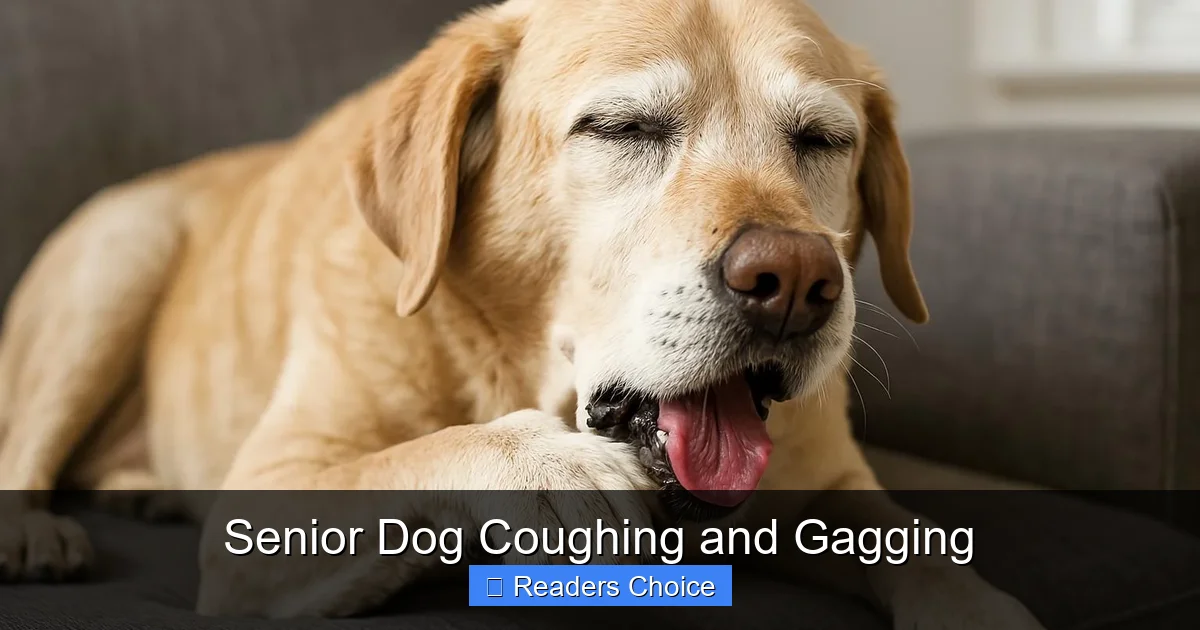
Visual guide about Senior Dog Coughing and Gagging
Image source: cdn0.animalwised.com
There are several medical conditions that commonly cause coughing and gagging in aging dogs. Understanding these can help you recognize when something is wrong and what to discuss with your vet.
Heart Disease and Congestive Heart Failure
One of the most serious causes of coughing in senior dogs is heart disease. As dogs age, their hearts can weaken, especially the valves that regulate blood flow. When the heart can’t pump efficiently, fluid can back up into the lungs—a condition known as congestive heart failure (CHF). This leads to a persistent, often wet-sounding cough, especially at night or when the dog lies down.
Dogs with CHF may also show signs like fatigue, difficulty breathing, and a swollen belly due to fluid buildup. Breeds like Cavalier King Charles Spaniels, Dobermans, and Boxers are genetically predisposed to heart conditions. If your senior dog has a cough that worsens with rest or excitement, heart disease should be high on your list of concerns.
Tracheal Collapse
Tracheal collapse is a progressive condition where the cartilage rings supporting the windpipe weaken and flatten. This causes the trachea to narrow, making it hard for air to pass through. The result is a distinctive dry, honking cough—often described as sounding like a goose honk. Gagging, especially after drinking water or excitement, is also common.
Small breeds like Yorkshire Terriers, Pomeranians, and Chihuahuas are most at risk. Obesity, exposure to irritants like smoke, and wearing collars that put pressure on the neck can worsen the condition. In mild cases, weight management and avoiding neck collars can help. Severe cases may require surgery or lifelong medication.
Respiratory Infections
Just like humans, senior dogs can catch colds or develop respiratory infections. Kennel cough (infectious tracheobronchitis) is a common culprit, especially if your dog has been around other dogs at a boarding facility, groomer, or dog park. It causes a dry, hacking cough that may be accompanied by gagging or retching.
While kennel cough is usually mild and resolves on its own, senior dogs with weakened immune systems are more vulnerable to complications like pneumonia. A wet cough, fever, or lethargy could signal a more serious infection requiring antibiotics.
Chronic Bronchitis
Chronic bronchitis is an inflammatory condition of the airways that becomes more common with age. It leads to a persistent, dry cough that lasts for weeks or months. Unlike infections, chronic bronchitis isn’t contagious and doesn’t respond to antibiotics.
Dogs with this condition often cough more in the morning or after exercise. Environmental irritants like dust, pollen, or cigarette smoke can trigger or worsen symptoms. Treatment focuses on reducing inflammation with corticosteroids and managing triggers at home.
Cancer
Unfortunately, cancer is a growing concern in senior dogs. Tumors in the lungs, throat, or chest can cause coughing, gagging, or difficulty breathing. Lymphoma, lung cancer, and tumors near the trachea are all possible culprits.
Signs to watch for include a cough that worsens over time, weight loss, decreased appetite, and labored breathing. While cancer is serious, early detection through imaging and biopsies can open doors to treatment options like surgery, chemotherapy, or palliative care.
Dental Disease and Esophageal Issues
Gagging in senior dogs isn’t always related to the lungs. Dental problems—like rotten teeth, gum disease, or abscesses—can cause pain when swallowing, leading to gagging or drooling. Similarly, esophageal disorders such as megaesophagus (an enlarged esophagus) can make it hard for food and water to pass, resulting in regurgitation and gagging.
If your dog gags after eating or drinking, refuses food, or brings up undigested food, these issues should be evaluated. Dental cleanings and specialized feeding techniques can often help.
When to Worry: Recognizing Red Flags
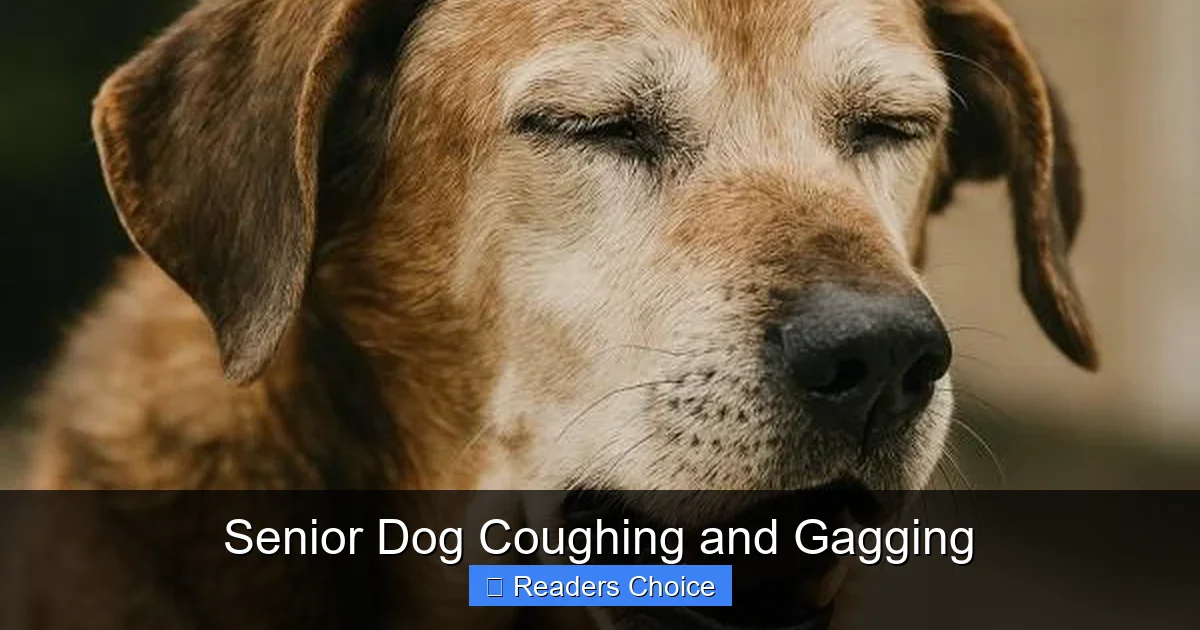
Visual guide about Senior Dog Coughing and Gagging
Image source: cdn0.animalwised.com
Not every cough or gag warrants a panic, but knowing when to act is crucial. Some symptoms are clear signs that your senior dog needs immediate veterinary attention.
Persistent or Worsening Cough
A cough that lasts more than a few days, or one that gets progressively worse, should never be ignored. Even if it seems mild at first, a lingering cough could indicate an infection, heart issue, or chronic condition that needs treatment.
Coughing Up Blood or Foamy Fluid
If your dog coughs up blood, mucus, or frothy pink fluid, this is a medical emergency. These signs often point to fluid in the lungs (pulmonary edema), which is commonly seen in congestive heart failure. Immediate veterinary care is essential.
Difficulty Breathing or Blue Gums
Labored breathing, rapid panting, or gums that appear blue or gray are signs of oxygen deprivation. These symptoms require urgent care—your dog may be in respiratory distress.
Lethargy, Loss of Appetite, or Weight Loss
When a cough is accompanied by other systemic signs like fatigue, refusing food, or unexplained weight loss, it suggests a more serious underlying illness. These are not normal aging changes and should be evaluated promptly.
Gagging That Leads to Vomiting or Regurgitation
Repeated gagging that results in vomiting or bringing up food without chewing (regurgitation) could indicate esophageal problems or gastrointestinal blockages. These conditions can be dangerous if left untreated.
Cough Triggered by Excitement or Exercise
If your dog starts coughing during play, walks, or when they get excited, it may signal heart disease or tracheal collapse. These conditions worsen with increased activity or stress on the body.
Remember: when in doubt, call your vet. It’s always better to be safe than sorry, especially with senior dogs whose health can decline quickly.
Diagnosis: What to Expect at the Vet

Visual guide about Senior Dog Coughing and Gagging
Image source: emilyreviews.com
If your senior dog is coughing or gagging, your veterinarian will start with a thorough physical exam. They’ll listen to the heart and lungs, check the throat, and assess your dog’s overall condition. Based on the findings, they may recommend further testing.
Chest X-Rays
X-rays are one of the most common tools for diagnosing respiratory and heart issues. They can reveal enlarged heart chambers, fluid in the lungs, tumors, or signs of pneumonia. For dogs suspected of having heart disease, chest X-rays are often the first step.
Bloodwork and Heart Testing
A complete blood panel can check for infections, anemia, or organ dysfunction. For heart concerns, your vet may run a proBNP test—a blood marker that indicates heart stress. They might also recommend an echocardiogram (ultrasound of the heart) to assess heart function and valve health.
Tracheal Examination
If tracheal collapse is suspected, your vet may perform a physical exam while gently pressing on the neck to see if it triggers a cough. In some cases, a fluoroscopy (real-time X-ray) is used to observe the trachea during breathing.
Throat and Esophageal Imaging
For dogs with gagging or regurgitation, a barium swallow study may be done. This involves giving your dog a chalky liquid that shows up on X-rays, allowing the vet to see how food and liquid move through the esophagus.
Biopsy or Cytology
If cancer is a concern, your vet may take a tissue sample (biopsy) or use a fine needle to collect cells from a mass. This helps determine if the growth is benign or malignant.
The diagnostic process may take a few visits, but it’s important to get an accurate diagnosis. Many conditions share similar symptoms, and treatment depends on identifying the root cause.
Treatment Options and Home Care
Once a diagnosis is made, your vet will recommend a treatment plan tailored to your dog’s condition. The goal is to relieve symptoms, slow disease progression, and improve quality of life.
Medications
Depending on the cause, your dog may be prescribed:
– Cough suppressants (like hydrocodone) for dry, irritating coughs.
– Antibiotics for bacterial infections such as pneumonia or kennel cough.
– Diuretics (like furosemide) to remove excess fluid in heart failure.
– Bronchodilators to open airways in cases of bronchitis or asthma.
– Anti-inflammatories (steroids or NSAIDs) to reduce airway inflammation.
Always follow dosing instructions carefully and report any side effects to your vet.
Lifestyle and Environmental Changes
Simple changes at home can make a big difference:
– Switch to a harness instead of a collar to reduce pressure on the neck, especially for dogs with tracheal issues.
– Maintain a healthy weight—obesity puts extra strain on the heart and lungs.
– Use a humidifier to soothe irritated airways, particularly in dry climates.
– Eliminate irritants like cigarette smoke, strong perfumes, or dusty litter.
– Feed smaller, more frequent meals if your dog has esophageal problems. Elevating food and water bowls can also help.
Special Diets and Supplements
For dogs with heart disease, a low-sodium diet can help reduce fluid retention. Your vet may also recommend supplements like omega-3 fatty acids, which support heart and joint health. Always consult your vet before adding supplements.
Physical Therapy and Exercise
Gentle, low-impact exercise like short walks can help maintain muscle tone and circulation. For dogs with tracheal collapse, avoid overexertion and excitement. In some cases, physical therapy or acupuncture may be recommended to ease discomfort.
Palliative and End-of-Life Care
In advanced cases of cancer or heart failure, the focus may shift to comfort care. This includes pain management, appetite stimulants, and creating a calm, loving environment. Hospice care at home can help your dog enjoy their remaining time with dignity.
Prevention and Long-Term Management
While not all causes of coughing and gagging can be prevented, proactive care can reduce risks and catch problems early.
Regular Veterinary Checkups
Senior dogs should see the vet at least twice a year. These visits should include a heart and lung exam, bloodwork, and possibly chest X-rays. Early detection of heart disease or cancer can significantly improve outcomes.
Dental Care
Brush your dog’s teeth regularly and schedule professional cleanings. Healthy teeth and gums prevent infections that can spread to the heart and lungs.
Vaccinations and Parasite Prevention
Keep your dog up to date on vaccines, especially Bordetella (kennel cough), and use year-round heartworm and flea prevention. These parasites can cause respiratory distress and worsen existing conditions.
Monitor for Changes
Keep a journal of your dog’s symptoms—note when the cough occurs, how long it lasts, and any triggers. This information is invaluable during vet visits.
Create a Comfortable Environment
Ensure your senior dog has a warm, quiet place to rest. Use orthopedic beds to support aging joints and keep them away from drafts or extreme temperatures.
By staying vigilant and working closely with your vet, you can help your senior dog live a more comfortable, cough-free life.
Conclusion
Coughing and gagging in senior dogs are not just annoying habits—they’re often signs of serious health issues that need attention. Whether it’s heart disease, tracheal collapse, an infection, or something else, early diagnosis and treatment can make a world of difference. As a pet parent, your role is to observe, act, and advocate for your dog’s health.
Don’t wait for symptoms to worsen. If your senior dog is coughing or gagging, schedule a vet visit. With the right care, many of these conditions can be managed effectively, allowing your loyal companion to enjoy their golden years with comfort and joy. Remember, you’re not just caring for a pet—you’re caring for a member of your family.
Frequently Asked Questions
Is it normal for senior dogs to cough occasionally?
Occasional coughing isn’t necessarily abnormal, but frequent or persistent coughing in senior dogs is not normal and should be evaluated. It often signals an underlying health issue like heart disease or respiratory problems.
Can coughing in senior dogs be caused by allergies?
Yes, allergies to pollen, dust, or mold can cause coughing in older dogs. However, allergies are less common than heart or respiratory diseases in seniors, so other causes should be ruled out first.
Should I give my senior dog over-the-counter cough medicine?
No, never give human cough medicine to dogs without veterinary guidance. Many contain ingredients like dextromethorphan or acetaminophen that can be toxic. Always consult your vet before using any medication.
How can I help my senior dog with a chronic cough at home?
Use a harness instead of a collar, keep the air moist with a humidifier, avoid irritants like smoke, and follow your vet’s treatment plan. Elevating food and water bowls may also help if gagging is involved.
Can heart disease in dogs be reversed?
Heart disease cannot be reversed, but it can often be managed with medications, diet, and lifestyle changes. Early detection and treatment can slow progression and improve your dog’s quality of life.
When is coughing in a senior dog an emergency?
Seek immediate care if your dog is coughing up blood, has blue gums, is struggling to breathe, or becomes extremely lethargic. These are signs of a life-threatening condition requiring urgent treatment.